
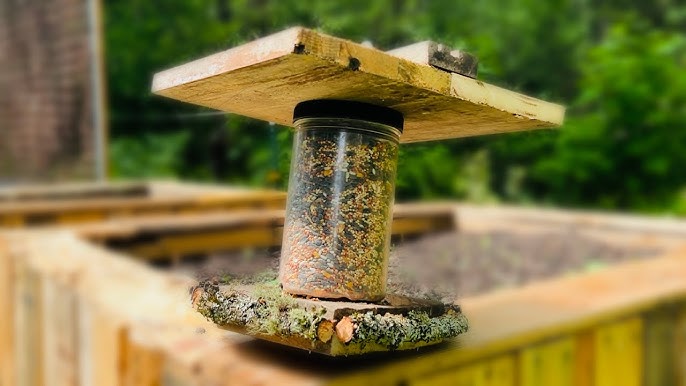
Are you ready to bring more life and color to your garden? Making your own bird food feeder is easier than you think, and it’s a wonderful way to attract beautiful birds right to your backyard.
Imagine watching vibrant feathers flutter as hungry birds visit your feeder daily. In this guide, you’ll discover simple steps to create a feeder that suits your space and invites nature closer. Keep reading, and you’ll soon enjoy the calming sight and cheerful sounds of birds, all from the comfort of your home.
Choosing Materials
Choosing the right materials is key to building a bird food feeder that lasts and keeps birds safe. The materials must resist weather and stay strong over time. They should also avoid harming birds or the environment. Picking the best materials ensures your feeder works well and looks nice in your yard.
Safe And Durable Options
Wood is a popular choice. It is natural and blends well outdoors. Use untreated wood to avoid chemicals that can hurt birds. Cedar and pine are good types. They resist rot and insects.
Metal parts like screws or hooks must be rust-resistant. Stainless steel or galvanized metal works best. Avoid sharp edges that could injure birds.
Plastic can be used if it is thick and tough. Look for BPA-free plastics made for outdoor use. Thin plastic breaks easily and may release harmful substances.
Recycled Vs New Materials
Recycled materials save money and reduce waste. Old jars, bottles, or wood scraps can be turned into feeders. Check that recycled items are clean and safe for birds.
New materials offer more control over quality and safety. They often last longer and fit your design better. Choose new materials if you want a polished, sturdy feeder.
Both recycled and new materials have pros and cons. Mixing them can create a unique and eco-friendly feeder. Always prioritize safety and durability in every choice.
Credit: www.foodnetwork.com
Design Ideas
Choosing the right design for your bird food feeder can make all the difference in attracting a variety of birds to your garden. The style you pick affects how easy it is to fill, clean, and how well it protects the food from weather. Let’s look at some popular designs that you can create yourself, each with its own benefits and charm.
Simple Cup Feeders
Simple cup feeders are perfect if you want a quick and easy project. They usually involve attaching small cups or containers to a base, where you can place seeds or nuts. This design keeps the food visible and accessible, which can attract curious birds quickly.
You can use recycled materials like old teacups or small plastic containers. Just make sure they’re sturdy and easy to clean. Have you noticed how birds often prefer open spaces to perch on while eating? This design gives them just that.
Tube Feeders
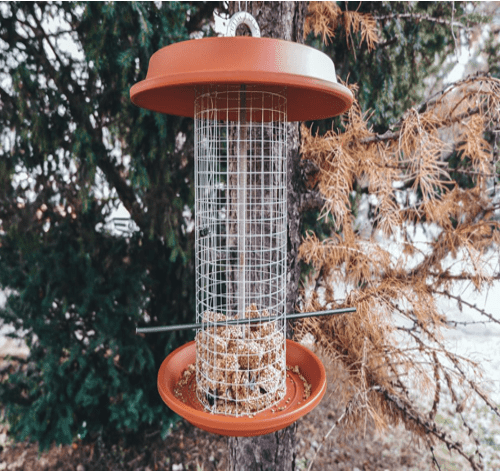
Tube feeders are long, cylindrical containers with multiple feeding ports. They work well for holding seeds and keep them dry inside a covered tube. This design discourages squirrels and larger animals from stealing the food, which can be frustrating.
Making a tube feeder from a clear plastic bottle lets you watch the seed level without opening it. You’ll find that different birds prefer different port sizes, so consider adding a variety. Could a tube feeder be the solution to keeping your bird food safe and fresh?
Platform Feeders
Platform feeders are flat surfaces raised off the ground. They offer space for birds to land and eat comfortably. This design is great for seeds, fruit, and even mealworms, attracting a wide range of bird species.
You can make a platform feeder from a wooden board with raised edges to stop seeds from spilling. Placing it near shrubs or trees gives birds quick cover if they feel threatened. Have you thought about how a simple platform can turn your backyard into a lively bird hotspot?
Tools You Need
Gathering the right tools is the first step toward building your own bird food feeder. The tools you choose affect how smoothly the project will go and how sturdy your feeder turns out. Whether you’re a beginner or have some DIY experience, having the proper tools on hand makes a big difference.
Basic Hand Tools
These are the tools you really can’t do without. They are simple, affordable, and easy to find at any hardware store. Even if you only have these, you can still create a functional bird feeder.
- Hammer:Essential for driving nails or tapping pieces into place.
- Screwdriver:A Phillips or flat-head screwdriver helps you attach screws securely.
- Measuring Tape:Precise measurements keep your feeder balanced and neat.
- Pencil:Marking cut lines or drilling spots is easier with a pencil.
- Hand Saw:Perfect for cutting wood to size if you don’t have access to power tools.
- Sandpaper:Smooths rough edges to make your feeder safe for birds and yourself.
I remember once trying to build a feeder without measuring tape—it led to uneven cuts and a feeder that wobbled. Having even a basic set of hand tools saved me a lot of frustration in the next build.
Optional Power Tools
If you want to speed up the process or create a more polished feeder, power tools are a great addition. They’re not necessary but can make your work easier and more precise.
- Electric Drill:Drills holes quickly and securely sets screws.
- Jigsaw or Circular Saw:Cuts wood faster and handles more complex shapes.
- Orbital Sander:Makes sanding large surfaces fast and smooth.
- Clamps:Hold pieces steady while you work, especially useful when using power tools.
Have you ever tried sanding a whole feeder by hand? I have, and it took hours. Using an orbital sander next time cut the time drastically and made the surface flawless. Think about what tools might save you time or effort—sometimes investing in one power tool changes your whole DIY experience.
Credit: greengoddess.co.nz
Step-by-step Assembly
Building your own bird food feeder is a rewarding project that brings nature closer to your window. The assembly process is straightforward but requires attention to detail to ensure durability and functionality. Let’s break down the construction into clear stages to help you create a feeder that birds will love.
Preparing Materials
Start by gathering all the materials needed for your feeder. Typical items include untreated wood, screws, nails, sandpaper, a drill, and a small saw. Avoid treated wood or toxic paints to keep your feathered visitors safe.
Check that your wood is smooth and free from splinters to protect the birds. You might also want to include a hook or rope for hanging the feeder. Do you have all the right tools ready? This preparation saves time and frustration later.
Cutting And Shaping
Carefully measure and cut your wood pieces according to your feeder design. Precision here ensures the parts fit together snugly, preventing gaps where seeds could spill out. Take your time to cut straight edges and smooth any rough spots with sandpaper.
Consider adding small perches by cutting dowels or thin wood strips. These make it easier for birds to land and eat. How could slight adjustments in shape improve stability or ease of refilling?
Assembling Parts
Begin assembling by attaching the base to the sides, using screws or nails for a firm hold. Then fix the roof or cover piece to protect seeds from rain. Make sure all parts are securely fastened but avoid overtightening, which can crack the wood.
Test the feeder’s stability by gently shaking it before hanging. Adding a protective finish like natural oil can help preserve the wood without harming birds. What small tweak can you make to simplify refilling or cleaning?
Choosing The Right Bird Food
Choosing the right bird food is key to attracting birds to your feeder. Different birds prefer different types of seeds and food. Picking the right ingredients helps keep birds healthy and coming back to your feeder. It also prevents waste and keeps your feeder clean.
Seeds For Different Birds
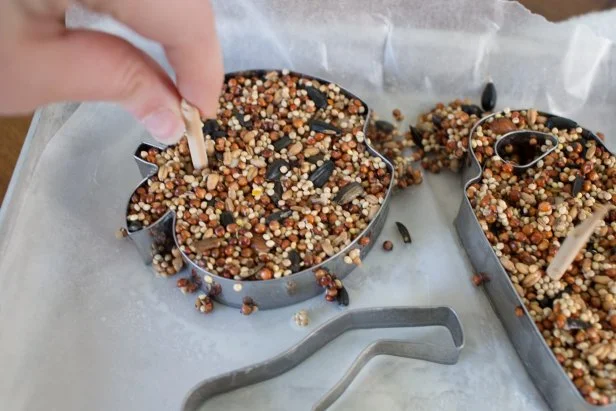
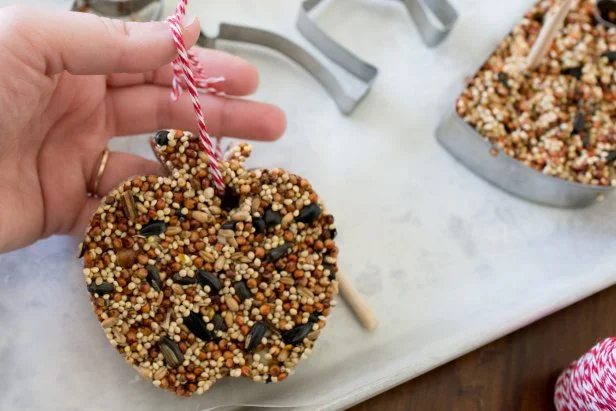
Sunflower seeds are popular and attract many birds like finches, chickadees, and cardinals. Black oil sunflower seeds are especially good because birds can crack them easily. Millet is small and preferred by ground-feeding birds like sparrows and doves. Nyjer seed is tiny and loved by finches and siskins. Peanuts attract woodpeckers, jays, and nuthatches. Suet is a good choice for insect-eating birds like woodpeckers and wrens during winter.
- Sunflower seeds:Cardinals, chickadees, finches
- Millet:Sparrows, doves, juncos
- Nyjer seeds:Finches, siskins
- Peanuts:Woodpeckers, jays, nuthatches
- Suet:Woodpeckers, wrens (especially in cold months)
Avoiding Harmful Ingredients
Some bird foods contain fillers and harmful additives. Avoid mixes with too many colored seeds or artificial flavors. Salt and sugar are bad for birds and should never be added. Moldy or old seeds can cause illness. Always choose fresh, natural seeds. Avoid bread or junk food; it offers no nutrition and harms birds. Keep your feeder clean to stop mold and bacteria growth.
Credit: www.foodnetwork.com
Placing Your Feeder
Placing your bird feeder correctly is key to attracting birds and keeping them safe. The right spot helps birds feel comfortable and encourages them to visit often. Careful placement also protects the feeder from weather and unwanted visitors.
Ideal Locations
Choose a quiet area with some natural cover like trees or bushes. Birds prefer places where they can quickly hide if needed. Place the feeder near windows to enjoy watching birds up close. Keep it visible from inside your home for easy viewing.
- Near shrubs or small trees
- Close to a window for bird watching
- In a spot with some shade
- At least 5 feet off the ground
Safety From Predators
Keep your feeder away from places where cats or other predators can hide. Avoid placing it near fences or low branches that help predators jump. Use poles with baffles to stop animals from climbing up. Make sure birds have a clear flight path to and from the feeder.
- Avoid nearby hiding spots for cats
- Use predator guards on poles
- Keep feeders at least 10 feet from jump points
- Clear area around the feeder for easy bird escape
Maintenance Tips
Keeping your bird food feeder in good shape is key to attracting healthy, happy birds to your garden. Regular maintenance not only extends the life of your feeder but also protects the birds from diseases. Let’s look at some practical tips that make maintenance easy and effective.
Cleaning Your Feeder
Clean your feeder at least once every two weeks to prevent mold and bacteria buildup. Use warm water mixed with mild soap, and scrub all surfaces thoroughly. Avoid harsh chemicals that can harm birds.
Rinse the feeder well to remove any soap residue. Let it dry completely before refilling to keep seeds fresh and dry. If you notice stubborn grime, soak the feeder in a vinegar solution for 10 minutes to loosen debris.
Have you ever seen birds avoid a feeder? Dirty feeders often repel them, so keeping it spotless can increase visits. Think about how often you use your own kitchen tools—birds deserve the same care.
Refilling And Monitoring
Check your feeder daily to refill it with fresh seeds. Birds eat quickly, especially in colder months, so frequent refills keep them coming back. Avoid overfilling, as old seeds can spoil and attract unwanted pests.
Watch for signs of moldy or wet seeds and remove them immediately. Moisture can ruin the food and cause health issues for birds. Consider placing your feeder in a sheltered spot to reduce exposure to rain and dampness.
Pay attention to which seeds birds prefer and adjust your refills accordingly. This simple observation can make your feeder a favorite spot. How often do you think about what your garden visitors really want to eat?
Frequently Asked Questions
How Do I Make A Simple Bird Feeder?
To make a simple bird feeder, use a pine cone, peanut butter, and birdseed. Spread peanut butter over the pine cone, then roll it in birdseed. Finally, hang it outside using a string. This easy method attracts birds and provides them nourishment.
What Materials Are Needed For A Diy Bird Feeder?
For a DIY bird feeder, you’ll need a plastic bottle, wooden spoons, and birdseed. Cut holes in the bottle for the spoons, which act as perches. Fill the bottle with birdseed and hang it outside. This feeder is eco-friendly and easy to make.
How Can I Attract More Birds To My Feeder?
To attract more birds, use a variety of seeds like sunflower, millet, and nyjer. Ensure the feeder is clean and placed in a quiet area. Provide fresh water nearby, and avoid placing feeders too close to windows to prevent accidents.
Can I Use Recycled Materials For Bird Feeders?
Yes, recycled materials like plastic bottles, milk cartons, and tin cans are perfect for bird feeders. They’re eco-friendly and easy to customize. Simply clean and cut them appropriately, add perches and fill with seeds. Hanging these feeders invites birds while reducing waste.
Conclusion
Building a bird food feeder is simple and fun. You only need a few materials and some patience. Watching birds visit your feeder brings joy and peace. It helps birds find food, especially in cold months. You can enjoy nature right from your window.
Try different seeds to attract various bird types. Keep your feeder clean to keep birds healthy. Making your own feeder saves money and adds charm to your garden. Start today and see how birds brighten your outdoor space.