
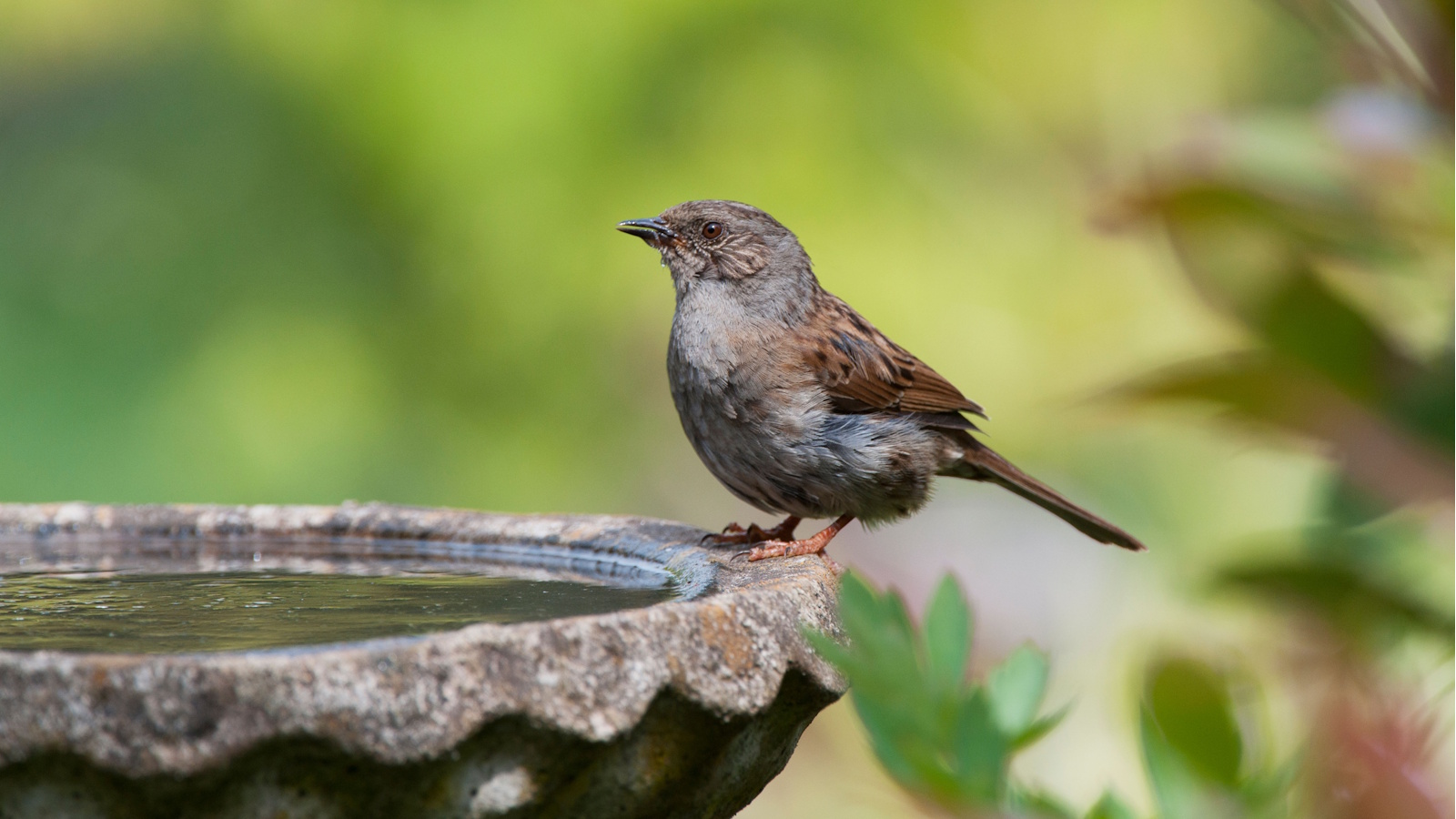
Have you ever wondered if rice is safe to feed the birds visiting your garden? You might have heard conflicting advice about this topic, leaving you unsure about what’s best for your feathered friends.
Understanding what to feed birds is crucial for their health and well-being, and you want to make sure you’re providing the right nutrition. We’ll delve into the truth about feeding rice to birds, debunking myths, and offering practical advice you can trust.
Stay with us to discover how you can make informed choices that will keep your backyard visitors chirping with joy!
Common Beliefs About Feeding Birds Rice
Many people believe feeding rice to birds is safe and even helpful. This idea has spread widely. It comes from old stories and traditions. Some think rice helps birds grow strong and healthy. Others believe it brings good luck. These beliefs shape how people treat wild birds.
Origins Of The Rice Myth
The idea that rice is safe for birds started long ago. Some stories say rice expands in a bird’s stomach and harms them. This scared many people. Others think birds can eat rice like other grains. This confusion keeps the myth alive.
Cultural Traditions Involving Rice
Rice plays a big role in many cultures. It is a symbol of life and prosperity. At weddings, people often throw rice on newlyweds. This tradition is meant to bring happiness and fertility. People sometimes extend this practice to feeding birds, thinking it shares good luck.
Why People Feed Birds Rice
- Rice is easy to find and cheap to offer.
- People want to help birds during winter or dry seasons.
- Some enjoy watching birds eat rice at home or in parks.
- Feeding rice feels like a kind, simple act of care.
- Tradition encourages feeding rice as a gesture of goodwill.

Credit: besgroup.org
Rice And Bird Health
Rice is a common food found worldwide and often considered for feeding birds. Understanding how rice affects bird health helps make safe choices. This section explores rice’s impact on birds’ well-being.
Is Rice Harmful To Birds?
Plain, uncooked rice is not harmful to birds. Many birds eat grains similar to rice in the wild. Birds can safely consume small amounts of uncooked rice without any issues.
Cooked rice is also safe for birds. It is soft and easy to digest. Avoid flavored or salty rice as additives can harm birds.
How Birds Digest Rice
Birds have strong digestive systems adapted for grains. Their gizzards grind hard foods like rice using small stones.
Rice provides energy through carbohydrates. It breaks down in the bird’s stomach and supplies nutrients. Birds can digest both cooked and raw rice effectively.
Potential Risks Of Feeding Rice
- Large amounts of rice may fill birds’ stomachs but lack other nutrients.
- Flavored or seasoned rice can contain harmful chemicals and salt.
- Sticky cooked rice might clump and cause choking in some birds.
- Feeding only rice can lead to nutritional imbalance over time.
Offering rice in moderation as part of a varied diet keeps birds healthy and safe.
Types Of Rice And Their Effects
Understanding the types of rice and how they affect birds is key when deciding what to feed them. Not all rice is created equal, and the differences can impact a bird’s health and digestion. Let’s break down the main types of rice and their effects so you can make a better choice for your feathered friends.
White Rice Vs. Brown Rice
White rice has the outer bran and germ removed, making it softer and easier to digest. Many birds can handle white rice well, especially in small amounts. However, it offers fewer nutrients compared to brown rice.
Brown rice retains the bran and germ, providing more fiber, vitamins, and minerals. This makes it more nutritious but also harder for some birds to digest. If you notice birds struggling with brown rice, it’s better to stick to white rice or prepare it properly.
Cooked Rice Compared To Uncooked Rice
Cooked rice is softer and less likely to cause choking or digestive problems. Birds generally prefer it, and it’s safer to feed in this form. Uncooked rice, especially long grains, can be harder to eat and might swell in a bird’s stomach, which worries many bird owners.
However, some birds like crows and pigeons can eat uncooked rice without any issues. If you choose to feed uncooked rice, observe the birds closely to ensure they’re not struggling.
Rice Alternatives For Birds
If you’re unsure about rice, consider these alternatives that birds also enjoy:
- Oats:Rolled or quick oats provide good fiber and nutrients.
- Quinoa:A protein-rich seed that some birds find tasty.
- Millet:A favorite among many small birds like finches and sparrows.
- Corn:Dried or fresh, corn is a great energy source.
Offering a variety of grains can keep your birds healthy and interested. Have you noticed which grains your local birds prefer? Trying different options might surprise you.

Credit: pdsparrotshop.com
Safe Feeding Practices
Feeding birds can be a rewarding experience, but it requires careful attention to what and how you offer food. Safe feeding practices protect the birds’ health and encourage natural behaviors. You want to provide nourishment without causing harm or dependence.
Best Foods To Offer Birds
Rice, especially uncooked white rice, is safe for birds in small amounts. However, it lacks many nutrients birds need for a balanced diet. Instead, offer a variety of bird-friendly foods like:
- Sunflower seeds – high in fat and protein
- Millet – great for smaller birds
- Cracked corn – attracts ground feeders
- Suet – provides energy in cold weather
- Fresh fruits such as berries and apple slices
These foods support different species and keep your backyard visitors healthy and active.
How To Feed Birds Responsibly
Place food in clean feeders or scatter it on the ground in a safe spot away from predators. Avoid feeding birds too close to windows to prevent collisions. Keep feeding areas tidy by regularly removing old or moldy food.
Think about the seasons—birds need extra calories in winter but less in summer. Adjust the quantity and type of food you offer accordingly to match their natural needs.
Avoiding Overfeeding And Dependency
It’s tempting to keep filling feeders, but overfeeding can harm birds. They may stop foraging naturally and rely too much on human-provided food. This dependency can lead to malnutrition if the food supply suddenly stops.
Limit feeding to short periods or specific seasons. This encourages birds to maintain their survival skills and stay healthy. Have you ever noticed birds ignoring natural food sources near a constantly stocked feeder? That’s a sign to scale back.
Environmental Impact Of Feeding Rice
Feeding rice to birds can have various effects on the environment. Understanding these effects helps protect local ecosystems. The impact spans from bird health to changes in wildlife habits and the cleanliness of natural areas.
Effects On Local Bird Populations
Rice provides a quick energy source for many bird species. Some birds rely heavily on grains during migration or winter. Too much rice can cause birds to ignore natural food sources. This shift may reduce their diet diversity and nutrition. Feeding rice in large amounts can also attract non-native species. These species might compete with local birds for food and space. Over time, this competition can harm native bird populations.
Rice And Wildlife Behavior Changes
Birds may gather in large groups where rice is offered. This crowding can increase stress and disease spread among birds. Feeding rice can change natural foraging behaviors. Birds might stop searching for natural food and wait for handouts. Such dependence weakens their survival skills. Some animals, like rodents, may also be attracted to rice spills. This can disrupt the balance of local wildlife communities.
Waste And Clean-up Considerations
Uneaten rice often falls to the ground, creating waste. Leftover rice can rot and cause unpleasant smells. It may also attract pests such as rats and insects. These pests can spread diseases to both humans and animals. Cleaning feeding areas regularly helps prevent these problems. Using small amounts of rice reduces waste and environmental harm.
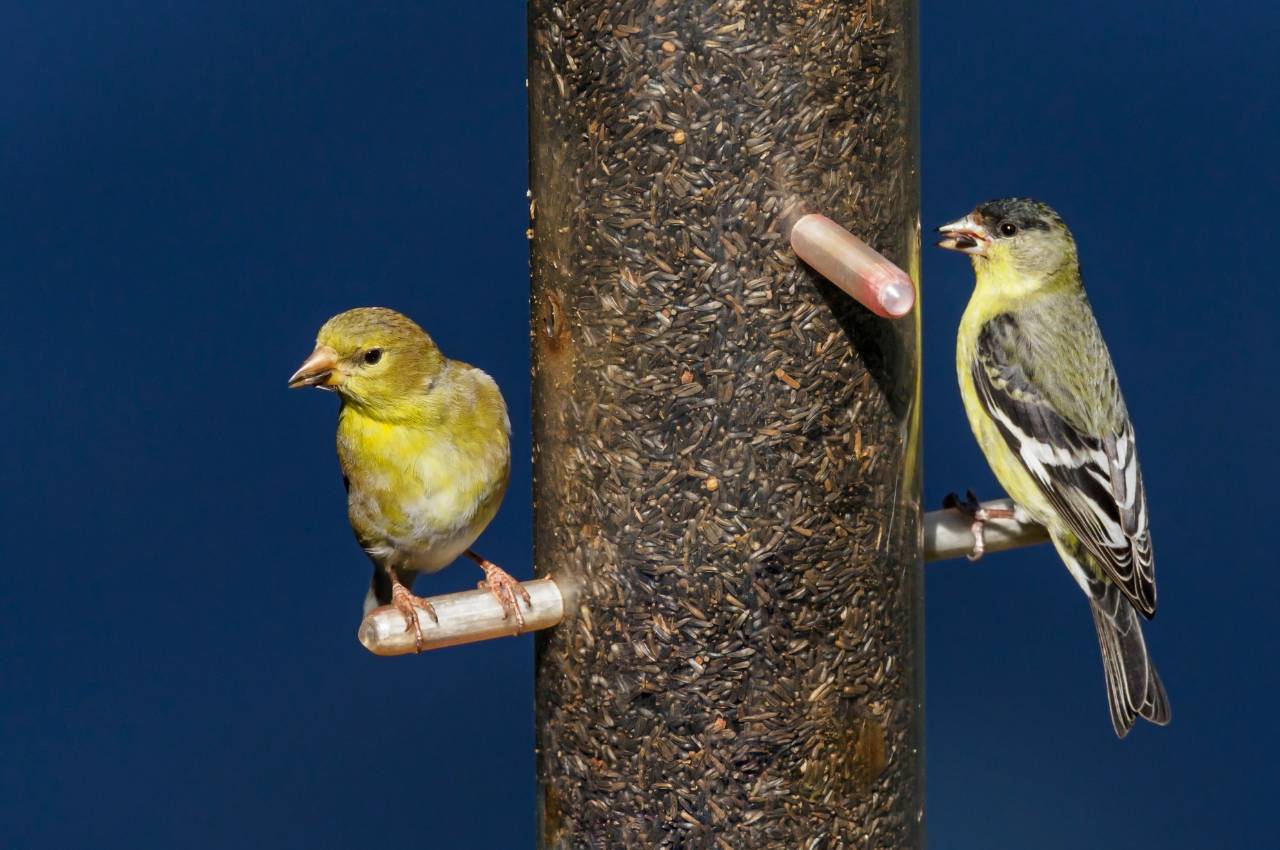
Credit: www.beakybites.co.uk
Frequently Asked Questions
Is It Safe To Feed Birds Uncooked Rice?
Yes, uncooked rice is safe for most birds in moderation. It provides carbohydrates and energy. Avoid feeding large amounts to prevent digestive issues.
Can Cooked Rice Harm Wild Birds?
Cooked rice is generally safe for birds and is easy to digest. Avoid adding salt, spices, or oils, which can harm birds.
Why Do Birds Eat Rice At Weddings?
Birds eat rice at weddings because it’s easy to spot and digest. Feeding birds rice in moderation does not harm them.
Does Rice Provide Nutritional Value To Birds?
Rice offers birds carbohydrates and some energy but lacks essential proteins and fats. It should not replace a balanced diet.
Conclusion
Rice can be a safe snack for many birds. It does not harm them like some believe. Birds enjoy eating small amounts of rice. Avoid giving too much to keep them healthy. Always offer plain, uncooked rice for best results.
Feeding birds helps you connect with nature. It also supports their diet during tough times. Try mixing rice with other bird seeds. Watch birds happily peck and chirp around you. Simple acts like feeding birds bring joy every day.