
Finding a baby bird that has fallen out of its nest can be heartbreaking. You want to help, but you might be unsure what to feed it to keep it safe and healthy.
Giving the wrong food could do more harm than good. You’ll learn exactly what to feed baby birds that have fallen from their nests. With simple tips and clear advice, you’ll feel confident in providing the right care and giving these little creatures the best chance to thrive.
Keep reading to discover everything you need to know to become a helpful friend to these fragile birds.

Credit: www.youtube.com
Identifying Baby Bird Species
Identifying the species of a baby bird is important before feeding it. Different birds need different foods. Knowing the type helps provide the right care and nutrition. It also helps to know if the bird needs special attention or medical help.
Common Baby Bird Types
- Songbirds: Small and often colorful with thin beaks.
- Waterfowl: Ducks and geese, usually with flat bills.
- Raptors: Hawks and owls, with sharp, hooked beaks.
- Pigeons and Doves: Plump bodies and smooth feathers.
- Woodpeckers: Stiff tail feathers and strong beaks for pecking.
Physical Characteristics To Note
- Size and weight of the bird.
- Color and pattern of feathers.
- Shape and size of the beak.
- Presence or absence of down feathers.
- Type and color of feet and legs.
Assessing Baby Bird Health
Assessing the health of a baby bird that fell from its nest is crucial before offering food. A healthy bird has a better chance of survival. Early checks help spot injuries or sickness. Proper care begins with understanding the bird’s condition.
Signs Of Injury Or Illness
- Bird is weak or unable to stand
- Visible wounds or bleeding
- Swollen or misshapen body parts
- Fluffed-up feathers and shivering
- Labored or irregular breathing
- Closed or dull eyes
- Unusual droppings or vomiting
- Constant crying or silence
When To Seek Professional Help
Contact a wildlife rehabilitator or vet immediately if the bird shows any injury or illness signs. Professionals have the tools to treat wounds and provide proper care. Delaying help may worsen the bird’s condition. A quick response increases survival chances.
Safe Feeding Practices
Feeding baby birds that have fallen out of their nest requires careful attention to what and how you feed them. Unsafe feeding practices can harm these fragile creatures or even reduce their chances of survival. Knowing the right foods and feeding schedule can make a big difference in helping them grow strong and healthy.
Suitable Foods For Different Species
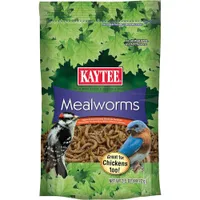
Different bird species need different types of food to thrive. For insect-eating birds like robins or bluebirds, you can offer small, soft insects such as mealworms or finely chopped cooked egg yolks. Seed-eating birds like finches or sparrows benefit from a mixture of soaked seeds and softened pellets.
If you’re unsure about the species, mimic the diet of their parents as closely as possible. Avoid feeding bread or milk, as these can cause serious health problems. Always provide fresh water alongside their food to keep them hydrated.
Avoiding Harmful Foods
Some common foods can be dangerous for baby birds. Avoid giving them bread, milk, or processed human food. These items lack the nutrients they need and can cause digestive issues or even death.
Also, stay away from foods with added salt, sugar, or spices. Raw meat and large chunks of food can choke them or be too tough to digest. Your goal is to offer food that is easy to swallow and closely matches their natural diet.
Feeding Frequency And Amount
Baby birds need to be fed frequently because they have fast metabolisms and small stomachs. Most will require feeding every 15 to 20 minutes during daylight hours. Younger birds need smaller amounts but more frequent feedings compared to older ones.
Watch how much your bird eats at each feeding and avoid overfeeding, which can cause choking or digestive upset. A good way to tell if they’ve had enough is when they stop begging or their crop (a small pouch in their throat) feels full but not stretched.
Creating A Temporary Nest
Creating a temporary nest is vital for the safety and warmth of baby birds that fell out of their original home. It offers protection from cold, predators, and injury. A well-made temporary nest helps keep the baby birds calm and secure until they can return to their natural nest or be cared for properly.
Materials To Use
- Soft cloths or old t-shirts without loose threads
- Shredded paper or dry grass to add cushioning
- A small basket, bowl, or container with holes for drainage
- Non-toxic tape to secure the lining gently
- Paper towels as a base layer for cleanliness
Avoid using cotton balls or anything that can stick to feathers. The materials must be breathable and easy to clean.
Placement Tips
- Place the temporary nest in a warm, quiet, and shaded spot
- Keep it away from pets and loud noises
- Secure the nest so it will not fall or move
- Position it near the original nest if possible
- Check the nest regularly to keep it dry and clean
Proper placement helps mimic the baby birds’ natural environment. It supports their comfort and safety while waiting for help or return.
Hydration Needs
Keeping baby birds hydrated is crucial for their survival after they fall out of the nest. Water supports their body functions and helps them digest food properly. Without enough fluids, these tiny creatures can weaken quickly, so understanding their hydration needs is essential.
Providing Water Safely
Offering water to a baby bird requires caution. Never try to force water directly into their beak, as this can cause choking or aspiration. Instead, use a small dropper or a clean cotton swab to gently place tiny drops of water near their mouth.
Place the baby bird in a slightly upright position to reduce the risk of water entering their lungs. Keep the water clean and fresh—tap water is usually fine, but avoid flavored or sugary drinks. You might wonder, how often should you give water? Offer small amounts every couple of hours, especially if the weather is hot or the bird appears weak.
Recognizing Dehydration
How can you tell if a baby bird is dehydrated? Look for signs like dry or wrinkled skin, sunken eyes, and lethargy. The bird might also be weak and reluctant to open its mouth when you offer food or water.
Another clear sign is a sticky or dry tongue. If you notice these symptoms, hydration becomes even more urgent. Quick action can prevent severe complications, so keep a close eye on the bird’s behavior and physical condition.

Credit: www.reddit.com
Handling And Care Tips
Handling baby birds with care is very important for their survival. They are very fragile and need gentle treatment. Proper care helps them feel safe and calm. This makes feeding and recovery easier. Follow these simple tips to give them the best support.
Minimizing Stress
Baby birds get scared easily. Loud noises and sudden movements upset them. Keep the area quiet and calm. Use soft voices and slow hands. Avoid touching the bird too much. Too much handling can harm their health.
Place the bird in a small, dark box. This helps reduce stress and keeps it calm. Check on the bird only when needed. Stress lowers their chance to grow strong.
Keeping Warm
Baby birds cannot keep their bodies warm well. They need extra heat to survive. Use a heating pad set on low or a warm water bottle. Wrap the heat source in a soft cloth. Place it under half of the box. This gives the bird a warm and a cooler side.
Keep the bird’s temperature steady. Too hot or cold can cause problems. Warmth helps them digest food and stay healthy. Watch the bird often to make sure it is comfortable.
When To Contact Wildlife Experts
Knowing when to call wildlife experts is crucial for the safety of baby birds. These professionals have the skills and tools to care for vulnerable birds. Sometimes, well-meaning help can cause more harm than good. Recognizing signs that need expert attention ensures the baby birds get proper care fast.
Local Wildlife Rescue Contacts
Find nearby wildlife rescue centers before an emergency happens. Keep their phone numbers and addresses handy. Many areas have hotlines for injured or orphaned wildlife. These organizations know how to handle baby birds safely. They offer advice and can take the birds for proper care.
- Search online for local wildlife rehabilitators
- Ask your local animal shelter for referrals
- Contact your city or county animal control office
Legal Considerations
Wild birds often have legal protections. Handling or keeping them without permission can break laws. Wildlife experts know the rules for your area. They have permits to care for protected species. Always check laws before attempting to keep or feed wild birds yourself. This protects the birds and you from legal trouble.

Credit: www.petsradar.com
Frequently Asked Questions
What Should I Feed Baby Birds Fallen From Nests?
Feed baby birds with moist dog or cat food mixed with water. Avoid bread or milk as they can harm birds. Use small amounts frequently to mimic natural feeding.
Can I Give Baby Birds Bread Or Milk?
No, bread and milk are harmful to baby birds. Bread lacks nutrients and milk can cause digestive issues. Instead, use specialized bird formulas or moist pet food.
How Often Should I Feed A Baby Bird?
Feed baby birds every 15 to 20 minutes during daylight hours. Young birds need frequent meals to grow and stay healthy. Avoid overfeeding or feeding at night.
Should I Give Water Directly To Baby Birds?
Avoid giving water directly; baby birds get hydration from food. Too much water can cause choking or illness. Keep their food moist to ensure proper hydration.
Conclusion
Feeding baby birds requires care and knowledge. Ensure they receive suitable food. Small insects, softened pet food, or soaked dog kibble work well. Avoid milk and bread, which can harm them. Always ensure food is moist to prevent choking. Keep baby birds warm and safe until they can return to nature.
Observing them grow and thrive brings joy. Your careful attention makes a big difference. Thank you for caring for these little creatures. You play a vital role in their survival. Every effort counts. Keep learning and sharing this valuable knowledge.