
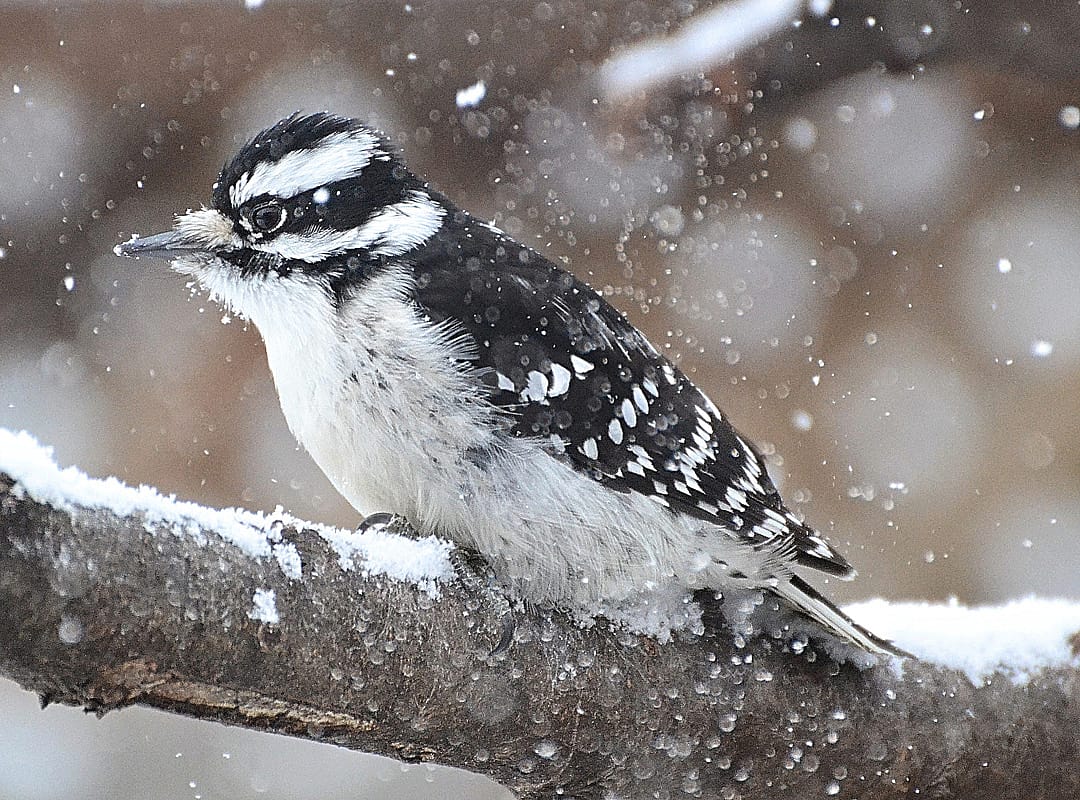
When the snow piles up and temperatures drop, you might wonder: Should you feed the birds outside? It’s a simple question with a big impact.
Your choice can mean the difference between life and death for these small creatures struggling in the cold. But is feeding them always the right thing to do? Before you reach for that birdseed, let’s explore what really happens to birds in extreme snowy weather—and how you can help in the smartest way possible.
Keep reading to discover what your actions mean for your feathered friends this winter.
Credit: centerofthewest.org
Impact Of Snow On Birds
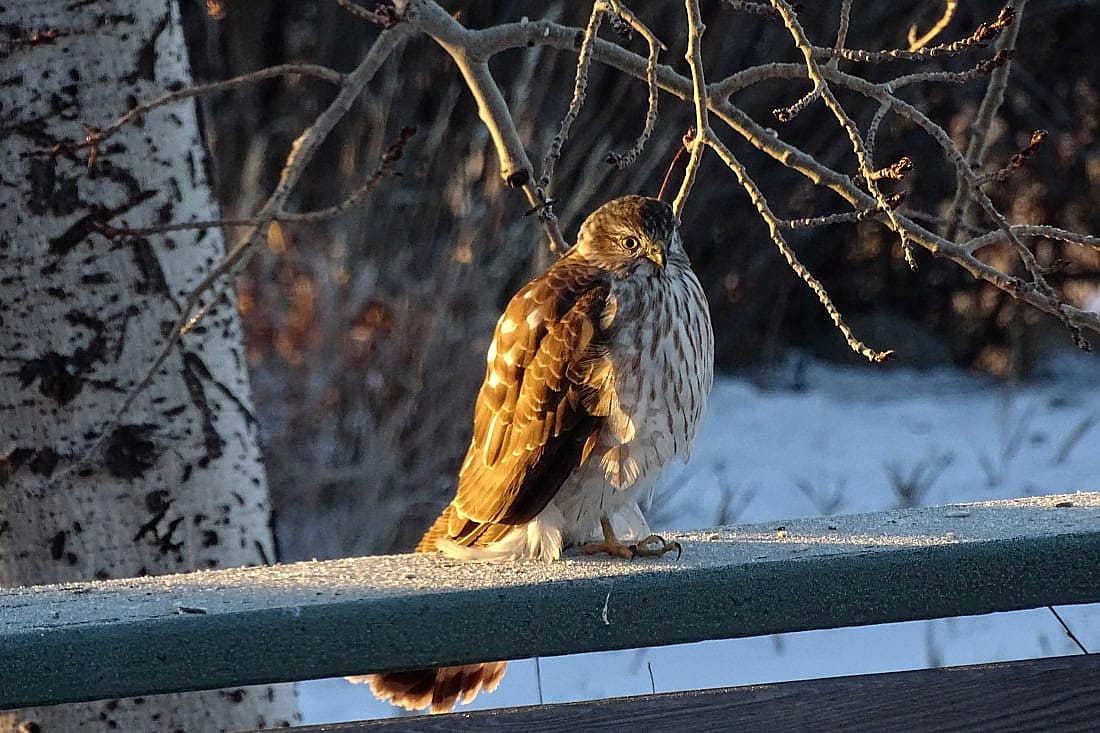
Snow changes life for birds in many ways. It covers food sources and hides safe places. Birds must find ways to survive cold and deep snow. Their daily routines and habits often shift to face these tough conditions.
Challenges Birds Face
- Food becomes hard to find under thick snow.
- Water sources freeze, limiting drinking options.
- Cold temperatures increase energy needs to stay warm.
- Snow cover reduces shelter, exposing birds to predators.
- Strong winds and storms make flying difficult and dangerous.
Changes In Bird Behavior
- Birds spend more time searching for food.
- They may visit feeders or human areas more often.
- Many birds fluff their feathers to trap heat.
- Some species flock together for warmth and safety.
- Birds reduce activity during storms to save energy.
Credit: swibirds.org
Benefits Of Feeding Birds In Snow
Feeding birds during snowy weather offers important benefits. Cold and snow limit natural food sources. Birds need extra energy to stay warm. Providing food helps them survive harsh conditions. It supports their health and keeps them active in winter.
Supporting Bird Survival
Snow covers seeds and insects birds usually eat. Food becomes scarce and hard to find. Offering seeds or suet gives birds a reliable energy source. This helps them maintain body heat. It also reduces the risk of starvation.
Bird feeders act as safe food spots. Birds can gather energy without wasting much effort. Feeding in snow can increase their chance to live through winter.
Encouraging Bird Activity
Food attracts many bird species to one area. This increases bird watching opportunities. Birds stay active and visible around feeders. They move less to find food, saving energy.
Active birds spread seeds and help nature recover after snow. Feeding supports a lively backyard ecosystem even in cold months.
Risks Of Feeding Birds During Extreme Cold
Feeding birds during extreme cold weather seems helpful. Yet, it carries certain risks. Understanding these risks helps protect birds and nature.
Dependency Concerns
Birds may rely too much on human-provided food. This dependence can reduce their natural survival skills. They might stop searching for food on their own. It can cause problems if feeders suddenly stop. Wild birds need to keep their natural habits alive.
Health And Safety Issues
Feeding birds in cold weather can spread diseases. Crowded feeding spots increase illness risk. Dirty feeders hold harmful bacteria and mold. Birds may eat unhealthy or spoiled food. Some foods are not safe for birds. Sharp seeds or salty snacks can harm them. Feeding sites can attract predators too. Protecting birds means keeping feeding areas clean and safe.
Choosing The Right Food
Feeding birds during extreme snowy weather can be a lifesaver for them, but choosing the right food is crucial. Birds need extra energy to survive the cold, so what you put out must fuel their tiny bodies effectively. Picking the wrong foods can do more harm than good, so understanding their needs helps you make the best choice.
High-energy Food Options
Birds burn a lot of calories staying warm in snowy weather. You can help by offering foods rich in fats and proteins. These give them the energy they need to keep flying and stay healthy.
- Sunflower seeds:These are packed with fat and easy for many birds to eat.
- Peanuts:Provide a protein boost but make sure they are unsalted and chopped for smaller birds.
- Suet cakes:These are excellent sources of pure fat and attract woodpeckers, chickadees, and nuthatches.
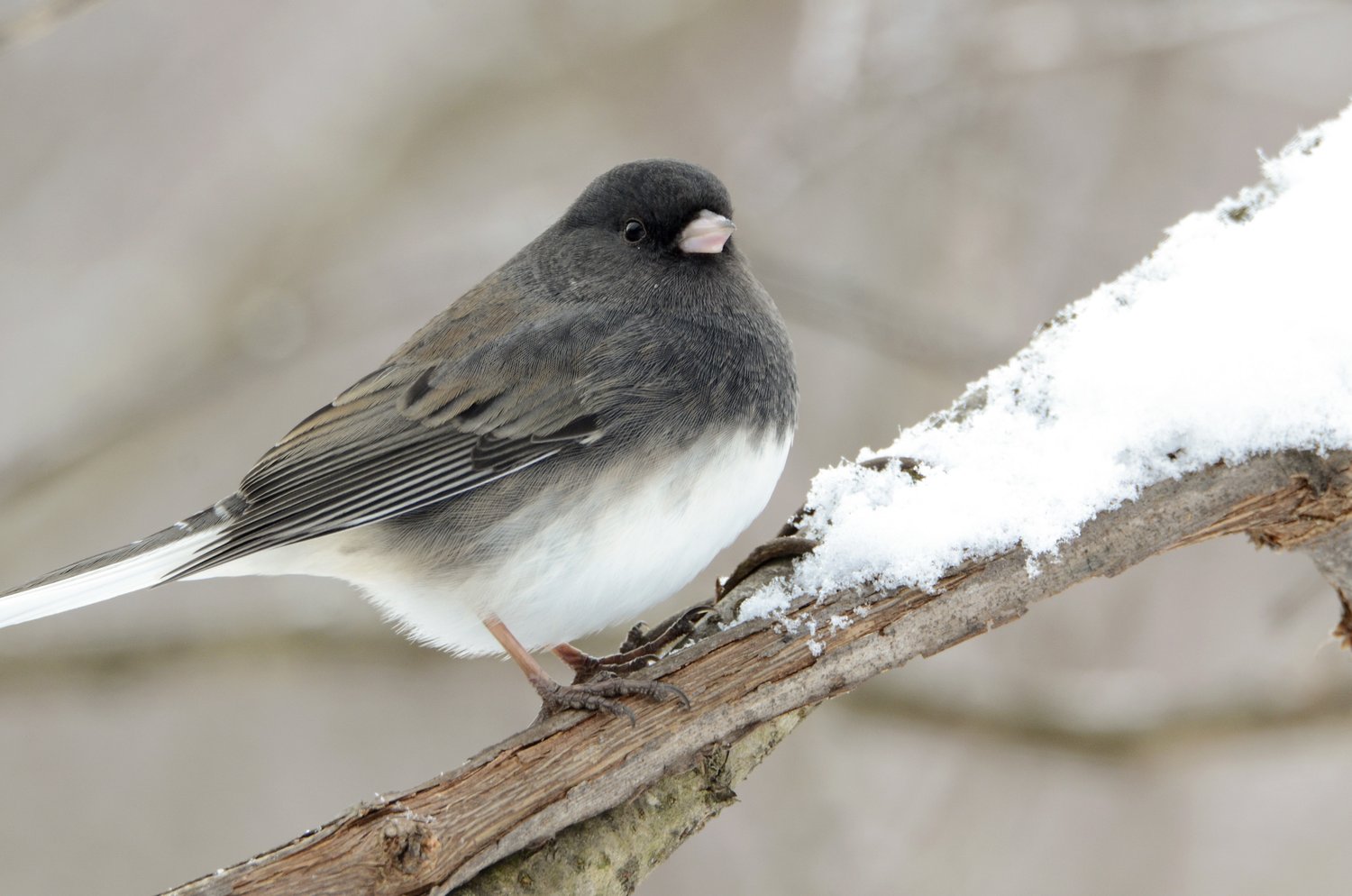
- Millet and cracked corn:Great for ground-feeders like sparrows and juncos.
Have you noticed how birds flock more eagerly to feeders when you switch to these energy-rich options? It’s a clear sign they need the extra calories to survive the cold.
Avoiding Harmful Foods
Not every food you think is good for birds actually helps them. Some common snacks can upset their digestion or even harm them over time.
- Bread and crackers:These fill birds up but offer little nutrition and can cause health problems.
- Salty or sugary foods:Avoid anything seasoned or sweetened; birds cannot process salt and sugar well.
- Moldy or stale seeds:These can contain toxins dangerous to birds.
- Unwashed fruit:Pesticides on fruit skins can be toxic if not cleaned properly.
Have you ever seen birds ignore certain foods at your feeder? That might be their way of telling you the food isn’t right for them. Paying attention to their behavior helps you adjust what you offer to keep them safe and healthy.
Best Feeding Practices
Feeding birds during extreme snowy weather can be a lifesaver for our feathered friends. However, it’s important to do it right to help, not harm, the birds. Best feeding practices focus on safety and cleanliness to create a supportive environment.
Safe Feeding Locations
Choose spots sheltered from strong winds and heavy snowfall. Near dense bushes or trees works well because birds can quickly hide if danger appears. Avoid placing feeders too close to windows to prevent bird collisions.
Think about where you often see birds gathering naturally. Setting up feeders there increases the chances they’ll find the food easily. Have you noticed birds struggling near open spaces during storms? Providing cover can make a huge difference.
Maintaining Clean Feeding Areas
Regularly clean feeders and surrounding areas to stop the spread of diseases. Old seeds and droppings can attract harmful bacteria or mold. Wiping feeders with warm soapy water once a week keeps things safe.
Remove uneaten food daily, especially in wet conditions that can cause it to rot quickly. You can scatter some fresh seeds on the ground, but clear away the leftovers to avoid pests. How often do you check your feeding spot for cleanliness?
Credit: en.engormix.com
Additional Ways To Help Birds
Helping birds during extreme snowy weather goes beyond just feeding them. Birds need safe places to rest and access to water. These supports help them survive harsh winter days and nights. Simple actions at home can make a big difference for local bird populations.
Providing Shelter
Birds lose body heat quickly in cold weather. They need shelter to stay warm and safe from wind and snow. You can:
- Set up birdhouses or roosting boxes in quiet spots.
- Leave dense shrubs or evergreens untouched for natural cover.
- Place pine boughs or straw in feeders to offer extra warmth.
These shelters protect birds from cold and predators. They give birds a place to rest and conserve energy.
Ensuring Water Access
Birds need fresh water to drink and bathe, even in freezing weather. Water helps them stay healthy and clean. To help:
- Use heated birdbaths to keep water from freezing.
- Change water daily to prevent ice buildup and contamination.
- Place water sources near feeders for easy access.
Providing water supports birds’ hydration and keeps their feathers in good shape.
Frequently Asked Questions
Should We Feed Birds During Extreme Snowy Weather?
Yes, feeding birds in extreme snow helps them survive harsh conditions. Natural food sources become scarce, so providing seeds and suet supports their energy needs.
What Foods Are Best For Birds In Snowy Conditions?
High-energy foods like sunflower seeds, suet, and peanuts are ideal. These provide essential fats and nutrients that help birds maintain body heat during cold weather.
How Often Should We Refill Bird Feeders In Winter?
Refill feeders daily or whenever food runs out. Consistent food supply is crucial because birds expend more energy to stay warm in extreme cold.
Can Feeding Birds In Snow Cause Harm?
Feeding birds correctly during snow is safe and beneficial. Avoid moldy or spoiled food and keep feeders clean to prevent disease.
Conclusion
Feeding birds in snowy weather helps them survive harsh conditions. Birds struggle to find food under heavy snow. Providing seeds or nuts can be lifesaving. It also brings joy and nature closer to your home. Keep bird feeders filled and clean to ensure their health.
Watching birds feed can be relaxing. A simple act with meaningful impact. Birds need support during extreme weather. By feeding them, you help maintain the balance of nature. Consider it a small kindness with a big difference. Their songs will thank you.