
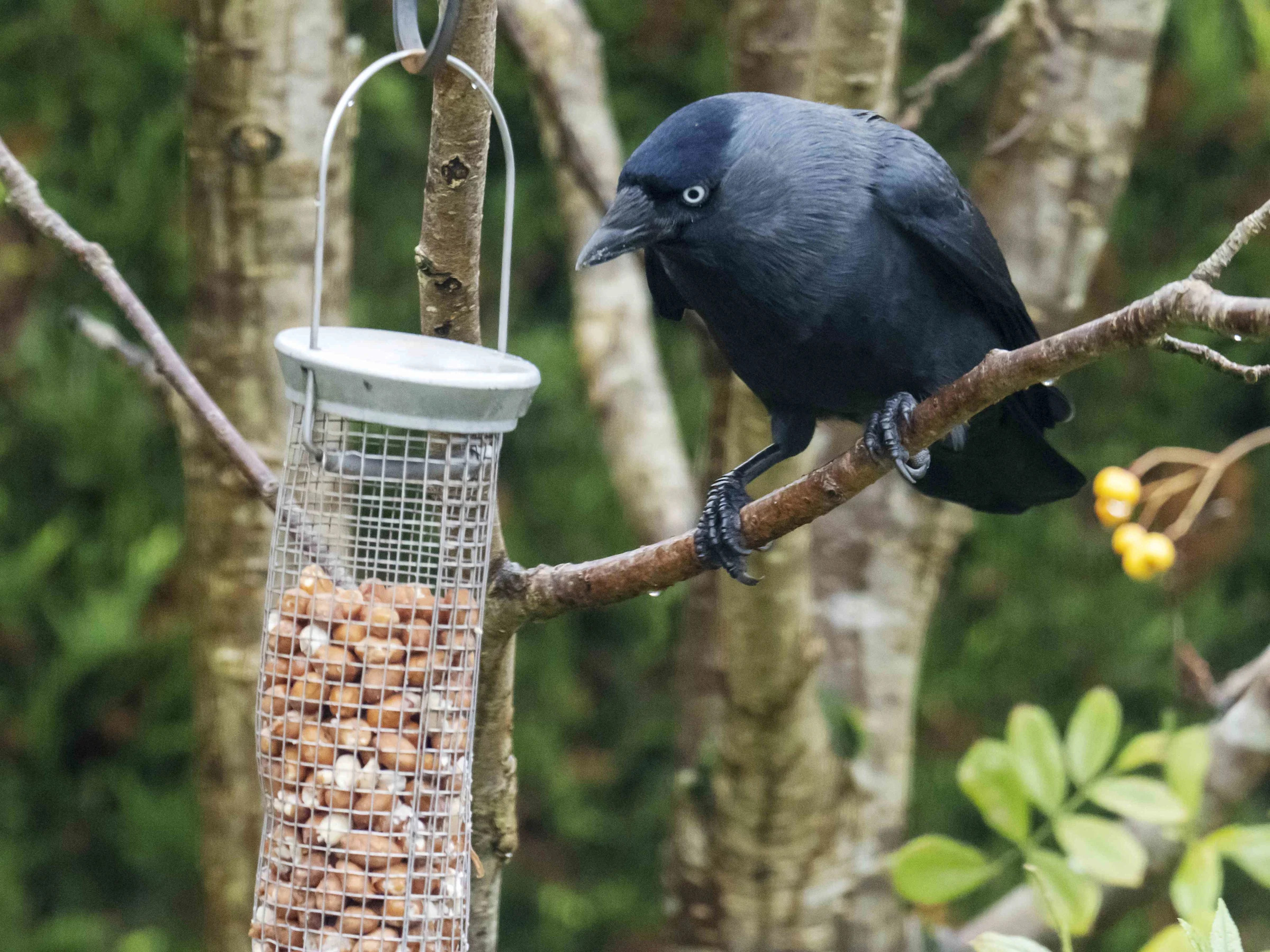
Are you tired of crows taking over your bird feeder and scaring away the smaller birds you want to attract? It can be frustrating to watch these clever birds dominate your feeder, leaving little food for your feathered friends.
But don’t worry—you’re not alone, and there are simple, effective ways to stop crows from ruining your bird feeding experience. Keep reading to discover easy tips that will help you protect your feeder and enjoy a peaceful birdwatching moment in your own backyard.
Why Crows Visit Feeders
Understanding why crows are drawn to your bird feeder is key to managing their visits. These intelligent birds have distinct feeding habits and specific attractions that lead them straight to your feeder. Knowing what pulls them in can help you design better strategies to keep your feeder for smaller birds.
Crows’ Feeding Habits
Crows are omnivores with a very flexible diet. They eat everything from seeds and nuts to insects and small animals. This adaptability means your feeder might offer more than just birdseed—they are also attracted to any leftover crumbs or food scraps.
They are highly social and often feed in groups, which makes your feeder a popular spot once one crow discovers it. Have you noticed how quickly they seem to learn and communicate about food sources? Their smart behavior means they remember where food is available and share this information with others.
Attraction To Bird Feeders
Feeders provide easy and reliable food, which is very appealing to crows. They are especially drawn to feeders that offer large seeds like sunflower seeds or peanuts. The presence of other birds can also signal a safe and bountiful feeding spot to them.
Bright colors and shiny feeder parts sometimes catch their eye, making them curious visitors. If your feeder is placed in an open area, crows can spot it from a distance and plan their visit ahead. Have you thought about moving your feeder to a less visible location or using feeders designed for smaller birds only?
Credit: dengarden.com
Choose Crow-resistant Feeders
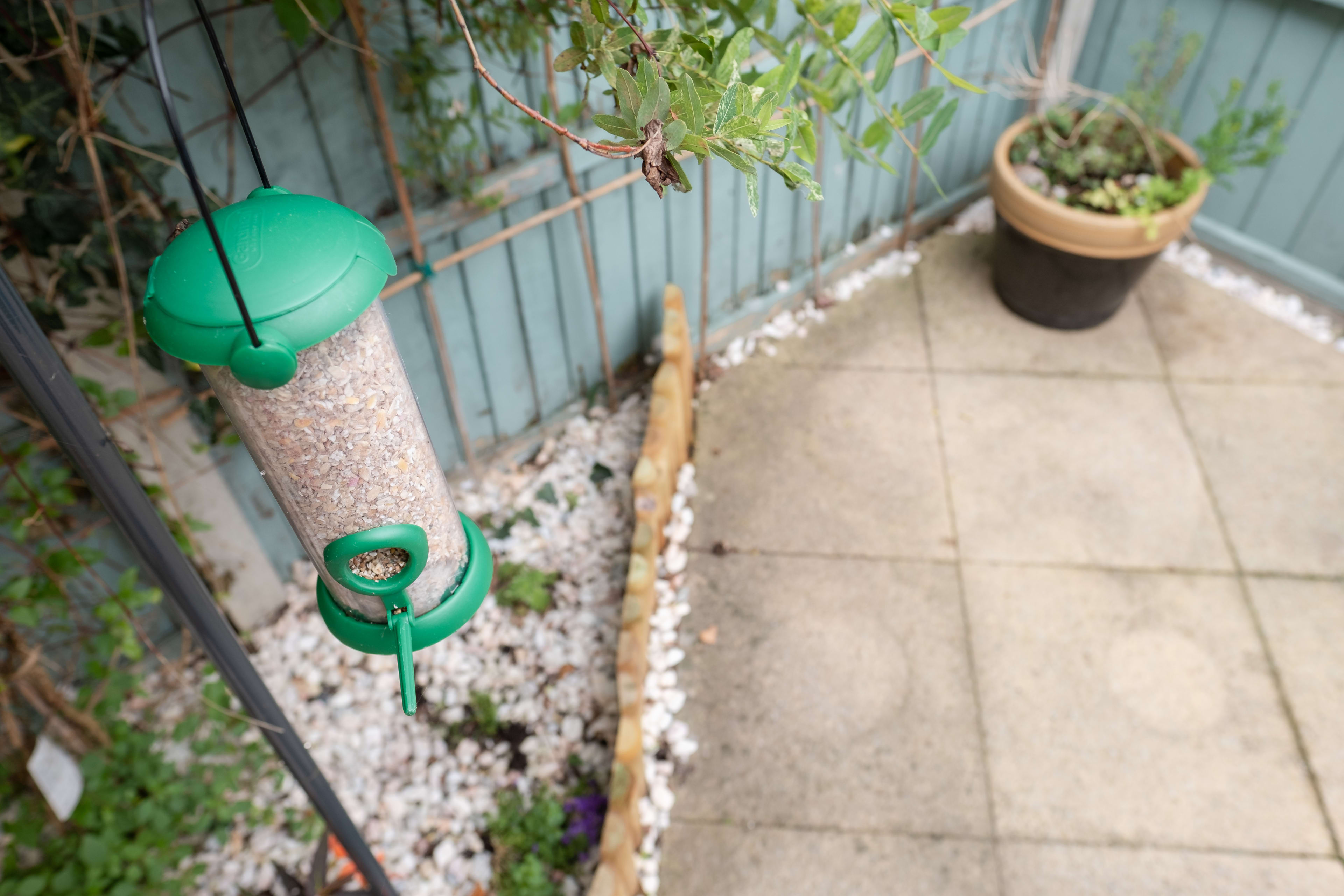
Choosing the right bird feeder can help keep crows away. Crow-resistant feeders make it harder for crows to reach the food. These feeders also protect smaller birds from being bullied. Picking feeders with specific designs and materials can reduce crow visits. This section explains what types and styles work best.
Types Of Feeders That Deter Crows
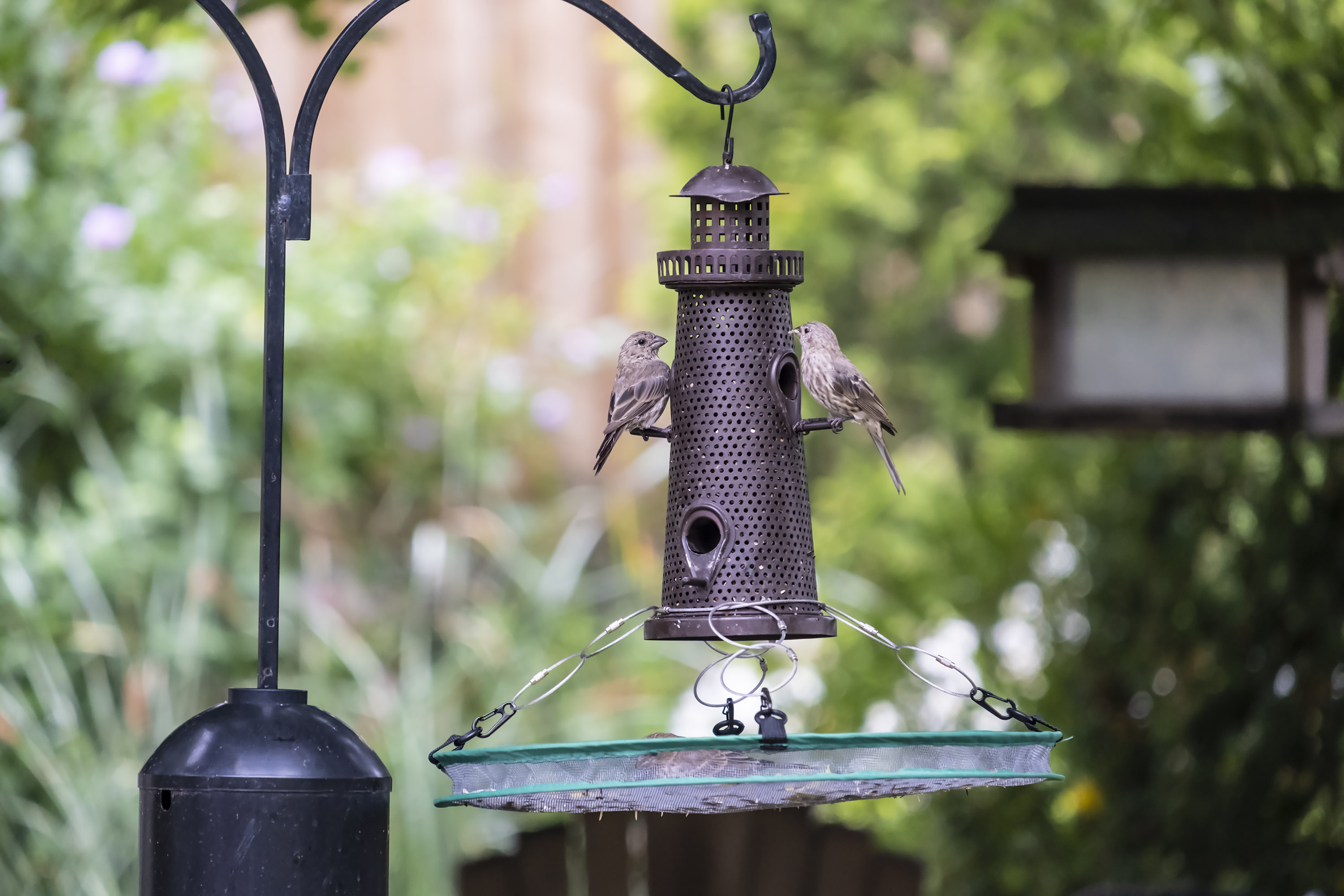
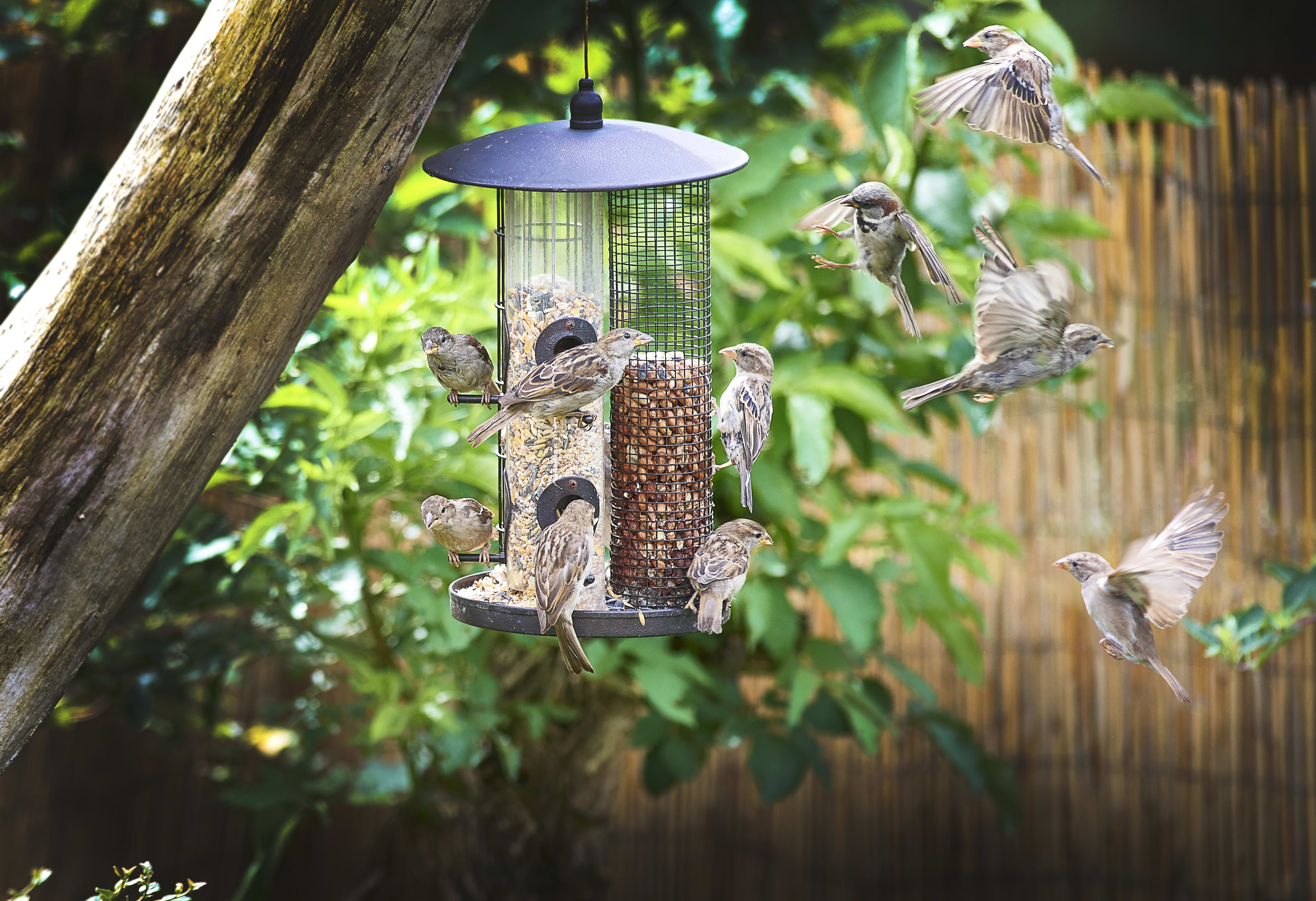
Crows are large and smart birds. They need bigger spaces to land and feed. Feeders with small openings or weight-sensitive perches can stop crows from feeding. Tube feeders with tiny holes are great for small birds only. Hopper feeders with narrow access points limit crow access. Platform feeders are easy for crows to visit, so avoid those.
- Tube feeders with small feeding ports
- Weight-sensitive feeders that close under heavy weight
- Hopper feeders with restricted openings
- Feeders with built-in cages around the food
Materials And Designs To Consider
Metal feeders are strong and can resist crow damage. Plastic feeders might break or be chewed by crows. Wire cages around feeders create a barrier. They allow small birds inside but block crows. Hanging feeders with smooth surfaces make it hard for crows to perch. Avoid flat or wide surfaces where crows can comfortably land.
| Material | Benefit |
|---|---|
| Metal | Durable, crow-resistant, easy to clean |
| Plastic | Lightweight, less durable, less crow-proof |
| Wire cage | Blocks large birds, protects small birds |
| Wood | Natural look, can be chewed by crows |
Modify Feeding Practices
Changing how you feed birds can make a big difference in keeping crows away from your feeder. Crows are smart and will come back if food is easy to find all day. Adjusting your feeding habits helps control when and how much food is available, making your feeder less attractive to these clever birds.
Feed At Specific Times
Try to feed your birds only during certain hours, like early morning or late afternoon. This limits the time crows have access to your feeder. You might find that crows visit less often if food isn’t available all day.
Have you noticed crows hanging around your feeder all day? Feeding at set times can teach them there’s no constant food supply. It’s a simple change that can have a big impact.
Limit Food Quantity
Put out smaller amounts of food at once to avoid leftovers. Crows are drawn to spilled seeds and wasted food on the ground. By limiting quantity, you reduce the chance of attracting these birds.
Only fill your feeder enough for a short period, then refill later if needed. This keeps your feeding area cleaner and less appealing to crows. It’s a practical step that many bird lovers overlook but works well.
Use Crow-unfriendly Seeds
Choose seeds that crows don’t like, such as safflower or nyjer seed. These options attract smaller birds but are usually ignored by crows. This simple seed swap can make your feeder less welcoming to unwanted guests.
Have you tried safflower seed before? Many bird watchers report fewer crows after switching. It’s an easy way to protect your feeder without harming any birds.
Credit: dengarden.com
Use Visual Deterrents
Visual deterrents can keep crows away from your bird feeder. Crows dislike sudden movements and bright reflections. Using visual tools creates an uncomfortable space for them. These methods make crows feel unsafe and less likely to visit.
Reflective Objects
Shiny, moving objects catch crows’ attention. They see bright flashes and get scared. Hang items like:
- Old CDs
- Aluminum foil strips
- Reflective tape
- Mirrors
Place these near your feeder. They move with the wind and reflect sunlight. The constant light changes keep crows at a distance. Check often to keep them clean and shiny.
Decoys And Scare Devices
Fake predators trick crows into thinking danger is near. Use decoys such as:
- Plastic owls
- Fake hawks
- Scare-eye balloons
Move decoys occasionally to keep them realistic. Crows may get used to still objects. Adding noise devices, like wind chimes, can increase the effect. Change the setup to maintain crow fear.
Employ Sound Deterrents
Employing sound deterrents can be an effective way to discourage crows from invading your bird feeder. These auditory tools create an environment that crows find unpleasant or confusing, encouraging them to find a quieter spot. Using sound as a deterrent allows you to protect your feeder without harming the birds or disturbing other wildlife.
Noise Makers
Noise makers produce sudden, sharp sounds that scare crows away. Devices like wind chimes, bells, or even motion-activated alarms can startle crows when they approach your feeder. I’ve found that placing a small bell near my feeder helped reduce crow visits because the ringing surprised them without bothering smaller birds.
Try different noise makers to see what works best for your area. Some people use clappers or noisy garden stakes that rattle in the wind. Remember, crows are smart and may get used to repetitive sounds, so changing or moving noise makers regularly keeps the effect strong.
Ultrasonic Devices
Ultrasonic devices emit sounds at frequencies that humans can’t hear but birds can. These sounds can be irritating to crows, encouraging them to stay away from your feeder. I once used an ultrasonic repellent and noticed fewer crows within days, although it didn’t affect smaller birds visiting the feeder.
Before buying one, check if the device targets crows specifically, as some ultrasonic devices affect a broad range of animals. Also, place the device close to your feeder for maximum impact. Keep in mind that effectiveness varies, so combining ultrasonic devices with other deterrents might give you better results.
Credit: dengarden.com
Physical Barriers And Placement
Stopping crows from dominating your bird feeder often means making it harder for them to get to the food. Physical barriers and smart placement can be surprisingly effective. These tactics don’t just keep crows away—they encourage smaller, friendlier birds to visit your feeder peacefully.
Netting And Covers
Adding netting around your feeder creates a physical wall that crows can’t easily get through. Choose a mesh size small enough to block crows but large enough for smaller birds to access the seeds.
Another option is using feeder covers or domes made from metal or sturdy plastic. These covers act like shields, preventing crows from perching or reaching the food. I once added a metal dome to my feeder, and within days, the crow visits dropped dramatically.
Make sure the netting or cover doesn’t trap smaller birds or block their access. Regularly check for damage or gaps that crows might exploit to sneak in.
Strategic Feeder Location
Where you place your feeder matters. Crows prefer open spaces where they can spot danger early and take off quickly. Placing your feeder near tall trees or shrubs can limit their landing spots.
Try positioning feeders closer to dense bushes or branches. Smaller birds feel safer darting in and out of cover, while crows avoid areas that restrict their flight paths. Have you noticed how crows avoid feeders tucked away in tight spots?
Keep feeders away from wide-open areas or flat rooftops where crows can easily perch and dominate. Experiment with different locations until you find one that discourages crows but invites smaller birds.
Maintain Yard Cleanliness
Keeping your yard clean is a key step to discourage crows from visiting your bird feeder. Crows are intelligent and opportunistic birds that will take advantage of easy food sources. When your yard is tidy, these birds find fewer reasons to hang around.
Remove Food Sources
Leftover pet food, fallen fruits, and spilled birdseed invite crows to your yard. Regularly check for and clean up any dropped seeds or scraps under feeders. This simple action can make a big difference in reducing crow visits.
Think about how often you see crows near your trash bins or compost piles. Are there crumbs or food remnants you might have missed? Being vigilant about removing all accessible food can cut off their easy meals.
Manage Garbage And Compost
Open garbage cans and uncovered compost piles are like an all-you-can-eat buffet for crows. Use bins with tight-fitting lids to keep these birds out. If you compost, choose enclosed composters and turn the pile regularly to minimize smells.
Have you noticed crows scavenging through your trash? Secure your garbage to prevent them from making a mess and coming back repeatedly. Managing waste properly not only keeps crows away but also maintains a cleaner, healthier yard for you and your family.
Legal And Ethical Considerations
Controlling crows at your bird feeder involves more than just practical steps. It requires respect for laws and the natural world. Understanding legal and ethical limits ensures actions protect both your property and wildlife.
Protecting Wildlife
Crows are intelligent birds with important roles in nature. Avoid harming them or disrupting their habits. Use gentle deterrents like visual scares or noise devices that do not injure birds. Feeding stations should remain safe and clean for all wildlife.
Respect the balance of your local ecosystem. Interfering too much can harm other animals. Choose humane methods that allow crows to move away without stress or injury.
Local Regulations On Bird Control
Many places have laws protecting crows and other birds. These laws prevent poisoning, trapping, or killing without permits. Check local rules before using any control method.
Some areas require permits for scare devices or exclusion tools. Ignoring these rules can lead to fines or legal trouble. Contact local wildlife agencies for advice on approved measures.
Frequently Asked Questions
How Can I Keep Crows Away From My Bird Feeder?
Use feeders designed for smaller birds to limit crow access. Place feeders in open areas where crows feel exposed. Adding baffles or cages can physically block crows. Regularly clean and remove spilled seeds to reduce attraction.
What Bird Feeder Types Deter Crows Effectively?
Tube feeders with small perches restrict large birds like crows. Hopper feeders with weight-sensitive ports close under heavy pressure. Avoid platform feeders, as crows find them easy to land on.
Does Using Scare Tactics Help Stop Crows At Feeders?
Yes, visual deterrents like shiny objects or predator decoys can scare crows away. Move them frequently to prevent habituation. Combine scare tactics with feeder modifications for best results.
How Important Is Feeder Placement To Prevent Crow Visits?
Placement is key; keep feeders in open spaces away from tall trees. Crows prefer areas with cover for quick escape. Raising feeders on poles with baffles reduces crow access.
Conclusion
Stopping crows from invading your bird feeder takes some effort. Try using feeders with smaller openings. Hang feeders on thin, swaying branches. Crows dislike unstable perches. Provide alternative food sources for crows away from your feeder. This keeps them busy.
Use decoys or reflective objects to scare them off. Consistency is key. Stay patient and adjust your strategies as needed. By applying these methods, your smaller feathered friends can enjoy their meal undisturbed. Enjoy watching them thrive and flourish!