
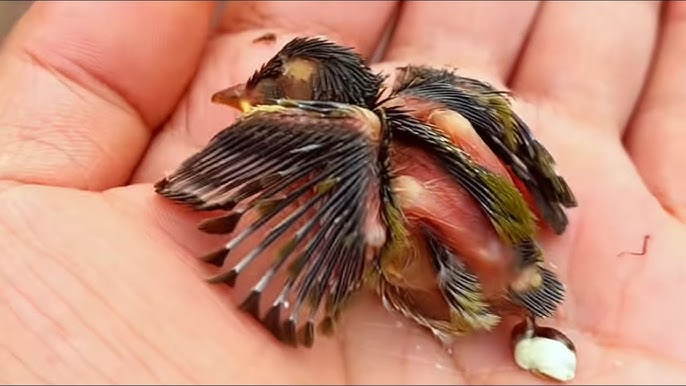
Finding a baby bird can be both exciting and overwhelming. You want to help, but you might wonder, “What should I feed it?” Giving the wrong food can harm the little bird, even if your intentions are good.
In this guide, you’ll discover simple, safe ways to nourish the baby bird you found. By the end, you’ll feel confident about what to do next, ensuring your tiny friend has the best chance to grow strong and healthy. Keep reading—your quick actions could save a life.
Identifying Baby Bird Needs
Finding a baby bird can be both exciting and concerning. Knowing what it needs helps you provide proper care. The first step is to identify the bird’s age and species. This knowledge guides feeding and handling. Checking for signs of distress or injury shows if the bird needs urgent help.
Determining Age And Species
Age affects what the bird can eat and how you feed it. Nestlings have closed eyes and little to no feathers. Fledglings have open eyes and some feathers. Adult birds look fully feathered and alert.
Species also matters. Different birds eat different foods. Songbirds eat insects and fruits. Seed-eaters need grains and seeds. Knowing the species helps you choose the right diet and care.
Signs Of Distress Or Injury
Look closely for signs of injury or illness. Limping, bleeding, or visible wounds need immediate help. Weakness or unresponsiveness means the bird is in trouble.
- Check if the bird breathes normally
- Watch for unusual droppings or swelling
- Observe if the bird cries loudly or remains silent
Injured birds require professional care. Safe handling and quick action improve chances of recovery.
Immediate Care Steps
Finding a baby bird can be both exciting and overwhelming. You want to help immediately, but the wrong actions can cause more harm than good. The first moments after finding a baby bird are critical, and your goal is to stabilize its condition until professional help arrives.
Keeping The Bird Warm
Newborn birds cannot regulate their body temperature. You need to keep the bird warm to prevent shock and hypothermia. Use a soft cloth or paper towel to gently wrap the bird.
Place a heating source nearby, such as a warm water bottle wrapped in a towel or a heating pad set on low. Avoid direct heat contact to prevent burns. You can also use a small box lined with soft fabric as a cozy nest.
Have you considered how quickly a bird’s small body can lose heat? Even a slight chill can be dangerous. Your prompt action in warming it can make a life-saving difference.
Creating A Safe Temporary Habitat
Safety and comfort are key when creating a temporary home for the bird. A small, ventilated box or container works well. Line it with soft, dry materials like cloth or paper towels for cushioning.
Keep the habitat away from loud noises, pets, and direct sunlight. This reduces stress and keeps the bird calm. Make sure the container has enough airflow but no gaps where the bird could escape or get injured.
Have you thought about how a quiet environment can affect a baby bird’s recovery? Stress can slow healing and reduce chances of survival. Your attention to a calm space is just as important as feeding or warmth.
Feeding Basics
Feeding a baby bird you find can feel overwhelming, but knowing the basics helps you act confidently. Baby birds have specific nutritional needs that are crucial for their growth and survival. Understanding what to feed, what to avoid, and how to keep them hydrated can make a big difference in their chances of thriving.
What Baby Birds Eat
Baby birds mostly eat protein-rich foods. Insects like mealworms, crickets, and small caterpillars are ideal because they provide essential nutrients. If you can’t find live insects, finely chopped boiled eggs or soaked dog kibble can work as temporary substitutes.
Different species may have different diets, so try to identify the bird if possible. For example, songbird babies generally need insects, while some fruit-eating birds need soft fruits like mashed berries. Pay attention to the bird’s natural diet to avoid feeding mistakes.
Foods To Avoid
Avoid giving baby birds bread, milk, or seeds like sunflower seeds. Bread lacks the nutrients they need and can cause digestive problems. Milk is not suitable because birds cannot digest lactose properly, which may lead to serious health issues.
Also, skip anything salty, sugary, or processed. These can harm the baby bird’s delicate system. If you’re unsure, stick to natural, whole foods that mimic their natural diet.
Hydration Tips
Hydration is often overlooked but is just as important as feeding. Baby birds usually get water from their food, especially if you feed moist items like soaked kibble or insects. However, if the bird seems dehydrated, you can offer water carefully using a small dropper or an eye dropper.
Never force water into the bird’s beak as this can cause choking or aspiration. Instead, place a few drops near the beak and let the bird drink at its own pace. Watching closely for signs of dehydration, like lethargy or wrinkled skin, helps you know when extra hydration is needed.
Credit: www.petsradar.com
Preparing Food
Preparing food for a baby bird needs care and attention. The bird’s diet must be soft and nutritious. Young birds have delicate digestive systems. The food should be easy to swallow and full of energy. Proper preparation helps the bird grow strong and healthy.
Homemade Feeding Mixtures
Homemade mixtures give control over ingredients. Use easy-to-digest foods like boiled eggs and cooked rice. Mix these with water or baby formula until smooth. Avoid adding salt or spices. The consistency should be like thick porridge.
- Boiled egg yolk mashed finely
- Cooked white rice or oatmeal
- Warm water or unsweetened baby formula
- Small amounts of mashed fruits like banana
Prepare small batches to keep food fresh. Always serve at room temperature. Never feed cold or hot mixtures to the bird.
Using Commercial Bird Foods
Commercial bird foods offer balanced nutrition. Choose products made for baby birds or hand-feeding. These foods are easy to prepare and safe. Follow package instructions carefully. Mix with warm water to get the right texture.
- Hand-feeding formula powder for baby birds
- Soft pellets designed for young birds
- Pre-mixed liquid formulas
Check expiration dates before use. Store in a cool, dry place. Using commercial foods can save time and ensure proper nutrition.
Feeding Techniques
Feeding a baby bird you find requires more than just offering food; it demands careful attention to how often, how much, and the safest way to feed. The techniques you use can directly impact the bird’s health and chances of survival. Let’s look into practical feeding methods that help you care for these fragile creatures effectively.
Frequency And Amount
Baby birds need to eat often because their small bodies burn energy quickly. Generally, feeding every 20 to 30 minutes during daylight hours works well for very young birds. As they grow, you can gradually reduce feeding sessions to every hour or two.
Determining the right amount is crucial—too little leaves them hungry, too much can cause choking. A good rule is to feed until the bird’s crop (a small pouch in its throat) looks full but not overly stretched. Watch for signs like slow eating or refusal, which means they’ve had enough.
Proper Feeding Tools
Using the right tools makes feeding safer and easier for you and the bird. A small, pointed syringe or an eyedropper works well for tiny birds, allowing you to control the amount of food given gently. Avoid using spoons or forks, which can injure their delicate beaks.
In my experience, a clean, soft paintbrush can also help when feeding insects or soft foods. Always sterilize tools before each feeding to prevent infections. What tools do you have on hand that might serve this gentle purpose?
Feeding Position And Safety
Positioning the bird correctly during feeding is essential to prevent choking and aspiration. Hold the baby bird upright or slightly tilted forward, never flat on its back. This mimics the natural feeding posture and helps food go down the right way.
Keep the bird calm and steady by wrapping it gently in a soft cloth or towel. This prevents sudden movements that might cause injury. Remember, your goal is to make feeding a stress-free experience for both you and the bird—how can you create a calm environment before feeding?
Credit: www.petsradar.com
When To Seek Professional Help
Knowing when to seek professional help is crucial for a baby bird’s survival. Some situations go beyond basic care and require expert attention. Acting quickly can save the bird’s life and ensure it grows healthy.
Signs that professional help is needed include visible injuries, weakness, or if the bird is cold and unresponsive. If the bird’s parents are absent for a long time, experts can decide the best action. Professionals have the right tools and knowledge to care properly.
Contacting Wildlife Rehabilitators
Wildlife rehabilitators specialize in caring for injured or orphaned birds. They provide proper feeding, warmth, and medical attention. Contact them as soon as possible if the bird looks hurt or sick. Many rehabilitators offer advice over the phone too.
Find local wildlife centers or animal rescue groups online or through community resources. These experts understand local laws and bird species. They ensure the bird gets the best chance to return to the wild.
Legal Considerations
Some birds are protected by law and cannot be kept without permission. Handling certain species without a license may lead to fines or penalties. Wildlife rehabilitators usually have the proper permits to care for these birds.
Releasing a bird too early or keeping it illegally can harm the bird or break the law. Always check local regulations before taking any action. Let professionals guide you to stay safe and protect the bird’s future.
Long-term Care And Release
Providing long-term care for a baby bird is crucial for its survival and future freedom. Proper care helps the bird grow strong and healthy, preparing it for life in the wild. The goal is to nurture the bird until it can thrive on its own outside your care.
Monitoring Growth And Health
Track the baby bird’s weight and size regularly. Use a small scale to check weight every few days. Look for steady growth and alertness. Healthy birds have bright eyes and smooth feathers.
Watch for signs of illness like lethargy, puffed feathers, or loss of appetite. Keep the bird’s living area clean and warm. Provide fresh food and water daily. Consult a wildlife expert if health problems arise.
Preparing For Release
Introduce the bird to natural foods similar to those it will find outside. Offer live insects or seeds depending on the species. Practice feeding itself to build confidence.
Give the bird space to exercise its wings daily. Create a safe outdoor enclosure for short periods. This helps the bird adjust to outdoor conditions gradually.
Release the bird near where it was found. Choose a quiet spot with plenty of trees and food. Release during daylight hours when the weather is calm.

Credit: tracyaviary.org
Frequently Asked Questions
What Should I Feed A Baby Bird I Found?
Feed a baby bird soft, protein-rich foods like soaked dog kibble, boiled eggs, or mealworms. Avoid milk and bread. Use tweezers or a small spoon to feed carefully.
Can I Give Milk To A Baby Bird?
No, avoid giving milk to baby birds. Birds cannot digest lactose, which can cause digestive issues. Stick to water or species-appropriate fluids.
How Often Do Baby Birds Need Feeding?
Baby birds typically need feeding every 15-20 minutes from dawn to dusk. Frequent feeding is crucial for their growth and survival.
Is It Safe To Feed Bread To Baby Birds?
No, bread lacks nutrients and can harm baby birds. It may cause malnutrition or digestive problems. Always choose nutrient-rich alternatives.
Conclusion
Feeding a baby bird requires care and understanding. Always research the bird’s species. Each bird may need different food. Seek advice from a wildlife expert if unsure. Avoid giving bread or milk. These can harm the bird. Provide clean water in a shallow dish.
Monitor the bird’s health and growth. If it seems unwell, contact a vet promptly. Remember, helping a baby bird is rewarding. Yet, it needs responsibility and patience. By following proper steps, you ensure the bird’s best chance of survival. Your efforts truly make a difference.