
Finding a baby bird on the ground can make you want to help right away. But you might wonder, “What can I use to feed a fledgling bird?” Feeding a young bird is tricky because their needs are very specific.
Giving the wrong food can do more harm than good. You’ll discover simple, safe options to nourish a fledgling and give it the best chance to grow strong. Keep reading to learn exactly what you should use—and what you should avoid—when feeding a tiny feathered friend.
Credit: www.petsradar.com
Fledgling Bird Needs
Understanding what a fledgling bird needs is key to helping it grow strong and healthy. These young birds are at a critical stage where their diet and care directly influence their survival and development. Knowing the right balance of nutrients, how often to feed, and how to keep them hydrated can make all the difference.
Nutritional Requirements
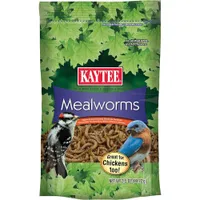
Fledgling birds need a diet rich in protein to support rapid growth and feather development. High-protein foods like soft insects, mealworms, and finely chopped cooked eggs work well. Avoid foods high in fat or sugar, as they can harm their development.
Calcium is also essential for strong bones. You can provide crushed eggshells or a small amount of calcium powder mixed into their food. Vitamins and minerals from fresh fruits and vegetables add extra support, but make sure these are offered in small, manageable pieces.
Feeding Frequency
Young fledglings require frequent feeding throughout the day due to their fast metabolism. Feeding every 20 to 30 minutes during daylight hours mimics how their parents would care for them. As they grow, you can gradually reduce the frequency to every few hours.
Overfeeding can cause health issues, so watch for signs of fullness like a closed beak or refusal to eat. Consistency is key—try to feed at regular intervals to establish a routine that helps the bird feel secure.
Hydration Tips
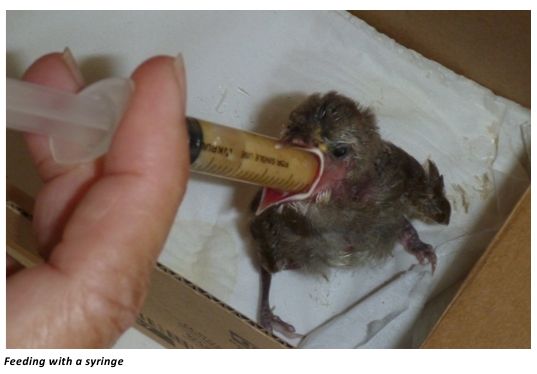
Hydration is just as important as food. Unlike adult birds, fledglings may not know how to drink from a water source, so you might need to provide fluids carefully. Use a dropper or syringe to offer small drops of water to avoid choking.
Moist foods like soaked mealworms or fruit can help increase their water intake naturally. Keep an eye on their activity level and feather condition, as dehydration often shows through lethargy and dull feathers.
Safe Food Options
Feeding a fledgling bird requires careful attention to safe and nutritious food options. Choosing the right diet helps support their rapid growth and development. It’s important to avoid harmful foods while providing a balanced mix that mimics what they’d find in nature.
Insects And Protein Sources
Fledgling birds thrive on protein-rich foods, especially insects. Mealworms, crickets, and small caterpillars are excellent choices that provide essential nutrients. If you’ve ever observed a baby bird in the wild, you’ll notice how often parent birds feed them bugs—this natural diet fuels their energy and muscle growth.
You can also offer finely chopped boiled eggs or small bits of cooked chicken as additional protein sources. Avoid seasoning or adding salt to these foods, as fledglings have sensitive digestive systems. Have you tried offering live insects? Some birds respond well, as it encourages natural feeding behaviors.
Fruits And Vegetables
While protein is critical, fruits and vegetables add vitamins and hydration. Soft fruits like mashed bananas, berries, and cooked peas make great choices. These are easy to digest and provide antioxidants that help fledglings build a strong immune system.
Avoid citrus fruits and anything too acidic, as they can upset young birds’ stomachs. Vegetables should be cooked until soft and finely chopped to prevent choking. Have you noticed how fledglings eagerly peck at bright, colorful foods? That’s a good indicator they enjoy these options.
Commercial Bird Foods
High-quality commercial bird foods designed for baby birds are convenient and nutritionally balanced. Look for products labeled for fledglings or hand-feeding formulas. These often contain a mix of proteins, vitamins, and minerals tailored to young birds’ needs.
Using commercial foods can save you time, but always check ingredient lists for fillers or artificial additives. Mixing commercial food with natural options can provide variety and appeal. Have you found a brand that your bird prefers? It’s worth experimenting to find the best fit.
Foods To Avoid
Feeding a fledgling bird requires careful attention to what you offer. Some foods can harm young birds or cause serious health issues. Knowing which items to avoid keeps fledglings safe and helps them grow strong.
Toxic Items
Many common foods are poisonous to fledglings. Avoid these to prevent illness or death:
- Chocolate
- Avocado
- Caffeine
- Onions and garlic
- Alcohol
- Raw beans
Even small amounts can be dangerous. Keep these far from young birds.
Improper Textures
Fledglings need soft, easy-to-swallow foods. Hard or dry items can cause choking or digestive problems.
- Seeds that are too large
- Hard nuts
- Crusty bread
- Dry pellets
Always moisten food or mash it to a smooth texture before feeding.
Harmful Human Foods
Some human foods may seem safe but can harm fledglings. Avoid processed or salty foods like:
- Chips and crackers
- Processed meats
- Salty snacks
- Sweets and candies
These items can upset a fledgling’s stomach and cause dehydration.
Feeding Techniques
Feeding a fledgling bird requires patience and gentle care. Proper feeding techniques ensure the bird gets enough nutrition to grow strong. Handling the bird safely and using the right tools can make feeding easier and less stressful. A consistent feeding schedule helps the fledgling develop healthy habits and stay well nourished. Below are key techniques to feed a fledgling bird effectively.
Hand-feeding Methods
Hand-feeding a fledgling means offering food directly using your fingers or a small container. Use soft, small pieces of food that fit easily in the bird’s mouth. Gently place the food near the bird’s beak and wait for it to open wide. Avoid forcing the food to prevent choking or injury. Keep your hand steady and calm to build trust with the bird.
Using Feeding Tools
Feeding tools help deliver food safely and cleanly. Common tools include small spoons, eyedroppers, or soft brushes. Eyedroppers work well for liquid or semi-liquid food like formula or mashed fruits. Soft brushes or tweezers can help place food into the bird’s mouth without harming it. Clean all tools thoroughly before each use to avoid infections.
Creating A Feeding Schedule
A feeding schedule keeps the fledgling’s diet regular and balanced. Young birds often need feeding every two to three hours during daylight. Gradually increase the time between feedings as the bird grows. Keep track of feeding times using a simple chart like this:
| Time | Food Type | Notes |
|---|---|---|
| 6:00 AM | Soft mashed insects | High protein |
| 9:00 AM | Formula mix | Hydrating |
| 12:00 PM | Soft fruits | Vitamins |
| 3:00 PM | Insects or worms | Energy boost |
| 6:00 PM | Formula mix | Hydrating |
Adjust the schedule based on the bird’s age and appetite. Watch for signs of fullness or hunger to guide feeding times.
When To Seek Help
Knowing when to seek help for a fledgling bird is crucial. Sometimes, despite your best efforts, the little bird may need expert care to survive and thrive. Understanding the signs that indicate distress and knowing who to contact can make all the difference in giving the bird a second chance.
Signs Of Distress
Watch closely for unusual behavior or physical issues. If the bird appears weak, lethargic, or is not responding to feeding attempts, these are red flags. Visible injuries, difficulty breathing, or a dirty, matted appearance can also signal serious problems.
Have you noticed the bird staying in one spot without moving or calling out? That could mean it’s struggling to survive on its own. Don’t wait too long to act if you see these signs; time is often critical.
Contacting Wildlife Experts
Once you identify distress, reaching out to professionals is your next step. Local wildlife rehabilitators, bird rescue centers, or veterinarians experienced with wild birds are your best options. They have the knowledge and resources to provide proper care and treatment.
Keep a list of contacts handy before you encounter a situation. In my experience, quick communication with a local wildlife center saved a fledgling that I found near my home. They guided me on how to safely transport the bird and what to expect next.
Rehabilitation Resources
Wildlife rehabilitation centers offer specialized environments where fledglings can recover and learn survival skills. These centers often provide hand-feeding, medical care, and gradual reintroduction to the wild. They also have permits required by law to care for protected species.
If you’re unsure where to find these resources, websites like the National Wildlife Rehabilitators Association or local animal control offices can point you in the right direction. Have you ever wondered how many birds actually make it back to the wild after rehab? Getting experts involved increases those chances significantly.
Credit: besgroup.org

Credit: www.ivelvalleybirdfood.co.uk
Frequently Asked Questions
What Can I Feed A Baby Bird Safely?
You can feed fledgling birds a mix of soaked dog food, mealworms, or finely chopped fruits. Avoid milk and bread, as they harm birds. Always provide water and feed small amounts frequently to mimic natural feeding patterns.
How Often Should I Feed A Fledgling Bird?
Feed fledgling birds every 20 to 30 minutes from dawn to dusk. Young birds need frequent feeding for proper growth. Avoid overfeeding and ensure the food is fresh and appropriate for their species.
Can I Use Human Food To Feed A Fledgling Bird?
Only certain human foods like boiled eggs, finely chopped fruits, or cooked rice are safe. Avoid salt, sugar, or processed foods. Always prioritize natural insects or specially formulated bird food to ensure balanced nutrition.
Should I Give Water To A Fledgling Bird?
Yes, fledgling birds need water but rarely drink directly. Moist foods provide hydration, and you can offer water using a dropper carefully. Avoid force-feeding water to prevent choking or aspiration.
Conclusion
Feeding a fledgling bird requires care and the right food choices. Offer soaked dog or cat kibble for easy digestion. You can also use baby bird formula available at pet stores. Avoid giving milk or bread as they can harm the bird.
Always ensure the food is fresh and at room temperature. Watch closely for signs of distress or rejection. Feeding a young bird is a big responsibility. Remember, consulting a wildlife expert can provide the best advice. Protecting young birds helps our ecosystem thrive.
Your efforts can make a difference.