
Finding a hungry baby bird can tug at your heart and make you want to help right away. But do you know what to feed it to keep it safe and healthy?
Giving the wrong food can harm the little creature, even if you mean well. You’ll discover simple, practical tips on how to feed a baby bird properly. By the end, you’ll feel confident and ready to make a real difference in that tiny life’s chances.
Keep reading—your quick actions could save a bird’s life today.

Credit: www.dreamstime.com
Identifying Baby Bird Species
Identifying the species of a baby bird is important before feeding. Different species have unique diets and needs. Knowing the type helps provide proper care and food. It also increases the bird’s chance of survival. Observing size, color, and feather patterns gives clues. Listening to sounds and noting location helps too. Sometimes, photos or guides aid in identification.
Common Baby Bird Types
- Sparrows:Small, brown, with soft down feathers.
- Robins:Orange breast, grayish body, slightly larger.
- Blue Jays:Blue feathers with white patches, loud calls.
- Finches:Tiny birds with colorful markings, often yellow or red.
- Swallows:Sleek shape, dark back, lighter belly, fast flyers.
Feeding Needs By Species
| Species | Diet Type | Food Examples |
|---|---|---|
| Sparrows | Insectivores and seed eaters | Soft insects, soaked seeds, mealworms |
| Robins | Insectivores | Worms, crushed insects, small fruits |
| Blue Jays | Omnivores | Peanuts, insects, small fruits |
| Finches | Seed eaters | Soaked seeds, crushed grains, soft fruits |
| Swallows | Insectivores | Small flying insects, crushed larvae |
Signs Of A Hungry Baby Bird
Recognizing the signs of a hungry baby bird is crucial if you want to provide the right care. Baby birds can’t tell you when they’re hungry, so you need to watch closely. Knowing what to look for helps you respond quickly and keep them healthy.
Behavioral Indicators
Hungry baby birds often open their mouths wide and make continuous chirping or peeping sounds. You might see them stretching their necks upward, eagerly waiting for food. If you notice a bird constantly begging or flapping its wings, it’s a strong sign it needs feeding.
Sometimes, a baby bird will become restless and move around more than usual. This behavior shows discomfort and hunger. Have you ever noticed a bird that seems almost frantic for food? That’s your cue to act fast.
Physical Signs
Look closely at the baby bird’s body for signs of hunger. A skinny, wrinkled appearance or visible bones means it hasn’t eaten enough. Its crop—the small pouch near the neck—will often feel empty or flat instead of full and rounded.
Also, a lethargic or weak bird might be suffering from prolonged hunger. If the feathers look dull or the bird appears dehydrated, these physical symptoms need immediate attention. Can you spot these signs early enough to make a difference?
Safe Feeding Options
Feeding a hungry baby bird safely is crucial for its survival and growth. Choosing the right food can make all the difference in helping the bird thrive. Let’s look at reliable options that provide the nutrients your little feathered friend needs without risking harm.
Commercial Bird Formulas
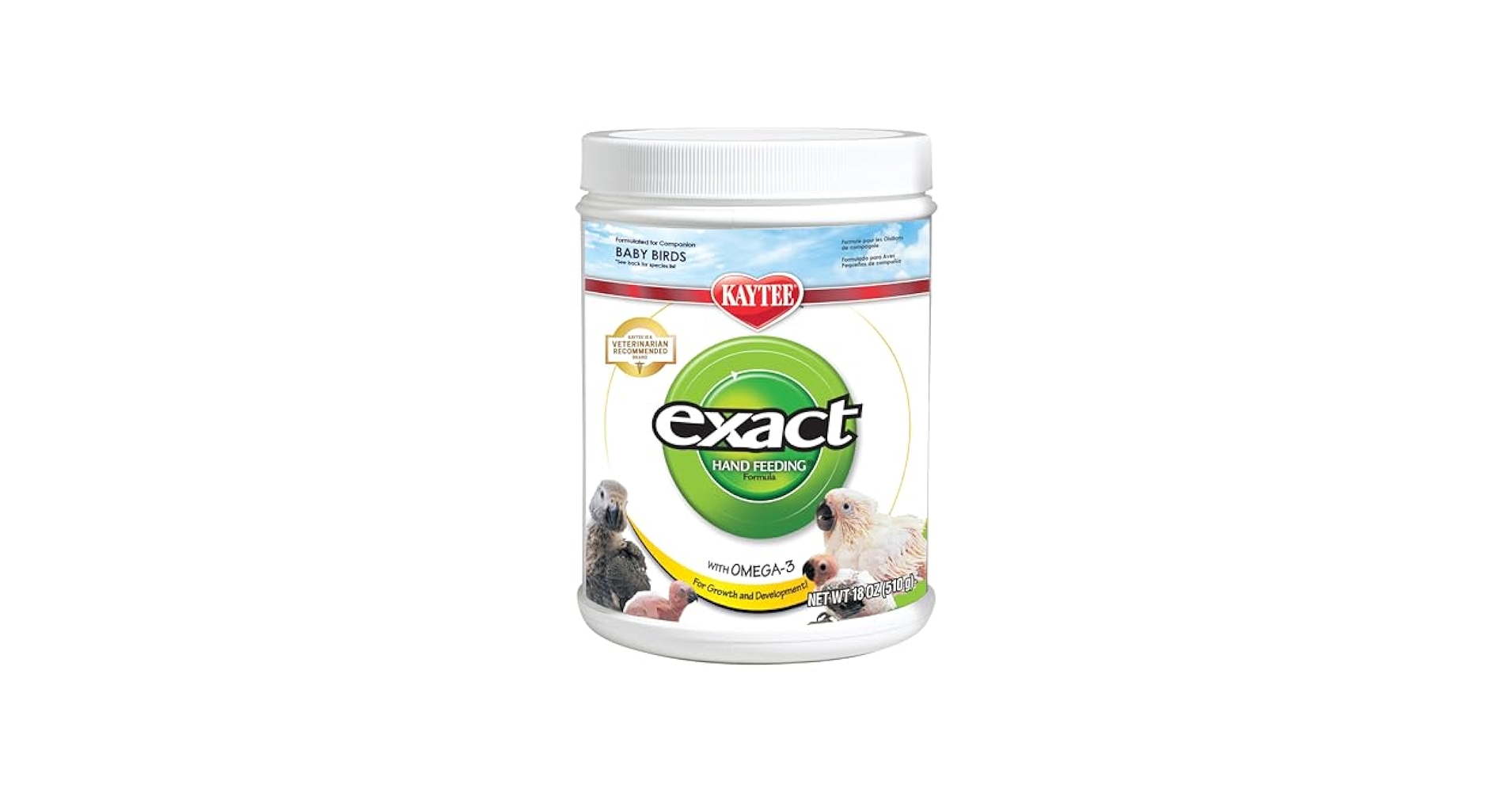
Commercial bird formulas are designed to meet the nutritional needs of baby birds precisely. They come in powdered or liquid form and often contain a balanced mix of proteins, vitamins, and minerals.
These formulas are easy to prepare and reduce the risk of feeding harmful or inadequate foods. When I helped feed a rescued baby robin, using a commercial formula ensured it got the right nutrients without guesswork. Always follow the instructions on the package carefully, especially regarding mixing ratios and feeding frequency.
- Look for formulas specifically made for the species you are feeding.
- Check expiration dates and storage recommendations.
- Use clean feeding tools to prevent infections.
Homemade Food Recipes
If you can’t find commercial formulas, homemade recipes can work in a pinch—but they require attention to detail. The goal is to mimic the nutrient content of a bird’s natural diet, which often includes proteins, fats, and some carbohydrates.
A simple recipe that worked well during my experience with orphaned finches included:
| Ingredient | Amount |
|---|---|
| Hard-boiled egg yolk | 1 |
| Plain baby cereal | 1 tablespoon |
| Warm water | 2 tablespoons |
Mix these until smooth and feed using a small syringe or dropper. Remember, homemade food lacks some vitamins and minerals, so it’s important to consult a vet or wildlife expert if possible. Have you ever tried creating your own bird food? What challenges did you face?

Credit: swibirds.org
Feeding Techniques
Feeding a hungry baby bird requires more than just the right food; the way you deliver that food can make a big difference in its health and comfort. Knowing the correct techniques helps you avoid harming the fragile bird and ensures it gets the nourishment it needs. Let’s look closely at the tools you’ll need and how often and how much you should feed.
Proper Feeding Tools
Choosing the right tools can simplify the feeding process and reduce stress for both you and the baby bird. Small, soft-tipped syringes or eyedroppers work well to mimic the way parent birds feed their chicks. You want something gentle that won’t injure the bird’s mouth or throat.
Many people make the mistake of using regular spoons or hard utensils, which can cause harm. A clean pair of tweezers can also help when offering small insects or food bits, giving you better control. Have you considered how the size of your feeding tool affects the bird’s comfort and safety?
Feeding Frequency And Amount
Feeding a baby bird isn’t about filling it up in one go; it’s about small, frequent meals throughout the day. Depending on the species and age, you might need to feed every 15 to 30 minutes during daylight hours. Overfeeding or feeding too fast can cause choking or digestive issues.
Start with tiny amounts and watch the bird’s response—if it opens its mouth eagerly, it’s ready for more. When I fed an orphaned sparrow, I learned that patience and observation were key; rushing only stressed the bird and made feeding harder. How often do you think you can realistically commit to feeding without missing a session?
Avoiding Common Feeding Mistakes
Feeding a hungry baby bird requires care and knowledge. Mistakes during feeding can harm the little bird’s health. Knowing what to avoid is just as important as knowing what to feed. This section highlights common feeding errors and how to prevent them. Proper feeding helps baby birds grow strong and healthy.
Foods To Never Feed
- Milk and dairy products – Birds cannot digest these properly.
- Bread – It offers little nutrition and can cause digestive issues.
- Salted or seasoned foods – These can be toxic to birds.
- Chocolate – Contains substances harmful to birds’ nervous systems.
- Avocado – Toxic and may cause heart problems in birds.
- Raw beans and onions – Can cause digestive upset or poisoning.
- Uncooked rice – Expands in the stomach and may cause harm.
Handling And Hygiene Tips
- Wash hands thoroughly before and after feeding.
- Use clean feeding tools like syringes or tweezers.
- Prepare fresh food daily to prevent bacteria growth.
- Keep feeding areas clean and dry at all times.
- Avoid touching the bird’s beak directly to reduce stress.
- Store bird food in airtight containers to maintain freshness.
- Monitor the baby bird for signs of illness after feeding.
When To Seek Professional Help
Knowing when to seek professional help is vital for a hungry baby bird’s survival. Some situations need expert care beyond simple feeding. Early action can save the bird’s life and improve recovery chances.
Signs Of Health Issues
- Weak or limp body with little movement
- Visible injuries or bleeding
- Difficulty breathing or gasping
- Unusual droppings or no droppings at all
- Eyes closed for long periods or swollen eyes
- Feathers missing or patchy
- Persistent crying without response to feeding
- Cold to touch or shivering
Spotting these signs means the bird needs expert help immediately. Attempting to care for such birds without skills may worsen their condition.
Finding Wildlife Rehabilitators
Contact local wildlife rehabilitators or animal rescue centers. They have the training and resources to treat baby birds correctly.
Use these tips to find the right help:
- Search online for licensed wildlife rehabilitators near you
- Call local animal shelters or veterinary clinics for referrals
- Ask about their experience with baby birds
- Follow their instructions carefully when transporting the bird
Getting professional care quickly increases the bird’s chance to grow strong and return to nature.

Credit: www.green-feathers.co.uk
Frequently Asked Questions
What Is The Best Food For A Hungry Baby Bird?
The best food for a hungry baby bird is a high-protein diet. Soft, moistened dog or cat food works well. Avoid milk or bread, as they can harm the bird. Feeding should mimic the bird’s natural diet for optimal growth and health.
How Often Should I Feed A Baby Bird?
Baby birds need feeding every 15 to 20 minutes from dawn to dusk. Young birds require frequent feeding to maintain energy and growth. As they mature, feeding intervals can gradually increase. Consistency and timing are crucial for their survival.
Can I Feed A Baby Bird Bread Or Milk?
No, bread and milk are harmful to baby birds. Bread lacks essential nutrients and can cause digestive issues. Milk is not digestible for birds and may cause illness. Stick to protein-rich, species-appropriate foods for safe feeding.
How Do I Safely Feed A Baby Bird?
Use a small syringe or dropper to feed gently. Feed small portions slowly to prevent choking. Keep the bird warm and calm during feeding. Always ensure food is at room temperature to avoid discomfort or harm.
Conclusion
Feeding a hungry baby bird requires care and knowledge. Small, frequent meals are vital. Choose appropriate food like softened dog kibble or baby bird formula. Avoid milk and bread, as these harm them. Keep the bird warm and safe. Observe its health and growth daily.
Seek expert help if unsure. Proper feeding ensures the baby bird thrives. Your efforts make a big difference in its survival. Remember to respect wildlife and their needs. By understanding their diet, you help them grow strong. Thank you for caring for our feathered friends!