
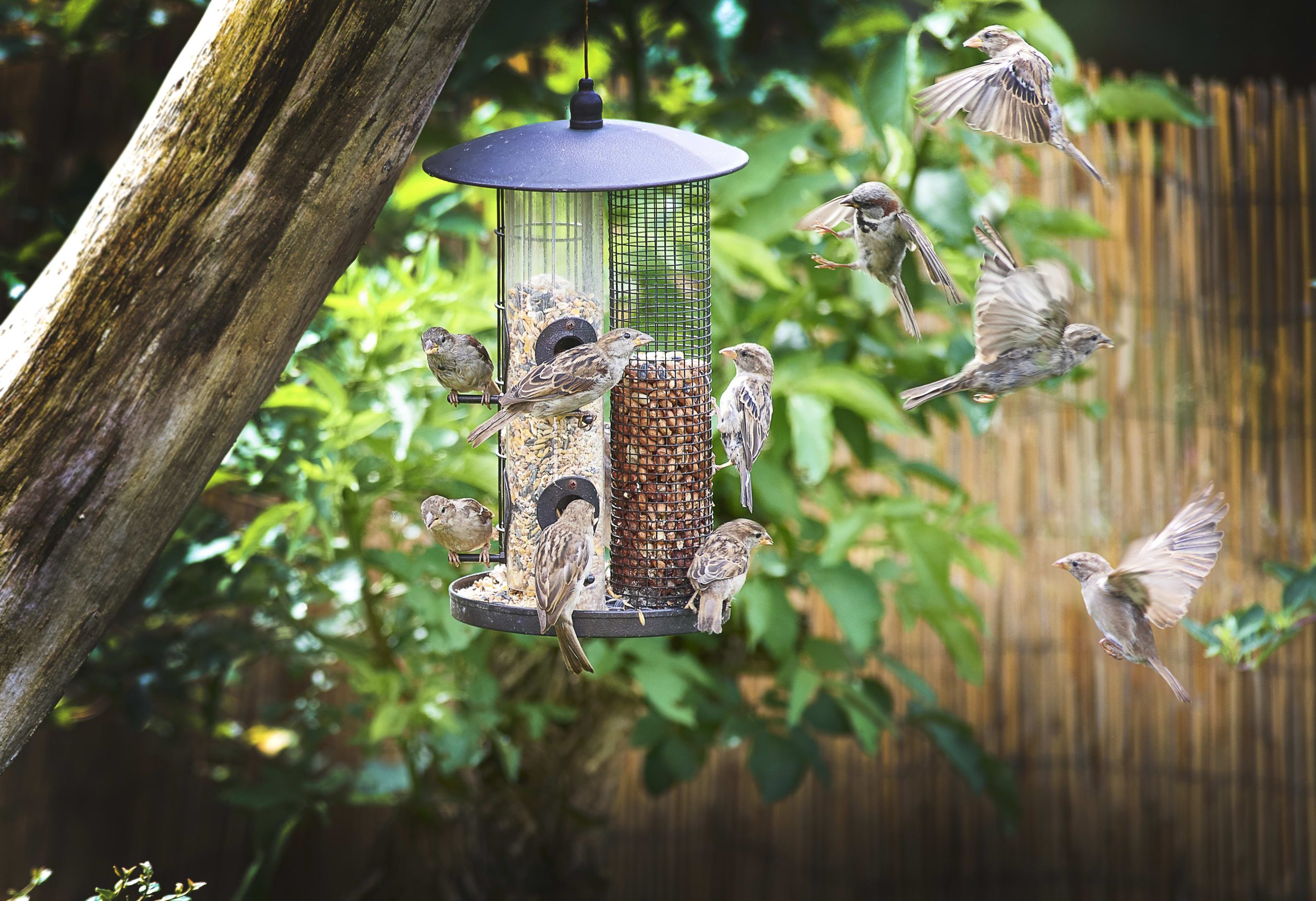
Are you ready to bring more birds to your backyard and enjoy their lively visits every day? Making the best bird feeder is easier than you think, and it can turn your outdoor space into a vibrant haven for feathered friends.
Imagine watching colorful birds up close, hearing their cheerful songs, and knowing you created a safe place for them to eat. In this guide, you’ll discover simple steps and clever tips to build a bird feeder that attracts a variety of birds all year round.
Keep reading, and you’ll soon have a beautiful, effective feeder that brightens your home and delights your senses.
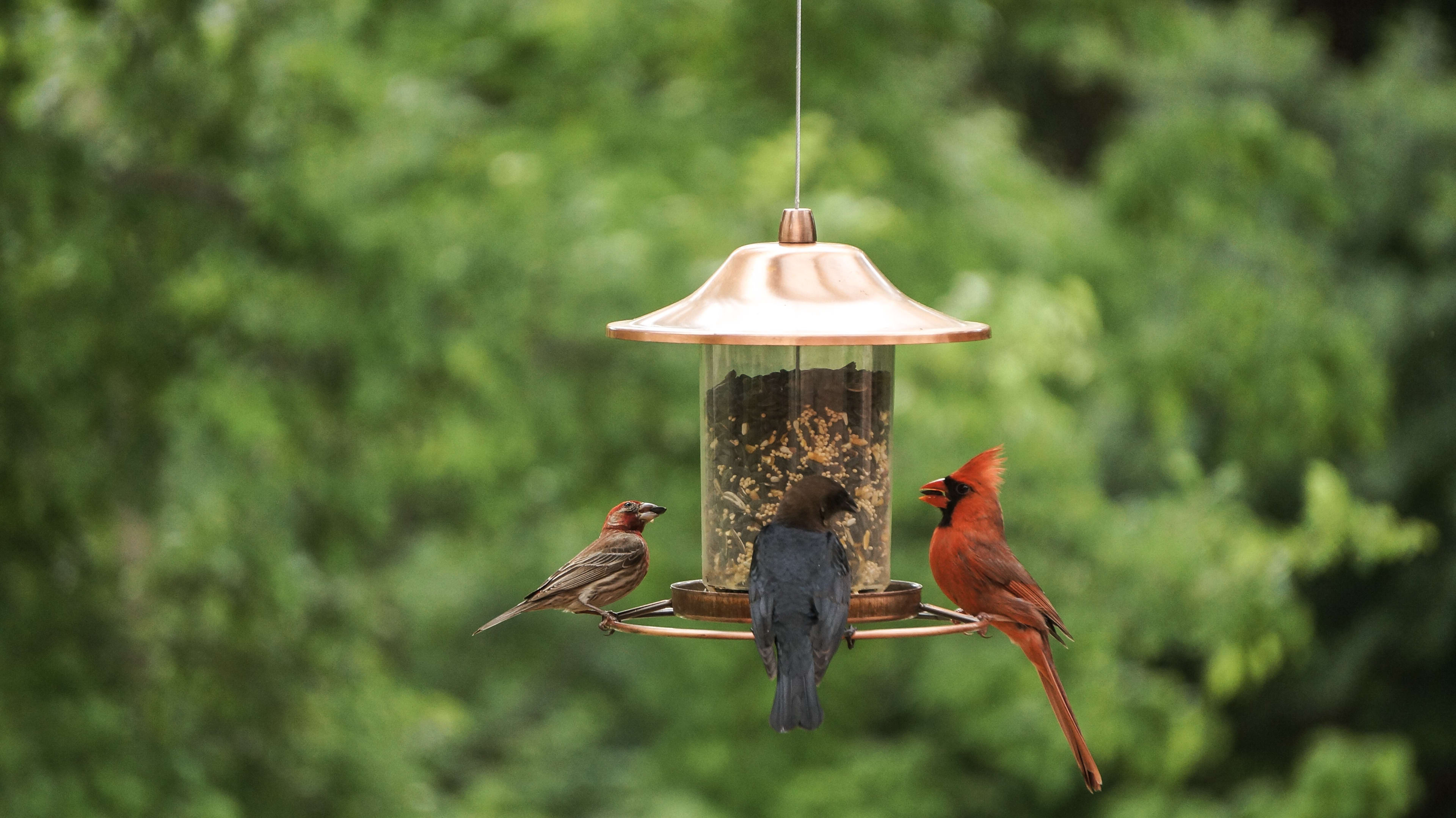
Credit: dengarden.com
Choosing Materials
Choosing the right materials is key to building a bird feeder that lasts and attracts your feathered friends. The materials you select affect durability, safety, and how easy the feeder is to clean. Think about what’s available, safe for birds, and fits your style and budget.
Wood Options
Wood is a classic choice because it blends well with nature and is easy to work with. Cedar and redwood stand out since they resist rot and insects naturally, making them perfect for outdoor feeders. Pine is cheaper but needs a good sealant to protect it from weather damage.
Using untreated wood is safer for birds since some treatments can be toxic. You want a smooth finish without splinters to protect the birds’ feet. Have you checked your scrap wood pile lately? Sometimes the best wood is right under your nose.
Recycled Materials
Recycled materials add character and reduce waste. Old pallets, tin cans, and glass jars can become unique feeders with a bit of creativity. Just make sure any recycled item is clean and free from harmful chemicals or sharp edges.
Think about durability here—plastic bottles are lightweight and weather-resistant, but they might not last through harsh winters. Using recycled wood can also be a budget-friendly choice. Have you considered what everyday items around your home could turn into a bird feeder?
Tools Needed
Having the right tools makes your project smoother and safer. Basic tools include a saw, hammer, drill, and sandpaper. If you’re working with wood, clamps can help hold pieces steady while you work.
Don’t forget safety gear like gloves and eye protection—your hands and eyes will thank you. If you use nails or screws, a screwdriver or power drill speeds things up. Do you have these tools handy, or will you need to borrow or buy them before starting?
Design Ideas
Designing a bird feeder is fun and lets you attract different birds. Choose a style that fits your space and the birds you want to welcome. Each design offers unique benefits and can be made with simple materials. Explore these ideas to create a feeder that stands out and suits your garden.
Simple Box Feeders
Box feeders are easy to build and hold a lot of seeds. Use wood or recycled materials for a sturdy frame. Add a roof to keep seeds dry and a perch for birds to sit. This design suits many bird types and blends well with garden settings.
- Use untreated wood for safety.
- Include drainage holes to avoid mold.
- Paint with non-toxic colors to protect wood.
Hanging Feeders
Hanging feeders save space and attract small birds. Hang one from a tree branch or porch ceiling. Use materials like plastic bottles, tin cans, or wood. Ensure it swings gently but stays steady in wind. These feeders work well for finches and chickadees.
- Use strong strings or chains for support.
- Place away from predators and busy areas.
- Fill with seeds that suit small birds.
Window Feeders
Window feeders bring birds close to your view. Attach them with suction cups or brackets. Use clear plastic or glass to see the birds well. These feeders are great for small spaces like apartments. Keep them clean and refill often to keep birds happy.
- Choose a spot with good sunlight but some shade.
- Refill daily during busy seasons.
- Watch for bird collisions and adjust placement.
Step-by-step Assembly
Building a bird feeder is simple and fun. Follow clear steps to create a sturdy, attractive feeder. Careful assembly ensures it lasts and attracts birds well. Let’s break down the process into easy parts.
Cutting And Preparing Parts
Start by gathering wood pieces or recycled materials. Use a saw to cut parts to size. Sand all edges until smooth to prevent splinters. Make sure holes for screws or nails are pre-drilled. This step helps pieces fit together easily and safely.
Assembling The Feeder
Align the base and walls of the feeder on a flat surface. Use screws or nails to attach parts firmly. Check that the roof fits well and provides shelter. Keep the structure balanced to hang or mount later. Tighten all connections to avoid wobbling.
Adding Finishing Touches
Apply non-toxic paint or wood sealant to protect from weather. Add small perches for birds to land on comfortably. Attach hooks or wires for hanging the feeder securely. Place the feeder where birds can feed safely and you can enjoy watching them.
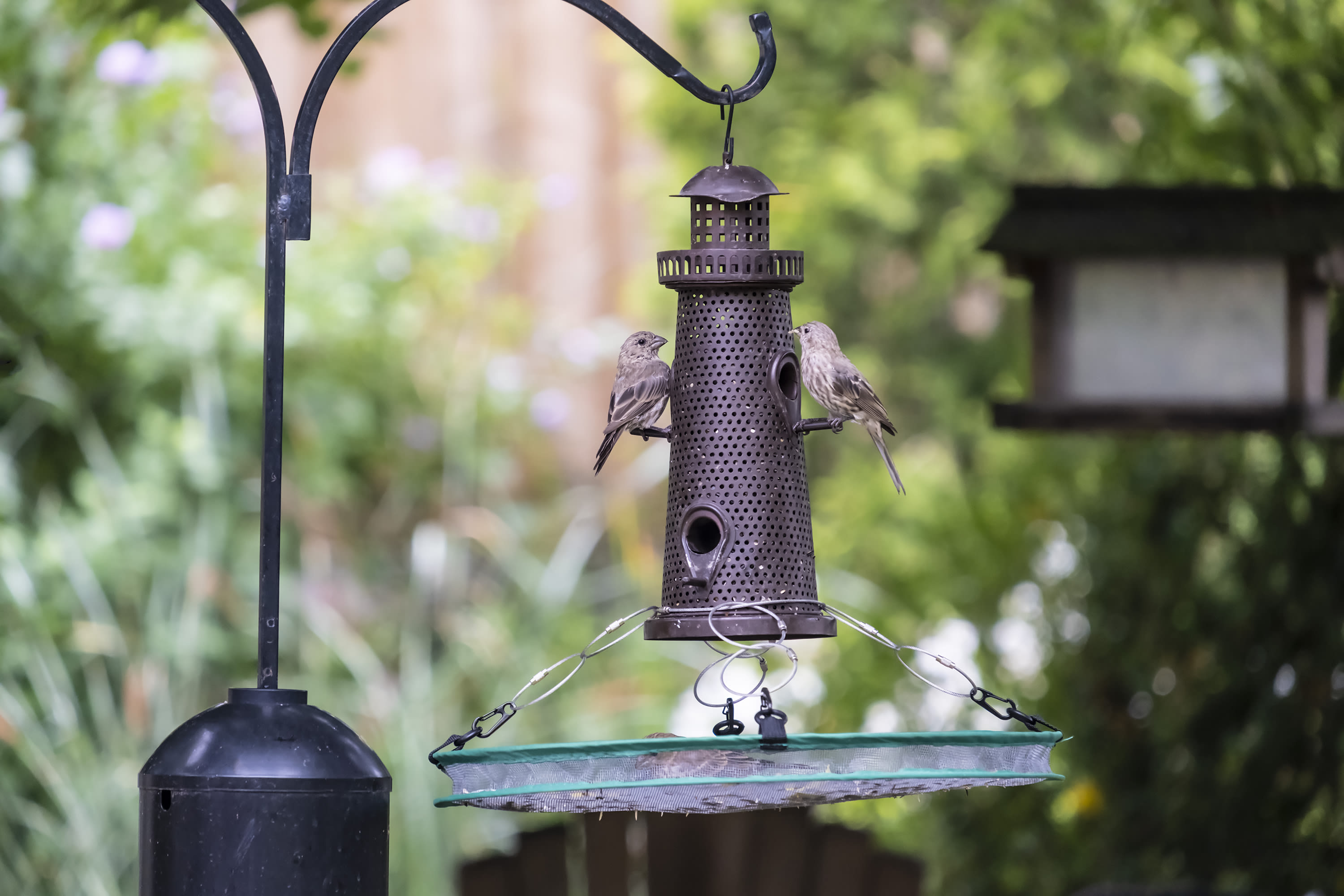
Credit: dengarden.com
Selecting Bird Food
Choosing the right food is key to attracting a variety of birds to your feeder. Different birds have different tastes, so offering the right options can make your feeder a popular spot in your backyard. Think about the types of birds you want to see and what they prefer to eat.
Seeds And Mixes
Seeds are a classic choice and come in many forms. Black oil sunflower seeds are a favorite because they appeal to many bird species and have thin shells that are easy to crack. You can also try mixes that contain millet, cracked corn, and safflower seeds to attract a broader range of birds.
Keep in mind that some mixes contain fillers like red millet or oats, which might not be as attractive to birds. Choosing a high-quality mix can make a big difference in how often birds visit your feeder.
Suet And Nuts
Suet is a great energy source, especially in colder months. It’s made from animal fat and can be mixed with seeds or insects to provide a protein boost. Woodpeckers, nuthatches, and chickadees love suet feeders.
Nuts, like peanuts or shelled almonds, are also excellent for attracting certain birds. Just be sure to offer unsalted nuts to keep your feathered friends healthy. Have you noticed how quickly squirrels can find nuts? Consider a feeder design that limits access to them.
Seasonal Preferences
Birds change their diets with the seasons, so it helps to switch your offerings accordingly. In winter, they need high-energy foods like suet and sunflower seeds to keep warm. During spring and summer, they often prefer softer foods like fruit and insects.
Observing your local birds can guide you on what to provide. You might even discover a new favorite food for your backyard visitors. What seasonal changes have you noticed in your local bird population?
Placement Tips
Choosing the right spot for your bird feeder can make all the difference in attracting a variety of birds while keeping them safe and your yard clean. Placement affects how often birds visit, how comfortable they feel, and even how easy it is for you to enjoy their presence. Let’s look at some practical tips to position your feeder for the best results.
Safe Locations
Place your bird feeder where birds have quick access to cover like trees or shrubs. This gives them a safe escape route from predators such as cats or hawks. Avoid spots too close to windows to prevent birds from accidentally flying into glass.
Think about your own safety and convenience too. Position feeders where you can easily refill and clean them without disturbing the birds. A spot visible from a window can bring you joy and help monitor which birds are visiting.
Attracting Different Birds
Different birds prefer different environments, so varying feeder placement can attract a wider variety. For example, hang feeders high to attract finches and chickadees, but place some lower near bushes to invite ground-feeders like sparrows.
Try placing feeders near flowering plants or fruit-bearing shrubs. These natural food sources can work together with your feeder to attract more species. Have you noticed how hummingbirds prefer feeders close to nectar-rich flowers?
Avoiding Pests
Position your feeder away from places where squirrels and rodents can easily jump onto it. Use baffles or place feeders on poles with guards to reduce unwanted visitors. Keeping the area beneath the feeder clean by regularly sweeping up spilled seeds also helps discourage pests.
Consider the feeder’s distance from birdbaths and compost bins. While birds like water nearby, pests often do too. Can you create a balance that keeps birds happy and pests at bay?
Maintenance And Cleaning
Keeping your bird feeder clean and well-maintained is key to attracting healthy birds and ensuring their safety. Neglecting this part can lead to mold, disease, and feeder damage, which can scare birds away or harm them. Let’s dive into some simple but essential steps to keep your feeder in top shape.
Regular Cleaning Schedule
Set a routine to clean your bird feeder at least once every two weeks. If you notice heavy use or wet weather, clean it more often to prevent buildup. Use warm water and mild soap to scrub all parts thoroughly, then rinse well to remove any residue.
Dry the feeder completely before refilling it. Moisture can spoil seeds quickly, so keeping the feeder dry helps preserve the food. Have you noticed how quickly seeds get moldy after rain? That’s a sign it’s time to clean.
Preventing Mold And Disease
Mold thrives in damp, dirty feeders and can make birds sick. To stop it, remove old or wet seeds promptly and avoid overfilling the feeder. Place your feeder in a spot with good air flow and sunlight to help seeds dry faster.
Use a solution of one part white vinegar to four parts water for a natural disinfectant. Soak feeder parts for about 15 minutes, then scrub and rinse thoroughly. This simple step can reduce bacteria and protect your feathered visitors.
Repairing Damage
Check your feeder regularly for cracks, loose parts, or rust. Small issues can quickly become big problems, making the feeder unsafe or unusable. Tighten screws, replace worn-out parts, and sand rough edges to keep it bird-friendly.
If you notice paint chipping or splintering wood, apply a non-toxic, bird-safe sealant. This helps extend the life of your feeder and keeps it attractive to birds. What’s one small repair you’ve put off that could improve your feeder’s safety today?

Credit: www.familyhandyman.com
Frequently Asked Questions
What Materials Are Best For Making Bird Feeders?
Wood, recycled plastic, and metal are ideal materials. They are durable, weather-resistant, and safe for birds. Avoid treated wood and toxic paints.
How Do I Attract More Birds To My Feeder?
Use a variety of seeds like sunflower, millet, and nyjer. Place the feeder in a quiet, shaded area near trees.
How Often Should I Clean My Bird Feeder?
Clean your feeder every two weeks with mild soap and water. Regular cleaning prevents mold and disease among visiting birds.
What Is The Best Location For A Bird Feeder?
Place feeders 5-10 feet from trees or shrubs. This provides shelter from predators and easy access for birds.
Conclusion
Creating a bird feeder is simple and rewarding. Birds bring joy to any garden. A well-made feeder attracts diverse species. Use quality materials for durability. Keep it clean to ensure bird health. Enjoy watching birds from your window. It’s a peaceful and educational hobby.
Involve family and friends for more fun. Crafting a feeder supports local wildlife too. Feel proud of your contribution. Ready to start building your bird feeder? Your garden will soon be bustling with life. Happy birdwatching!