
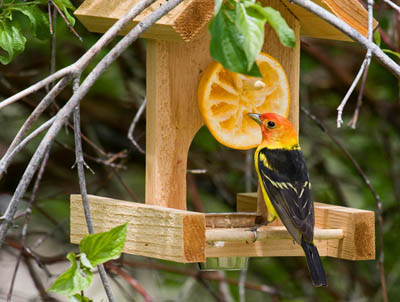
Are you looking to attract more colorful birds to your garden or backyard? Knowing what fruit to feed birds can make all the difference.
The right fruits not only provide essential nutrients but also keep your feathered visitors coming back for more. You’ll discover which fruits are safe and delicious for birds, helping you create a lively, vibrant space filled with joyful bird songs.
Keep reading to find out how to make your outdoor space a bird’s favorite hangout spot!
Benefits Of Feeding Fruits To Birds
Feeding fruits to birds offers many benefits for both the birds and your garden. Fruits provide essential nutrients that birds need daily. They also attract a variety of bird species, adding life and color to outdoor spaces. Offering fruits supports birds’ health and boosts their energy, especially in colder months.
Nutritional Value Of Fruits
Fruits are rich in vitamins and minerals. They contain natural sugars that give birds quick energy. Many fruits offer antioxidants, which help birds fight diseases. Examples include:
- Vitamin C in oranges
- Vitamin A in mangoes
- Fiber in apples
These nutrients improve birds’ immune systems and overall health.
Attracting Diverse Bird Species
Different birds prefer different fruits. Offering a variety of fruits brings a mix of species to your yard. Bright fruits like berries attract colorful birds such as orioles. Soft fruits like bananas draw in fruit-eating birds like toucans. This variety supports birdwatching and helps local bird populations thrive.
Supporting Bird Health And Energy
Fruits supply energy for daily activities like flying and foraging. The natural sugars and water content keep birds hydrated and active. Fruits also aid in digestion and help maintain healthy feathers. Feeding fruits helps birds survive harsh weather and breeding seasons.
Best Fruits For Birds
Choosing the right fruits to feed birds can brighten your backyard and support local wildlife. Birds enjoy a variety of fruits that offer essential nutrients and natural sugars for energy. Knowing which fruits attract different bird species helps you create a welcoming environment they’ll return to again and again.
Berries: Blueberries, Strawberries, And More
Berries are a top favorite among many bird species. Blueberries provide antioxidants and are easy for small birds to eat. Strawberries are juicy and attract birds like robins and finches with their sweet taste.
Other berries like raspberries, blackberries, and elderberries also work well. You can scatter them on the ground or place them in feeders. Have you noticed how quickly birds flock to berry bushes once the fruit ripens?
Apples And Pears
Apples and pears offer a mild sweetness that appeals to many birds. Slice them up and leave the core intact to provide extra seeds, which some birds enjoy. These fruits are especially popular with woodpeckers, thrushes, and waxwings.
Be sure to remove any seeds from apples before feeding, as they contain small amounts of cyanide. Your birds will appreciate the crunch and hydration these fruits provide during warmer months.
Grapes And Cherries
Grapes and cherries are small, juicy fruits that easily fit in a bird’s beak. They attract species like orioles, tanagers, and mockingbirds. Their vibrant colors also make your feeding area visually appealing.
Try cutting grapes in half to make it easier for smaller birds. Always remove pits from cherries to prevent choking risks. Have you seen how quickly birds learn to find these tasty treats?
Melons And Citrus Fruits
Melons like cantaloupe and watermelon are hydrating and sweet, perfect for hot days. Birds such as orioles and grosbeaks enjoy melon flesh and seeds. Citrus fruits like oranges add a tangy twist and are rich in vitamin C.
Slice melons into manageable pieces and remove seeds to avoid mess. Hang orange halves to attract orioles and other fruit-loving birds. Would you expect such a burst of color and flavor to bring so many feathered friends?
Safe Fruit Feeding Tips
Feeding fruit to birds can be a delightful way to attract colorful visitors to your garden. However, ensuring the fruit is safe and suitable is crucial for their health. You want to offer treats that nourish without causing harm.
Preparing Fruits For Birds
Always wash fruits thoroughly to remove pesticides or dirt. Peel fruits like apples or pears if the skin is tough or waxed. Cut fruit into small, manageable pieces that fit comfortably in a bird’s beak to avoid choking risks.
Removing seeds and pits is essential because many contain toxins harmful to birds. For instance, apple seeds contain cyanide, which can be fatal. Serving fruit fresh rather than overripe helps keep birds healthy and encourages them to visit more often.
Avoiding Harmful Additives
Never feed birds fruit that has sugar, salt, or preservatives added. Store-bought fruit snacks or canned fruits often contain these harmful additives. Even natural sweeteners like honey can upset a bird’s digestion.
Think about the source of your fruit as well. Organic fruits reduce the risk of exposing birds to harmful chemicals. Avoid fruit treated with wax or coatings that birds cannot digest safely.
Seasonal Fruit Availability
Offer fruits that are in season to provide birds with the freshest options. Seasonal fruits are more nutritious and easier for birds to digest. In winter, try fruits like oranges or cranberries, which hold up well in cold weather.
Have you noticed which fruits your local birds prefer during different seasons? Watching their choices can guide your feeding strategy. Adjust your fruit selection to match seasonal availability and bird preferences for the best results.
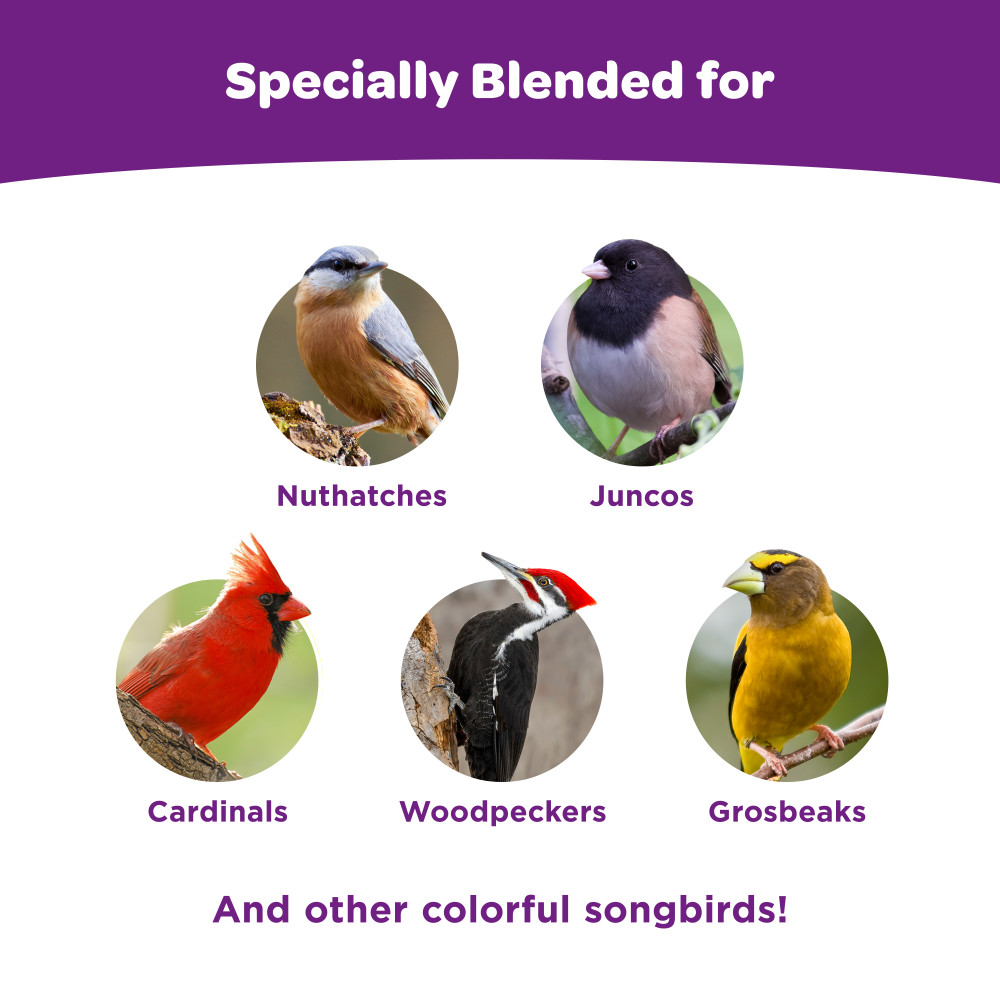
Credit: www.kaytee.com
Fruits To Avoid For Birds
Choosing the right fruits for birds is crucial for their health and happiness. Some fruits look safe but can harm birds if eaten. Knowing which fruits to avoid keeps birds safe and lively.
Toxic Fruits And Seeds
Many fruits contain parts that are poisonous to birds. Seeds from apples, cherries, peaches, and apricots have cyanide compounds. These can cause serious health problems or death.
Avocado is highly toxic to most bird species. Even small amounts can cause heart failure. Avoid feeding any fruit with pits or seeds that are harmful.
Potential Choking Hazards
Large or hard seeds and pits can block a bird’s throat. Birds may choke on whole cherries, grapes, or large berries. Always remove seeds and cut fruit into small pieces.
Some fruits have tough skins that birds cannot chew well. These can cause choking or injury to their beaks and throats.
Fruits Causing Digestive Issues
Citrus fruits like oranges and lemons are acidic. Too much acid can upset a bird’s stomach. It may cause vomiting or diarrhea.
Unripe or spoiled fruits contain substances that irritate digestion. Avoid feeding birds fruit that is not fresh or fully ripe.
Setting Up A Fruit Feeding Station
Setting up a fruit feeding station invites colorful birds to your garden. It creates a lively space for birds to enjoy fresh, healthy treats. Proper setup helps attract more species and keeps them safe and comfortable.
Choosing The Right Feeder
Select feeders designed to hold fruit securely. Open trays or mesh feeders work well. Avoid feeders that cause fruit to spoil quickly. Choose feeders made of rust-proof materials for outdoor use. Size matters; bigger feeders attract a variety of birds.
Placement For Maximum Bird Visits
Place feeders where birds feel safe. Near shrubs or trees offers shelter and quick escape routes. Avoid areas with heavy foot traffic or noisy machines. Ensure feeders get morning sunlight to keep fruit fresh. Keep feeders away from predators like cats.
Maintaining Cleanliness And Freshness
Clean feeders regularly to prevent mold and bacteria. Remove old or spoiled fruit daily. Use warm water and mild soap for cleaning. Rinse thoroughly to remove soap residue. Dry feeders completely before refilling to keep fruit fresh longer.

Credit: www.youtube.com
Observing Bird Behavior Around Fruits
Observing how birds interact with fruits can teach you a lot about their feeding habits and preferences. Watching their behavior helps you choose the right fruits to offer and creates a welcoming space for various species. Have you noticed how some birds hesitate while others dive right in? That hesitation or eagerness reveals what works best in your garden.
Common Bird Species That Enjoy Fruits
Many birds have a natural love for fruits, but some species are especially drawn to them. Orioles, tanagers, and waxwings are known fruit lovers. You might also see robins and thrushes picking at berries and cherries.
- Orioles:Attracted to oranges and grapes.
- Waxwings:Enjoy berries like elderberries and juniper.
- Robins:Prefer cherries and small berries.
- Tanagers:Eat a variety of tropical fruits when available.
Identifying which birds visit your feeder can help you tailor the fruits you offer to suit their tastes.
Signs Of Preference And Avoidance
Birds show clear signs when they like or dislike a fruit. Look for peck marks, missing pieces, or repeated visits to the same fruit. If fruit remains untouched, it might be less appealing or unfamiliar to the birds in your area.
Sometimes birds nibble around the edges or ignore certain fruits altogether. This behavior indicates avoidance, possibly due to taste, texture, or ripeness. You can experiment by offering different fruit types and observe which ones disappear quickly.
Encouraging Natural Foraging Habits
Instead of just placing cut fruit on a tray, try hanging whole fruits or scattering berries in shrubs. This encourages birds to forage naturally, which is healthier and more stimulating for them. You’ll notice birds spending more time exploring and feeding actively.
Think about how you can mimic nature in your backyard. Adding a variety of fruit-bearing plants can also support these habits. What small changes can you make today to invite more natural bird behavior around fruits?

Credit: abirdtoy.com
Frequently Asked Questions
What Fruits Are Safe For Wild Birds To Eat?
Safe fruits for wild birds include apples, berries, grapes, and melons. Avoid citrus and fruits with seeds or pits, as they may be harmful. Always offer fresh, pesticide-free fruit to ensure birds’ health and safety.
How Do I Prepare Fruit For Feeding Birds?
Wash fruits thoroughly and cut them into small, manageable pieces. Remove seeds and pits to prevent choking. Offer fruit on a platform feeder or hang whole fruits like oranges for easy access.
Which Fruits Attract The Most Birds To Feeders?
Berries such as blueberries, strawberries, and blackberries attract many bird species. Grapes and chopped apples are also popular. Brightly colored fruits draw more attention from birds in your garden.
Can Feeding Fruits Harm Birds In Any Way?
Feeding fruits in moderation is safe, but overfeeding can cause digestive issues. Avoid moldy or fermented fruits, which can be toxic. Always provide clean water and a balanced diet for healthy birds.
Conclusion
Feeding birds the right fruits supports their health and energy. Apples, bananas, and berries are great choices. These fruits provide essential nutrients for birds. Keep fruit fresh and avoid moldy pieces. Variety keeps birds interested and visiting your garden. You can enjoy watching them thrive in your backyard.
Sharing fruit with them is simple and rewarding. By choosing the right fruits, you help birds live healthier lives. Enjoy the beauty and joy they bring to your surroundings. Your efforts make a difference in supporting local bird populations.