
Have you ever stopped to watch the colorful birds visiting your backyard? Feeding backyard birds is more than just a simple pastime—it can bring you unexpected joy and peace every day.
Imagine turning your outdoor space into a lively sanctuary filled with chirping friends that brighten your mornings and calm your mind. But there’s more to it than just beauty. When you feed birds, you play a crucial role in helping them survive, especially during tough seasons.
Curious to know how this small action can make a big difference—for both you and the birds? Keep reading to discover why feeding backyard birds is one of the easiest and most rewarding things you can do.

Credit: amac.us
Benefits Of Feeding Backyard Birds
Feeding backyard birds offers many benefits for both nature and people. It helps birds survive, especially in harsh seasons. It also brings joy and learning opportunities to bird watchers. Providing food creates a safe space for birds to visit and thrive.
Supporting Local Wildlife
Feeding birds supports local wildlife by providing extra food sources. Birds often struggle to find enough natural food. Backyard feeders help them survive during cold winters or dry summers. This support helps keep bird populations healthy and balanced in the area.
Enhancing Bird Diversity
Offering a variety of bird food attracts different species. This diversity creates a lively and colorful backyard environment. More bird types mean more chances to observe unique behaviors and sounds. It also helps rare or shy birds feel safe enough to visit.
Promoting Bird Health
Providing clean and nutritious food improves bird health. Healthy birds have better energy and stronger immune systems. Regular feeding reduces the time birds spend searching for food. This helps them avoid predators and conserve energy for flying and nesting.
Bird Feeding Basics
Feeding backyard birds can transform your outdoor space into a lively sanctuary filled with color and song. Understanding the basics helps you create a safe and inviting environment for your feathered visitors. Let’s break down the essentials to make your bird feeding experience rewarding and sustainable.
Choosing The Right Feeders
Different birds have different needs, so choosing the right feeder is crucial. Tube feeders attract small songbirds like finches and chickadees, while platform feeders are perfect for larger birds such as cardinals and jays.
Consider the material and design too. Metal feeders resist squirrels better than plastic ones, and feeders with covers can protect food from rain and snow. Have you noticed which feeders attract the most birds in your yard?
Selecting Quality Bird Food
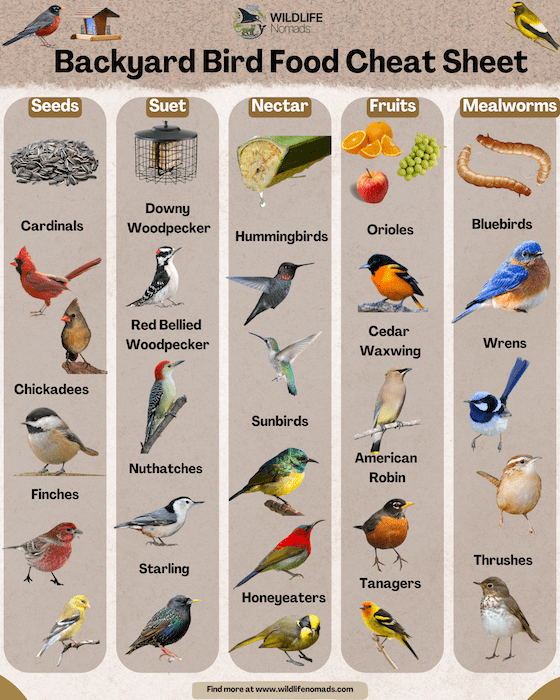
The food you provide shapes the types of birds that visit. Black oil sunflower seeds are a favorite for many species due to their high oil content and thin shells.
Avoid cheap mixes filled with fillers like red millet or wheat, which many birds discard. Also, consider offering suet in colder months to provide extra energy. What kind of birds do you want to attract to your yard?
Best Feeding Practices
Cleanliness is key. Regularly wash feeders with warm, soapy water to prevent mold and disease. Dirty feeders can harm the very birds you want to help.
Place feeders in safe locations away from predators like cats, and provide fresh water nearby. Watch how the birds use your feeders and adjust placement or food types based on their behavior. How often do you check and refill your feeders?
Bird Watching Joy
Watching birds in your backyard offers a unique kind of joy. It connects you with nature right outside your door. The simple act of feeding birds opens up a world of colors, movements, and stories you might otherwise miss.
Attracting Colorful Species
Feeding birds can bring vibrant visitors to your yard. Different seeds attract different birds. For instance, sunflower seeds often lure bright cardinals and finches.
Have you noticed how the flash of a red cardinal can instantly brighten a dull day? Adding a variety of feeders can invite a mix of species, creating a lively scene for you to enjoy. This diversity keeps your bird watching experience fresh and exciting.
Learning Bird Behaviors
Spending time feeding birds allows you to observe their habits closely. You might see how some birds compete for food or how others prefer to feed quietly in the bushes.
One morning, I watched a clever chickadee cleverly hide seeds for later. Moments like that reveal the intelligence and personality behind each bird. Watching these behaviors can turn feeding birds into a rewarding learning experience.
Creating A Bird-friendly Space
Making your backyard welcoming to birds enhances your bird watching joy. Adding water sources, shelter, and safe feeding spots encourages regular visits.
Try placing feeders near shrubs or trees to offer birds quick escape routes from predators. This simple step makes birds feel secure and more likely to stay longer. What small change can you make today to invite more feathered friends into your space?

Credit: www.o-natureobserver.com
Environmental Impact
Feeding backyard birds has a positive effect on the environment. It helps maintain natural balance and supports many important processes. Birds play a key role in keeping ecosystems healthy and thriving.
Supporting Ecosystem Balance
Birds control insect populations by eating pests. This keeps plants and crops safe without harmful chemicals. They also help spread seeds, which grows new plants and trees. Feeding birds ensures they stay strong and active in these roles.
Encouraging Pollination And Pest Control
Certain bird species help pollinate flowers. They move pollen from one flower to another, helping plants reproduce. Birds also eat insects that damage gardens and farms. Feeding birds provides energy for them to work effectively.
Reducing Bird Migration Stress
Migration is tough and uses a lot of energy. Providing food in your backyard gives birds a rest stop. This helps them recover and continue their journey safely. Feeding birds reduces stress and supports their survival during travel.
Seasonal Feeding Tips
Feeding backyard birds changes with the seasons. Birds need different types of food and care throughout the year. Seasonal feeding helps them stay healthy and strong. It also attracts a variety of birds to your yard. Understanding these tips makes your feeding efforts more effective.
Winter Feeding Essentials
Winter is the toughest time for birds. Food becomes scarce, and cold weather drains their energy. Provide high-energy foods like sunflower seeds and suet. Keep feeders clean and free of ice or snow. Offer fresh water daily, as natural sources may freeze. Place feeders near shrubs or trees for shelter.
Summer Feeding Adjustments
Summer birds eat insects and fruits more often. Offer mealworms and chopped fruits instead of fatty seeds. Water is very important during hot months. Use shallow dishes or birdbaths with clean water. Check feeders often to prevent mold or spoilage. Place feeders in shaded areas to keep food fresh.
Spring And Fall Strategies
Spring and fall are times of change for birds. In spring, birds need protein for nesting and raising young. Provide live or dried insects and soft fruits. Fall is for building fat reserves before winter. Offer mixed seeds and nuts. Clean feeders regularly to avoid diseases. Adjust feeding amounts as bird activity changes.

Credit: www.wildlifenomads.com
Common Challenges And Solutions
Feeding backyard birds brings joy and beauty to any outdoor space. Yet, it comes with some common challenges. Understanding these issues helps keep birds safe and healthy. Simple solutions can make feeding more enjoyable and effective.
Preventing Predator Threats
Predators like cats and hawks can harm backyard birds. Keeping birds safe is vital for their survival.
- Place feeders away from places where predators hide.
- Use baffles on poles to block climbing animals.
- Trim nearby trees and bushes to limit hiding spots.
- Feed birds during daylight hours for better safety.
Managing Feeder Cleanliness
Dirty feeders spread disease among birds. Regular cleaning protects their health.
- Clean feeders every two weeks with warm, soapy water.
- Rinse thoroughly to remove soap residue.
- Dry feeders before refilling with fresh food.
- Rotate feeding spots to reduce germ buildup.
Dealing With Unwanted Visitors
Squirrels and other animals often steal bird food. This can frustrate bird lovers and waste resources.
- Use squirrel-proof feeders to block access.
- Place feeders on poles with baffles to deter climbers.
- Offer separate feeding stations for squirrels away from birds.
- Choose bird food that squirrels dislike, like safflower seeds.
Frequently Asked Questions
Why Should I Feed Backyard Birds Regularly?
Feeding birds regularly helps them find reliable food, especially in harsh weather. It supports local wildlife and encourages bird diversity in your yard.
What Are The Best Foods To Feed Backyard Birds?
Seeds like sunflower, millet, and nyjer attract many species. Avoid bread; instead, offer nuts, fruits, and suet for balanced nutrition.
How Does Feeding Birds Benefit The Environment?
Bird feeding promotes natural pest control, pollination, and seed dispersal. It helps maintain a healthy, balanced ecosystem in your garden.
Can Feeding Birds Improve My Mental Well-being?
Watching birds reduces stress and increases happiness. Feeding birds connects you with nature and boosts your mood daily.
Conclusion
Feeding backyard birds brings joy and beauty to your daily life. Birds add color and song to your mornings. They help control pests in your garden. Watching birds can reduce stress and promote relaxation. It connects you with nature, even in urban settings.
Providing food supports bird populations, especially in harsh seasons. It’s a simple way to help wildlife and the environment. Sharing this experience with family can create lasting memories. Encourage friends to join in too. Enjoy the small wonders of your backyard.
Delight in the vibrant life around you. Birds make every day brighter.