
Do you ever glance out your window, hoping to see a lively gathering of colorful birds at your feeder, only to find it empty and quiet? You’re not alone.
Many bird enthusiasts dream of transforming their backyard into a vibrant sanctuary teeming with feathered visitors. Imagine the joy of sipping your morning coffee while watching a flurry of wings and hearing the cheerful songs of birds right outside your door.
This isn’t just a dream—it’s a delightful reality you can create. In this guide, you’ll discover simple yet effective strategies to attract a variety of birds to your feeder, turning your backyard into a bustling aviary that will keep you entertained and connected with nature. Read on to learn how to make your feeder the preferred dining spot for your feathered friends.
Choose The Right Feeder
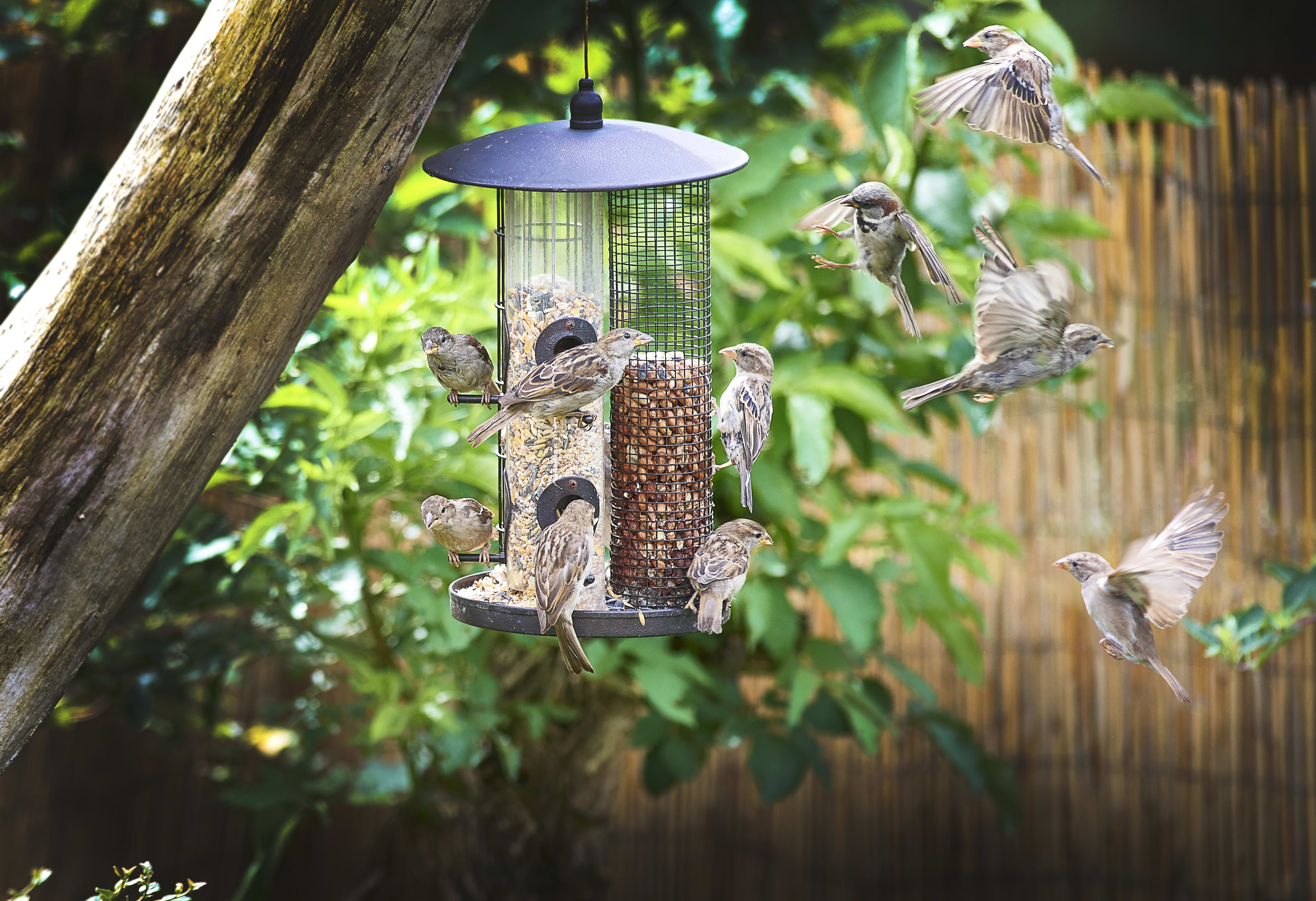
Choosing the right feeder plays a vital role in attracting birds to your garden. A suitable feeder matches the type of birds you want to attract and fits your outdoor space. The right feeder also keeps seeds fresh and safe from pests. Understanding different feeder types, materials, and placement helps create a welcoming spot for birds.
Types Of Bird Feeders
- Tube Feeders:Slim tubes with small feeding ports. Great for small songbirds like finches and chickadees.
- Hopper Feeders:Box-shaped feeders that hold a lot of seed. Attracts a variety of birds, including cardinals and jays.
- Platform Feeders:Flat trays that offer open feeding space. Suitable for larger birds and ground feeders.
- Niger Seed Feeders:Specially designed for tiny seeds. Ideal for attracting goldfinches and siskins.
- Suet Feeders:Wire cages that hold suet cakes. Attracts woodpeckers, nuthatches, and other insect-eaters.
Materials And Durability
- Plastic:Lightweight and affordable. Can crack in cold weather or fade in sunlight.
- Metal:Durable and weather-resistant. Good choice for long-term use.
- Wood:Natural look that blends with gardens. Needs regular maintenance to avoid rot.
- Glass:Attractive but fragile. Best for sheltered areas.
Placement Tips
- Place feeders near trees or shrubs for cover and perching.
- Keep feeders 10-12 feet from windows to reduce collisions.
- Hang feeders at least 5 feet off the ground to deter predators.
- Choose a spot with some shade to keep seeds fresh longer.
- Ensure easy access for refilling and cleaning the feeder.
Credit: dengarden.com
Select Suitable Bird Food
Choosing the right food is key to attracting a variety of birds to your feeder. Different birds have different tastes, so the food you select can make a big difference in who visits your yard. Paying attention to the quality and type of bird food will help keep your feathered guests coming back regularly.
Popular Seeds And Mixes
Black oil sunflower seeds are a top favorite for many birds because they are easy to crack open and packed with nutrition. Nyjer (thistle) seeds attract finches and other small birds that enjoy tiny seeds. Mixed seed blends can bring a variety of species, but be careful—some mixes contain filler seeds that birds often ignore.
- Black oil sunflower seeds:Great for cardinals, chickadees, and nuthatches.
- Nyjer seeds:Perfect for finches and siskins.
- Safflower seeds:Loved by cardinals and grosbeaks but less attractive to squirrels.
- Mixed blends:Can attract a range of birds but check for quality to avoid waste.
Seasonal Food Choices
Birds’ diets change with the seasons, so you should adjust your offerings accordingly. In winter, high-fat foods like suet or peanuts help birds stay warm and energized. Spring and summer calls for fresh fruits and mealworms, which support breeding and feeding young.
Have you noticed which foods attract birds during different times of the year in your own backyard? Paying attention to these patterns can help you fine-tune your feeder’s menu for maximum visits.
Avoiding Spoiled Food
Birds won’t return to a feeder filled with moldy or stale seeds. Always check your bird food for signs of spoilage before refilling. Moisture and heat can cause seeds to rot or sprout, which is harmful to birds.
Cleaning your feeder regularly and storing food in a cool, dry place will keep it fresh longer. Have you ever seen birds ignore your feeder after a rain? That could be a sign the food has gone bad.
Create A Bird-friendly Habitat
Creating a bird-friendly habitat invites birds to visit your feeder more often. It offers food, water, and shelter in a safe environment. Birds feel comfortable and secure. This encourages them to stay longer and return frequently.
Planting Native Flora
Native plants provide natural food and shelter for birds. They attract insects that birds eat. Flowers produce seeds and berries that many birds love. Choose plants that grow well in your area. This helps birds find familiar food sources easily.
Plant a mix of trees, shrubs, and flowers. This variety supports different bird species. Dense bushes offer protection and nesting spots. Native plants need less water and care, making them ideal for your garden.
Providing Water Sources
Birds need fresh water to drink and bathe. A birdbath or shallow dish works well. Keep the water clean and refill it often. Moving water, like a small fountain, attracts more birds. Water sources help birds stay healthy and cool.
Place water near feeders but away from heavy foot traffic. This makes birds feel safe. Add stones or sticks for perching and easy access. Water is an essential part of a bird-friendly habitat.
Safe Shelter Options
Birds seek shelter from weather and predators. Provide safe spots like birdhouses, dense shrubs, and trees. Nest boxes offer secure places for breeding. Avoid using harmful chemicals near these areas.
Keep feeders and shelters away from cats and other predators. Shelter areas help birds rest and hide. They make your yard a safe haven for wild birds.

Credit: happygardens.com
Maintain Feeder Cleanliness
Keeping your bird feeder clean is key to attracting more birds. A tidy feeder offers fresh food and a safe place for birds. Dirty feeders can spread disease and scare birds away. Regular cleaning helps maintain a healthy feeding spot that birds trust.
Cleaning Schedule
Set a regular time to clean your feeder. Clean it at least once every two weeks. Clean more often during wet or humid weather. Remove old seeds and debris each time you refill. A consistent schedule keeps the feeder fresh and inviting.
Preventing Mold And Disease
Mold grows quickly on damp seeds and feeder surfaces. Moldy food can harm birds and stop them from returning. Disease spreads easily in dirty feeders. Remove spoiled seeds and clean all parts to stop germs. Dry the feeder completely before refilling to avoid mold growth.
Safe Cleaning Methods
Use mild soap and warm water to clean feeders. Avoid harsh chemicals that can hurt birds. Scrub all feeder parts with a brush to remove dirt. Rinse well to remove soap residue. Let the feeder air dry fully before adding new seed. These simple steps keep feeders safe and healthy for birds.
Attract Specific Bird Species
Attracting specific bird species to your feeder takes more than just scattering seeds. Each bird has unique tastes and behaviors. If you tailor your approach, you can create a mini bird paradise right outside your window.
Feeding Preferences By Species
Different birds prefer different foods. For example, finches love nyjer seeds, while cardinals go for sunflower seeds. Woodpeckers enjoy suet, especially in colder months.
Think about the species you want to see. Then choose the right feeder and food. Providing the correct seed type makes a big difference in who visits your feeder.
- Goldfinches:Nyjer or thistle seeds
- Blue Jays:Peanuts and sunflower seeds
- Chickadees:Sunflower seeds and suet
- Hummingbirds:Sugar water feeders
Using Bird Calls And Sounds
Birds respond to sounds that signal food or safety. Playing recorded bird calls can attract species you want to see. This works best early in the morning when birds are most active.
Try playing calls of local birds in your area. Avoid loud or continuous noise as it might scare them away. Adjust volume and timing based on your observations.
Seasonal Attractants
Birds’ feeding habits change with the seasons. In spring and summer, fresh fruits and nectar attract more species. In winter, high-energy foods like suet and peanuts help birds survive cold days.
Plant native flowers and shrubs that provide berries and seeds throughout the year. This natural food supply can keep birds visiting your feeder regularly. Have you noticed how your feeder activity changes with the seasons?
Avoid Common Pitfalls
Setting up a bird feeder sounds simple, but there are common pitfalls that can keep birds away or cause problems in your backyard. Avoiding these issues can make your feeder a safe and inviting spot for feathered friends. Let’s look at some practical ways to keep your bird feeder thriving without unwanted disturbances.
Dealing With Squirrels And Pests
Squirrels are smart and persistent. They can empty your feeder quickly and scare birds off. Using squirrel baffles or placing feeders on poles away from trees can stop them from reaching the food.
Also, clean up spilled seeds regularly. This prevents attracting unwanted pests like rats and ants. Have you noticed how a small mess can suddenly bring a crowd you didn’t invite?
Preventing Window Collisions
Windows are a major hazard for birds visiting feeders. Birds often don’t see glass and may crash into it, causing injury or death. Placing feeders either very close (within 3 feet) or far away (over 30 feet) from windows reduces this risk.
You can also add decals or screens to your windows to make them visible to birds. Have you tried this before and seen a difference?
Managing Overcrowding
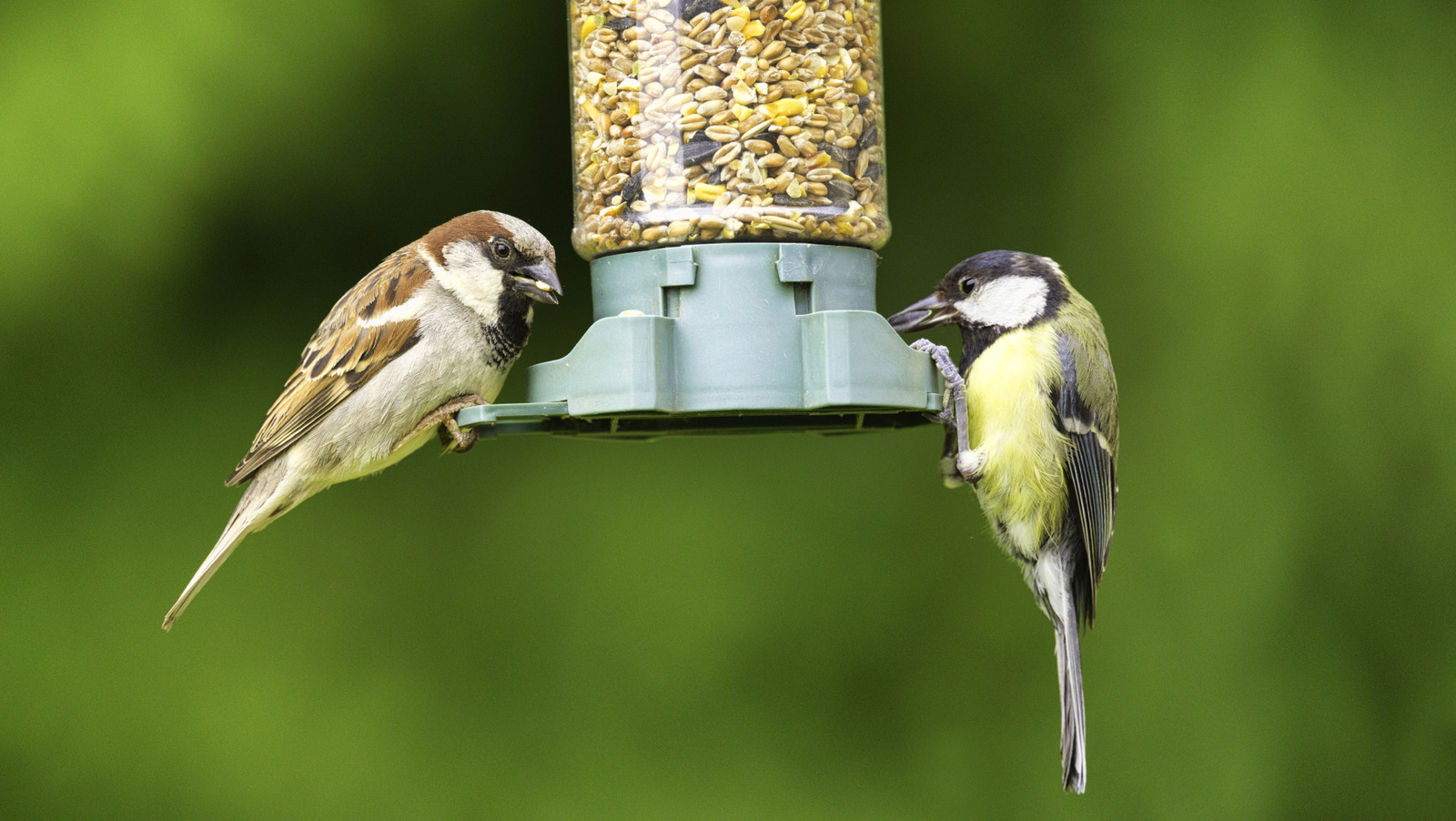
Too many birds at once can lead to fights and stress. Crowding also spreads diseases quickly among birds. To avoid this, use multiple feeders spaced apart and vary the types of food you offer.
Watch your feeder during peak times. Are some birds dominating the space? Adding extra feeders can give shy birds a chance to eat safely without competition.
Credit: www.outdoorguide.com
Frequently Asked Questions
What Type Of Bird Feeder Attracts The Most Birds?
Tube feeders attract many small birds like finches and chickadees. Hopper feeders are great for larger birds such as cardinals. Choosing a feeder depends on the bird species you want to attract.
Which Birdseed Is Best For Attracting More Birds?
Black oil sunflower seeds are highly preferred by most birds. They have thin shells and high oil content. Nyjer seed attracts finches, while millet is good for ground-feeders. Using mixed seeds can attract diverse bird species.
How Often Should I Clean My Bird Feeder?
Clean your bird feeder every two weeks to prevent disease. Use warm, soapy water and rinse thoroughly. Regular cleaning keeps birds healthy and encourages frequent visits to your feeder.
Where Is The Best Place To Hang A Bird Feeder?
Place feeders in quiet, sheltered spots near trees or shrubs. This provides birds with cover and a quick escape from predators. Avoid busy or windy areas to make birds feel safe and comfortable.
Conclusion
Attracting birds to your feeder takes patience and care. Choose the right seeds and fresh water. Place feeders where birds feel safe and can rest. Keep your feeder clean to avoid disease. Watch quietly and enjoy their visits daily. Small changes bring more birds over time.
Nature’s beauty comes closer with simple steps. Start today and see who comes by!