

Are you wondering why birds have suddenly stopped visiting your bird feeder? It can be frustrating to fill your feeder with fresh seeds only to find it empty and untouched day after day.
You might feel like you’re doing everything right, yet the birds just aren’t showing up. The truth is, there are simple reasons behind this, and once you understand them, you can bring those beautiful visitors back to your yard. Keep reading to discover what might be turning birds away and how you can fix it easily.
Your feathered friends are closer than you think!

Credit: www.reddit.com
Common Feeder Issues
Many bird lovers face the problem of empty bird feeders. Birds may avoid feeders for several common reasons. Understanding these issues helps bring birds back quickly. Simple changes can make a big difference.
Incorrect Feeder Placement
Birds need a safe, quiet place to feed. Feeders placed too close to windows may scare them away. Avoid locations near busy roads or heavy foot traffic. Place feeders near trees or shrubs for cover. This gives birds a quick escape if threatened.
Dirty Or Unappealing Feeders
Dirty feeders repel birds. Old seeds, mold, and droppings create bad smells. Clean feeders regularly with warm water and mild soap. Rinse well to remove soap residue. Shiny, bright feeders attract more birds. Avoid feeders with peeling paint or rust.
Inadequate Food Supply
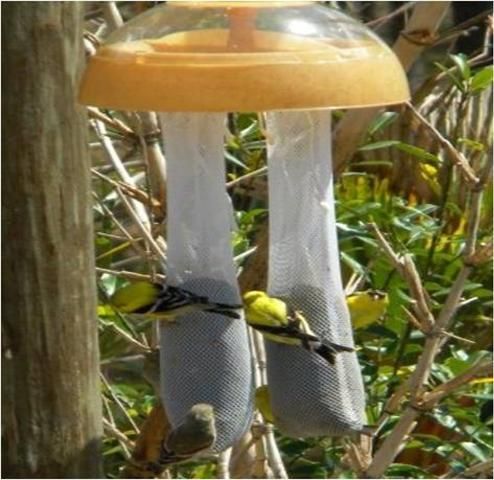
Birds visit feeders with fresh, appealing food. Empty or nearly empty feeders discourage visits. Offer seeds that local birds prefer. Change food often to keep it fresh. Mix seed types to attract different bird species.
Credit: edis.ifas.ufl.edu
Food Problems
Bird feeders can become less attractive due to food problems. Birds are picky about what they eat. The wrong food can keep them away.
Using The Wrong Seed Types
Birds prefer specific seeds. Sunflower seeds attract many species. Mixed seeds can confuse them. Know your local birds’ preferences. Offer seeds they like. This increases your chances of visits.
Spoiled Or Moldy Food
Birds avoid spoiled food. Mold can harm them. Check your feeder regularly. Remove old seeds. Clean the feeder often. Fresh food is key for attracting birds.
Food Scarcity In Natural Habitat
Birds might find enough food elsewhere. Natural food sources can be abundant. This makes feeders less appealing. Observe your area’s natural food supply. Adjust your feeder offerings accordingly.
Environmental Factors
Environmental factors play a big role in why birds avoid feeders. Birds are sensitive to changes around them. Their behavior often changes due to threats or discomfort. Understanding these factors helps create a bird-friendly space.
Predators Nearby
Birds stay away if predators are close. Cats, hawks, and other animals scare them. Even the scent of predators can keep birds from feeding. Make sure the feeder is in a safe spot. Clear areas help birds spot danger early.
Loud Noises And Disturbances
Loud sounds frighten birds and disturb their feeding. Construction, traffic, or noisy neighbors can be a problem. Birds prefer quiet and calm surroundings. Place feeders away from loud places. Soft sounds encourage birds to return.
Weather Conditions
Weather affects bird activity and feeding habits. Heavy rain, strong winds, or extreme cold can keep birds away. Birds seek shelter during bad weather. They feed more during mild and calm days. Check the feeder after storms to keep it inviting.
Bird Behavior Changes
Bird behavior changes often explain why birds avoid your feeder. Birds adjust their habits based on many factors. These changes affect their feeding patterns and presence around feeders.
Seasonal Migration
Many birds move to warmer places as seasons change. During migration, they leave their usual feeding spots. Your feeder may be empty because birds are traveling.
Migration happens mostly in spring and fall. Birds follow food sources and weather patterns. This natural movement reduces feeder visits temporarily.
Territorial Disputes
Birds can be very protective of their food areas. Some species chase others away from feeders. This fighting keeps smaller or shy birds from visiting.
Territorial disputes often increase during breeding seasons. Dominant birds guard feeders more aggressively. This behavior can make your feeder less welcoming.
Presence Of Dominant Birds
Large or strong birds often control feeders. They scare smaller birds with loud calls or movements. Smaller birds wait until dominant ones leave.
Dominant birds may visit feeders often, blocking others. This limits bird variety at your feeder. Changing feeder location or type can help.
Improving Feeder Attraction
If your bird feeder isn’t attracting the feathered visitors you hoped for, small changes can make a big difference. Improving feeder attraction involves more than just hanging a feeder and waiting. You can create a welcoming spot that birds find hard to resist by focusing on where and what you offer, keeping things clean, and adding inviting touches like water.
Optimal Feeder Positioning
Where you place your feeder matters a lot. Birds feel safer when feeders are near natural cover like trees or shrubs, which provide quick escape routes from predators.
Try positioning your feeder about 5 to 10 feet from bushes or trees. This balance offers protection without making birds feel trapped.
Also, think about visibility. A spot visible from your window lets you enjoy birdwatching while ensuring birds spot the feeder easily.
Choosing The Right Food
Not all bird foods attract the same species. Black oil sunflower seeds are a favorite for many common backyard birds due to their high oil content and easy-to-crack shells.
Mixing in millet or nyjer seed can bring in finches and sparrows. Avoid old or moldy seed, as birds quickly detect and avoid it.
Have you noticed birds ignoring your feeder? Changing the food type might be the simple fix you need.
Maintaining Cleanliness
Dirty feeders can repel birds and spread disease. Regularly clean your feeder with warm water and mild soap at least once every two weeks.
Rinse thoroughly and let it dry completely before refilling. Check for moldy or wet seed and remove it promptly to keep birds healthy and coming back.
Adding Water Sources
Birds need water for drinking and bathing, which keeps their feathers in good condition. Adding a birdbath near your feeder can increase visits.
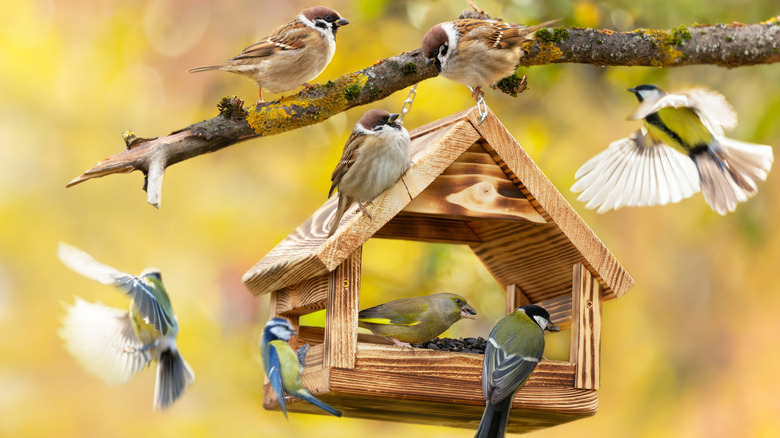
Keep the water fresh and clean, and consider a shallow dish with a gentle drip or fountain feature to catch birds’ attention.
Have you tried adding water? Sometimes this simple addition turns a quiet feeder into a lively hotspot.
Credit: www.housedigest.com
Frequently Asked Questions
Why Are Birds Avoiding My Bird Feeder?
Birds may avoid feeders due to poor seed quality, frequent disturbances, or feeder placement in unsafe areas. Clean feeders regularly and place them in quiet, sheltered spots to attract birds.
How Does Feeder Location Affect Bird Visits?
Location impacts bird visits as feeders near cover and away from predators attract more birds. Place feeders close to trees or shrubs for safety and shelter.
Can Seed Type Influence Bird Attraction?
Yes, seed type greatly affects bird attraction. Different birds prefer specific seeds like sunflower, nyjer, or millet. Use fresh, high-quality seeds to draw diverse bird species.
Why Is My Bird Feeder Empty But No Birds Come?
Squirrels or other animals may be stealing the seed. Also, seeds might be moldy or spoiled. Use squirrel-proof feeders and replace old seeds regularly.
Conclusion
Birds may avoid feeders for many simple reasons. Check the food type and freshness first. Make sure the feeder stays clean and safe. Place it where birds feel secure and comfortable. Patience helps; birds need time to discover new spots.
Small changes can make a big difference. Keep trying different seeds and feeder locations. Soon, you will enjoy more feathered visitors. A quiet, steady effort brings birds back again.