
Have you ever wondered how some birds manage to raise their young without building a nest or caring for their babies? Brood parasite birds have a unique and surprising behavior that might change the way you see nature.
These clever birds trick others into doing all the hard work of parenting. If you want to discover how they pull off this amazing trick and what it means for the birds they target, keep reading. You’ll be amazed by the strange and fascinating world of brood parasite birds.
Brood Parasitism Basics
Brood parasitism is a fascinating behavior in some bird species. These birds avoid raising their own chicks. Instead, they lay eggs in other birds’ nests. The host birds then raise the parasitic chicks, often at the cost of their own offspring.
This strategy allows brood parasites to save energy and time. They can produce more eggs without the burden of parenting. It also challenges the host birds, who may not notice the foreign eggs right away.
Definition And Key Characteristics
Brood parasitism means one bird lays eggs in another bird’s nest. The parasite bird leaves egg care to the host. Key traits include:
- Laying eggs in nests of other species
- Host birds incubate and feed parasite chicks
- Parasite chicks often hatch earlier than host chicks
- Some parasite chicks push out host eggs or chicks
- Parasite eggs may mimic host eggs to avoid detection
Common Brood Parasite Species
Several bird species are well-known for brood parasitism. Some common examples are:
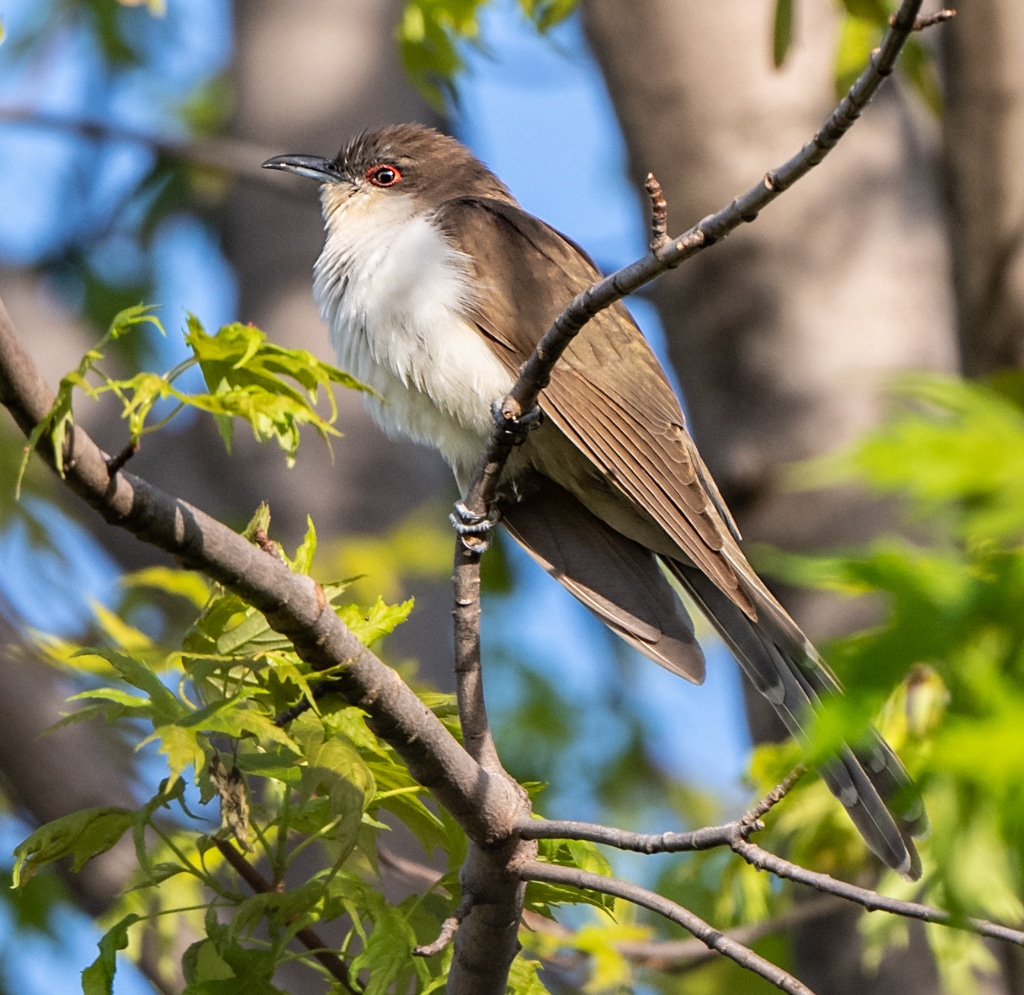
- Cuckoos– Famous for laying eggs in many host nests
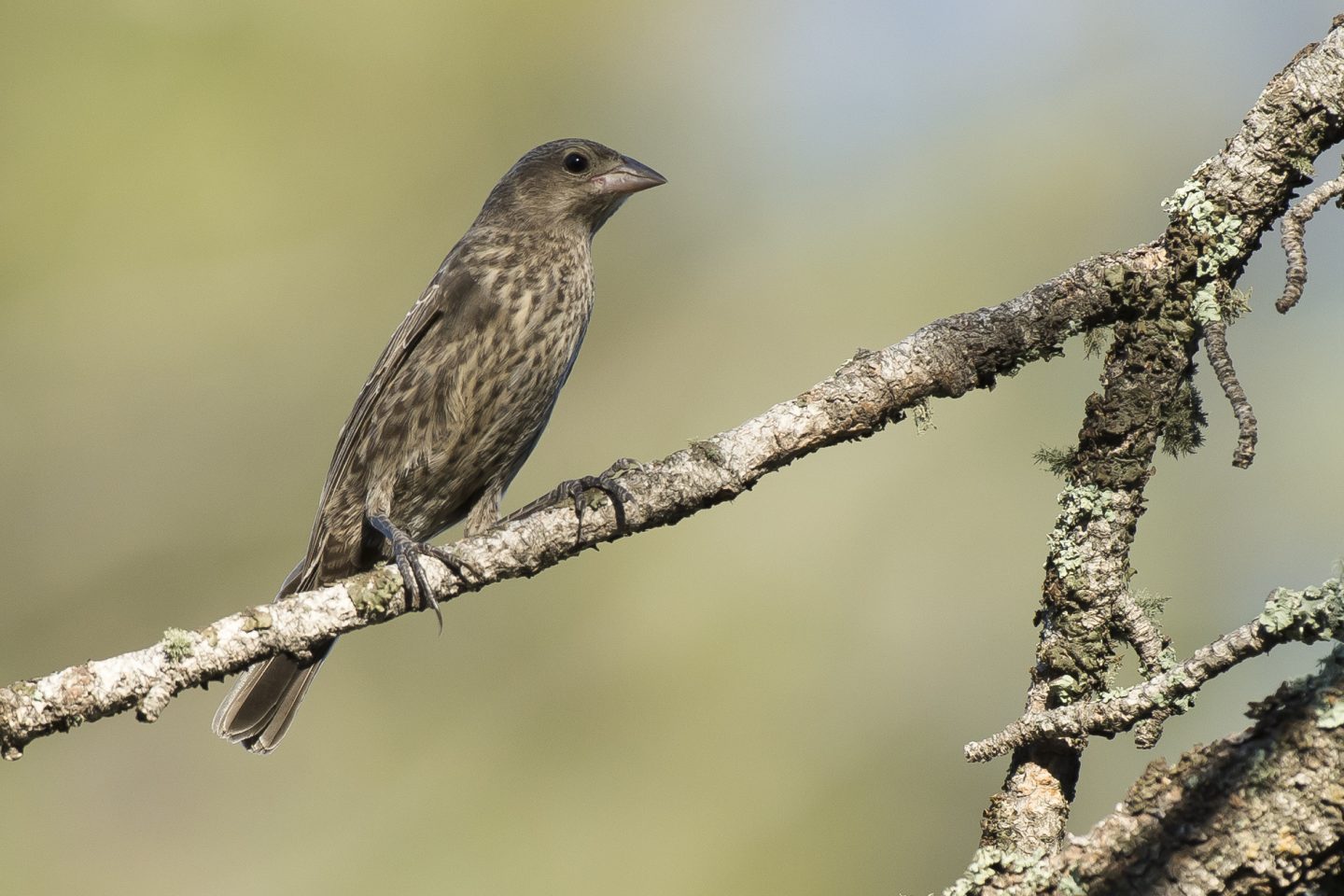
- Brown-headed Cowbirds– Parasites of songbirds across North America
- Honeyguides– Known in Africa for parasitizing woodpeckers and other birds
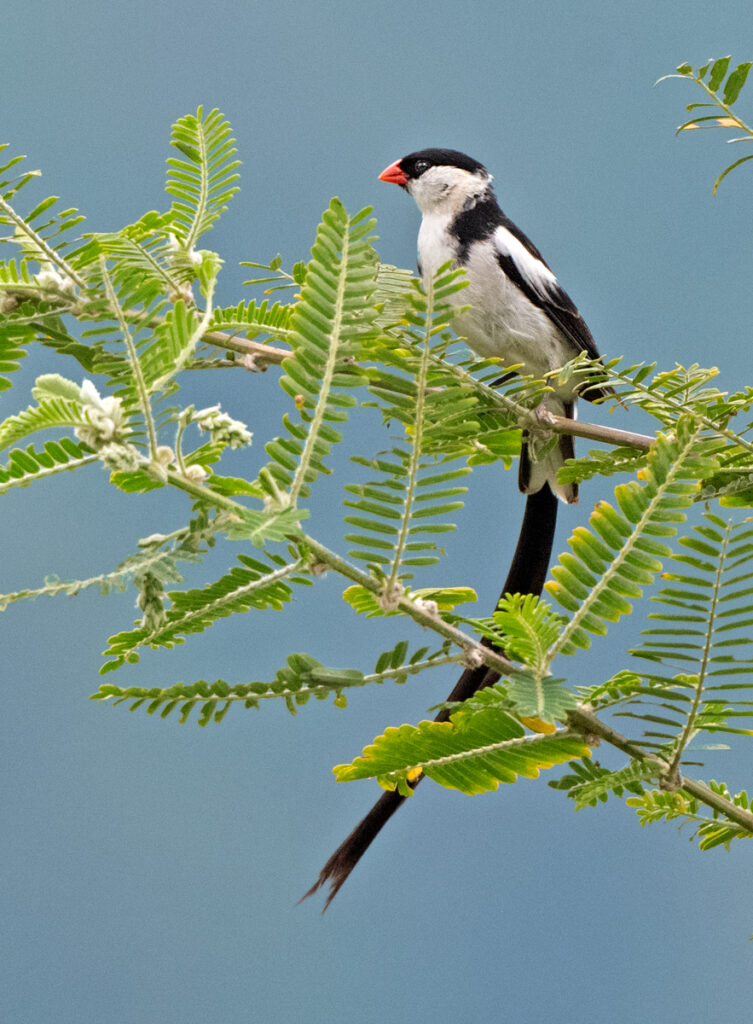
- Vidua finches– African finches that mimic host eggs and chicks
Each species has unique methods to trick host birds. Some are masters of disguise. Others rely on speed and timing to place eggs unnoticed.
Credit: owendeutsch.com
Egg Mimicry And Deception
Egg mimicry and deception are at the heart of brood parasite birds’ survival strategy. These birds lay their eggs in the nests of other species, relying on trickery to ensure their offspring get raised by unsuspecting hosts. The success of this strategy depends heavily on how well the parasite’s eggs can imitate those of the host.
How Parasites Match Host Eggs
Brood parasites have evolved to produce eggs that closely resemble the color, size, and pattern of their chosen host’s eggs. This mimicry reduces the chance that the host bird will recognize and reject the foreign egg.
Some parasites even tailor their eggs to different host species. For example, the common cuckoo lays distinct egg types depending on which species’ nest it invades. This level of precision shows how finely tuned egg mimicry can be.
Have you ever noticed how some birds’ eggs vary dramatically within the same nest? This variation often reflects the parasite’s attempt to blend in seamlessly.
Techniques To Avoid Detection
Besides matching eggs, brood parasites use clever tactics to avoid raising suspicion. Timing is crucial—they often lay their eggs quickly and at moments when the host is away.
- Some parasites remove a host egg before adding their own, keeping the total egg count unchanged.
- Others place their eggs in hidden corners of the nest to make detection harder.
- Parasites may also mimic the host’s egg-laying schedule to avoid raising alarms.
These behaviors show how brood parasites not only rely on physical resemblance but also on smart actions to fool their hosts. What does this teach you about the power of timing and subtlety in nature’s strategies?
Host Manipulation Strategies
Brood parasite birds have evolved clever ways to make other species raise their young. Their host manipulation strategies are key to their survival. These birds don’t build nests or care for their chicks; instead, they use different tactics to control their hosts’ behavior.
Forcing Hosts To Raise Parasite Chicks
Parasite birds lay their eggs in the nests of other birds. The host often ends up incubating the foreign eggs as if they were their own. Sometimes, the parasite chicks hatch earlier and grow faster, pushing out the host’s eggs or chicks to get all the food and care.
Think about how your efforts would feel if someone else made you care for their child without asking. This is exactly what these parasites do—they trick hosts into raising young that aren’t theirs. It’s a harsh survival trick, but it works because the host can’t always tell the difference.
Influencing Host Behavior
Parasite chicks don’t just rely on timing; they also manipulate the host’s behavior. Some chicks mimic the begging calls of multiple chicks, making the host believe they need more food. This causes the host to work harder, feeding the parasite chick more often.
In some cases, the parasite chick’s appearance resembles the host’s own chicks, reducing the chance of rejection. Hosts may also be chemically influenced to accept the parasite chick as part of their brood. These subtle influences help the parasite chick survive and thrive under the host’s care.
Have you ever wondered how much control you truly have over your environment? These birds challenge the idea that animals only act on instinct—they show how behavior can be cleverly manipulated for survival.
Chick Behavior And Survival Tactics
Brood parasite chicks show unique behaviors to survive in the host’s nest. These behaviors increase their chances of getting food and protection from their foster parents. They often outcompete the host’s own offspring to secure resources. Their tactics involve physical and vocal strategies that trigger feeding responses from the host birds.
Competition With Host Offspring
Brood parasite chicks often push or remove host eggs or chicks. This reduces competition for food and space. They grow faster and appear larger than host chicks. Their size helps them dominate the nest and get more food. Sometimes, parasite chicks use aggressive movements to scare host siblings away. This behavior ensures they receive most of the care from the host parents.
Calls And Begging To Secure Food
Parasite chicks have loud, persistent begging calls. These calls sound more urgent than the host chicks’ calls. The intensity of begging prompts host parents to feed them more often. Some parasite chicks mimic the calls of multiple host chicks. This tricks the host parents into thinking the nest has more hungry mouths. The result is more food delivered to the parasite chick, improving its survival chances.
Adaptations For Successful Parasitism
Brood parasite birds have evolved remarkable adaptations that ensure their survival without the need to raise their own young. These birds rely on other species to incubate their eggs and feed their chicks, which demands a blend of cunning, precision, and physical traits. Understanding these adaptations reveals the complexity behind what might seem like simple trickery at first glance.
Stealth And Timing In Egg Laying
Successful brood parasitism depends heavily on the parasite bird’s ability to lay eggs without being detected. These birds watch their host’s nests closely and often wait for the perfect moment when the host is away. Timing is critical because laying an egg too early or too late can result in rejection or neglect.
Many brood parasites can lay their eggs incredibly fast—sometimes in just a few seconds. This speed reduces the chance of being caught by the host bird. Have you ever noticed how quiet and quick some birds can be? This skill is not just natural talent but a survival strategy.
Physical Traits Supporting Parasitism
Brood parasite birds often exhibit physical features that aid their deceptive lifestyle. Some have evolved eggs that closely mimic the color and pattern of their host’s eggs, making it difficult for hosts to spot the intruder. This mimicry increases the likelihood that the host will accept and incubate the foreign egg.
Additionally, many parasitic chicks hatch earlier and grow faster than the host’s own young. Some even push other eggs or chicks out of the nest to monopolize the care and resources of the foster parents. These physical and behavioral traits give parasitic birds a competitive edge you might not expect.
Host Responses And Countermeasures
Host birds have developed clever ways to fight back against brood parasites. They use different strategies to protect their nests and offspring. These responses help reduce the chances of raising another bird’s chick. Understanding these actions reveals a fascinating battle in nature.
Egg Rejection And Nest Abandonment
One common defense is egg rejection. Host birds spot eggs that look different. They either push these foreign eggs out of the nest or build a new nest layer over them. This keeps their own eggs safe.
Some birds choose nest abandonment. If the parasite’s egg is too obvious, hosts may leave the nest empty. They start fresh elsewhere. This choice saves energy and protects future broods from parasites.
Evolutionary Arms Race
The fight between parasites and hosts is an ongoing arms race. Parasites evolve to mimic host eggs closely. Hosts improve their ability to detect fake eggs. Each side adapts to outsmart the other.
This race drives changes in egg color, pattern, and size. Both birds constantly adjust behaviors. This struggle shapes their evolution over time.
Surprising Behavioral Discoveries
Brood parasite birds exhibit behaviors that challenge what we usually expect from birds. Their survival depends on tricking other species into raising their young. Yet, recent discoveries show they also display surprising social skills and sharp mental abilities that help them succeed in this tricky lifestyle.
Social Interactions Among Parasites
You might think brood parasites are lone tricksters, but many actually engage in complex social behaviors. Some species, like cuckoos, gather in groups to observe potential host nests together. This teamwork increases their chances of finding the perfect nest to lay their eggs.
Interestingly, these birds also communicate through calls to warn others about dangers or to signal when a host nest is vulnerable. Have you ever wondered how these interactions influence their success? It turns out, social cooperation among parasites is key to outsmarting their hosts.
Learning And Memory In Parasite Birds
Brood parasites rely heavily on their memory to remember which nests they’ve visited and which are best suited for laying eggs. Their learning ability is impressive—they quickly recognize host species and adapt their egg appearance to match. This skill reduces the chance of their eggs being rejected.
Studies show these birds can even remember individual hosts and adjust their behavior accordingly. Imagine how sharp your memory would need to be to keep track of so many hosts and nests! This sharp mental capacity is a crucial survival tool for brood parasites.
Credit: owendeutsch.com
Credit: magazine.outdoornebraska.gov
Frequently Asked Questions
What Is Brood Parasitism In Birds?
Brood parasitism occurs when birds lay eggs in other birds’ nests. The host birds raise the parasite’s chicks, often at their own expense. This behavior helps brood parasites avoid parental care, increasing their reproductive success while exploiting other species.
How Do Brood Parasite Birds Choose Host Nests?
Brood parasites select host nests based on species, timing, and nest accessibility. They often target nests with similar egg appearance to avoid detection. This careful selection increases the chances of their eggs being accepted and raised by the host bird.
What Behaviors Do Brood Parasite Chicks Exhibit?
Brood parasite chicks often hatch earlier and grow faster. They may push host eggs or chicks out of the nest to eliminate competition. These behaviors ensure they receive maximum food and care from the unsuspecting host parents.
Why Do Brood Parasites Mimic Host Eggs?
Brood parasites mimic host eggs to avoid detection. Similar egg appearance reduces the chance of the host rejecting the foreign eggs. This mimicry increases the survival rate of the parasite’s offspring in the host nest.
Conclusion
Brood parasite birds exhibit fascinating and unique behaviors. These birds lay their eggs in other birds’ nests. Host birds raise the young parasites unknowingly. This behavior ensures survival without parental effort. The host birds often struggle to care for the demanding chicks.
Some host birds may even reject foreign eggs. Yet, many brood parasites succeed in this deceptive strategy. Their adaptations and tactics are impressive. Observing these birds reveals nature’s complexity. Understanding their behavior helps appreciate avian diversity. Nature’s balance thrives on such intricate relationships.
These birds remind us of the wonders and challenges in the wild.