

Have you ever wondered how birds manage to fly long distances without getting tired? Or how they stay active all day without running out of energy?
Understanding how birds conserve energy can reveal some surprising secrets about their behavior and survival. You’ll discover simple yet fascinating ways birds save energy, helping you appreciate these amazing creatures even more. Keep reading, and you might find clever tips that could inspire how you manage your own energy too!
Energy Needs Of Birds
Birds need energy to survive and perform daily activities. Their bodies burn fuel to keep warm, fly, and find food. Energy use depends on the bird’s size, species, and behavior. Understanding how birds manage energy helps explain their habits and survival skills.
Metabolic Rates And Flight
Birds have high metabolic rates, meaning they burn energy fast. Flight uses the most energy compared to other activities. Muscles work hard to flap wings and stay in the air. Small birds often burn energy quicker than large birds. Some birds rest between flights to save energy.
Daily Energy Expenditure
Birds spend energy on many tasks each day. These include:
- Flying and searching for food
- Keeping their body temperature steady
- Building nests and caring for young
- Moving and avoiding predators
The total energy spent changes with the bird’s lifestyle and environment. Birds use strategies to reduce energy use and survive tough times.
Flight Techniques That Save Energy
Birds have mastered the art of conserving energy during flight through various clever techniques. These strategies help them travel long distances without exhausting themselves. Understanding these flight techniques can change the way you observe birds and even inspire your own energy-saving habits.
Soaring And Gliding
Soaring allows birds to ride air currents instead of constantly flapping their wings. By using thermal updrafts, birds like hawks and eagles gain altitude with minimal effort.
Gliding follows soaring, where birds stretch their wings and coast downwards slowly. This technique reduces energy use dramatically during long flights.
Have you ever noticed how effortless a soaring bird looks? It’s a perfect example of working smarter, not harder.
Formation Flying
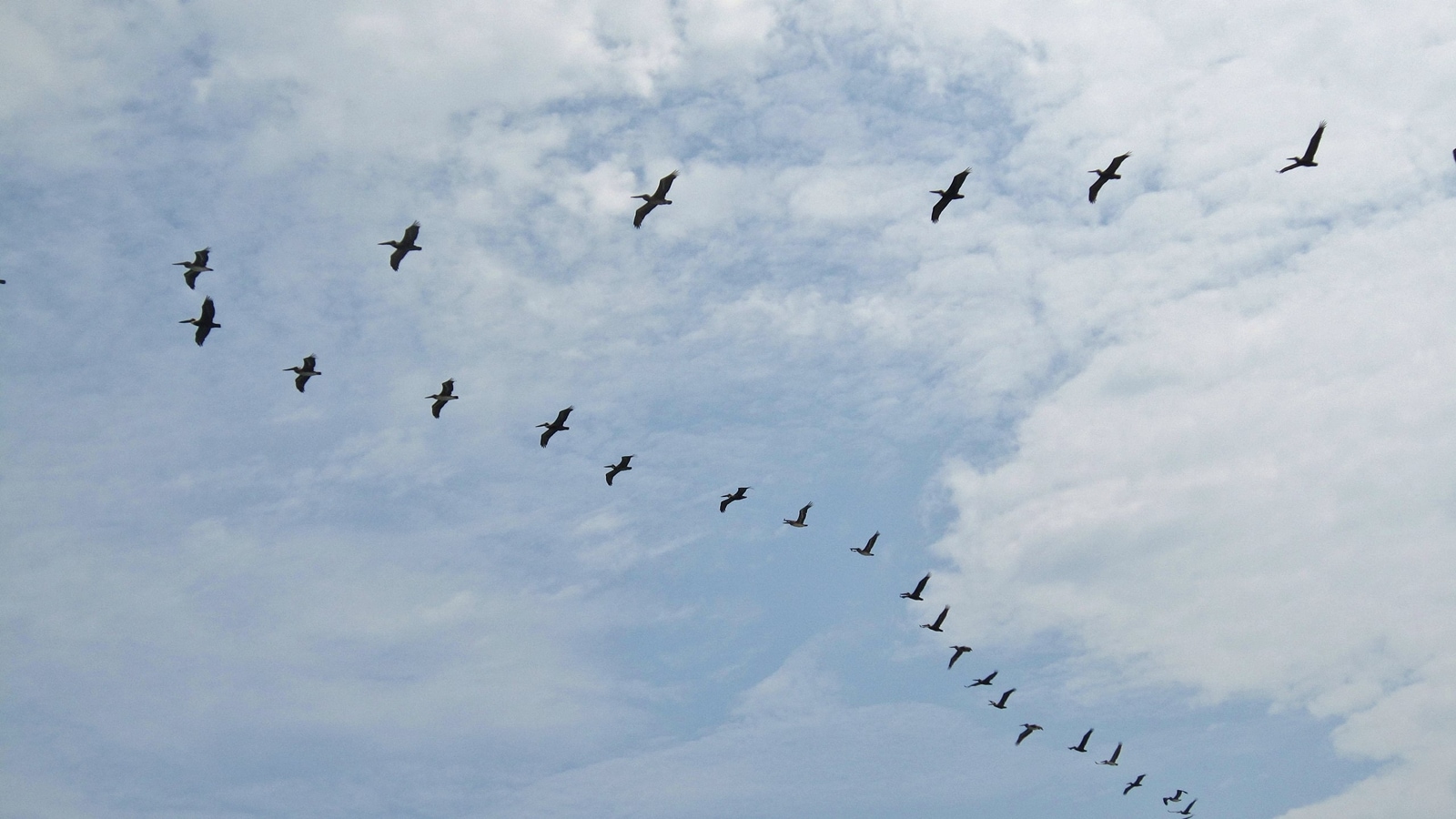
Many birds, especially migratory species like geese, fly in a V-formation. This setup reduces wind resistance for birds behind the leader.
Each bird benefits from the upwash created by the wings of the bird in front, saving energy for the whole group. The leader rotates regularly, sharing the hard work equally.
Imagine how much energy you could save if you took turns leading in a group activity. Could this teamwork approach apply to your daily routines?
Wing Morphology
The shape and size of a bird’s wings are perfectly adapted to its lifestyle and energy needs. Long, narrow wings are great for gliding and soaring, while shorter, broader wings allow quick bursts of speed.
Birds like albatrosses have wings designed to lock in place, letting them glide for hours without flapping. This structural adaptation plays a huge role in conserving energy during flight.
Next time you see a bird, take a moment to observe its wings. How might their design influence the way they move and save energy?
Behavioral Adaptations
Birds have developed clever behavioral adaptations to save energy in their daily lives. These behaviors help them survive harsh conditions and optimize their energy use. Understanding these strategies can change how you see birds in your own backyard.
Resting And Roosting Strategies
Birds choose resting spots that protect them from wind and cold. Some tuck their bills under their wings to reduce heat loss. You might notice how some birds gather in groups at night—this shared warmth helps everyone conserve energy.
Have you ever seen a small bird fluff up its feathers on a chilly day? This simple action traps air and keeps them warmer without burning extra energy.
Feeding Patterns
Birds time their feeding to match when food is most available and easy to catch. Many feed early in the morning or late in the afternoon to avoid the heat of midday, which can drain energy. Some species even store food to reduce the need for constant searching.
Think about the last time you watched a hummingbird. It visits flowers in a pattern that saves the most energy while collecting nectar. Could adjusting your daily routine help you work smarter, not harder?
Migration Timing
Migration is a huge energy challenge, so birds pick the best times to travel when wind conditions are favorable. They often leave just before storms or during cool, calm weather to avoid extra effort. Timing their journeys this way helps them cover long distances without wasting energy.
Have you noticed how some birds pause at stopover sites to rest and refuel? These breaks are essential for energy recovery before continuing their trip.

Credit: www.discovermagazine.com
Physiological Mechanisms
Birds have developed fascinating physiological mechanisms to conserve energy, allowing them to survive in various environments and undertake long migrations. These natural adaptations help them balance energy intake and expenditure efficiently. Understanding these mechanisms can offer insights into how you might manage your own energy better.
Thermoregulation
Birds regulate their body temperature to avoid wasting energy. They fluff up their feathers to trap warm air when it’s cold, creating an insulating layer. On hot days, they spread their wings or pant to cool down, preventing overheating without using too much energy.
Have you noticed how some birds tuck one leg up while resting? This simple action reduces heat loss. By managing their temperature smartly, birds save energy that would otherwise be spent on maintaining a stable body heat.
Fat Storage And Utilization
Fat acts as birds’ primary energy reserve. Before long flights, many species increase fat storage, which provides a high-energy fuel source. This stored fat is metabolized slowly and efficiently, helping them fly thousands of miles without stopping.
Interestingly, birds can control how they burn fat and carbohydrates during activity. This selective use optimizes energy output. Could managing your energy sources during intense tasks improve your endurance like it does for birds?
Muscle Efficiency
Bird muscles are incredibly efficient, designed to minimize energy use during flight. Their flight muscles have a high density of mitochondria, which produce energy quickly and efficiently. This adaptation allows birds to sustain long periods of activity without fatigue.
Muscle efficiency also means quick recovery. Birds rest and refuel strategically to keep their muscles in top shape. Think about how improving your muscle efficiency through targeted exercise could help you conserve energy in daily activities.
Environmental Influences
Birds constantly face challenges from their environment that affect how they save energy. These environmental factors shape their daily routines and survival strategies. Understanding these influences can give you a new appreciation of how adaptable birds are in managing their energy.
Habitat Selection
Birds often choose habitats that help them minimize energy use. Dense forests or sheltered areas protect them from harsh winds, reducing the effort needed to stay warm. Have you noticed how some birds prefer nesting near water? These spots provide both food and a moderate climate, making it easier for birds to conserve energy.
Weather Impact
Weather plays a huge role in how birds manage their energy. On cold days, you might see birds fluffing their feathers to trap heat and reduce energy loss. During storms or strong winds, many birds seek refuge to avoid exhausting themselves. How do you think sudden weather changes affect their feeding habits?
Seasonal Changes
As seasons shift, birds adjust their behavior to save energy. In winter, some species lower their body temperature slightly to use less energy during cold nights. Others migrate to warmer climates, which takes energy upfront but saves much more in the long run. Have you ever wondered how birds decide when to start their migration based on seasonal cues?
Credit: indianexpress.com
Energy Conservation In Nesting And Breeding
Birds face tough challenges during nesting and breeding seasons. These activities demand a lot of energy, but birds have clever ways to save it. Understanding these strategies can change how you see their behavior and survival skills.
Nest Construction
Building a nest might seem simple, but it’s a smart energy-saving move. Birds pick materials that are easy to gather and arrange. This reduces the time and effort spent on construction, leaving more energy for other vital tasks.
Some birds reuse old nests or choose spots that naturally protect against weather. This choice cuts down on the need for extra insulation or repairs. Have you ever noticed how some nests blend perfectly into their surroundings? That’s nature’s way of saving energy on defense and maintenance.
Parental Care Strategies
Parental care can be exhausting, but birds manage it efficiently. They often share duties between both parents, allowing each to rest and feed. This teamwork balances energy use and improves the chances of offspring survival.
Birds also time their care activities, like feeding and warming chicks, during cooler parts of the day. This timing avoids overheating and reduces energy spent on regulating body temperature. What could you learn from this about managing your own energy during busy times?
Human Impact On Bird Energy Use
Birds depend on efficient energy use to survive and thrive. Human activities change their habitats and routines. These changes affect how birds conserve energy daily. Understanding the human impact helps protect bird populations and their energy balance.
Urbanization Effects
Cities create new challenges for birds. Buildings and roads reduce natural spaces. Birds must travel farther to find food and shelter. This extra effort burns more energy. Noise and light pollution disrupt their rest. Poor sleep affects their ability to save energy. Some birds adapt by changing their feeding times or nesting spots. Others struggle to keep up with fast urban changes.
Climate Change Challenges
Rising temperatures shift bird habitats and food sources. Birds may need to fly longer distances to find cooler areas. Changes in weather patterns affect food availability. Scarce food means birds must expend more energy searching. Extreme weather events can destroy nests and shelters. Birds use energy to rebuild and recover. These challenges force birds to use energy differently than before. Survival depends on how well they adjust to new conditions.

Credit: www.sciencedirect.com
Frequently Asked Questions
How Do Birds Reduce Energy During Flight?
Birds conserve energy in flight by using aerodynamic gliding and soaring techniques. They exploit air currents and thermals to minimize wing flapping, which lowers energy use and extends flight duration.
Why Do Birds Fluff Their Feathers To Save Energy?
Fluffing feathers traps warm air close to their bodies. This insulation reduces heat loss, helping birds maintain body temperature with less energy during cold weather.
How Does Resting Behavior Help Birds Conserve Energy?
Birds rest during the hottest or coldest parts of the day. This behavior lowers their metabolic rate and conserves energy that would otherwise be used for activity.
What Role Does Diet Play In Birds’ Energy Conservation?
Birds consume high-energy foods like seeds and insects. Efficient digestion and choosing energy-rich food sources help them maintain energy balance and reduce excessive energy use.
Conclusion
Birds save energy in many smart ways. They rest at the right times and fluff their feathers to stay warm. Some birds fly in groups to cut wind resistance. They also eat just enough to keep their strength. These small habits help birds survive and thrive.
Watching birds teaches us about nature’s clever designs. Energy conservation is key for their daily life. Simple actions make a big difference for birds every day. Understanding this helps us appreciate their amazing skills.