

Are you a bird lover who enjoys feeding wild birds in your backyard? You might wonder if those little acts of kindness could also help you save money on your taxes.
It’s a question many nature enthusiasts ask: Is feeding wild birds considered a conservation expense for tax purposes? Understanding this could change how you view your hobby—and your tax return. Keep reading to find out if your love for birds can bring you financial benefits and what you need to know to make the most of it.

Credit: www.yahoo.com
Tax Rules For Wildlife Expenses
Understanding the tax rules for wildlife expenses can help you decide whether feeding wild birds qualifies as a deductible conservation activity. It’s important to distinguish between personal enjoyment and genuine conservation efforts in the eyes of the IRS. Let’s break down how the IRS views these expenses and what qualifies as a conservation-related deduction.
Personal Vs Conservation Expenses
Feeding wild birds in your backyard usually falls under personal expenses. The IRS considers these costs part of your hobby or personal enjoyment, not a business or charitable activity.
However, if you’re actively engaged in a conservation project recognized by a qualified organization, some expenses might qualify as conservation costs. For example, purchasing supplies for a certified wildlife habitat or supporting a state-approved conservation effort could be deductible.
Ask yourself: Are you feeding birds just for fun, or are you supporting a formal conservation program? The answer determines if these expenses are personal or conservation-related for tax purposes.
Irs Guidelines On Wildlife Donations
The IRS allows deductions for donations made to qualified conservation organizations. This includes cash gifts, property, or other support that furthers wildlife preservation.
Keep detailed records and receipts for any contributions, especially if you donate birdfeed or equipment to a nonprofit focused on conservation. These donations may be deductible if the organization is recognized under IRS rules.
Remember, simply spending money on wildlife at home usually doesn’t qualify. But donating to a registered conservation group might give you tax benefits while helping the environment.
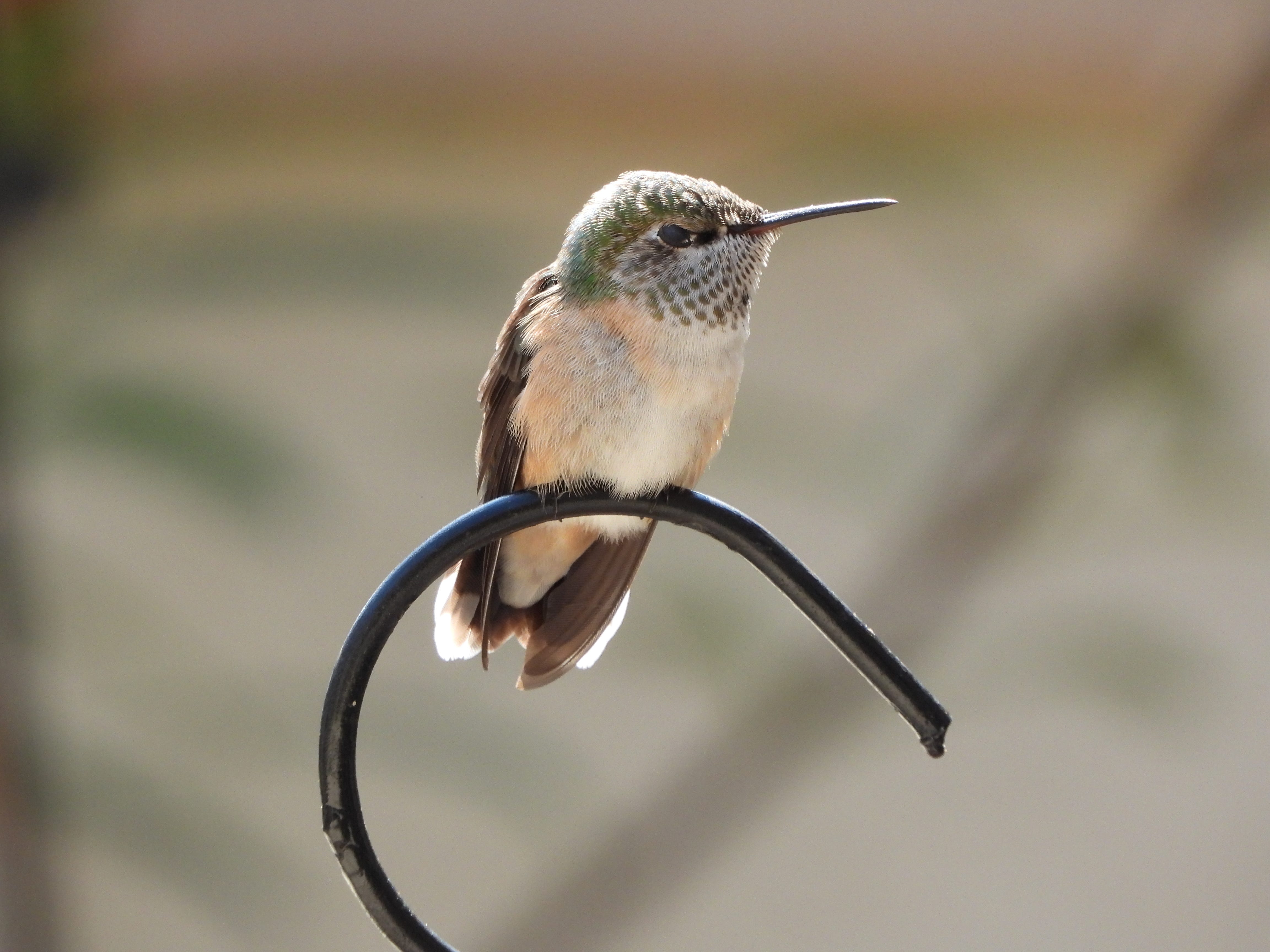
Credit: medium.com
Feeding Wild Birds And Tax Deductions
Feeding wild birds can be a rewarding hobby that connects you with nature. But can the costs involved be considered a conservation expense for tax purposes? Understanding when and how feeding wild birds can qualify as a tax deduction helps you make informed financial decisions while supporting your passion.
When Feeding Counts As A Deductible Expense
You might wonder if buying birdseed and feeders can reduce your taxable income. Generally, personal expenses like feeding backyard birds are not deductible. However, if you operate a qualified conservation program or nonprofit focused on wildlife preservation, these costs may qualify as business or charitable expenses.
For instance, if you run a licensed wildlife rehabilitation center, purchasing food for wild birds as part of their care might be deductible. Documentation is key—keep receipts and records proving the expense directly supports your conservation activities. Without a clear business or charitable purpose, the IRS typically views bird feeding as a personal hobby expense.
Common Mistakes To Avoid
- Claiming Personal Expenses:Don’t list backyard bird feeding as a charitable deduction unless you’re part of a registered organization.
- Lack of Documentation:Failing to keep receipts and records weakens your claim and could trigger audits.
- Mixing Personal and Business Use:If you use feeders both for personal enjoyment and conservation, separate the expenses carefully.
- Assuming All Wildlife-Related Costs Are Deductible:Only expenses directly tied to a qualified conservation effort count.
Have you tracked your bird feeding costs this year? If you’re serious about turning your passion into a deductible conservation effort, start by organizing your expenses and checking your eligibility carefully. Doing so can help you support wild birds while managing your taxes wisely.
Qualified Conservation Contributions
Qualified conservation contributions refer to donations made to eligible organizations that work to protect, preserve, or restore natural habitats and wildlife. These contributions can sometimes be claimed as tax deductions, but not every activity related to conservation qualifies. Understanding what counts as a qualified contribution is key if you want to make sure your efforts support conservation and offer you tax benefits.
Types Of Eligible Conservation Activities
Not all conservation actions are eligible for tax deductions. Typically, qualified contributions involve donating land, easements, or funds to organizations dedicated to preserving natural resources. Activities such as protecting wetlands, restoring native habitats, or conserving endangered species often qualify.
- Donating a conservation easement to a land trust
- Contributing funds to organizations that protect wildlife habitats
- Gifting land that is preserved for natural resource conservation
Simply feeding wild birds at your backyard, while beneficial for local wildlife, generally does not qualify as a conservation contribution for tax purposes. Did you know that the IRS requires the contribution to be made to a qualified organization and serve a clear conservation purpose? This distinction matters when you plan your donations.
Documentation Needed For Tax Claims
Keeping thorough records is crucial if you want to claim qualified conservation contributions on your taxes. You’ll need a written acknowledgment from the organization detailing the contribution and its conservation purpose. This document must describe the donated property or funds and confirm that you received no goods or services in return.
- Receipts or letters from the qualified organization
- Detailed description of the donated property or funds
- Appraisals if you donate property valued over $5,000
Have you ever wondered how detailed your documentation should be? The IRS expects clear proof that your contribution meets all legal requirements. Without proper paperwork, your deduction claim might be denied, which could cost you more than you saved.
Record Keeping For Bird Feeding Expenses
Keeping accurate records of your bird feeding expenses is crucial if you want to claim them as a conservation expense for tax purposes. Without detailed documentation, it’s difficult to prove that your spending directly supports wildlife conservation efforts. Good record keeping not only simplifies tax filing but also helps you understand where your money goes and how you can optimize your contributions.
Tracking Costs Effectively
Start by separating your bird feeding expenses from other household costs. Use a dedicated notebook or digital spreadsheet to note down every purchase related to bird seed, feeders, and habitat improvement. Regular updates prevent forgotten expenses and make it easier to spot trends in your spending.
Ask yourself: Are you tracking all types of costs? This could include transportation to buy supplies or even specialized equipment for feeding. Recognizing these as part of your conservation effort can add up over time.
Using Receipts And Logs
Keep every receipt from bird seed purchases, feeder maintenance, and related items in one place. A simple envelope or a digital folder on your phone works well. This way, you avoid scrambling for proof when tax season arrives.
Alongside receipts, maintain a feeding log. Note dates, types of food used, and any observations about bird activity. This detailed record not only supports your expense claims but also shows your active involvement in conservation.
Tax Benefits Of Supporting Bird Habitats
Supporting bird habitats can go beyond personal satisfaction and actually offer you tax benefits. If you care about conservation, knowing how your contributions translate into tax deductions can make your efforts even more rewarding. Whether you donate money or volunteer your time, there are ways to reduce your taxable income while helping wild birds thrive.
Donations To Conservation Organizations
Giving money to recognized bird conservation groups often qualifies as a tax-deductible donation. These organizations use your contributions to maintain and restore habitats that wild birds rely on. When you donate, keep a record of your receipt to claim the deduction accurately on your tax return.
Have you considered how even small donations add up? For instance, a $50 contribution to a local bird sanctuary can support planting native trees, which benefits many species. This not only helps the environment but also provides you with a potential tax write-off.
Volunteer Work And Expense Deductions
Volunteering your time for bird habitat projects is invaluable, but did you know some related expenses may also be deductible? Costs such as mileage to and from the site, supplies you purchase for the project, and even protective clothing can sometimes be claimed on your taxes.
If you volunteer regularly, track these expenses carefully. Suppose you drive 100 miles in a month to help build birdhouses; the IRS standard mileage rate could reduce your taxable income. This makes your contribution of time and money work harder for both the birds and your finances.
Professional Advice And Resources
Getting clear and reliable information about whether feeding wild birds counts as a conservation expense for tax deductions can be tricky. Professional advice and trustworthy resources are crucial to help you navigate the rules without guessing. This section points you toward expert help and official IRS materials that clarify what expenses qualify.
Consulting Tax Experts
Tax professionals have the knowledge to break down complex IRS rules into simple terms that make sense for your situation. If you’ve ever tried to claim unusual expenses, you know how confusing it can get. A tax advisor or CPA can examine your bird-feeding activities and tell you if they fit within deductible conservation efforts.
Think about reaching out to experts who specialize in environmental or charitable deductions. They can provide personalized advice and avoid costly mistakes. Have you considered how much time you could save by asking a pro instead of digging through tax code yourself?
Useful Irs Publications
The IRS offers several publications that explain what counts as a deductible conservation expense. Publications like IRS Publication 526(Charitable Contributions) and IRS Publication 526-Aprovide detailed guidance on qualifying donations and expenses.
Reading these documents can help you understand the official criteria before spending money or claiming deductions. You can find them on the IRS website, free and easy to download. Have you checked if your bird-feeding expenses align with the examples listed in these publications?
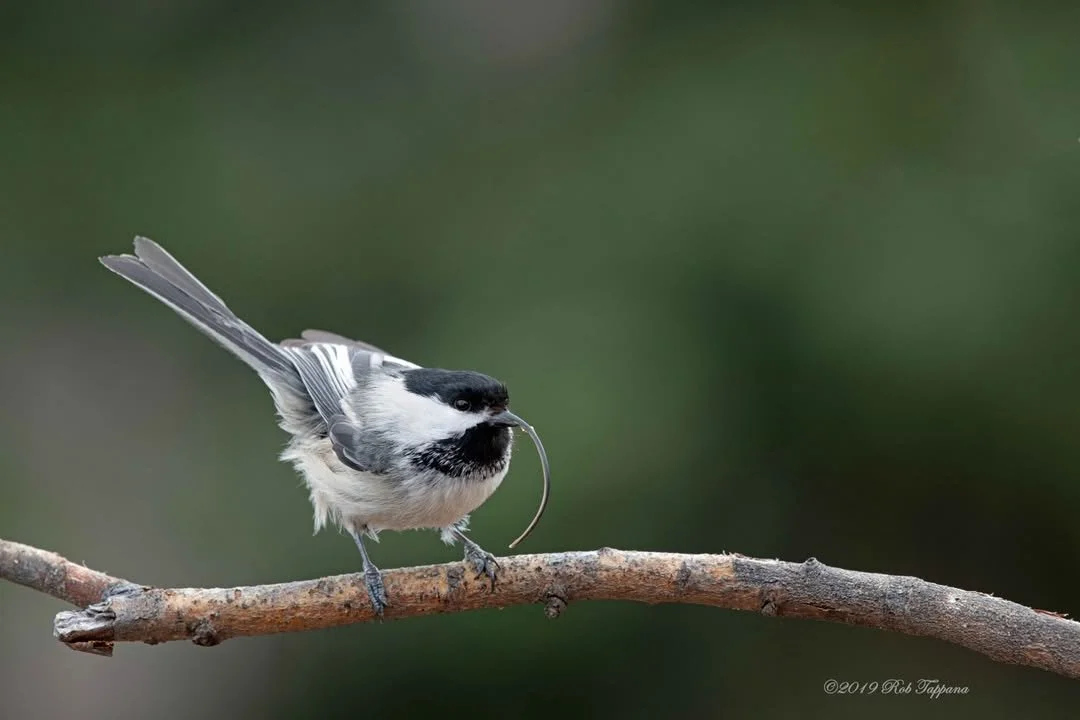
Credit: www.birdtlc.org
Frequently Asked Questions
Can Feeding Wild Birds Be A Tax-deductible Expense?
Feeding wild birds is generally considered a personal hobby. It is rarely deductible as a conservation expense on taxes. Only specific, documented conservation activities related to qualified organizations may qualify for deductions.
What Qualifies As A Conservation Expense For Tax Purposes?
Conservation expenses must be directly related to preserving wildlife or habitats. They typically involve donations to recognized conservation groups or costs for approved projects. Personal activities like feeding birds usually do not qualify.
How To Claim Conservation Expenses On Tax Returns?
You must have proper documentation and receipts. Claim expenses only if they meet IRS guidelines for conservation purposes. Consult a tax professional to ensure your deductions are valid and supported.
Are Donations To Wildlife Organizations Tax-deductible?
Yes, donations to registered wildlife and conservation organizations are typically tax-deductible. Keep receipts and proof of donation. This helps support conservation efforts and can reduce your taxable income.
Conclusion
Feeding wild birds can be rewarding and beneficial. It supports local wildlife and enhances biodiversity. However, tax deductions may not always apply. Understanding tax rules is crucial. Consult a tax professional for guidance. Weigh the benefits against costs. Be mindful of local regulations.
Responsible feeding practices ensure a positive impact. Keep learning and stay informed. Making a difference starts with small actions. Enjoy the beauty and joy birds bring. Remember, every effort counts in conservation. Balance enjoyment with responsibility for nature’s well-being.