

Imagine holding a rare bird right in your hand—a symbol of success that many thought was out of reach. When it comes to conserving the sage-grouse, states have taken charge and shown that focused action can lead to real, lasting results.
If you care about wildlife and want to see how smart, state-driven efforts can protect this iconic bird, you’ll want to dive into this story. Discover how local power and commitment are making a difference—and what it means for the future of conservation.
Keep reading to learn how your support can help keep the sage-grouse flying strong.
Credit: projectupland.com
Sage-grouse Habitat Challenges
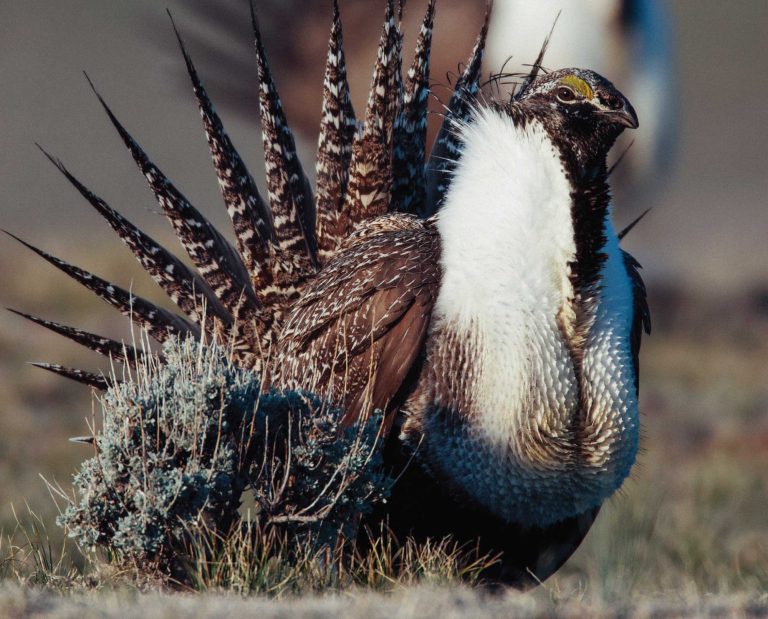
Sage-Grouse face several challenges that threaten their habitat. Their survival depends on healthy habitats. Unfortunately, these areas face numerous threats today.
Key Threats To Sage-grouse
The sage-grouse habitat is under attack from various fronts. Human activities like agriculture reduce their living space. Roads and urban development fragment their habitats. Energy production also poses a significant threat. These activities make it hard for sage-grouse to find food and shelter.
Impact Of Habitat Loss
Habitat loss affects sage-grouse populations severely. Reduced space means fewer breeding sites. This leads to lower reproduction rates. Young birds struggle to survive without proper cover. As their habitat shrinks, so do their numbers.
Role Of Climate Change
Climate change adds another layer of difficulty. It alters the sage-grouse’s environment unpredictably. Changing temperatures affect vegetation growth. This impacts food availability for these birds. Droughts and wildfires further degrade their habitats.

Credit: thewildlifenews.com
State-driven Conservation Efforts
State-driven conservation efforts play a vital role in protecting sage-grouse populations. States tailor their actions based on local needs and conditions. These efforts often lead to more effective and timely conservation outcomes. Through focused strategies, states can address specific threats facing the sage-grouse.
Collaboration between agencies, communities, and experts strengthens these efforts. States also influence policy and funding, making conservation sustainable. This approach balances ecological goals with economic and social interests.
State Wildlife Agencies’ Role
State wildlife agencies lead the charge in sage-grouse conservation. They monitor populations and habitats closely. These agencies develop management plans that guide conservation actions. They also enforce regulations to protect critical areas. Their local knowledge ensures efforts match on-the-ground realities.
Collaborative Partnerships
Partnerships between state agencies, landowners, and conservation groups boost success. Sharing resources and expertise helps tackle complex challenges. Collaborative projects include habitat restoration and research initiatives. These partnerships create trust and shared responsibility. They also encourage community involvement in protecting sage-grouse.
Funding And Policy Support
States secure funding to support conservation programs and projects. They often work with federal agencies to align goals and resources. Policy support helps set clear rules for land use and protection. Incentives encourage private landowners to participate in conservation. Strong policies and steady funding sustain long-term efforts.
Effective Strategies For Habitat Protection
Protecting sage-grouse habitat demands more than just good intentions—it requires targeted, effective strategies that address the core challenges these birds face. By focusing on land management, restoration, and preventing habitat fragmentation, you can play a vital role in creating a sustainable environment for sage-grouse populations to thrive. Let’s dive into practical ways you can help safeguard these crucial areas.
Land Management Practices
Good land management starts with understanding the unique needs of sage-grouse. Grazing schedules, controlled burns, and invasive species control all impact habitat quality. Adjusting grazing to avoid overuse during nesting seasons can boost chick survival rates significantly.
Have you considered how timing your land activities could improve habitat health? Controlled burns, when done carefully, encourage native plants that sage-grouse depend on. Managing invasive plants like cheatgrass reduces fire risks and preserves native vegetation.
Restoration Projects
Restoration brings life back to damaged sage-grouse habitats. Planting native shrubs and grasses rebuilds the ecosystem from the ground up. These projects often include reseeding with sagebrush and improving water sources.
One restoration site I visited showed how quickly native plants can return with the right care. The increase in sage-grouse sightings there was remarkable. How might restoring even small patches of habitat near you make a difference?
Preventing Fragmentation
Fragmentation splits up sage-grouse habitat, making it harder for them to find food and mates. Roads, fences, and buildings break up continuous land, isolating bird populations. Avoiding new developments in key areas helps keep habitats connected.
Consider working with local planners to identify critical corridors that need protection. Fencing designs that allow sage-grouse to pass through safely also reduce barriers. What steps could you take today to prevent habitat fragmentation in your community?
Monitoring And Research Techniques
Effective monitoring and research are vital in protecting sage-grouse populations. These techniques help track population trends, habitat use, and threats. Scientists and conservationists use various tools to gather accurate data. This data guides efforts to maintain and improve sage-grouse habitats.
Monitoring also supports state-driven conservation programs by providing clear evidence of progress. Research techniques evolve with technology, making studies more precise and less invasive. Collecting consistent data over time allows better understanding of sage-grouse ecology and behavior.
Population Tracking Methods
Tracking sage-grouse populations involves several reliable methods. Radio telemetry uses small transmitters to follow birds’ movements. This helps identify key habitats and migration patterns. Ground surveys count birds during mating seasons at lek sites. Aerial surveys cover large areas quickly and detect population changes. Cameras and remote sensing technology also capture valuable data without disturbing birds.
Data-driven Decision Making
Data collected from tracking informs conservation decisions. Scientists analyze trends to identify areas needing protection. State agencies use this data to set hunting limits or habitat restrictions. Clear data supports funding requests and policy changes. It ensures resources focus on the most critical challenges. Transparency in data sharing builds trust with the public and stakeholders.
Adaptive Management Approaches
Adaptive management adjusts conservation actions based on new information. It follows a cycle of planning, acting, monitoring, and revising strategies. This flexibility helps respond to unexpected changes in sage-grouse populations. It allows testing different methods to find what works best. Collaboration between scientists, landowners, and agencies strengthens these efforts. Adaptive management improves long-term success by learning from experience.
Community Engagement And Education
Community engagement and education form the heart of successful sage-grouse conservation efforts. Local communities hold vital knowledge and play a key role in protecting the species. Building strong connections with people ensures lasting support for conservation actions.
Education helps spread awareness about the sage-grouse’s needs. It encourages behaviors that protect habitats and promote coexistence. Engaging communities creates a shared commitment to preserving the environment for future generations.
Raising Public Awareness
Raising awareness teaches people about the sage-grouse’s role in the ecosystem. Clear, simple messages help the public understand threats and solutions. Events, workshops, and media campaigns reach a wide audience.
- Inform on habitat importance
- Explain risks like habitat loss
- Highlight conservation successes
Awareness creates care. It motivates community members to take part in protection efforts.
Involving Local Stakeholders
Local stakeholders include landowners, farmers, and tribal groups. Their involvement improves decision-making and plan success. Listening to their needs and ideas builds trust and cooperation.
- Hold community meetings
- Partner with local organizations
- Encourage volunteer participation
Stakeholders become conservation partners. Their support strengthens project impact and reach.
Promoting Sustainable Land Use
Promoting sustainable land use balances human activities with sage-grouse needs. It reduces habitat damage and supports biodiversity. Practices include controlled grazing, careful development, and habitat restoration.
- Encourage land management plans
- Support native vegetation growth
- Limit disruptive land changes
Sustainable land use keeps ecosystems healthy. It benefits both people and wildlife over time.
Success Stories And Case Studies
Success stories and case studies provide powerful proof that state-driven efforts can make a real difference in sage-grouse conservation. These examples show how targeted actions, backed by local knowledge and commitment, lead to tangible improvements. They also offer valuable lessons that you can apply to conservation work in your own region.
State-led Conservation Wins
Wyoming’s sage-grouse initiative stands out as a clear example of state leadership paying off. The state developed a detailed action plan that balanced land use and habitat protection. This approach led to measurable increases in sage-grouse populations while still supporting local economic activities.
Colorado’s efforts also highlight the power of collaboration between state agencies, landowners, and conservation groups. By focusing on habitat connectivity and reducing threats from development, they achieved notable population rebounds. What strategies in your area could benefit from similar partnerships?
Lessons From Restoration Projects
Restoration projects in Nevada revealed that simply planting vegetation isn’t enough. Success depends on understanding the specific habitat needs of sage-grouse, such as nesting cover and food sources. Projects that combined habitat restoration with predator management saw the best results.
Monitoring after restoration is crucial. One Nevada project tracked sage-grouse use of restored areas over several years, providing insights that improved future efforts. Could ongoing monitoring be the key to refining your conservation plans?
Long-term Population Trends
Looking at long-term data helps reveal the impact of state-driven conservation. In Oregon, continuous tracking showed that populations stabilized and even grew after habitat protections were put in place. This data gave managers the confidence to maintain and expand their efforts.
Such trends also highlight the importance of patience and persistence. Sage-grouse populations don’t bounce back overnight, but steady progress is possible. How might long-term commitment change the way you view conservation success?
Future Directions For Sage-grouse Conservation
The future of sage-grouse conservation depends heavily on new strategies and cooperative efforts. States have shown they can lead successful conservation programs, but evolving challenges require fresh approaches. What role will technology, policy, and collaboration play in shaping the next chapter of sage-grouse protection?
Emerging Technologies
Technology is opening new doors for monitoring and protecting sage-grouse habitats. Drones equipped with cameras help track grouse populations without disturbing them. Satellite imagery provides detailed views of habitat changes over time, allowing quicker responses.
You might wonder how data from these tools can influence daily conservation decisions. Real-time tracking enables wildlife managers to identify problem areas and adjust strategies before damage spreads. This proactive approach could save critical habitats that might otherwise be lost.
Policy Innovations
Policy must evolve to meet the complex needs of sage-grouse conservation. Some states are introducing flexible land-use policies that balance development with habitat preservation. These policies encourage private landowners to participate in conservation efforts through incentives and partnerships.
Have you considered how policy changes might affect your community or local land use? Engaging with policymakers ensures your voice helps shape regulations that protect wildlife while supporting economic growth. Clear, adaptive policies create a framework where both nature and people can thrive.
Strengthening State Collaboration
States sharing knowledge and resources can amplify their conservation impact. Collaborative efforts lead to standardized monitoring methods and coordinated habitat management across state lines. This united front strengthens the overall protection of sage-grouse populations.
Imagine the difference if your state worked closely with neighbors to manage sagebrush ecosystems collectively. Sharing successes and challenges accelerates learning and fosters innovative solutions. You can support this by staying informed and encouraging cross-state partnerships in your area.

Credit: www.allaboutbirds.org
Frequently Asked Questions
What Is State-driven Success In Sage-grouse Conservation?
State-driven success means states lead efforts to protect sage-grouse. They create policies and partner with landowners for habitat preservation. This approach allows tailored strategies fitting local ecosystems and challenges. It promotes collaboration and effective resource use, boosting conservation outcomes.
Why Is Sage-grouse Conservation Important?
Sage-grouse are a key indicator of healthy sagebrush ecosystems. Protecting them preserves biodiversity and supports species dependent on this habitat. Conservation also benefits water quality and soil health. Maintaining sage-grouse populations helps sustain the wider environmental balance.
How Do States Contribute To Sage-grouse Recovery?
States develop habitat management plans, enforce regulations, and fund restoration projects. They engage stakeholders like ranchers, conservation groups, and agencies. This collective effort improves habitat quality and connectivity. States also monitor populations and adapt strategies based on scientific data.
What Challenges Affect Sage-grouse Conservation Efforts?
Habitat loss, energy development, and invasive species threaten sage-grouse. Climate change alters vegetation and water availability. Coordination across jurisdictions is complex. Funding and balancing economic interests with conservation pose ongoing challenges.
Conclusion
State-driven efforts show real promise in saving sage-grouse. Local leadership and clear rules help protect their homes. Small actions add up to big changes. Communities working together build stronger, safer habitats. Keeping this focus will help sage-grouse populations grow. Every step taken now matters for the future.
Success depends on steady care and smart choices. This approach offers hope for lasting conservation wins.