
Have you ever thought about what happens when you buy a bird as a pet? It might seem like a kind and simple act, but your choice can actually harm bird conservation efforts.
Every bird purchased can affect wild populations, disrupt ecosystems, and make it harder for these creatures to survive in nature. If you care about protecting birds and the environment, understanding how your actions impact them is crucial. Keep reading to discover the surprising ways buying birds can hurt conservation—and what you can do to help instead.
Impact Of Bird Trade On Wild Populations
Buying wild birds reduces their numbers in nature and harms their homes. This trade can push some species closer to extinction. Protecting wild birds means avoiding purchases that fuel this problem.
The global bird trade has a profound impact on wild populations, often with dire consequences for conservation efforts. Many people might not realize that the purchase of exotic birds can contribute to the decline of native species. This market creates a demand that is often filled by removing birds from their natural habitats, jeopardizing their survival and upsetting ecological balance.Decline In Native Bird Numbers
The removal of birds from their natural habitats for trade can lead to a significant decrease in their native populations. Imagine a forest once filled with the vibrant calls of birds, now eerily silent because of trapping. This decline not only impacts the birds but also the predators and plants that rely on them for survival.Disruption Of Ecosystems
Birds play crucial roles in their ecosystems, such as pollination, seed dispersal, and pest control. When they are taken away, these natural processes are disrupted, leading to unforeseen consequences. Have you ever considered how the absence of a single bird species could lead to an insect population boom or a decline in plant diversity?Endangered Species At Risk
Some of the most sought-after birds are already endangered, and their capture for trade only exacerbates their precarious status. The allure of owning a rare species might lead to its extinction. Do we want to be part of the generation that sees the last of these magnificent creatures vanish from the wild? The bird trade’s impact on wild populations is not just a distant issue but one that touches the heart of biodiversity conservation. By understanding these impacts, you can make informed decisions that help protect our planet’s avian wonders.
Credit: www.allaboutbirds.org
Illegal Wildlife Trade And Its Consequences
Illegal wildlife trade harms bird conservation in many ways. It drives the capture and sale of wild birds, often breaking laws. This trade impacts ecosystems and threatens many species with extinction. Understanding its consequences helps reveal why buying wild birds is dangerous.
Poaching And Smuggling Networks
Poachers catch birds illegally from forests and protected areas. They use traps, nets, and other harmful methods. Smugglers transport these birds across borders without permission. These networks operate in secret and are hard to stop. Birds suffer stress, injury, and death during capture and transport.
Legal Loopholes And Enforcement Challenges
Some laws protect birds but have gaps or weak penalties. Criminal groups exploit these loopholes to continue their trade. Many countries lack resources to enforce wildlife laws well. Corruption and limited training make enforcement harder. This allows illegal bird trade to continue unchecked in many regions.
Effects On Biodiversity
Removing birds from the wild disrupts ecosystems. Birds help control pests, pollinate plants, and spread seeds. Losing them affects other animals and plants too. Some bird species face extinction due to overhunting. This reduces nature’s balance and weakens biodiversity worldwide.
Captive Breeding And Its Limitations
Captive breeding aims to save birds from extinction by raising them in controlled environments. This method supports conservation but has limits. Breeding birds in captivity cannot fully replace their life in the wild. Many challenges arise, affecting their survival and well-being.
Challenges In Replicating Natural Habitats
Creating a natural environment inside captivity is difficult. Birds need space to fly and explore. Enclosures often lack variety and complexity. This limits their natural behaviors like foraging and socializing. Without these activities, birds can become stressed or unhealthy.
Genetic Diversity Concerns
Captive breeding often involves a small number of birds. This reduces genetic diversity. Limited genes increase the risk of inherited diseases. It also weakens the population’s ability to adapt to changes. Birds bred in captivity may become less resilient than wild populations.
Impact On Wild Bird Behavior
Birds raised in captivity may lose skills needed in the wild. They might not learn how to find food or avoid predators. This makes releasing them back into nature risky. Captive birds can also spread diseases to wild populations. Such impacts can harm overall conservation goals.
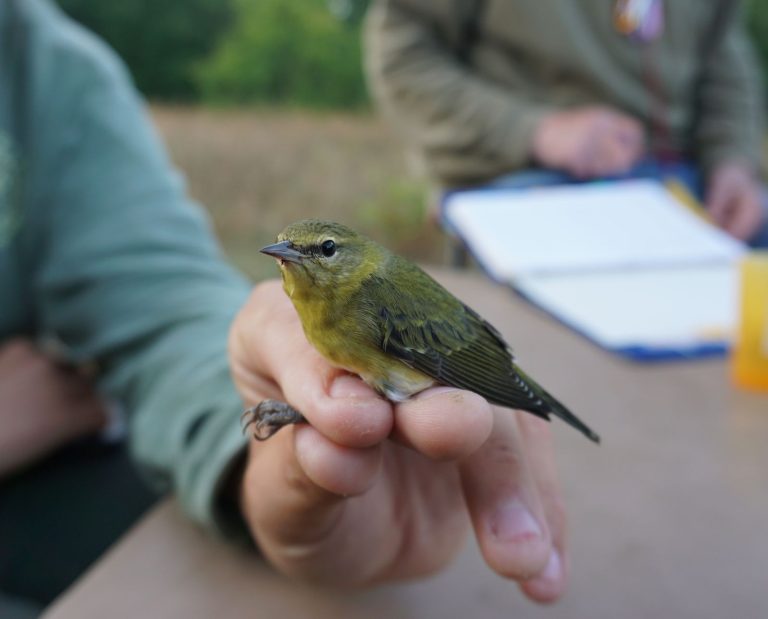
Credit: projectupland.com
Economic Drivers Behind Bird Purchases
Bird purchases are driven by strong economic forces that harm conservation efforts. Understanding these economic drivers reveals why many birds face risks in the wild. Money flows through several channels, increasing demand and supply pressures on wild bird populations.
These economic factors create a cycle. High demand fuels poaching. Poachers earn large profits. This cycle threatens bird species and their habitats.
Demand In Pet Markets
Birds are popular pets worldwide. Bright colors and singing abilities attract buyers. Some species become status symbols. Pet stores and online markets sell many wild-caught birds. Demand pushes traders to capture more birds from nature. This reduces wild populations quickly.
Cultural And Social Influences
Cultural traditions often value birds as gifts or decorations. Certain birds carry symbolic meanings in communities. Social gatherings may encourage bird trading. These customs increase demand beyond simple pet ownership. People may buy rare birds to show wealth or respect. This social pressure drives illegal bird trade.
Profit Incentives For Poachers
Poachers earn high profits by capturing wild birds. Illegal trade bypasses regulations and controls. Low enforcement in some regions allows poachers to operate freely. The money gained surpasses local incomes. This financial reward motivates continued capture of protected species. Poachers risk fines and jail but continue due to economic gain.
Alternatives To Purchasing Wild Birds
Buying wild birds harms their populations and natural habitats. Choosing other options helps protect these creatures. Alternatives focus on care, support, and spreading knowledge.
These choices reduce demand for wild-caught birds. They also encourage safe and ethical bird ownership.
Adopting Birds From Rescue Centers
Rescue centers save birds from harm and neglect. Adopting from them gives birds a second chance. This helps reduce illegal bird trading.
Rescued birds often need loving homes. Adoption supports their recovery and well-being. It also avoids encouraging poaching or smuggling.
Supporting Conservation Programs
Many groups work hard to protect wild birds. Donations and volunteering help these efforts succeed. Conservation programs focus on habitat preservation and research.
Supporting these programs leads to stronger bird populations. It also promotes sustainable living alongside wildlife.
Promoting Awareness And Education
Teaching others about bird protection is powerful. Schools, communities, and social groups can spread facts. Awareness helps reduce demand for wild birds.
Educated people make better choices for wildlife. Sharing stories and information builds respect for nature. This creates long-term change for bird conservation.

Credit: projectupland.com
Global Efforts To Protect Birds
Protecting birds on a global scale requires coordinated efforts that cross borders and involve many stakeholders. These initiatives aim to stop illegal bird trade, preserve habitats, and raise awareness about the importance of birds in our ecosystems. Understanding the key players and agreements in this fight helps you see how your actions can either support or harm these efforts.
International Treaties And Agreements
Global treaties play a crucial role in controlling the trade and protection of bird species. The Convention on International Trade in Endangered Species of Wild Fauna and Flora (CITES) regulates the buying and selling of birds to prevent extinction.
Countries that sign these treaties agree to enforce laws that restrict trade in endangered birds. This cooperation makes it harder for illegal bird sellers to operate across borders. Have you ever thought about how your purchase might bypass or support these international rules?
Role Of Ngos And Conservation Groups
Non-governmental organizations are on the front lines, rescuing birds from illegal trade and rehabilitating their habitats. Groups like BirdLife International work globally to monitor bird populations and lobby for stronger protections.
These organizations also educate local communities and governments about the damage caused by buying wild birds. Supporting their work through donations or volunteering can amplify their impact and protect more species. How could you contribute to their mission in your own community?
Community Involvement And Advocacy
Local communities are vital in enforcing conservation laws and reporting illegal bird trade activities. When people understand the ecological and economic value of birds, they become powerful advocates for their protection.
Many successful conservation projects start with community education and engagement. You can make a difference by spreading awareness, refusing to buy wild-caught birds, and encouraging others to do the same. What small step can you take today to support bird conservation in your area?
Frequently Asked Questions
How Does Buying Birds Impact Wild Populations?
Purchasing birds often fuels illegal trapping, reducing wild populations. It disrupts breeding and can endanger certain species. This trade harms biodiversity and ecosystem balance.
Why Is Bird Trafficking Harmful To Conservation Efforts?
Bird trafficking promotes illegal wildlife trade, undermining conservation laws. It spreads diseases and stresses bird populations, making recovery harder. This illegal market threatens species survival globally.
Can Buying Pet Birds Contribute To Species Extinction?
Yes, buying pet birds encourages poaching from the wild. Overharvesting rare species can push them toward extinction. Responsible sourcing and avoiding wild-caught birds support conservation.
How Does The Bird Trade Affect Natural Ecosystems?
Removing birds disrupts food chains and plant pollination. It alters ecosystem functions and habitat health. Such disturbances can lead to long-term environmental damage.
Conclusion
Buying birds harms their survival and nature’s balance. Wild birds suffer when taken from their homes. Many species face danger due to illegal trade. This practice reduces bird populations and diversity. It also spreads diseases and weakens ecosystems. People can help by not buying wild birds.
Supporting conservation efforts protects birds and their habitats. Together, we can keep birds safe and free. Every small choice matters for nature’s future.