
Have you ever wondered how birds manage to fly with such grace and speed? It’s not just luck or chance—every part of a bird’s body is perfectly built for flight and survival.
From their lightweight bones to their sharp eyesight, a bird’s entire anatomy is designed around one main goal: to master the skies. If you want to discover the secrets behind this incredible design and understand how nature crafted these amazing creatures, keep reading.
You’ll be amazed at how every detail works together to help birds soar, hunt, and thrive.

Credit: en.wikipedia.org
Flight-optimized Skeleton
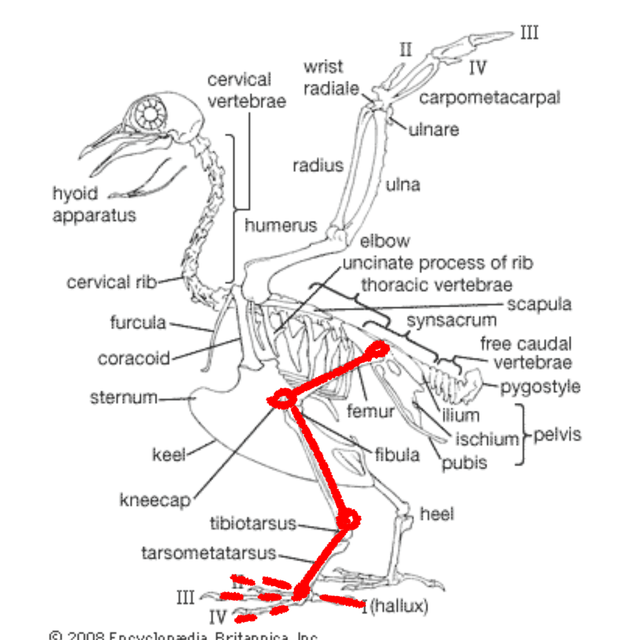
Birds have lightweight, hollow bones that support flight without adding extra weight. Their skeletons are shaped for strength and easy movement in the air. Every bone plays a role in helping birds fly efficiently.
A bird’s entire anatomy is a marvel of evolutionary design, perfectly engineered for the art of flight. One of the most fascinating aspects is the flight-optimized skeleton. This intricate framework provides the strength needed for flight while remaining remarkably lightweight. Let’s dive into the key features that make a bird’s skeleton a masterpiece of natural engineering.Lightweight Bones
Birds possess a unique adaptation: lightweight bones. These bones are not solid; instead, they are hollow and filled with air sacs. This design reduces weight without sacrificing strength, enabling birds to soar effortlessly through the skies. You’ve probably noticed how effortlessly a bird can take off. This is largely due to these special bones that make flight less energy-intensive. Imagine having a body so light yet strong enough to withstand the rigors of the sky.Fused Structures
Bird skeletons feature fused structures that provide stability and strength. The bones in a bird’s skull, for example, are fused to provide a solid structure without the weight of additional joints. Think about how easily a bird can pivot its head to survey its surroundings. This ability is thanks to the fusion in their neck vertebrae, allowing for swift and precise movements. Fused bones are a testament to the efficiency of avian anatomy.Keel-shaped Sternum
The keel-shaped sternum is the anchor point for powerful flight muscles. This pronounced ridge on a bird’s chest is where the major flight muscles attach, giving birds the power needed for flapping their wings. If you’ve ever watched a bird in motion, you’ve seen the impressive strength of these muscles in action. The keel not only supports flight but also helps in maneuverability and control. It’s a perfect example of how form meets function in the animal kingdom. What do you think about this extraordinary design? Could these principles of lightweight and strength inspire innovations in our own world?Muscle Adaptations
Muscle adaptations in birds are crucial for their unique abilities. Their muscles allow strong, efficient movement needed for flying and other activities. These adaptations help birds survive and thrive in diverse environments.
Powerful Flight Muscles
Birds have large, strong muscles for flight, especially the pectoral muscles. These muscles control the wings and provide the power for flapping. They make up about 15-25% of a bird’s body weight. This strength helps birds lift off and stay airborne for long periods. The muscles contract quickly for rapid wing beats.
Muscle Arrangement For Efficiency
Bird muscles are arranged to save energy and maximize movement. Flight muscles attach directly to the keel, a special bone on the breast. This setup gives strong leverage for wing movement. Muscle fibers are designed for endurance and speed. Slow-twitch fibers help with long flights, while fast-twitch fibers support quick bursts. This balance allows birds to adapt to different flying styles.
Feather Design
Feathers form the core of a bird’s anatomy, shaping its ability to fly, stay warm, and communicate. Each feather is crafted with precision for specific roles. This intricate design supports flight efficiency and survival.
Feathers are light but strong, built to resist wind and weather. Their structure reduces air resistance and helps birds control their movements in the air. The design also aids in insulation and waterproofing.
Aerodynamic Shape
Feathers have a smooth, curved shape that cuts through air easily. This aerodynamic form helps birds glide and maneuver quickly. The overlapping arrangement creates a seamless surface that lowers drag.
The feather’s central shaft is stiff, providing support while remaining flexible. The barbs and barbules lock together tightly to maintain shape. This structure allows efficient airflow over the wings, boosting lift.
Types Of Feathers
- Flight Feathers:Long and strong, found on wings and tail. They are key for lift and steering.
- Contour Feathers:Cover the body, giving a smooth outline. They protect and insulate.
- Down Feathers:Soft and fluffy, located under contour feathers. They trap heat to keep birds warm.
- Filoplumes:Hair-like feathers that sense feather position. They help birds adjust feathers in flight.
Feather Maintenance
Birds spend hours preening to keep feathers clean and aligned. Preening removes dirt and parasites that can damage feathers. Birds use oil from a gland near the tail to waterproof feathers.
Molting is the natural process of shedding old feathers and growing new ones. This keeps feathers strong and effective. Proper maintenance ensures feathers stay functional for flight and protection.
Respiratory System
The respiratory system of birds is highly specialized for flight. It allows birds to take in oxygen efficiently during both inhaling and exhaling. This system supports their high energy needs and helps maintain steady breathing during rapid wing beats. The design ensures maximum oxygen supply to the muscles and brain.
Efficient Oxygen Exchange
Birds have a unique lung structure that enables continuous air flow. Unlike mammals, bird lungs do not expand and contract. Instead, air flows in one direction through tiny tubes called parabronchi. This creates a constant stream of fresh air over the lung surfaces.
This system allows birds to extract more oxygen from each breath. It supports their active lifestyle and long migrations. Oxygen-rich blood reaches muscles quickly, helping with endurance and strength.
Air Sac Function
Birds have several air sacs connected to their lungs. These sacs act like bellows, pushing air through the lungs in a steady flow. They also help reduce body weight, aiding flight.
- Air sacs store air during inhalation and exhalation.
- They keep air moving through the lungs even when birds breathe out.
- Some air sacs extend into bones, making them lighter.
This system makes breathing efficient and supports high oxygen demands. It is a key reason birds can fly at high altitudes and stay active for long periods.
Circulatory System
The circulatory system of a bird is a marvel of natural engineering. It supports the bird’s high energy demands and fast-paced lifestyle. Every part of this system is fine-tuned to keep the bird active and agile, especially during flight.
High Metabolic Support
Birds have one of the highest metabolic rates among animals. This demands a circulatory system that can supply constant energy. Their hearts are large relative to their body size, pumping more blood with each beat than many other animals.
Think about how often you feel your heart race during exercise. For birds, their hearts are always working hard, not just during flight but also while resting. This constant high output ensures their muscles get the fuel they need without delay.
- Large heart size for effective blood pumping
- High heart rate to meet energy demands
- Efficient blood flow even at rest
Rapid Oxygen Delivery
Oxygen is the key to energy production, and birds need a lot of it. Their circulatory system is designed to quickly deliver oxygen to every cell. This rapid delivery supports intense muscle activity during flight.
Birds have a four-chambered heart, which completely separates oxygen-rich blood from oxygen-poor blood. This separation means their muscles get maximum oxygen. Have you ever wondered how a tiny hummingbird can beat its wings so fast? It’s all thanks to this efficient oxygen delivery system.
| Feature | Benefit |
|---|---|
| Four-chambered heart | Complete separation of oxygen-rich and oxygen-poor blood |
| High blood volume per heartbeat | Quick oxygen transport to muscles |
| Efficient capillary networks | Fast oxygen exchange at the cellular level |
Next time you see a bird effortlessly soaring or darting through the sky, consider how its circulatory system keeps it fueled. What changes could you make in your own routine to improve how efficiently your body delivers oxygen?
Credit: www.dreamstime.com
Sensory Adaptations
Birds rely heavily on their senses to survive and thrive in their environments. Their sensory adaptations are not random; they are finely tuned to help them find food, avoid predators, and navigate vast distances. Understanding these adaptations gives you a glimpse into how nature designs creatures perfectly suited for their lifestyles.
Enhanced Vision
Birds see the world differently than you do. Many species have eyes that take up a large part of their head, giving them a wide field of view. Their vision is sharper and more detailed, allowing them to spot prey from miles away.
For example, hawks can detect small rodents while soaring high above the ground. Their eyes contain more cone cells, which help them perceive colors vividly and even see ultraviolet light. This means you might miss details that are crystal clear to them.
Think about your own eyesight. How often do you really pay attention to the colors and shapes around you? Birds remind us that seeing more can mean surviving better.
Balance And Coordination
Your sense of balance helps you walk without stumbling; for birds, it’s even more critical. Their inner ear structure is specialized to maintain perfect balance during flight and complex maneuvers. This allows them to perch on thin branches or dive at high speeds without losing control.
Have you ever watched a hummingbird hover in place? That precision comes from finely tuned sensory feedback systems that constantly adjust their wing movements and body position. Without these adaptations, they couldn’t perform such incredible feats.
Next time you feel unsteady, consider how much effort your body puts into staying balanced—then imagine doing it while flying at 50 miles per hour.
Tail And Wing Shape
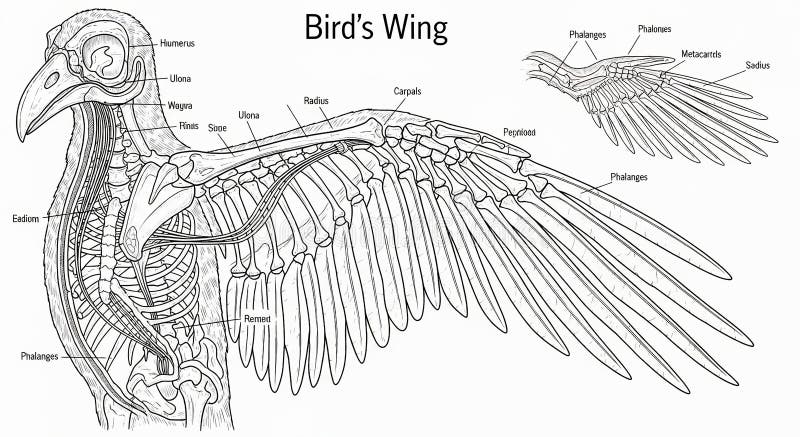
The tail and wing shape of a bird play a vital role in its flight. These parts work together to help the bird move through the air with ease. Each shape suits the bird’s lifestyle and environment. Birds that live in dense forests have different wing shapes than those that soar high in the sky. The tail also changes to help balance and steer.
Control And Maneuverability
The tail acts like a rudder. It helps the bird change direction quickly. Birds spread their tail feathers to slow down or stop. Narrow tails help fast turns and sharp moves. Wide tails give more stability during flight. Wings also adjust for control. Pointed wings allow quick dives and sharp turns. Rounded wings help with slow, steady flying. Together, the tail and wings guide the bird smoothly through the air.
Lift And Thrust Generation
Wings create lift to keep the bird in the air. Their shape controls how much lift is made. Long, narrow wings produce more lift for soaring. Short, broad wings help with quick takeoffs and fast flapping. The tail adds extra lift and helps balance. It spreads out to catch air and keep the bird steady. The wing’s motion pushes air back, creating thrust. This thrust moves the bird forward. Tail and wing shapes work as a team for strong, efficient flight.

Credit: www.dreamstime.com
Frequently Asked Questions
What Is The Main Purpose Of A Bird’s Anatomy?
A bird’s anatomy is primarily designed for efficient flight. Its lightweight bones, streamlined body, and powerful muscles enable smooth movement through the air. Every feature supports balance, speed, and maneuverability, making flight the central function of a bird’s physical structure.
How Do Feathers Contribute To Bird Anatomy?
Feathers provide insulation, waterproofing, and enable flight. They reduce air resistance and generate lift. Feathers also help birds regulate body temperature and attract mates, showing their multifunctional role in a bird’s anatomy.
Why Are Bird Bones Hollow And Lightweight?
Bird bones are hollow to reduce weight without losing strength. This adaptation makes flying easier by minimizing body mass. Hollow bones also store air sacs, aiding respiration and enhancing oxygen flow during flight.
How Is A Bird’s Respiratory System Adapted For Flight?
Birds have a unique respiratory system with air sacs that provide constant oxygen flow. This efficient system supports high metabolism and energy needs during flight. It helps birds maintain stamina and quick recovery.
Conclusion
A bird’s body fits its life perfectly. Every part helps it fly, find food, and stay safe. Feathers, wings, bones—all work as one. Nature made birds with care and purpose. Understanding this helps us see how amazing they are. Birds show us how design and function meet.
Their anatomy tells a story of survival and freedom. Watching a bird is seeing a living, moving wonder. Simple yet complex. Beautiful and strong. That’s the magic of a bird’s body.