
Are you wondering if now is the right time to feed the birds in your yard? You might be surprised by how your simple act of feeding can make a big difference—for the birds and for you.
But there’s more to it than just scattering seeds. When you know the best timing and the right way to feed, you can enjoy watching colorful birds visit and thrive safely. Keep reading to discover exactly when and how you can feed birds now, so you can bring nature closer to your home while helping these feathered friends in the best way possible.

Credit: www.allaboutbirds.org
When To Feed Birds
Knowing when to feed birds is key to supporting their health without causing harm. Timing your feeding helps birds find food during tough periods while encouraging natural foraging habits. Let’s look at practical signs and seasonal cues to guide your feeding schedule.
Seasonal Feeding Needs
Birds need extra food during late fall and winter when natural sources become scarce. Cold weather forces them to burn more energy to stay warm, making feeders a valuable resource. Spring and summer usually bring plenty of insects and seeds, so feeding then is less necessary.
If you live in an area with mild winters, you might notice birds feeding year-round. Still, it’s best to reduce or stop feeding in warmer months to prevent dependency. Have you ever watched how bird activity changes with the seasons at your feeder?
Signs Birds Need Help
Look for signs that birds are struggling to find food naturally. You might see them lingering at feeders longer or flocking in unusual numbers. Thin or weak birds and increased visits to your feeder during off-seasons can also indicate a need.
Pay attention if you notice fewer insects or seed-producing plants nearby. These changes can mean birds require additional support. Your feeder can become a lifeline during unexpected cold snaps or droughts.
Avoiding Overfeeding
It’s tempting to keep your feeder full all the time, but overfeeding can harm birds. Excess food can spoil, attract pests, or discourage birds from foraging naturally. Try filling feeders only once or twice a day, providing just enough to be eaten quickly.
Clean feeders regularly to prevent disease, and remove food if you notice mold or pests. How do you balance offering help without making birds dependent on your feeder?

Credit: www.allaboutbirds.org
Choosing The Right Food
Choosing the right food is crucial when feeding birds. The food you offer can attract a variety of species and keep them healthy through different seasons. Knowing what to provide—and what to avoid—makes your birdfeeding efforts more rewarding and safe.
Best Seeds And Grains
Sunflower seeds are a top choice for many birds because they’re high in fat and easy to eat. Black oil sunflower seeds, in particular, attract cardinals, chickadees, and finches.
Other great options include millet, cracked corn, and safflower seeds. Millet is loved by ground feeders like sparrows and doves, while cracked corn draws in larger birds such as jays.
Have you ever noticed which seeds your backyard birds prefer? Try offering a mix and watch who visits most often.
Fruits And Nuts
Many birds enjoy fresh fruits like apples, berries, and oranges. These provide natural sugars and vitamins that boost bird energy, especially in colder months.
Nuts like peanuts and almonds, preferably unsalted, offer essential proteins and fats. Woodpeckers and nuthatches often come back for these treats.
Remember to chop larger nuts into smaller pieces to make them easier for birds to eat. Have you tried hanging fruit pieces? It can attract orioles and other fruit-loving birds to your feeder.
Foods To Avoid
Some foods can harm birds and should never be offered. Avoid bread, as it has little nutritional value and can cause digestive problems.
Also steer clear of salty, sugary, or processed snacks—they can be toxic. Avocado and chocolate are especially dangerous for many bird species.
Feeding the right food shows respect for your feathered visitors. What unexpected foods have you seen people offer that might actually be harmful?
Setting Up Feeders
Setting up bird feeders is a key step to attract feathered visitors to your yard. It’s not just about hanging a feeder anywhere; thoughtful setup affects which birds come and how often. Let’s look at how you can create a welcoming feeding station that keeps birds safe and happy.
Types Of Feeders
Choosing the right feeder depends on the birds you want to attract and the type of food you offer.
- Tube feeders:Great for small songbirds like finches and chickadees. They keep seeds dry and are easy to refill.
- Squirrel-proof feeders:If you struggle with squirrels stealing food, these feeders have cages or weight-sensitive mechanisms that block access.
- Platform feeders:Open trays that attract a wide variety of birds, including larger species like cardinals and jays.
- Suet feeders:Perfect for woodpeckers and nuthatches. They hold suet cakes, which are high-energy treats especially useful in cold months.
Have you noticed certain birds prefer specific feeders in your yard? Trying different types could reveal surprising favorites.
Placement Tips
Where you place your feeders affects bird visits and their safety.
- Position feeders near natural cover like bushes or trees but not too close. Birds need quick escape routes from predators, yet too close can hide threats.
- Keep feeders at least 5 feet off the ground to avoid cats and other predators.
- Place feeders away from windows or use decals to prevent bird collisions. Collisions are a common cause of injury.
- Consider the sun’s path—morning sun warms the feeders and helps dry moisture, reducing mold.
Have you thought about how feeder location might change with the seasons? Moving feeders can encourage more visits and protect birds during harsh weather.
Cleaning And Maintenance
Regular cleaning keeps birds healthy and feeders working well.
- Wash feeders every two weeks with warm, soapy water. Rinse thoroughly to remove soap residue.
- Remove old or moldy seed promptly; spoiled food can harm birds.
- Check for damage like cracks or rust that could injure birds or spoil food.
- During wet seasons, dry feeders fully before refilling to prevent mold growth.
Have you noticed fewer birds around a feeder after rain? It might be time for a cleaning. Keeping your feeders clean shows respect for your visiting wildlife and increases the chances of repeat visits.
Safety And Health
Feeding birds can be a joyful activity, but safety and health must come first. Careful attention protects birds and keeps your garden clean. Simple steps help reduce risks for all visitors.
Preventing Disease Spread
Bird feeders can spread diseases if not cleaned regularly. Wash feeders with hot, soapy water every two weeks. Use a diluted bleach solution to kill germs. Avoid overcrowding by placing multiple feeders apart. Remove old or wet food quickly to stop mold growth.
Protecting Birds From Predators
Predators like cats and hawks pose real threats to feeding birds. Place feeders high and away from hiding spots. Use baffles or guards to block predators’ access. Keep pets indoors during feeding times. Avoid feeding near dense bushes where predators can hide.
Handling Weather Challenges
Weather affects food and bird safety. Keep feeders dry to prevent spoilage. Use covered feeders or place them under eaves. In winter, provide energy-rich food like suet and nuts. Clear snow and ice around feeders for bird access.
Encouraging Local Birdlife
Encouraging local birdlife goes beyond simply putting out birdseed. It means creating an environment where birds can thrive naturally, year-round. When you focus on supporting their basic needs, you invite a variety of species to visit and stay in your area.
Providing Water Sources
Birds need fresh water for drinking and bathing, especially during dry spells. Adding a birdbath or a shallow dish of water can make a big difference. Make sure to keep the water clean and change it regularly to prevent disease.
I once added a small fountain in my garden, and soon after, a group of finches started visiting daily. Moving water attracts more birds because it signals safety and freshness.
Creating Bird-friendly Habitats
Think about how you can make your outdoor space comfortable for birds. Providing shelter with dense shrubs or brush piles offers birds protection from predators and harsh weather. You can also hang nesting boxes to encourage breeding.
Have you noticed how birds prefer areas with a mix of open spaces and cover? This balance helps them feel safe while still being able to find food easily.
Planting Native Vegetation
Native plants are tailored to your local climate and soil, making them the best choice for supporting birdlife. They provide natural food sources like berries, seeds, and insects that birds rely on. Plus, native plants usually require less maintenance.
- Choose a variety of plants that bloom at different times to provide food throughout the year.
- Include trees and shrubs that produce fruits or nuts.
- Avoid invasive species that can harm the local ecosystem.
By planting native vegetation, you create a sustainable habitat where birds can find everything they need. What native plants grow well in your area that you could add to your garden?
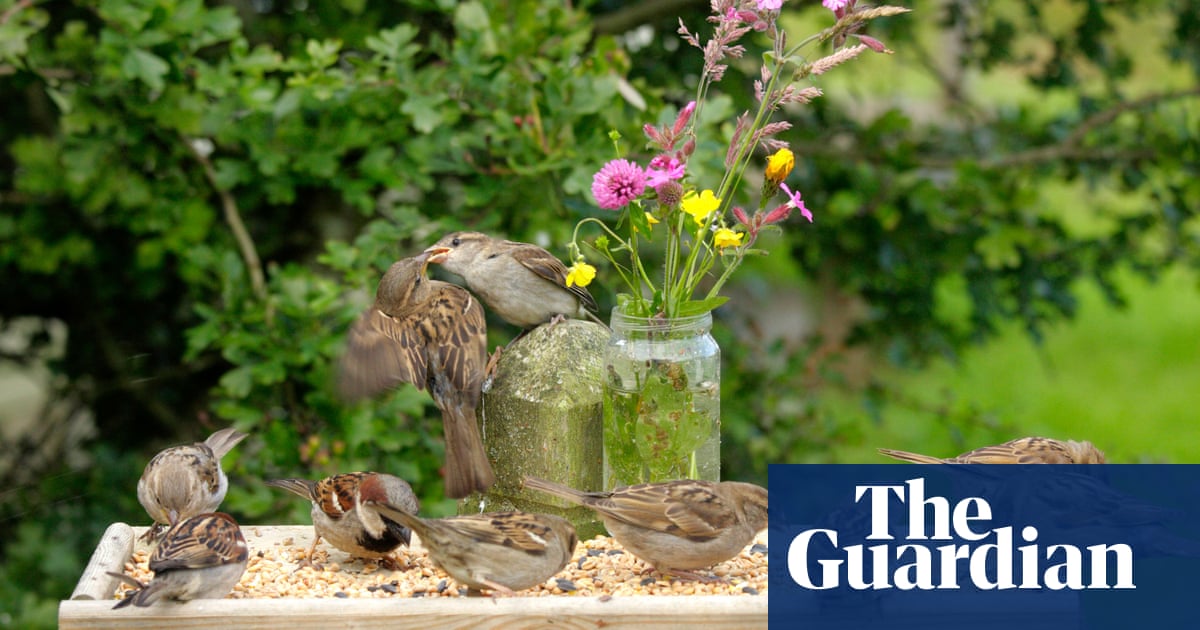
Credit: www.theguardian.com
Frequently Asked Questions
Is It Safe To Feed Birds Now?
Yes, feeding birds is generally safe now. Ensure you provide appropriate food like seeds and fruits. Avoid bread and processed foods. Clean feeders regularly to prevent disease. Be mindful of local wildlife guidelines and seasonal needs. Providing fresh water is also beneficial for birds.
What Is The Best Food For Birds?
The best food for birds includes seeds, nuts, and fruits. Black oil sunflower seeds are popular. Suet and mealworms are excellent for insect-eating birds. Ensure food is fresh and free from mold. Avoid offering bread or salty foods, which can harm birds.
When Is The Best Time To Feed Birds?
The best time to feed birds is early morning. Birds are most active and hungry then. Providing food in the morning supports their energy needs. Consistent feeding times help birds rely on your feeders. Remember to refill feeders regularly for continuous support.
How Does Weather Affect Bird Feeding?
Weather impacts bird feeding habits. Cold weather increases birds’ energy needs, prompting more feeding. Snow can cover natural food sources, making feeders essential. During hot weather, provide fresh water and avoid spoilable foods. Adjust feeding practices according to seasonal changes to support bird health.
Conclusion
Feeding birds can bring joy and help them survive tough times. Choose the right food for the season and keep feeders clean. Watch for signs that birds are hungry or full. Feeding at the right time supports their health and safety.
Enjoy the simple pleasure of nature visiting your yard. Small actions make a big difference for wild birds. Keep learning about their needs and habits. Birds will thank you with song and beauty.