
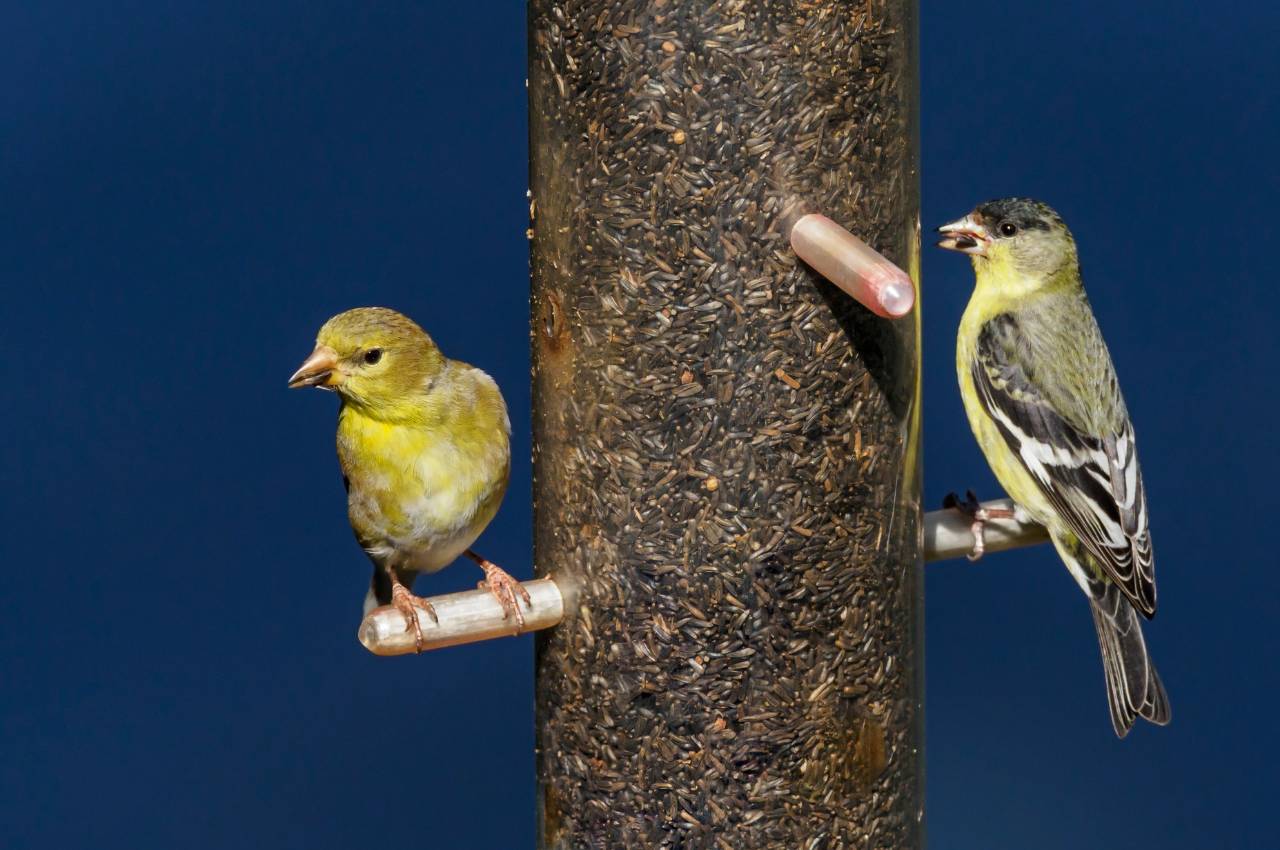
Have you ever wondered if you can feed wild birds brown rice? If you’re looking to attract feathered friends to your backyard, it’s important to know what foods are safe and healthy for them.
You want to provide nourishment without harming these beautiful creatures. You’ll discover the truth about brown rice and wild birds—and learn how to make your bird-feeding experience both enjoyable and safe. Keep reading to find out what you should and shouldn’t offer your winged visitors!
Why Feed Wild Birds
Feeding wild birds can be a simple yet rewarding way to connect with nature right outside your window. It offers more than just a chance to watch colorful feathers flutter about; it plays a role in supporting local ecosystems. Have you ever wondered how your small action can impact the well-being of these creatures?
Benefits Of Bird Feeding
Providing food to wild birds helps them survive harsh seasons, especially winter when natural food is scarce. It can boost their energy levels, aiding in migration and breeding. Watching birds up close can also reduce stress and increase your appreciation for wildlife.
Personally, I noticed a decline in bird visits near my home during a cold snap, but after putting out food, the variety and number of birds increased significantly. This not only brightened my days but also helped local species thrive.
Common Bird Food Types
Birds enjoy a range of foods depending on their species and habitat. Popular choices include:
- Seeds:Sunflower seeds and millet attract many small birds.
- Fruits:Apples, berries, and raisins provide natural sugars and vitamins.
- Nuts:Peanuts and walnuts are rich in fats for energy.
- Grains:Oats and cracked corn offer carbohydrates.
Choosing the right food can make a big difference. Have you tried mixing different types to see which birds visit your feeder? Observing their preferences can turn feeding into a delightful learning experience.

Credit: besgroup.org
Nutritional Value Of Brown Rice
Brown rice offers a range of nutrients that can benefit wild birds. It is a whole grain, which means it retains more natural parts than processed grains. These parts provide extra vitamins and minerals essential for birds’ health. Understanding its nutritional value helps decide if brown rice is suitable for feeding wild birds.
Comparison With White Rice
Brown rice contains more nutrients than white rice. White rice is polished, removing the bran and germ. This process strips away most fiber, vitamins, and minerals. Brown rice keeps these layers intact, making it richer in nutrients.
- Brown rice has more fiber, aiding bird digestion.
- It contains higher levels of magnesium and phosphorus.
- Brown rice provides more antioxidants.
These differences make brown rice a healthier option for wild birds than white rice.
Essential Nutrients For Birds
Brown rice supplies several key nutrients birds need daily. These include:
- Carbohydrates:Provide energy for flying and foraging.
- Fiber:Supports healthy digestion.
- Magnesium:Important for muscle and nerve function.
- Phosphorus:Helps build strong bones and feathers.
- Vitamins B and E:Aid in metabolism and immune health.
These nutrients support birds’ overall health and activity levels. Brown rice can be a nutritious part of a varied diet for wild birds.
Is Brown Rice Safe For Wild Birds
Brown rice is a common food staple for humans, but can wild birds eat it safely? Understanding if brown rice is safe for birds is important for anyone who feeds wildlife. This section explores the safety of feeding brown rice to wild birds and highlights important points to consider.
Potential Risks
Brown rice contains more fiber than white rice, which some birds might find hard to digest. Raw brown rice can swell in a bird’s stomach, causing discomfort or blockages. Moldy or old rice can lead to illness or poisoning in birds. Feeding large amounts of rice can upset a bird’s natural diet balance. Rice left out in damp conditions can attract pests or harmful bacteria. Avoid feeding rice that has added salt, spices, or oils, as these are harmful to birds.
Bird Species That Can Eat Brown Rice
Some bird species can safely eat brown rice in moderation. These include:
- Doves and pigeons – They often eat grains and seeds, including rice.
- Grouse and quail – Known to eat various grains in the wild.
- Waterfowl like ducks – Can digest cooked or uncooked rice grains.
Small songbirds like sparrows or finches may not digest brown rice well. Always offer rice in small amounts mixed with other bird foods. Cooked brown rice is easier for most birds to eat and digest than raw rice. Monitor birds’ reactions to new foods and stop feeding if any issues arise.

Credit: www.reddit.com
How To Offer Brown Rice To Birds
Feeding wild birds brown rice can be a rewarding way to support local wildlife, but knowing how to offer it correctly makes all the difference. Birds appreciate food that is easy to eat and digest, so your preparation and feeding approach matters a lot. Let’s look at how you can prepare and serve brown rice in a way that attracts birds and keeps them healthy.
Preparation Tips
Always cook the brown rice before offering it to birds. Raw brown rice is hard and difficult for birds to digest, which might discourage them from eating or cause digestive issues.
Use plain water to cook the rice—avoid adding salt, butter, or spices. Birds need natural, unseasoned food to stay healthy.
After cooking, let the rice cool completely. Warm or hot rice can burn a bird’s mouth or cause discomfort.
If you want to add variety, mix the brown rice with other bird-friendly grains or seeds like millet or sunflower seeds. This creates a balanced meal that many species will enjoy.
Best Feeding Practices
Choose a clean, dry feeding spot that is safe from predators. Birds prefer feeding areas where they can quickly escape if threatened.
Scatter the rice on a flat surface like a bird table or on the ground if it’s safe. Avoid deep containers where the rice might get soggy or moldy.
Offer small amounts of rice at a time. Overfeeding can lead to uneaten food spoiling and attracting pests.
Observe how the birds respond. If they seem uninterested, try mixing the rice with seeds or offering it in different locations.
Keep your feeding area tidy by regularly cleaning up leftover rice. This helps prevent disease and keeps your feathered visitors healthy.
Alternatives To Brown Rice
Brown rice may seem like a natural choice to feed wild birds, but it’s not always the safest or most nutritious option. Luckily, there are several alternatives that can provide better energy and nutrients to support your feathered visitors. Choosing the right food can help you enjoy watching healthy and active birds in your garden.
Safer Grain Options
Wild birds often prefer grains that are easy to digest and rich in nutrients. Instead of brown rice, try offering:
- Millet:Small and gentle on bird digestive systems, millet is a favorite for many songbirds like sparrows and finches.
- Oats:Rolled or steel-cut oats provide good energy without the risk of swelling in the bird’s crop, unlike uncooked rice.
- Sorghum:Also known as milo, this grain is popular with doves and pigeons and offers a good source of carbohydrates.
Have you noticed certain birds coming back repeatedly to your feeding station? These safer grains might be the reason.
Commercial Bird Food Choices
If you want to make feeding even easier, commercial bird food blends are designed to meet the nutritional needs of wild birds. These mixes usually contain:
- Sunflower seeds (both black oil and striped)
- Cracked corn
- Peanuts
- Various grains and dried fruits
Brands often tailor these blends for specific bird types, like finches or woodpeckers. Using commercial options saves you time and ensures the birds get a balanced diet.
Would you rather spend time watching birds than worrying about what to feed them? Commercial mixes could be the simple solution you need.
Seasonal Considerations
Feeding wild birds brown rice requires attention to seasonal changes. Different seasons affect birds’ diets and energy needs. Understanding these shifts helps support their health year-round. Seasonal considerations guide how and when to offer brown rice safely.
Feeding In Different Weather
Cold weather raises birds’ energy demands. Brown rice offers good carbohydrates for warmth. In winter, birds need more high-energy foods. Brown rice can be a part of their diet but should be mixed with seeds. Hot weather lowers energy needs. Birds eat less in summer, favoring fruits and insects. Avoid feeding too much rice in warm months. Wet weather can spoil rice quickly. Always provide fresh, dry food to prevent mold. Monitor weather to adjust feeding amounts and frequency.
Impact On Bird Health
Brown rice is nutritious but not complete alone. It contains fiber and some vitamins. Birds need a balanced diet including protein and fat. Feeding only rice can cause health problems. Mix brown rice with other seeds and grains. Clean water should always be available. Overfeeding rice may lead to digestive issues. Seasonal changes affect nutrient needs. Adjust food types to keep birds healthy throughout the year.
Common Myths About Feeding Birds Rice
Many people worry about feeding wild birds rice. Some believe rice can harm birds. These ideas come from old stories and myths. It is important to know the truth. Understanding facts helps us care for birds safely.
Debunking Rice-related Myths
One common myth says birds die from eating uncooked rice. The story claims rice swells in their stomachs and causes harm. This idea is not true. Birds have strong stomachs made to digest seeds and grains.
People also think cooked rice is bad for birds. Cooked rice is safe in small amounts. Birds often eat grains like rice in farms and fields without problems. Rice does not cause choking or blockages.
Another myth says feeding rice makes birds dependent on humans. Wild birds can find food on their own. Feeding them rice or other seeds does not stop this natural behavior. Birds stay healthy and active.
Scientific Insights
Studies show that rice is not harmful to birds. Wild birds eat many types of seeds and grains. Rice is similar to these natural foods. Their digestive systems handle rice well.
Experts agree that feeding birds plain rice is safe. It provides energy and nutrients. Birds enjoy rice along with other seeds and nuts. Rice can be part of a balanced diet for wild birds.
Feeding wild birds helps support them in harsh seasons. Rice can be a good supplement during cold or dry times. The key is to offer rice in moderation and clean areas.

Credit: besgroup.org
Frequently Asked Questions
Can Wild Birds Eat Brown Rice Safely?
Yes, wild birds can safely eat brown rice. It is nutritious and provides essential vitamins and minerals. Always serve it uncooked and plain for best results.
Is Brown Rice Better Than White Rice For Birds?
Brown rice is better than white rice because it has more fiber and nutrients. It supports birds’ digestion and overall health when offered in moderation.
Should Brown Rice Be Cooked Before Feeding Birds?
No, brown rice should be fed raw, not cooked. Cooked rice can spoil quickly and cause digestive issues in wild birds.
How Much Brown Rice Can I Feed Wild Birds?
Feed wild birds small amounts of brown rice as a treat. Too much rice can upset their natural diet balance.
Conclusion
Wild birds can safely eat brown rice, both cooked and raw. It provides good nutrition and energy for many bird species. Avoid feeding too much to keep their diet balanced. Always offer fresh water nearby to help them digest. Watching birds enjoy brown rice adds joy to any garden.
Try mixing it with other bird foods for variety. Feeding wild birds helps support local wildlife in simple ways. Keep it natural and enjoy the peaceful moments outside.