
Have you ever wondered if you can feed birds dried blueberries? If you enjoy watching birds visit your garden, you might want to offer them a tasty and healthy treat.
But before you toss those dried blueberries into your bird feeder, it’s important to know if they are safe and beneficial for your feathered friends. Keep reading to discover the surprising facts about feeding birds dried blueberries and how you can make your backyard a bird-friendly haven.
Credit: abirdtoy.com
Benefits Of Blueberries For Birds
Offering dried blueberries to birds can be a delightful treat with real health perks. These tiny fruits pack a punch that supports birds’ overall well-being and vitality. Understanding what makes blueberries beneficial helps you decide if they’re a good addition to your backyard bird feeding routine.
Nutritional Value Of Blueberries
Blueberries are rich in essential nutrients that birds need to stay healthy. They contain a good amount of fiber, which aids digestion, and small amounts of protein that help maintain muscle strength. Birds also benefit from minerals like manganese and copper found in blueberries, which support bone development and metabolism.
Antioxidants And Vitamins
One of the standout features of blueberries is their high antioxidant content. These antioxidants help protect birds from cell damage caused by free radicals. Vitamins C and K in blueberries boost the immune system and assist in blood clotting, keeping birds resilient during seasonal changes.
Energy Boost From Natural Sugars
Dried blueberries offer a natural source of sugars that provide birds with quick energy. This is especially helpful during migration or cold weather when birds need extra fuel. Unlike processed sugars, the natural sugars in blueberries come with fiber and nutrients, giving birds a healthier energy burst.

Credit: www.wildlifenomads.com
Dried Vs Fresh Blueberries
Choosing between dried and fresh blueberries for feeding birds involves more than just picking what looks tastier. Each form has unique qualities that affect the health and enjoyment of your feathered visitors. Understanding these differences helps you make smarter choices that benefit the birds and fit your feeding routine.
Nutrient Differences
Fresh blueberries contain more water, which means they have fewer calories but more hydration for birds. They are rich in vitamins like C and K, which can degrade when the berries are dried. On the other hand, dried blueberries pack nutrients into a smaller size but often lose some heat-sensitive vitamins during processing.
If you want to give birds a juicy treat, fresh berries are better. But dried blueberries offer a concentrated source of fiber and antioxidants that might appeal to certain bird species. Have you noticed birds preferring one over the other in your garden?
Sugar And Preservative Content
Dried blueberries often contain added sugars to enhance flavor and preservatives to extend shelf life. This can be risky for birds, as excess sugar isn’t healthy for them. Fresh blueberries have natural sugars but no additives, making them a cleaner snack.
Always check the ingredient list on dried blueberry packages. Opt for unsweetened and preservative-free options if you decide to offer dried berries. How often do you check labels before feeding wildlife?
Shelf Life And Storage
Dried blueberries last much longer than fresh ones, making them convenient to store and use over time. Fresh blueberries spoil quickly and need refrigeration, limiting how long you can keep them for bird feeding. However, fresh berries can be harvested or bought in season to provide birds with a natural, fresh source of food.
If you don’t want to waste food or make frequent trips to the store, dried blueberries might be the practical choice. But if you prefer to offer the freshest option, plan your feeding schedule around berry availability. What’s your strategy for keeping bird food fresh and appealing?
Safety Of Feeding Dried Blueberries
Feeding dried blueberries to birds can be safe if done correctly. These small fruits offer vitamins and antioxidants that birds may enjoy. Still, some precautions are important to keep birds healthy and happy. Knowing the risks and how to serve dried blueberries properly helps protect your feathered friends.
Potential Risks And Allergies
Birds can have allergies just like humans. Some may react to dried fruit sugars or preservatives. Overfeeding dried blueberries can cause stomach upset or diarrhea. Watch for signs like unusual behavior or droppings. Stop feeding if birds show any distress.
Avoiding Added Sugars And Chemicals
Many dried blueberries contain added sugars or chemicals. These ingredients can harm birds’ health. Always choose natural, unsweetened dried blueberries. Check labels carefully before offering them to birds. Organic options are often safer and cleaner.
Proper Serving Sizes
Birds need small portions of dried blueberries. Too much can lead to weight gain or digestive issues. Offer a few berries at a time, mixed with other foods. Regularly provide fresh water to help digestion. Moderation keeps treats safe and enjoyable.
How To Offer Dried Blueberries To Birds
Offering dried blueberries to birds can be a delightful treat for your feathered friends. These small fruits provide natural sweetness and nutrients that many birds enjoy. Presenting them correctly ensures the birds can eat safely and comfortably.
Preparing Blueberries For Bird Feeders
Start by checking the dried blueberries for any added sugar or preservatives. Birds do best with natural, unsweetened fruit. Break larger berries into smaller pieces to make eating easier for small birds. Rinse the berries briefly with water to remove any dust or particles. Let them dry completely before placing them in the feeder. Avoid sticky or clumped pieces, as they can cause harm.
Best Feeding Times And Seasons
Offer dried blueberries during cooler months when fresh fruit is scarce. Birds need extra energy in fall and winter, making dried fruit a good supplement. Early morning is a great time to feed, as birds are most active then. Remove leftover dried blueberries by late afternoon to prevent mold. Avoid feeding in hot weather to stop fruit from spoiling quickly.
Combining With Other Bird Foods
Mix dried blueberries with seeds, nuts, or suet to attract a variety of birds. Use a shallow dish or platform feeder for easy access. Avoid mixing with salty or processed foods. Combine with high-energy foods like sunflower seeds for balanced nutrition. Rotate offerings to keep birds interested and healthy.
Bird Species That Enjoy Blueberries
Many bird species enjoy blueberries, making dried blueberries a popular treat for backyard birdwatchers. These small, sweet berries attract a variety of birds, especially those that prefer fruit as part of their diet. Understanding which birds are drawn to blueberries can help you create a more inviting environment for them.
Common Fruit-eating Birds
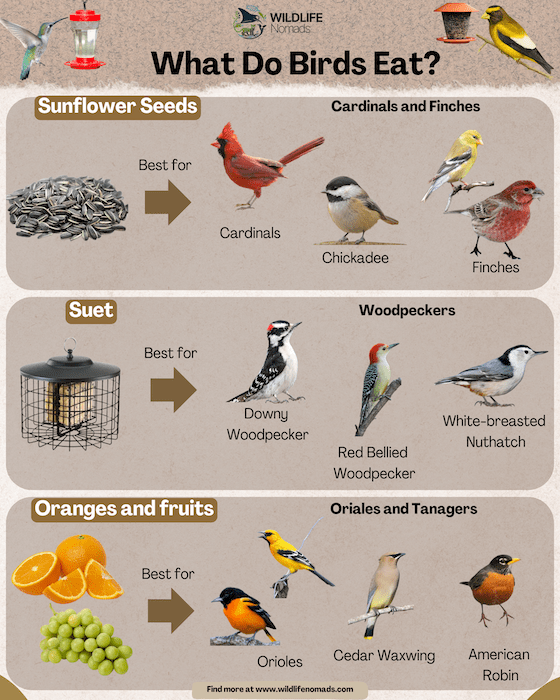
Several bird species are known for their love of fruit, including blueberries. American Robins are frequent visitors, often seen plucking berries from bushes. Cedar Waxwings are another favorite, known for their striking appearance and fondness for berries.
Other common fruit-eaters include Northern Mockingbirds, Bluebirds, and various species of thrushes. These birds rely on fruits like blueberries for energy, especially during breeding and migration seasons.
Seasonal Visitors And Migrants
Blueberries also attract seasonal birds that pass through during migration. Thrushes such as the Hermit Thrush and Swainson’s Thrush use berries as a vital fuel source on their long journeys. Migrants like the Yellow-rumped Warbler are known to consume dried blueberries eagerly.
Providing dried blueberries can support these travelers, giving them extra energy to reach their destinations. Have you noticed more birds in your yard during certain times of the year? Offering fruit treats might be why.
Attracting Blueberry-loving Birds
If you want to invite blueberry-loving birds, placing dried blueberries in feeders or scattered on flat surfaces works well. Combine them with other fruits like raisins or apple slices to create an appealing fruit mix. Remember to keep feeding areas clean to avoid mold and attract only healthy birds.
Planting native blueberry bushes can also attract these birds naturally. Watching them enjoy the berries right from your garden adds a rewarding touch to birdwatching. What types of birds have you attracted by adding fruit to your feeding routine?

Credit: creators.yahoo.com
Alternatives To Dried Blueberries
If you’re considering what to feed your feathered friends besides dried blueberries, there are plenty of tasty and safe options. Birds enjoy a variety of fruits that provide essential nutrients and keep their diet interesting. Offering alternatives not only ensures balanced nutrition but also keeps your bird visitors coming back for more.
Other Safe Fruits For Birds
Many fruits can be safely shared with birds, adding variety to their diet. Some favorites include:
- Apples (remove seeds)
- Bananas
- Grapes
- Strawberries
- Melon
- Pears
These fruits are easy to prepare and widely available. Have you noticed which fruits your backyard birds prefer? Observing their choices can guide your next feeding session.
Nutritional Comparisons
| Fruit | Key Nutrients | Benefits for Birds |
|---|---|---|
| Dried Blueberries | Antioxidants, Fiber | Supports immune health and digestion |
| Apples | Vitamin C, Fiber | Boosts energy and aids digestion |
| Bananas | Potassium, Vitamin B6 | Supports muscle function and metabolism |
| Grapes | Vitamins C & K, Antioxidants | Promotes healthy skin and feathers |
Comparing these helps you decide which fruits suit your birds’ needs best. Would mixing different fruits provide a broader nutrient range?
Homemade Bird Treat Ideas
Making treats at home lets you control ingredients and avoid unwanted additives. Try mixing chopped safe fruits with seeds or nuts for a crunchy, sweet snack.
- Fruit and seed balls: Mash banana with oats and sunflower seeds, shape into small balls.
- Frozen fruit pops: Blend berries with a little water, freeze in ice cube trays.
- Dried fruit and nut clusters: Combine dried apples, raisins, and unsalted nuts for a chewy treat.
These treats can attract a variety of bird species. What homemade recipe will you try first to delight your garden visitors?
Frequently Asked Questions
Can Birds Safely Eat Dried Blueberries?
Yes, birds can safely eat dried blueberries in moderation. They provide antioxidants and natural sugars but avoid added preservatives or sugars.
Are Dried Blueberries Nutritious For Wild Birds?
Dried blueberries contain vitamins and antioxidants beneficial for birds. However, fresh or frozen berries are often better for hydration and nutrient content.
How Often Should I Feed Birds Dried Blueberries?
Offer dried blueberries as an occasional treat, not a daily staple. Variety in bird diets ensures balanced nutrition and better health.
Can Dried Blueberries Harm Birds In Any Way?
Dried blueberries are generally safe but avoid those with added sugar or chemicals. Excessive feeding may cause digestive issues in birds.
Conclusion
Dried blueberries can be a safe treat for many birds. They offer a sweet taste and some nutrients. Avoid giving too many to keep birds healthy. Always check for added sugars or preservatives. Fresh water should be available nearby. Watch how birds react to new foods.
Feeding birds helps you enjoy nature up close. Keep food natural and simple for best results. Birds will thank you with their cheerful songs.