

Have you ever noticed a tiny hummingbird fiercely defending your feeder? It’s not just a cute habit—it’s a fascinating behavior with a purpose.
If you’ve wondered whether these little birds actually guard their feeders, you’re about to uncover some surprising facts. Understanding why hummingbirds act this way can change how you set up your feeder and enjoy watching them even more. Keep reading to discover the secrets behind their protective nature and how it affects your backyard visitors.
Credit: www.youtube.com
Hummingbird Behavior At Feeders
Hummingbirds display unique behaviors at feeders. Their tiny size and rapid wing beats make them fascinating to watch. Observing their actions helps us understand if they guard feeders or share them peacefully. Their feeding habits and social traits reveal much about how they interact around food sources.
Feeding Patterns And Habits
Hummingbirds visit feeders multiple times a day. They sip nectar quickly and then fly away. Their visits usually last seconds to a minute. They prefer feeders with fresh, clean nectar. Hummingbirds often feed early in the morning and late afternoon. They remember feeder locations and return often. Some hummingbirds feed alone, while others tolerate company.
- Feed in short, frequent bursts
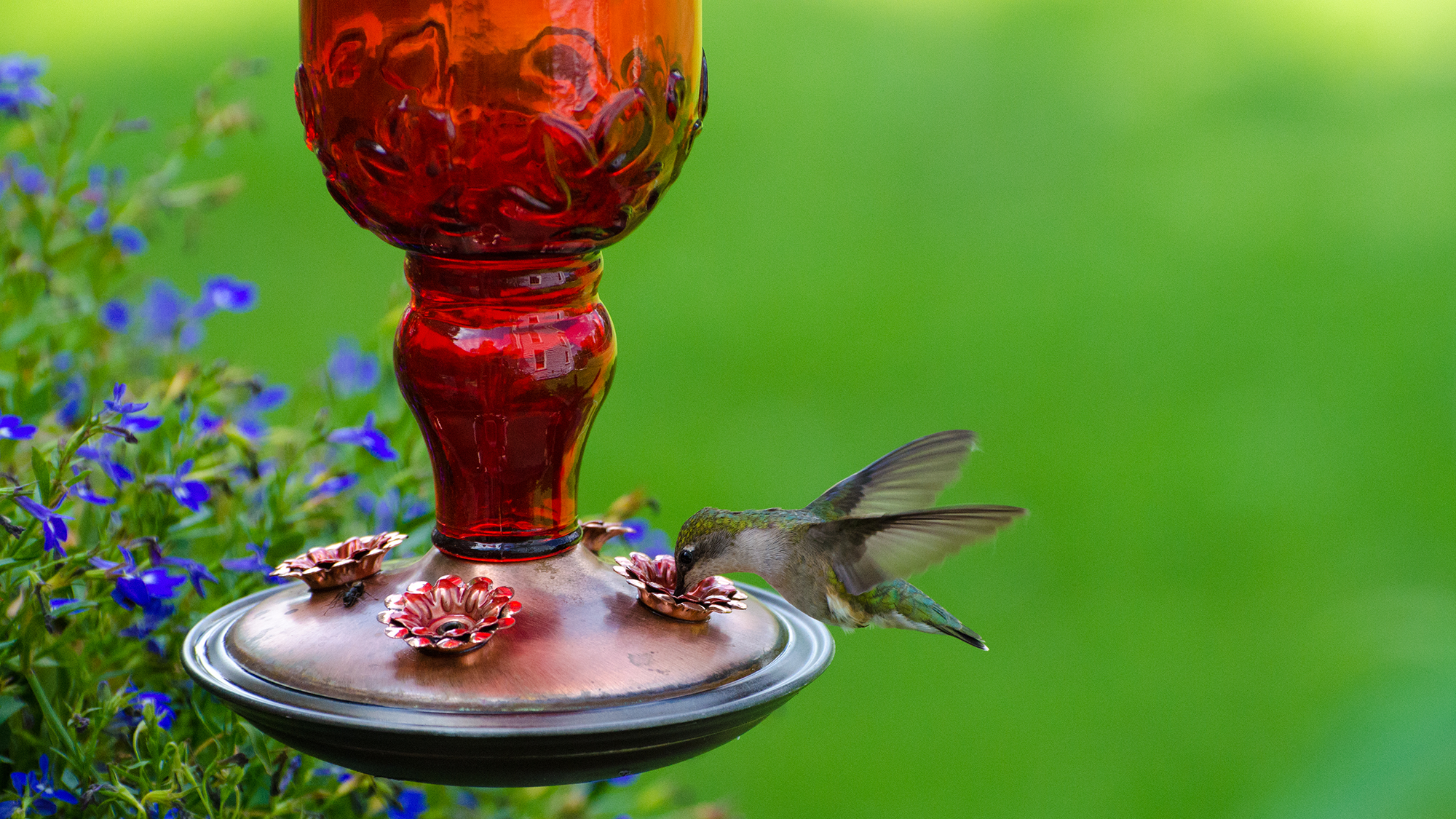
- Prefer bright red or orange feeders
- Visit feeders in intervals throughout the day
- Rely on feeders especially during migration
Common Aggressive Traits
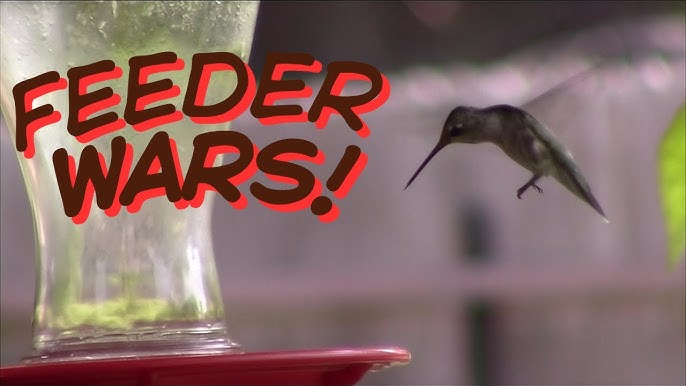
Hummingbirds are known for their territorial behavior. Males often chase away other birds near feeders. They use quick, darting flights to intimidate rivals. Aggression protects their food supply from competitors. Sometimes, hummingbirds hover and make loud chirps to warn others. This behavior helps reduce competition and ensures their energy needs are met.
- Chasing intruders from the feeder area
- Hovering aggressively around food spots
- Using sharp calls to signal dominance
- Defending feeders for short periods
Credit: www.tomsguide.com
Territorial Nature Of Hummingbirds
Hummingbirds are small but fierce when it comes to protecting their space. Their territorial nature means they often guard areas rich in food. This behavior helps them survive and thrive in the wild. They show strong signs of defending their feeding spots, especially around feeders.
Why They Defend Territories
Hummingbirds defend territories to secure enough food. Nectar is their main energy source. A good feeding spot provides a steady supply. By keeping others away, they reduce competition. This ensures they get enough to eat each day. Territory defense also helps during breeding season. It shows strength to attract mates. Only the strongest birds hold the best spots.
Feeder As A Valuable Resource
Feeders offer a reliable food source for hummingbirds. They are easy to find and full of nectar. Birds see feeders as valuable because natural flowers may be scarce. Guarding a feeder means guarding energy. Hummingbirds often chase away rivals from feeders. This behavior keeps them safe and well-fed. Feeders can become a hotspot for territorial battles.
Signs Of Feeder Guarding
Noticing signs of feeder guarding in hummingbirds can change how you set up and maintain your feeder. These tiny birds can be surprisingly protective of their food source, and recognizing their behavior helps you understand their needs better. Let’s look at the clear signs that a hummingbird is guarding its feeder.
Chasing Away Intruders
One of the most obvious signs is when a hummingbird actively chases others away from the feeder. You might see quick, darting movements as it flares its wings and zooms after rival birds. This behavior shows the bird is claiming its feeding spot and wants to keep competitors at a distance.
Have you ever watched a hummingbird swoop aggressively at a smaller bird or even an insect near the feeder? That’s a strong indicator of guarding. It’s not just about feeding; it’s about protecting a valuable resource.
Vocal And Physical Displays
Besides chasing, hummingbirds use sounds and body language to warn others. You might hear sharp chirps or buzzing noises that signal “stay away.” These vocalizations are their way of communicating dominance without always resorting to a chase.
Physically, they may puff up their feathers or spread their tail widely to look larger. Sometimes, they hover close to the feeder, staring down intruders with a steady gaze. These displays serve as a clear warning and help avoid unnecessary fights.
Recognizing these signs can help you decide if you need to add extra feeders or change their placement to reduce tension. What strategies have you tried to keep your hummingbirds happy and peaceful around your feeders?
Factors Influencing Guarding Behavior
Several factors affect whether hummingbirds guard feeders aggressively. Their behavior changes based on the species, feeder setup, and food availability. Understanding these factors helps explain why some hummingbirds act territorial while others do not.
Species Differences
Not all hummingbird species guard feeders the same way. Some species, like the Ruby-throated Hummingbird, are more territorial. They chase away other birds to protect their food source. Other species tend to share feeders peacefully. Size and temperament play a big role in this behavior.
Feeder Location And Setup
Where and how a feeder is placed affects guarding behavior. Feeders in open spaces are easier to defend. Dense vegetation or multiple feeders nearby reduce aggression. Feeders with several feeding ports allow more birds to eat at once. This lowers the need for guarding.
Availability Of Natural Food Sources
Natural nectar availability influences feeder guarding. When flowers are scarce, hummingbirds guard feeders fiercely. Plenty of flowers nearby means less competition at feeders. The abundance of natural food reduces the need to defend artificial feeders.
Managing Feeder Conflicts
Managing conflicts around your hummingbird feeder can be tricky. These tiny birds are known for their territorial behavior, especially when food is involved. But you don’t have to watch your feeder turn into a battleground.
With the right strategies, you can create a peaceful feeding area where multiple hummingbirds can enjoy the nectar without constant fights. Let’s look at some practical ways to reduce aggression and keep your garden humming happily.
Tips To Reduce Aggression
One simple way to lower tension is to keep your feeder clean and filled. Hummingbirds get cranky when nectar runs low or ferments. Changing the nectar every few days keeps it fresh and inviting.
Try placing the feeder in a spot with good visibility but some cover nearby. Hummingbirds feel safer when they can quickly hide from threats. If you notice one bird chasing others, gently moving the feeder to a slightly different location can reset the territorial boundaries.
Another trick is to add perches around the feeder. This lets hummingbirds rest close by without crowding the feeding port. You might find that providing space to relax reduces aggressive behavior.
Multiple Feeders Strategy
Using more than one feeder is one of the best ways to keep peace. When you put several feeders at least 10 feet apart, you give hummingbirds options to feed without confrontation.
Think of it like having multiple food stations at a party—everyone gets a chance to eat comfortably. This approach works especially well if you have a lot of hummingbirds visiting your yard.
- Place feeders at different heights and in various locations.
- Ensure each feeder is stocked with fresh nectar.
- Rotate feeder positions periodically to prevent any one spot from becoming overly territorial.
Have you ever noticed how offering a choice can calm a stressed crowd? The same idea applies to hummingbirds. Multiple feeders reduce competition and allow shy birds to come out of hiding.
Observing Hummingbirds Safely
Watching hummingbirds dart and hover around feeders is a magical experience. To enjoy this without disturbing these tiny creatures, you need to observe them safely. Protecting their natural behavior and well-being should always come first.
Best Practices For Watching
Choose a quiet spot where you can sit or stand still for a while. Sudden movements can startle hummingbirds and cause them to fly away quickly.
Use binoculars or a camera with a zoom lens to get a closer look without getting too close. This way, you respect their space and still enjoy the details of their brilliant feathers and rapid wing beats.
Keep your visits short but frequent. Staying too long might stress the birds, while brief appearances let you observe their natural habits without interference.
Respecting Their Space
Hummingbirds are protective of their feeders and territories. Giving them enough room reduces aggressive behavior and lets you witness their interactions calmly.
Try not to touch or move the feeder while birds are nearby. Even small disturbances can make them abandon the area temporarily.
Have you noticed how hummingbirds sometimes chase each other away? Imagine how you’d feel if someone invaded your personal space repeatedly. Keeping your distance helps maintain peace at the feeder.

Credit: www.reconnectwithnature.org
Frequently Asked Questions
Do Hummingbirds Defend Their Feeders Aggressively?
Yes, hummingbirds often guard feeders aggressively to protect their food source from other birds and insects. This behavior ensures they have exclusive access to nectar. Territorial defense is common during feeding times, especially among males.
Why Do Hummingbirds Chase Away Other Birds?
Hummingbirds chase away other birds to reduce competition for nectar. They want to keep the feeder as their primary food source. This behavior helps maintain their energy levels by ensuring a steady supply of nectar.
Can Hummingbirds Recognize And Remember Feeders?
Yes, hummingbirds can recognize and remember feeders. They use visual cues and memory to find reliable food sources. This skill helps them return to feeders regularly, ensuring consistent feeding opportunities.
How Do Hummingbirds Signal Ownership Of Feeders?
Hummingbirds signal ownership through aggressive flights, loud chirps, and hovering near feeders. These actions warn intruders to stay away. Such signals help maintain their feeding territory efficiently.
Conclusion
Hummingbirds often act like small guardians of feeders. They chase away other birds to keep the food safe. This behavior helps them get enough energy to fly and survive. Watching them can be fun and interesting. Feeders can attract many hummingbirds if placed well.
Remember to keep feeders clean and filled with fresh nectar. This helps hummingbirds stay healthy and happy. Their protective nature adds life and charm to your garden. So, hummingbirds do more than just feed—they guard their spot too.