
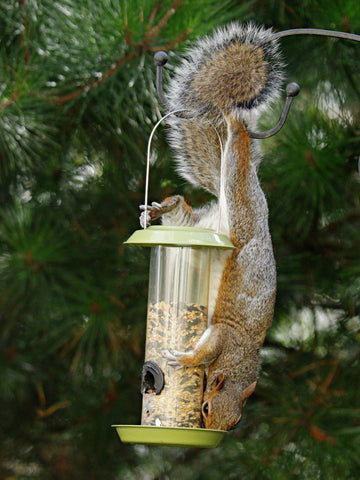
Are squirrels turning your peaceful bird feeding time into a frustrating battle? You’re not alone.
These clever little critters can quickly empty your bird feeder, leaving you wondering how to keep them away without harming them. The good news is, you don’t have to give up on feeding your feathered friends. You’ll discover simple, effective ways to protect your bird feeder and enjoy watching birds without unwanted interruptions.
Keep reading to find out how you can outsmart those pesky squirrels once and for all.
Why Squirrels Target Bird Feeders
Squirrels often raid bird feeders, frustrating many bird lovers. Understanding why squirrels target feeders helps in stopping them. Their natural habits and diet make bird feeders very appealing. Squirrels see feeders as easy food sources and safe spots to eat.
Squirrel Behavior And Diet
Squirrels are active and curious animals. They eat nuts, seeds, fruits, and sometimes insects. Bird feeders offer a variety of seeds that fit their diet. Squirrels store food for winter, making feeders a perfect spot. Their sharp teeth help them crack open hard shells. Squirrels are quick and clever, often outsmarting simple barriers.
Attraction To Bird Feeders
Bird feeders provide constant and easy access to food. The seeds are high in fat and energy, ideal for squirrels. Feeders are often in quiet, safe places. Squirrels feel less threatened near feeders. The smell and sight of seeds attract squirrels from far away. Feeders with sunflower seeds, peanuts, or corn are most tempting.
Choosing The Right Feeder
Choosing the right bird feeder is a crucial step to keep squirrels away. Not all feeders are created equal, and some designs naturally discourage these furry visitors. Picking a feeder that fits your backyard’s needs can save you time, money, and frustration.
Squirrel-proof Feeder Designs
Look for feeders with built-in mechanisms that stop squirrels from accessing the seeds. Weight-sensitive feeders close the feeding ports when a squirrel’s weight is detected, while caged feeders have metal cages surrounding the seed area, allowing birds in but blocking squirrels.
Another effective design is the tube feeder with small perches that are too tiny or unstable for squirrels to grip. These designs don’t just protect your seeds—they also provide a safe feeding spot for birds.
Have you noticed how some feeders have baffles? These dome- or cone-shaped guards can be installed above or below the feeder to block squirrels from climbing or jumping onto it. Combining a good feeder with a baffle often makes a big difference.
Material And Placement Tips
The material of your feeder plays a role in durability and squirrel resistance. Metal feeders tend to hold up better against squirrels’ sharp teeth compared to plastic. If you’ve ever had a squirrel chew through plastic, you know how frustrating this can be.
Placement matters just as much as the feeder itself. Position your feeder at least 10 feet away from trees, fences, or other launching points squirrels use to jump onto it. Also, hanging feeders on a thin, smooth pole with a baffle below can make climbing nearly impossible for them.
Think about your feeder’s location from the bird’s perspective too. Is it easy for birds to spot and access? Balancing accessibility for birds while keeping squirrels out requires a little trial and error, but the right placement can drastically reduce squirrel visits.
Physical Barriers To Keep Squirrels Out
Stopping squirrels from raiding your bird feeder can feel like a never-ending battle. Physical barriers offer a straightforward way to protect your birdseed without harming the squirrels. They create a clear boundary that squirrels find hard to cross, helping you enjoy watching birds without the constant interruption of furry thieves.
Baffles And Guards
Baffles are one of the most effective physical barriers you can add to your bird feeder setup. These are dome- or cone-shaped shields placed above or below the feeder to block squirrels from climbing or jumping onto it. Installing a squirrel baffle on the pole holding your feeder can stop squirrels from climbing up.
Guards work similarly by encasing the feeder or its pole, making it difficult for squirrels to grip or reach the seeds. Many guards come in metal or slippery plastic, materials squirrels struggle to hold onto. You might find adjustable guards that fit different feeder designs, so pick one that matches your setup.
Placement Strategies
Where you put your bird feeder matters just as much as the barriers you use. Try hanging feeders at least 10 feet away from trees, fences, or any structure squirrels can jump from. Squirrels are excellent jumpers and climbers, so any nearby launching point makes your feeder an easy target.
Another trick is to hang feeders on thin, smooth wires or cables instead of poles. Squirrels find it tough to balance and climb on these narrow, slippery surfaces. Have you noticed how squirrels avoid certain feeders simply because they are too tricky to reach? This simple shift in placement can save your birdseed and reduce your frustration.

Credit: www.popsci.com
Natural Deterrents That Work
Natural deterrents offer a simple way to keep squirrels away from bird feeders. These options use scents and plants that squirrels dislike. They create an environment squirrels avoid without harming them. Natural methods protect birds and maintain a peaceful garden space.
Using Spices And Scents
Squirrels have a strong sense of smell. Certain spices and scents can keep them at a distance. Sprinkle cayenne pepper or chili powder around the feeder. The spicy smell bothers squirrels but does not harm birds. Garlic powder and peppermint oil also work well. Apply these scents near the feeding area regularly. The smell confuses squirrels and discourages them from coming close.
Plants That Repel Squirrels
Some plants naturally repel squirrels. Planting these near bird feeders helps keep squirrels away. Daffodils and alliums contain toxins squirrels dislike. Their smell and taste drive squirrels off. Lavender and marigolds also work as repellents. These flowers add beauty and protect your feeder. Place pots or small beds of these plants around feeding spots for best results.
Feeding Alternatives To Distract Squirrels
Feeding squirrels separately helps protect your bird feeder. Squirrels love food just like birds do. Offering them their own treats can keep them busy. This reduces their visits to the bird feeder. Setting up a special spot for squirrels is a smart way to distract them. It also keeps your feathered friends safe and happy.
Setting Up Squirrel Feeders
Place squirrel feeders away from bird feeders. Use a sturdy platform or a hanging feeder. Make sure it is easy for squirrels to reach. Choose a spot with some shade and cover. This keeps squirrels comfortable and encourages them to visit.
Fill the feeder with squirrel-friendly food. Refill it regularly to keep squirrels interested. Clean the feeder often to avoid mold and pests. This creates a healthy feeding place for squirrels.
Safe Foods For Squirrels
Offer foods squirrels enjoy and that are safe for them. Here are some good options:
- Unsalted nuts like peanuts and walnuts
- Sunflower seeds
- Fresh fruits such as apples and berries
- Vegetables like corn and carrots
Avoid salty, sugary, or processed foods. These can harm squirrels. Providing natural and healthy foods helps squirrels stay healthy and less likely to raid bird feeders.

Credit: www.yahoo.com
Maintenance And Regular Checks
Keeping squirrels off your bird feeder requires more than just setting up barriers or squirrel-proof feeders. Regular maintenance and checks play a crucial role in ensuring your efforts don’t go to waste. Neglecting this can quickly turn your bird feeder into a squirrel buffet, frustrating your attempts to attract only birds.
Cleaning Feeders
Dirty feeders can attract squirrels because leftover seeds and debris create an easy food source. Clean your feeders thoroughly every two weeks using warm, soapy water. Rinse them well to avoid harming the birds and dry completely before refilling.
Regular cleaning also prevents mold growth, which can make the feed unhealthy for birds and squirrels alike. Have you noticed squirrels targeting feeders that seem dirtier? That’s often because they’re finding extra food scraps you might not see.
Monitoring Squirrel Activity
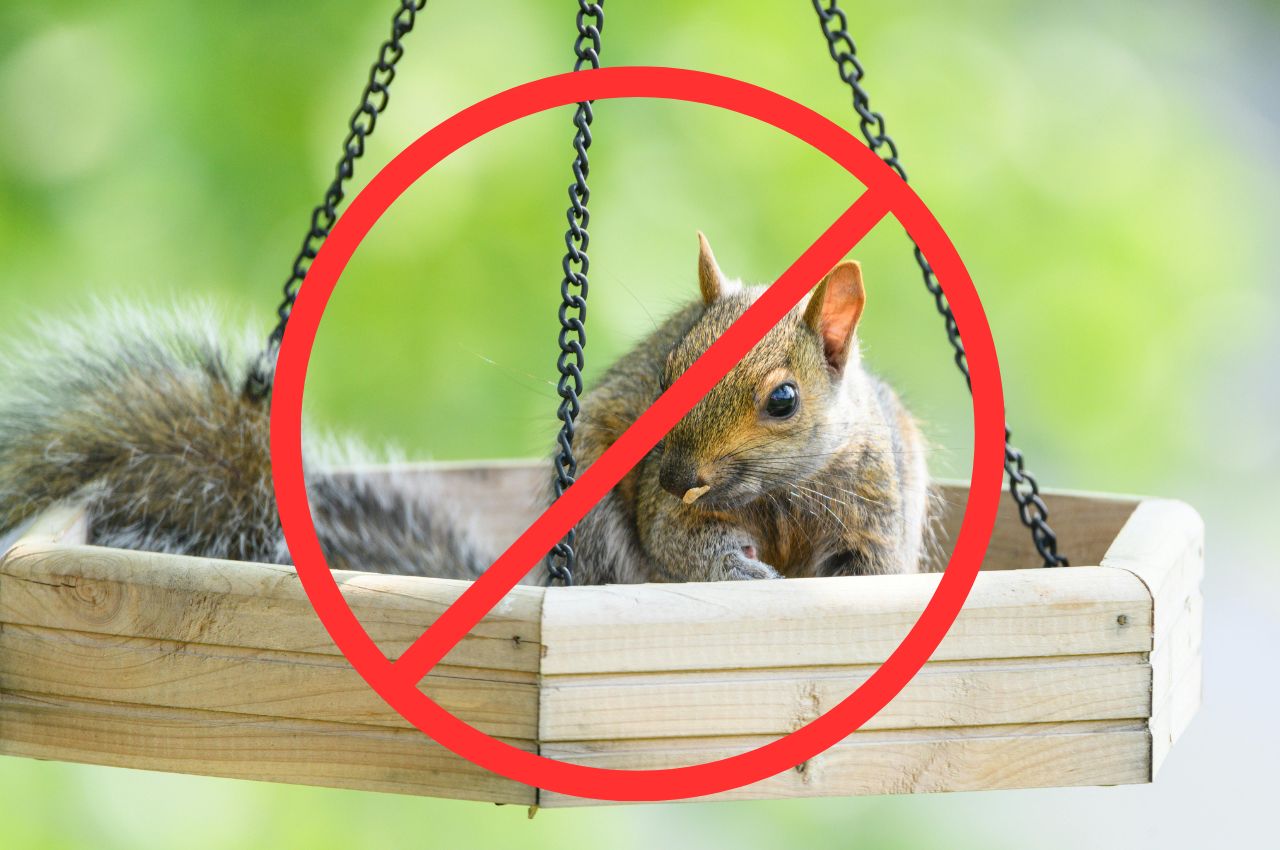
Keep a close eye on how squirrels approach and interact with your feeders. Noticing their patterns can help you adjust your strategies effectively. Are they coming mainly at certain times of day, or do specific feeders attract them more?
Try keeping a simple log or taking short videos to understand their behavior better. This information allows you to move feeders, change seed types, or add deterrents exactly where needed. Ignoring this step is like trying to fix a leak without knowing where the water is coming from.
Credit: www.beakybites.co.uk
Frequently Asked Questions
How Can I Squirrel-proof My Bird Feeder?
Use baffles above or below the feeder to block squirrels. Place feeders on poles away from trees. Opt for squirrel-resistant feeders with weight-sensitive perches to deter them effectively.
What Natural Deterrents Keep Squirrels Away?
Peppermint oil, cayenne pepper, and garlic spray repel squirrels. Sprinkle these around feeders or on feeder parts. These natural scents and tastes discourage squirrels without harming birds.
Does Feeder Placement Affect Squirrel Visits?
Yes, placing feeders far from trees and fences reduces squirrel access. Squirrels leap from nearby branches, so a 10-foot distance helps keep them away.
Are Squirrel-proof Bird Feeders Effective?
Yes, squirrel-proof feeders with cage designs or weight-triggered mechanisms limit squirrel access. They allow birds to feed while keeping squirrels out.
Conclusion
Keeping squirrels away from your bird feeder takes patience and simple steps. Use squirrel-proof feeders or place barriers around the feeder. Try feeding squirrels separately to distract them. Regularly clean the area to remove spilled seeds. These actions help protect your bird feeder and keep birds happy.
Remember, small changes make a big difference over time. Enjoy watching birds without unwanted squirrel visits.