
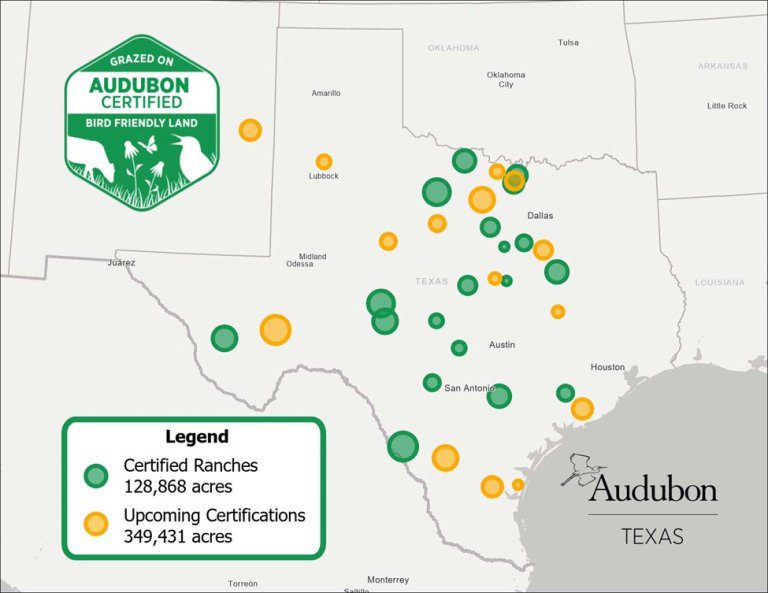
Have you ever wondered how much Texas invests in protecting its wild birds? If you care about nature and the beautiful birds you see in your backyard, this is important for you.
Knowing where the money goes helps you understand how serious Texas is about keeping its bird populations safe and healthy. You’ll discover the real numbers behind Texas’s spending on bird conservation and why it matters to you and the environment around you.
Keep reading to see how your state is working to protect these incredible creatures.
Credit: tpwmagazine.com
Texas Bird Conservation Budget
Bird conservation in Texas is more than just a line in a budget—it’s a testament to the state’s commitment to preserving its rich natural heritage. With diverse habitats supporting over 600 bird species, Texas plays a crucial role in avian biodiversity. But how much does the state actually invest in this cause? Let’s break down the Texas Bird Conservation Budget and see where the money comes from and how it’s spent.
State Funding Sources
Texas allocates substantial resources through various state programs dedicated to wildlife conservation. The Texas Parks and Wildlife Department (TPWD) is a significant player, channeling funds into habitat restoration and research projects. Have you ever wondered how your purchase of a hunting or fishing license supports birds? A portion of these fees directly contributes to conservation efforts, creating a sustainable cycle of funding.
Federal Contributions
Federal funding plays a pivotal role in Texas’s bird conservation strategy. Programs like the North American Wetlands Conservation Act (NAWCA) provide critical financial support. These contributions often match state and local efforts, amplifying their impact. Imagine the collaborative power when state and federal resources combine to protect our feathered friends.
Private And Nonprofit Support
Private donations and nonprofit organizations are the unsung heroes of bird conservation in Texas. Groups like the Audubon Society and local birding clubs contribute both funds and volunteer hours. Their passion for birds often translates into innovative projects and educational programs. Have you ever participated in a bird count or habitat cleanup? These grassroots efforts are vital to sustaining Texas’s avian diversity.
Major Conservation Programs
Texas invests heavily in bird conservation through several major programs. These programs focus on protecting habitats, endangered species, and collecting important data. Each effort helps maintain healthy bird populations across the state. Understanding these programs shows how Texas supports its wildlife.
Habitat Restoration Projects
Texas funds many projects to restore natural habitats. These projects improve wetlands, grasslands, and forests. Restored habitats provide food, shelter, and breeding grounds for birds. Efforts include planting native plants and removing invasive species. Healthy habitats help birds survive and thrive.
Endangered Species Protection
Texas dedicates resources to protect endangered bird species. Programs focus on species like the whooping crane and golden-cheeked warbler. Protection includes habitat preservation and reducing threats from humans. Staff work with landowners to create safe environments. These actions increase the chances of survival for rare birds.
Research And Monitoring Efforts
Texas supports ongoing research to track bird populations. Scientists study migration, breeding, and habitat use. Data helps guide conservation decisions and policies. Volunteers and professionals work together in monitoring programs. This research provides valuable insights to improve bird protection.
Spending Trends Over Time
Texas has changed its spending on bird conservation through the years. Tracking these trends helps understand the state’s commitment to protecting bird species. The budget shifts reveal priorities and responses to ecological needs.
Historical Budget Changes
In the early 2000s, Texas allocated modest funds for bird conservation. Budgets were limited, focusing mainly on habitat preservation. Spending was steady but not expansive.
By the 2010s, funding grew as awareness of environmental issues increased. Conservation programs expanded to include research and public education. Still, budgets faced occasional cuts due to economic challenges.
Recent Funding Increases
Since 2020, Texas has boosted investment in bird conservation significantly. New grants support endangered species and habitat restoration. These increases reflect growing public and governmental concern for wildlife.
Funds now cover more projects, including migratory bird protection and urban habitat improvements. Agencies collaborate to maximize the impact of these resources.
Future Funding Projections
Experts predict steady or rising budgets for bird conservation in Texas. Plans include expanding protected areas and enhancing research capabilities. Increased public interest may drive more funding from state and federal sources.
Continued investment is crucial for maintaining bird populations and biodiversity. Texas aims to balance economic growth with environmental stewardship through these financial commitments.
Credit: tpwmagazine.com
Impact Of Conservation Spending
Spending on bird conservation in Texas is more than just numbers; it directly shapes the health of ecosystems and the survival of countless bird species. Every dollar allocated influences habitats, research, and community programs. Understanding the impact helps you see the real value behind conservation budgets.
Success Stories
Texas has seen remarkable wins thanks to targeted conservation funding. The recovery of the Whooping Crane population is a prime example. Investments in habitat restoration and protection have helped increase their numbers from just 15 in the 1940s to over 800 today.
Other species like the Golden-cheeked Warbler have also benefited. Funds have supported nesting site preservation and research, leading to better protection strategies. These success stories show how focused spending can turn endangered species around.
Challenges Faced
Despite progress, conservation efforts face significant hurdles. Urban expansion and climate change continue to threaten bird habitats across Texas. Limited budgets force tough choices on which species or areas to prioritize.
Additionally, invasive species and pollution complicate recovery efforts. You might wonder how these challenges affect the long-term impact of spending. Balancing immediate needs with future risks requires careful planning and community support.
Community Involvement
Your role in bird conservation is crucial. Many successful programs depend on volunteers for habitat cleanups, citizen science, and public education. These efforts stretch funding further and create a network of advocates who care about Texas’s birds.
Local schools, nonprofits, and government agencies often partner to maximize impact. Getting involved can give you a firsthand look at how conservation funds transform environments. What difference could your participation make in sustaining these efforts?
Comparing Texas With Other States
Texas plays a vital role in bird conservation across the United States. Comparing its spending with other states shows where it stands and what sets it apart. This comparison helps understand Texas’ commitment and strategies for protecting bird species.
Spending Per Acre
Texas spends a moderate amount on bird conservation per acre. States with smaller land areas often spend more per acre. For example, Maryland and New Jersey allocate higher funds relative to their size. Texas covers vast lands, spreading its budget thinner. This affects how much money reaches each acre of habitat.
Program Effectiveness
Texas runs several strong conservation programs. Some focus on endangered species like the Attwater’s prairie chicken. Other states may have fewer programs but with more funding per project. Texas balances many initiatives, reaching a wide range of birds. This broad approach helps protect diverse habitats and species.
Funding Priorities
Texas prioritizes habitat restoration and research. Other states may focus more on public education or land acquisition. Texas invests heavily in partnerships with private landowners. This strategy differs from states relying mainly on public lands. The focus on collaboration helps Texas conserve large areas efficiently.
Credit: tpwmagazine.com
Frequently Asked Questions
How Much Money Does Texas Spend On Bird Conservation?
Texas allocates millions annually for bird conservation efforts. Funding supports habitat restoration, research, and public education programs statewide.
What Agencies Fund Bird Conservation In Texas?
The Texas Parks and Wildlife Department leads funding. Federal grants and private donations also contribute significantly to conservation projects.
How Does Texas Prioritize Bird Conservation Spending?
Texas focuses on protecting endangered species and migratory birds. Spending targets critical habitats, research, and community awareness campaigns.
Are There Specific Bird Species Texas Conserves Financially?
Yes, Texas funds conservation for species like the Whooping Crane and Golden-cheeked Warbler. These efforts help stabilize populations.
Conclusion
Texas spends millions each year to protect its bird species. These funds help maintain habitats and support conservation projects. Protecting birds also benefits the environment and people. Every dollar invested helps keep bird populations healthy. This spending shows Texas values its natural wildlife.
Bird conservation remains a key part of the state’s efforts. Understanding this helps us appreciate the work behind the scenes. Caring for birds means caring for nature itself. It’s a shared responsibility that pays off for all.