
Are you wondering how much to feed your baby bird to keep it healthy and growing strong? It’s natural to feel unsure about the right amount, especially when every little detail matters for your feathered friend’s survival.
Feeding too little can leave your baby bird weak, while overfeeding might cause serious health problems. You’ll discover clear, simple guidelines that take the guesswork out of feeding your baby bird. Keep reading to learn exactly what your bird needs and how to give it the best start in life.
Feeding Basics For Baby Birds
Feeding a baby bird requires care and attention. These young birds need the right food in the right amount to grow strong. Understanding their feeding needs helps ensure their health and survival.
Each bird species may have different feeding habits. Still, some basic rules apply to all baby birds. Knowing when to start feeding, what to feed, and how often is key to their well-being.
When To Start Feeding
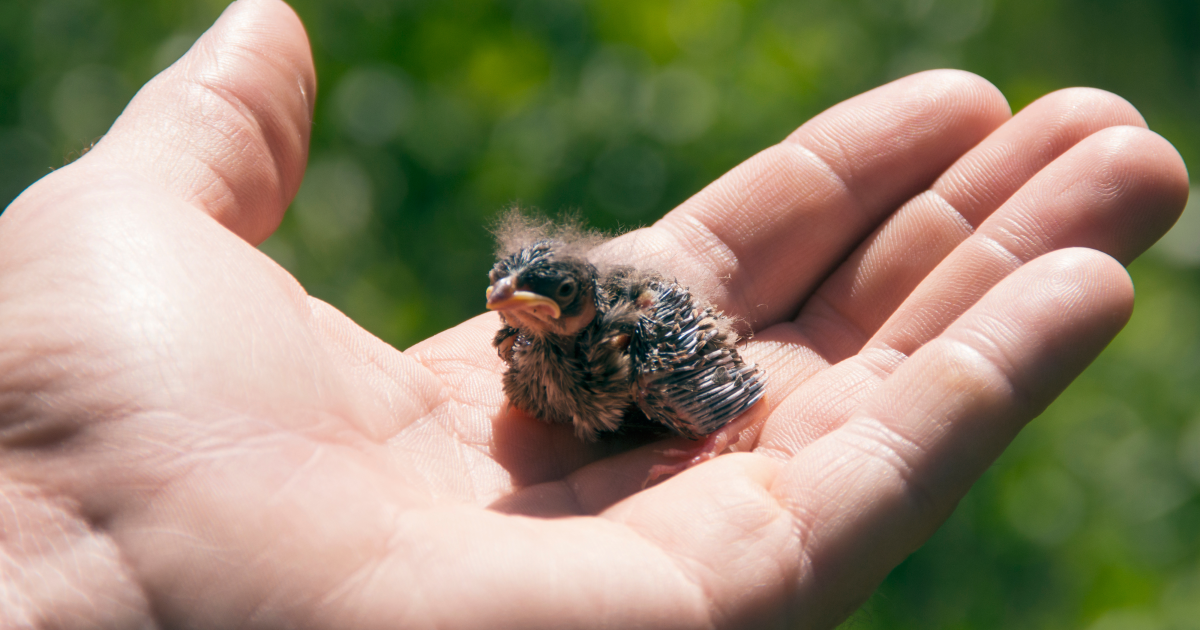
Baby birds usually start eating a few days after hatching. Their parents feed them at first. If you care for an orphaned bird, start feeding once it opens its eyes.
Watch for signs like begging or opening the mouth wide. These signals show the bird is ready to eat.
Types Of Food Suitable For Baby Birds
Baby birds need soft, easily digestible food. Avoid hard seeds or large chunks. Good options include:
- Soft fruits like mashed bananas or apples
- Boiled eggs, finely chopped
- Specialized commercial baby bird formula
- Insects like mealworms, for insectivorous species
Do not feed bread, milk, or processed human food. These can harm the bird’s health.
Frequency Of Feeding
Baby birds eat often. Newborns may need feeding every 15 to 20 minutes. Older chicks eat less often, about every 30 minutes to an hour.
Feed the bird enough to fill its crop but not too much. Overfeeding can cause health problems.
Observe the bird’s hunger cues and adjust feeding times accordingly.
Credit: pethelpful.com
Determining The Right Amount
Determining the right amount to feed a baby bird is crucial for its health and growth. Feeding too much or too little can cause serious problems. Understanding the bird’s needs helps provide the best care. This section explains how to find the correct food quantity for your baby bird.
Factors Influencing Food Quantity
Several factors affect how much food a baby bird needs. Age plays a big role. Younger birds require more frequent feedings but smaller amounts each time. Species also matter; some birds grow faster and need more nutrition. Temperature influences appetite. Cold weather may increase feeding needs. Activity level and health condition also change food requirements.
Signs Of Proper Feeding
Look for clear signs that your baby bird is well-fed. A full, round crop after feeding shows good intake. The bird should be active and alert between meals. Weight gain is a positive sign, so weigh the bird regularly. Healthy droppings indicate good digestion and proper food amount. The bird’s feathers should look smooth and clean.
Avoiding Overfeeding And Underfeeding
Overfeeding can cause crop problems and obesity. The bird may refuse food or show slow growth. Underfeeding leads to weakness and poor development. The bird may cry often or appear lethargic. Feed small amounts and check the crop after each feeding. Adjust the quantity based on the baby bird’s response and growth progress.
Feeding Techniques
Feeding baby birds requires careful techniques to ensure their health and growth. Proper feeding methods help avoid choking and stress. Patience and attention make feeding time safe and effective. Understanding the right approach can improve your baby bird’s chances of survival.
Hand-feeding Tips
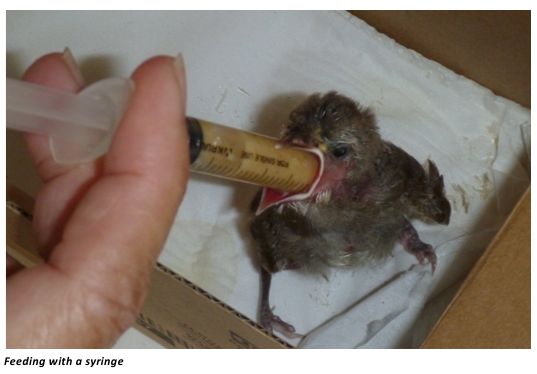
Use gentle, slow movements to avoid startling the baby bird. Hold the bird securely but softly. Offer food in small amounts to prevent choking. Watch for signs of fullness or discomfort. Warm the food to the bird’s body temperature before feeding. Always feed the bird in an upright position.
Using Feeding Tools Safely
Choose tools designed for baby birds, like syringes or spoons with soft edges. Sterilize tools before each use to avoid infections. Avoid forcing food; let the bird swallow at its own pace. Check tools for cracks or damage regularly. Use the right tool size for the bird’s beak.
Maintaining Hygiene During Feeding
Wash your hands thoroughly before and after feeding. Clean feeding tools with hot, soapy water after each feeding. Replace food that has been out too long to prevent bacteria growth. Keep the feeding area clean and dry. Avoid cross-contamination by using separate tools for different birds.
Nutritional Needs For Growth
Baby birds need proper nutrition to grow strong and healthy. Their tiny bodies require a balanced diet full of important nutrients. Feeding them the right food supports their development and helps build their immune system. Understanding their nutritional needs ensures they thrive in their early days.
Essential Nutrients For Baby Birds
Protein is vital for muscle and feather growth. Carbohydrates provide energy for daily activities. Fats help with brain development and keep the skin healthy. Vitamins and minerals support overall health and bone strength. Water is crucial to keep baby birds hydrated and aid digestion.
Supplements And Vitamins
Some baby birds may need extra vitamins to meet their needs. Calcium supports strong bones and beak development. Vitamin A helps maintain good eyesight and skin health. Probiotics can improve digestion and boost the immune system. Always use supplements made for birds and follow dosage advice carefully.
Adjusting Diet As Bird Grows
Young birds require more protein than adults. Gradually introduce seeds, fruits, and vegetables as they grow. Monitor their weight and health to adjust feeding amounts. Avoid sudden diet changes to prevent digestive problems. A well-planned diet ensures smooth transition to adult bird food.
Common Feeding Challenges
Feeding a baby bird is not always straightforward. You might face unexpected challenges that can leave you feeling worried or unsure. Understanding common feeding issues helps you act quickly and keep your little feathered friend healthy.
Dealing With Refusal To Eat
Sometimes, baby birds refuse to eat, which can be alarming. This could happen if the food is too hot, too cold, or not the right texture. Try adjusting the temperature or mashing the food finer to see if it helps.
Another reason could be stress or fear. Baby birds need a calm environment, so reduce noise and sudden movements around them. Have you noticed your bird turning away or opening its beak wide but not eating? That could signal discomfort.
Recognizing Signs Of Malnutrition
Malnutrition in baby birds shows up in subtle ways. Look for signs like weak wings, slow movement, or an unusually pale or swollen crop. These are red flags that the bird isn’t getting enough nutrients.
Weight loss or failure to gain weight is a critical sign. Weigh your bird regularly and keep a feeding log. If your baby bird looks smaller or less active compared to others its age, it might be time to reconsider your feeding routine.
When To Consult A Vet
You should reach out to a vet if your baby bird refuses to eat for more than a day or shows signs of illness like lethargy or abnormal droppings. Early professional help can prevent serious complications.
Also, if you notice injuries, swelling, or persistent crop issues, don’t wait. Vets can provide specialized advice and treatments that are crucial at this delicate stage. Remember, your quick action can save a life.

Credit: www.reddit.com
Weaning And Transitioning To Solid Food
Weaning your baby bird and helping it transition to solid food is a crucial stage in its development. This phase requires patience and careful observation to ensure your bird stays healthy and adapts well. Understanding the right timing and techniques can make this process smoother for both you and your feathered friend.
Timing For Weaning
Knowing when to start weaning is essential. Most baby birds begin to show interest in solid food around 4 to 6 weeks of age, but this can vary by species. Watch for signs like pecking at food or mimicking adult birds before you introduce solids.
If you rush the process, your bird might reject new foods or suffer nutritional deficits. On the other hand, waiting too long can delay independence. Keep an eye on your bird’s behavior and growth to decide the best moment to begin.
Introducing Solid Foods
Start by offering soft, easily digestible solids such as mashed fruits, vegetables, or soaked pellets. You can mix these with formula initially to ease the transition. Offer small amounts several times a day to encourage tasting without overwhelming your bird.
Use a shallow dish or your fingertips to present food. This hands-on approach helps your baby bird associate eating solids with positive interaction. Gradually reduce formula feedings as your bird eats more solids, but don’t rush this shift.
Encouraging Independent Eating
Encouraging your bird to eat on its own builds confidence and promotes healthy growth. Place food in accessible spots within the cage and observe if your bird approaches it. Sometimes, gently guiding your bird’s beak to the food can help.
Celebrate small victories like a single bite or trying a new food. These moments show your bird is ready to become more independent. Are you ready to watch your baby bird take its first confident steps toward self-feeding?
Credit: medium.com
Frequently Asked Questions
How Often Should I Feed A Baby Bird?
Baby birds need frequent feedings to thrive. Typically, you should feed them every 20-30 minutes during daylight. Their rapid metabolism demands this frequent feeding schedule. As they grow, the frequency can decrease. Always monitor their crop to ensure it’s not empty for too long.
What Can I Feed A Baby Bird?
Commercially available baby bird formulas are the best choice. These formulas provide balanced nutrition crucial for growth. Avoid feeding milk or bread as they can harm the bird. If you can’t find a formula, consult a vet for temporary alternatives.
Can I Overfeed A Baby Bird?
Yes, overfeeding can harm a baby bird. It may lead to crop stasis or regurgitation. Always monitor the crop’s fullness and avoid feeding if it’s still full. Underfeeding is also dangerous, so it’s essential to find a balance based on the bird’s needs.
How Do I Know If A Baby Bird Is Hungry?
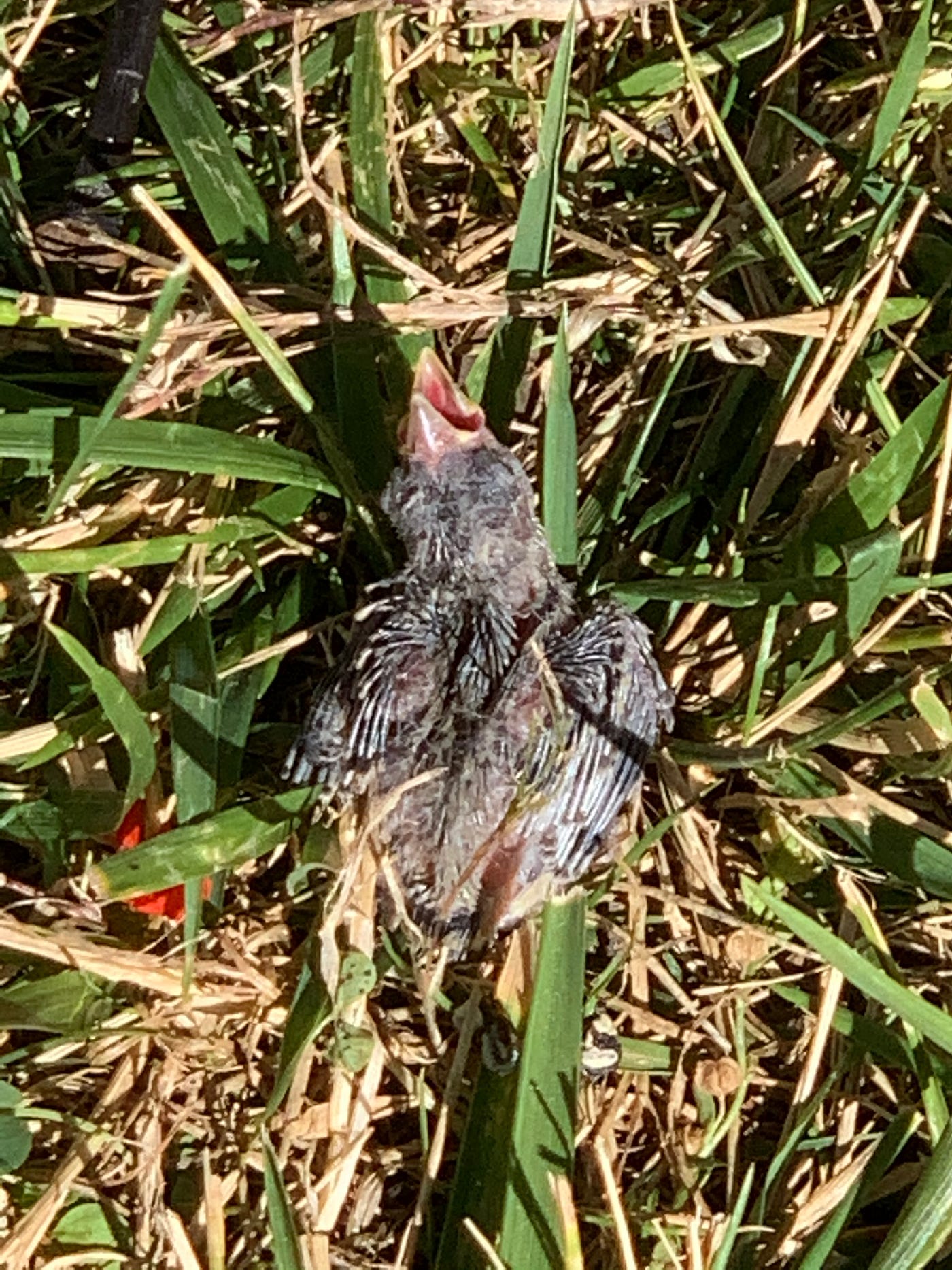
A hungry baby bird will exhibit gaping behavior, opening its mouth wide. It may also chirp persistently when hungry. Observing these behaviors helps ensure timely feeding. Consistently monitoring your bird’s feeding schedule helps prevent hunger.
Conclusion
Feeding a baby bird the right amount keeps it healthy and growing. Watch its behavior to know when it is full or still hungry. Feed small portions often, not large amounts at once. Use soft, easy-to-digest food suitable for the bird’s species.
Clean feeding tools help avoid sickness. Patience is key—baby birds need gentle care and time to thrive. Keep learning and observing to give the best care possible. Your effort will help the bird grow strong and happy.