
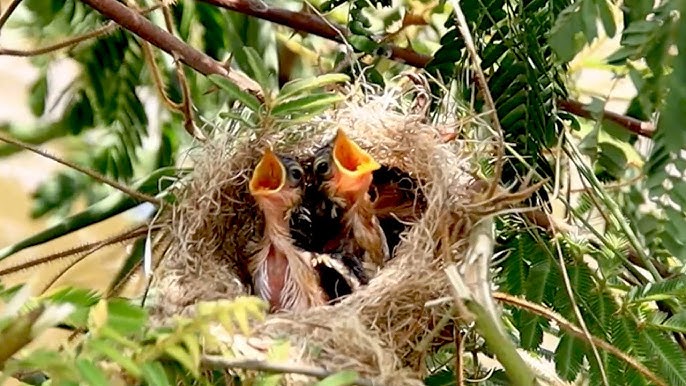
Have you ever found a tiny baby bird and wondered what you can feed it to help it grow strong? Knowing the right food is very important because your little feathered friend needs special care to stay healthy.
Feeding a baby bird the wrong thing can do more harm than good. You’ll discover exactly what foods are safe and nutritious for baby birds. Keep reading to learn how you can make a difference and give that fragile life the best start possible.
Identifying Baby Bird Species
Identifying the species of a baby bird is crucial before deciding what to feed it. Different birds have unique dietary needs that must be met to ensure their survival and healthy growth. By recognizing the species, you can provide the right nutrition and avoid causing harm.
Common Baby Birds In Your Area
Most neighborhoods host a variety of baby birds you might come across. Some common ones include:
- Robins:Easily spotted with their speckled chests and orange bellies.
- Sparrows:Small, brown, and often found near human habitation.
- Blue Jays:Bright blue feathers and loud calls make them unmistakable.
- Finches:Tiny birds with vibrant colors, often visiting feeders.
Have you noticed any baby birds in your yard? Observing their size, color, and behavior can help pinpoint their species quickly.
Feeding Needs By Species
Each baby bird species has specific feeding requirements that affect their chances of survival.
| Species | Diet | Feeding Frequency |
|---|---|---|
| Robin | Insects, worms, soft fruits | Every 20-30 minutes during daylight |
| Sparrow | Seeds, small insects, soaked bread crumbs | Every 30 minutes |
| Blue Jay | Insects, nuts, fruit pieces | Every 30 minutes to 1 hour |
| Finch | Seeds, soft fruits, small insects | Every 30 minutes |
Consider the baby bird’s size and age when deciding how much to feed. Overfeeding can be just as harmful as underfeeding.
Credit: medium.com
Signs A Baby Bird Needs Feeding
Knowing when a baby bird needs feeding is crucial for its survival. These tiny creatures can’t tell you they’re hungry in words, so you have to learn their signs. Paying attention to their behavior helps you decide if and when to step in.
Hunger Cues To Watch For
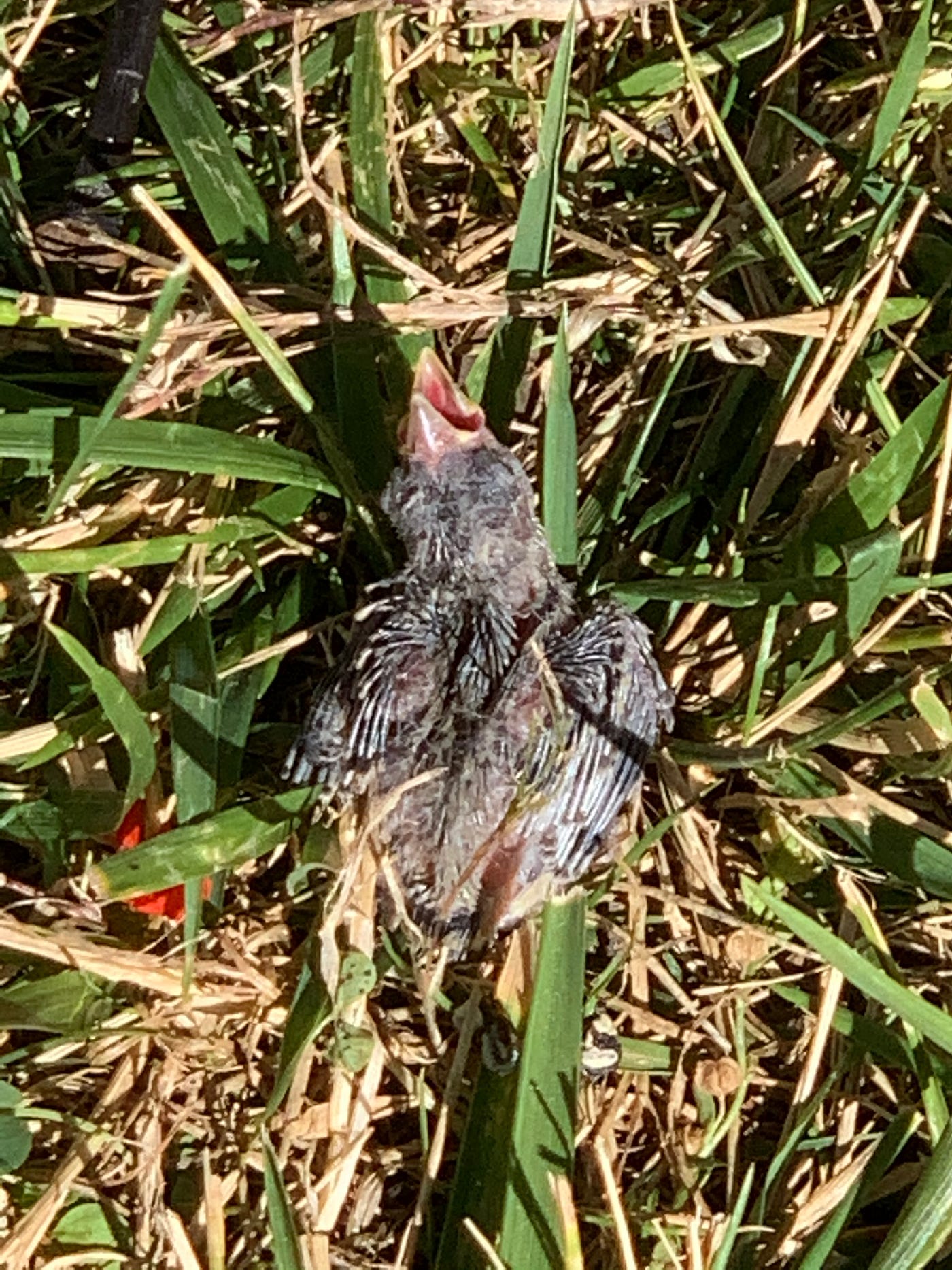
Baby birds often open their mouths wide and chirp loudly when hungry. You might see them fluttering their wings or moving their heads eagerly toward food sources. Sometimes, they appear restless or weak, which means they need nourishment urgently.
Watch for these key signals:
- Repeated, loud begging calls
- Brightly open mouths with a pink or orange color inside
- Consistent movement toward you or food
- Visible weakness or lethargy between feedings
When To Intervene
Not every hungry baby bird needs human help. If you spot a nest nearby and the parent birds are around, it’s usually best to let nature take its course. However, if the baby is cold, alone, or visibly weak, it’s time to act.
Ask yourself these questions before intervening:
- Are parent birds feeding the baby regularly?
- Is the baby in immediate danger from predators or weather?
- Does the baby look dehydrated or too weak to move?
In a personal experience, I once found a baby bird that was silent and motionless on the ground. No parent appeared for hours, and it was clearly starving. I knew waiting wasn’t an option, so I carefully fed it, which saved its life. How would you decide when to step in?
Safe Food Options For Baby Birds
Feeding baby birds requires careful attention to their diet needs. Safe food options ensure healthy growth and development. Choosing the right foods supports their natural feeding habits. Avoid foods that might harm or upset their digestive systems.
Natural Diet Components
Baby birds eat different foods depending on their species. Many young birds rely on insects for protein and energy. Soft, easy-to-digest items suit their delicate bodies best.
- Small insects like mealworms and crickets
- Soft fruits such as mashed berries or bananas
- Boiled eggs, finely chopped for extra protein
- Moistened bread crumbs or soaked oats for carbohydrates
These natural items help mimic what parent birds provide. Avoid feeding seeds or hard nuts to very young birds. Their beaks and stomachs are not ready for tough foods.
Suitable Commercial Foods
Specially made bird formulas are available for baby birds. These products contain balanced nutrients to promote growth. They come as powders or pastes that mix with water.
- Hand-feeding bird formulas from pet stores
- Powdered diets designed for insectivorous or omnivorous birds
- Gel-based foods that are easy to swallow
These commercial foods ensure babies get vitamins and minerals. Follow package instructions carefully to prepare the food. Avoid human foods with sugar, salt, or spices.
Foods To Avoid
Feeding a baby bird requires careful attention to what foods are safe. Some foods can harm or even kill a baby bird. Avoiding these foods is crucial for their health and growth.
Not all foods suitable for adult birds are safe for babies. Some common items contain toxins or cause digestive problems. Knowing which foods to avoid helps keep baby birds healthy.
Toxic And Harmful Items
- Avoid chocolate; it contains substances harmful to birds.
- Do not feed caffeine or coffee grounds; they can be toxic.
- Onions and garlic can cause digestive upset and damage blood cells.
- Avocado contains persin, which is poisonous to many bird species.
- Alcohol and sugary foods can lead to serious health issues.
- Salt is dangerous; it can cause dehydration and kidney failure.
- Raw beans contain toxins harmful to birds if not cooked properly.
Common Mistakes In Feeding
- Feeding bread or dairy can cause nutrition problems and diarrhea.
- Giving whole seeds may choke young birds or be hard to digest.
- Offering fatty or fried foods can upset their delicate stomachs.
- Using human baby food often lacks the nutrients birds need.
- Forcing food can cause injury or stress to the baby bird.
- Ignoring proper hydration can lead to dehydration quickly.
How To Prepare Food For Baby Birds
Feeding baby birds requires careful preparation of their food. Their delicate digestive systems need soft, easy-to-eat meals. Preparing food correctly helps baby birds grow strong and healthy. It also prevents choking and digestive problems.
Proper Texture And Temperature
Baby birds need food that is soft and smooth. Mash or blend solid foods until they have a pudding-like texture. Avoid lumps or hard pieces that can cause choking. The food should be warm but not hot. Test the temperature by placing a small amount on your wrist. It should feel comfortably warm, like bath water. Cold food can upset their stomachs and cause illness.
Mixing And Storage Tips
Mix food fresh each time you feed baby birds. Use clean utensils to avoid germs. Store any leftover food in a sealed container in the fridge. Use leftovers within 24 hours to keep food safe. Never feed spoiled or old food to baby birds. Always prepare small amounts to reduce waste. Keep the feeding area clean to prevent infections.
Credit: www.happycockatiel.com
Feeding Techniques
Feeding a baby bird requires patience and care. The right feeding techniques help ensure the bird gets enough nutrition and stays safe. Proper methods reduce stress for both the caregiver and the bird. Small, frequent feedings mimic natural feeding patterns. Cleanliness and gentle handling are key to success.
Hand-feeding Methods
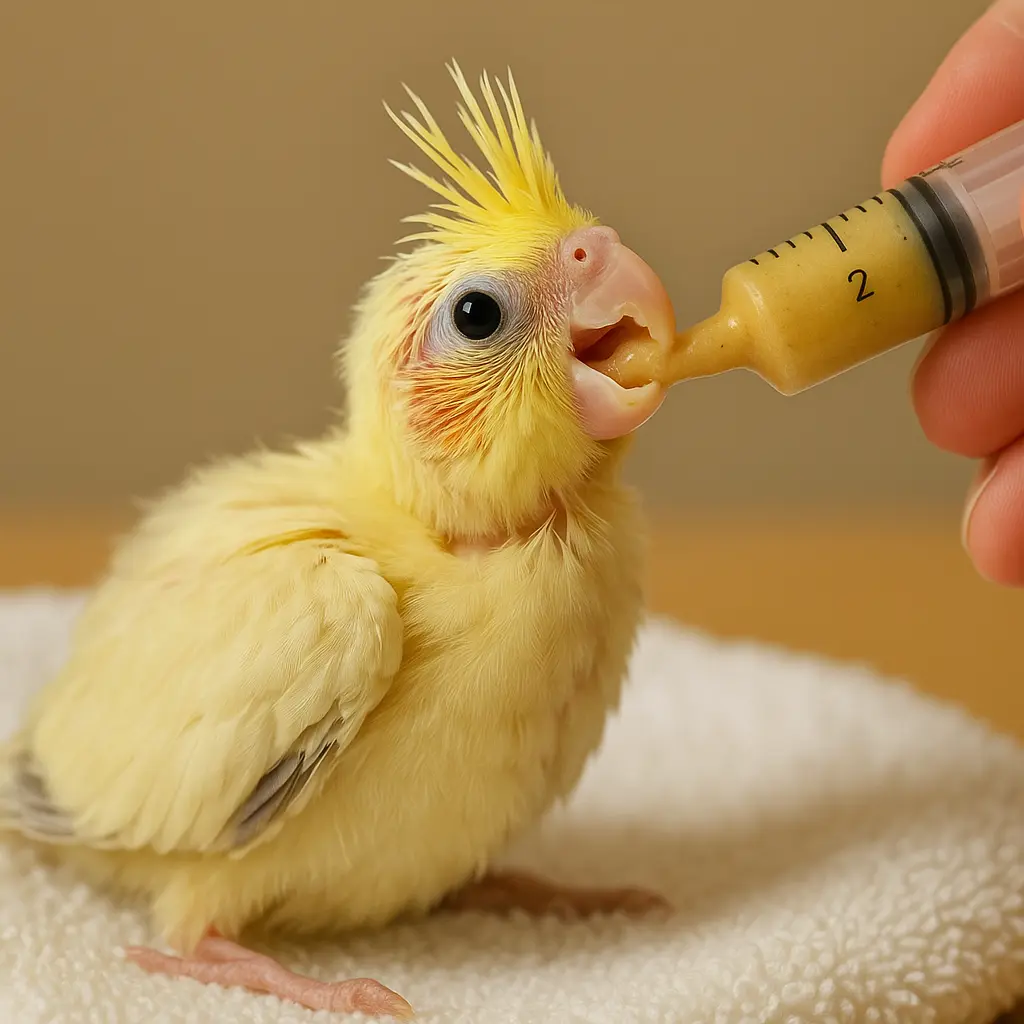
Hand-feeding is a common way to nourish baby birds. Use your fingers or a soft cloth to hold the bird gently. Offer small amounts of food at a time to avoid choking. Warm the food to the right temperature; too hot or cold can harm the bird. Feed slowly and watch the bird’s response carefully. Allow pauses so the bird can swallow comfortably. Stop feeding if the bird shows signs of distress.
Using Feeding Tools Safely
Feeding tools like syringes and droppers help control the food amount. Use small, clean tools designed for baby birds. Avoid sharp or large tips that can injure the bird’s mouth. Sterilize tools before each feeding to prevent infections. Never force the tool into the bird’s throat. Hold the bird securely but gently to prevent injury. Ensure the food flows slowly to avoid choking.
Frequency And Quantity Of Feeding
Knowing how often and how much to feed a baby bird is just as important as knowing what to feed it. Feeding too little can stunt growth, while feeding too much can cause health issues. Understanding the right frequency and quantity helps you provide the best care and boosts the chances of survival.
Age-based Feeding Schedules
Newly hatched baby birds need feeding every 15 to 20 minutes from dawn until dusk. As they grow, the intervals stretch to every 30 minutes, then every hour. By the time they are a few weeks old, feeding three to four times daily is usually enough.
Here’s a simple feeding schedule based on age:
| Age | Feeding Frequency | Quantity Per Feeding |
|---|---|---|
| Day 1-7 | Every 15-20 minutes | Small pinhead-size amounts |
| Week 2 | Every 30 minutes | Gradually larger portions |
| Week 3 | Every 1 hour | About 1/4 teaspoon |
| Week 4 and beyond | 3-4 times per day | 1/2 teaspoon or more |
Remember, each species and individual bird may vary slightly. Watch your baby closely to adjust feeding times.
Signs Of Overfeeding And Underfeeding
How do you know if you’re feeding your baby bird the right amount? Pay close attention to its behavior and appearance.
- Overfeeding:The bird may appear bloated or lethargic. You might see regurgitation or wet droppings. Overfed birds can develop digestive issues quickly.
- Underfeeding:The bird shows constant hunger, cries frequently, or loses weight. Its crop might feel empty or flat. Weakness and lack of energy are red flags.
Have you noticed your baby bird begging non-stop or seeming sleepy after feeding? These clues tell you when to tweak your feeding routine. Feeding isn’t just about quantity—it’s about responding to your baby’s needs dynamically.

Credit: www.amazon.ca
When To Seek Professional Help
Knowing when to seek professional help for a baby bird is crucial. Sometimes, your best efforts might not be enough, and the bird needs expert care to survive and thrive. Understanding the signs and knowing who to contact can make all the difference for the little one in your care.
Recognizing Health Issues
Watch for signs like lethargy, labored breathing, or visible injuries. If the bird is not eating or drinking despite your efforts, it’s a clear warning. Unusual droppings, constant trembling, or a weak response to touch also indicate serious problems.
Have you ever noticed a baby bird’s feathers looking dull or missing? That can mean malnutrition or illness. Acting quickly can prevent the situation from worsening.
Contacting Wildlife Experts
Reach out to local wildlife rehabilitators or veterinarians who specialize in birds. They have the tools and knowledge to provide proper care that you can’t offer at home. Don’t hesitate to call—even a quick phone consultation can guide your next steps.
Many areas have organizations dedicated to helping wild birds. Finding their contact information online or through local animal shelters is a good start. Remember, your willingness to seek expert help could save a life.
Frequently Asked Questions
What Should I Feed A Baby Bird?
You can feed a baby bird a mixture of soft, high-protein foods like soaked dog kibble, hard-boiled eggs, and mealworms. Ensure the food is moist but not too watery. Avoid feeding bread or milk, as they can harm the bird’s health.
Always provide fresh water alongside their meals.
Can Baby Birds Eat Fruits And Vegetables?
Yes, baby birds can eat small amounts of fruits and vegetables. Finely chopped apples, berries, and leafy greens are suitable options. Introduce these foods gradually and ensure they are fresh. Avoid acidic fruits and ensure all produce is pesticide-free. This provides essential nutrients for their growth.
How Often Do Baby Birds Need Feeding?
Baby birds need frequent feeding, typically every 15 to 30 minutes from dawn to dusk. Their rapid metabolism requires constant nourishment for growth. As they age, the frequency may decrease. Always monitor their growth and adjust feeding schedules accordingly to ensure they receive adequate nutrition.
Is It Safe To Feed Bread To Baby Birds?
No, bread is not safe for baby birds. It lacks essential nutrients and can cause digestive issues. Bread fills them up without providing necessary proteins and vitamins. Instead, offer high-protein foods like soaked kibble or mealworms. This ensures they receive the nutrition required for healthy development.
Conclusion
Feeding a baby bird needs care and the right food. Offer soft, small insects and mashed fruits. Avoid bread or milk, as they harm the bird. Keep food fresh and give small amounts often. Watch the bird’s reaction to know if it likes the food.
Help baby birds grow strong and healthy with proper feeding. Every little action counts in their early days. Care and patience make a big difference.