
Are pigeons taking over your bird feeder and scaring away the smaller birds you want to enjoy? You’re not alone.
Pigeons can be persistent and messy guests, leaving droppings and eating all the food meant for your feathered friends. But don’t worry—there are simple and effective ways you can get rid of pigeons and protect your bird feeder. Keep reading to discover easy tips that will help you keep your feeder clean and full for the birds you actually want to see.

Credit: www.angi.com
Why Pigeons Visit Bird Feeders
Pigeons are frequent visitors to bird feeders, and understanding why they come can help you manage their presence. They are drawn by specific factors that make feeders an easy and attractive food source. Knowing these reasons allows you to take effective steps to keep pigeons away without disturbing your favorite songbirds.
Food Preferences Of Pigeons
Pigeons prefer grains and seeds that are easy to find and eat, such as cracked corn, millet, and sunflower seeds. They are less picky than many other birds and will often eat scraps or spilled seed from feeders. If you notice pigeons gathering, check if your feeder has loose seed around it—this might be inviting them.
Attractive Feeder Designs
Feeders that are open and low to the ground tend to attract pigeons more because they can easily access the food. Platforms or tray feeders are especially popular with them. If your feeder design doesn’t restrict access for larger birds, pigeons will take advantage of it.
Common Feeding Times
Pigeons often visit feeders early in the morning and late in the afternoon when food is scarce elsewhere. These times coincide with cooler temperatures and less human activity, making the feeder a safe spot. Watching your feeder during these periods can help you spot pigeon patterns and plan deterrents accordingly.
Problems Caused By Pigeons
Pigeons may seem harmless, but having them around your bird feeder can cause several problems. These birds are persistent and can create issues that affect both your feeder and the other wildlife you want to attract. Understanding these problems can help you take the right steps to protect your bird feeder and maintain a healthy environment for all visiting birds.
Damage To Feeders And Surroundings
Pigeons are heavy and aggressive birds that can easily damage feeders designed for smaller species. Their constant pecking and scratching can break delicate parts or tip over feeders, leading to wasted seeds and a mess around your yard.
Besides the feeder itself, pigeons often scratch at the ground beneath, scattering seeds everywhere. This not only wastes food but can also encourage weed growth and attract unwanted pests to your garden.
Health Risks From Droppings
Pigeon droppings are more than just unpleasant to look at; they carry harmful bacteria and fungi. These pathogens can spread diseases like histoplasmosis and cryptococcosis, posing a health risk to you, your family, and your pets.
Droppings also create slippery surfaces on patios and walkways, increasing the risk of falls. Cleaning up after pigeons can be tough, so preventing their presence is often the best solution.
Disturbance To Other Birds
Pigeons are known to dominate feeders, often chasing away smaller, more delicate bird species. This means you might miss out on the variety of birds you originally wanted to attract.
Have you noticed fewer colorful finches or chickadees lately? Pigeons’ loud cooing and aggressive behavior can disrupt the peaceful environment other birds need to feed and nest comfortably.
Choosing Pigeon-resistant Feeders
Choosing the right pigeon-resistant feeder can make a huge difference in keeping your bird feeder a peaceful haven for smaller birds. It’s not just about blocking pigeons, but also making feeding easy and safe for other birds you want to attract. The right feeder style, material, and placement can work together to reduce pigeon visits without turning your backyard into a fortress.
Feeder Styles That Deter Pigeons
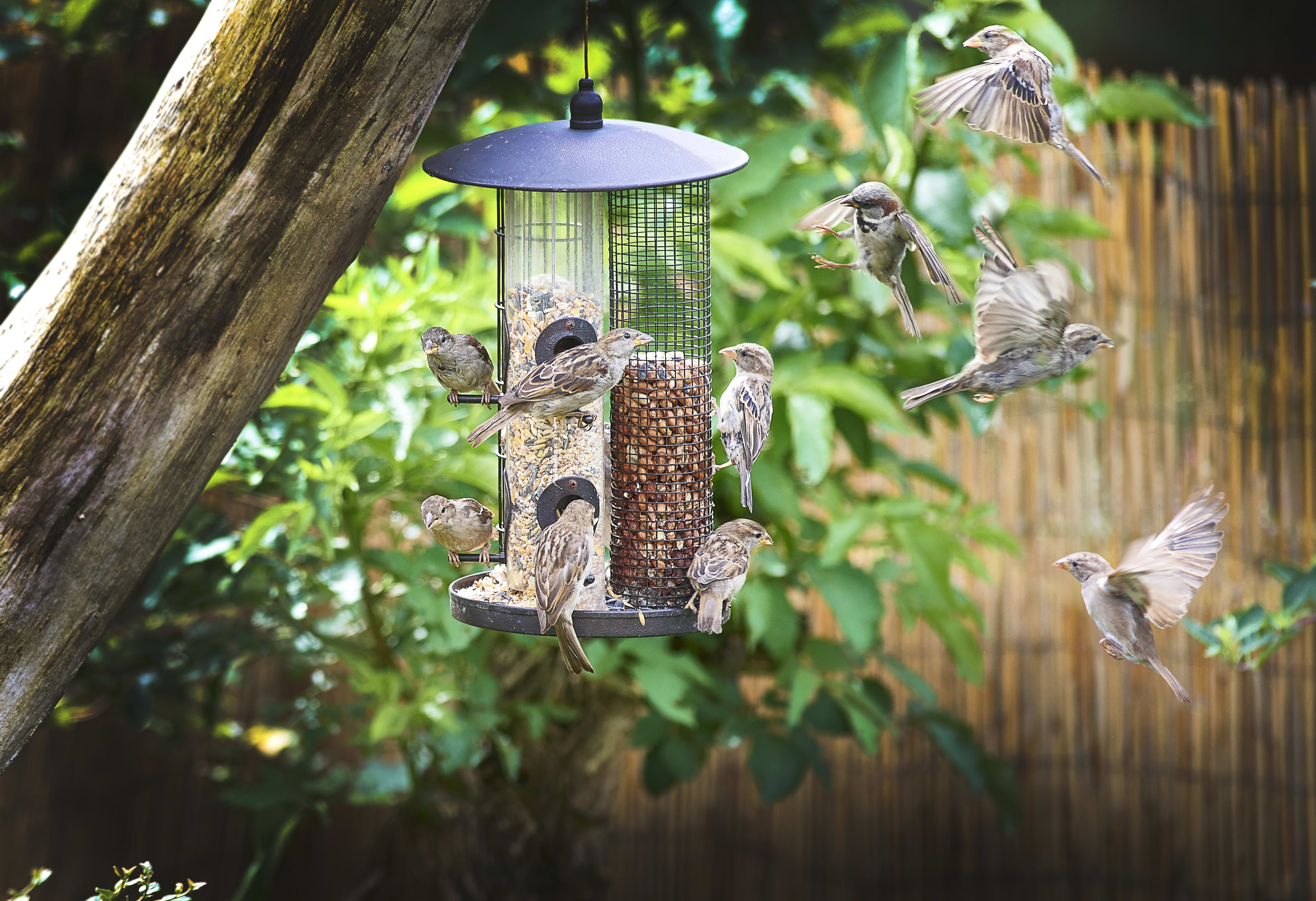
Pigeons prefer flat, spacious platforms where they can comfortably perch and eat. So, feeders designed with smaller perches or enclosed feeding ports can discourage them effectively. Tube feeders with tiny feeding holes or cage feeders that allow only small birds to enter can be great choices.
Have you noticed how pigeons avoid feeders with weight-sensitive perches? These feeders close access when a heavier bird lands, keeping pigeons out while letting small birds feed. Trying a hopper feeder with sloped surfaces can also help since pigeons struggle to balance on angled edges.
Material And Design Features
Look for feeders made from durable materials like metal or heavy-duty plastic that pigeons can’t easily damage or cling to. Smooth surfaces are less inviting since pigeons need a good grip to land and stay. Avoid feeders with large flat trays, as these become pigeon playgrounds.
Some feeders come with built-in spikes or baffles around perches that don’t harm birds but prevent pigeons from settling. Transparent plastic guards can also limit access while keeping the feeder visible and attractive to smaller birds. Have you ever tried a feeder with adjustable perches? These allow you to customize the size, making it harder for pigeons to use.
Placement Tips
Where you place your feeder plays a big role in pigeon control. Pigeons like open spaces where they can spot danger easily, so placing feeders near bushes or trees gives smaller birds quick escape routes. Position feeders away from ledges, rooftops, or flat surfaces where pigeons can rest and watch.
Try hanging feeders at least 5 feet off the ground and away from walls to reduce pigeon access. Adding a baffle above or below the feeder can prevent pigeons from landing nearby. Have you considered moving your feeder periodically? Changing the location can confuse pigeons and reduce their visits over time.
Credit: dengarden.com
Modifying Feeding Practices
Changing how you feed birds can make a big difference in keeping pigeons away from your bird feeder. By tweaking your feeding habits, you create an environment that attracts the birds you want and discourages the ones you don’t. These simple changes can save you time and frustration while helping your garden stay peaceful.
Adjusting Feeding Schedules
Try feeding birds at specific times of the day instead of leaving food out all day. Birds tend to visit feeders right after you put out fresh food. This reduces leftover seeds on the ground, which often attract pigeons.
Think about feeding early in the morning and then removing any leftover food by evening. This routine limits food availability for pigeons and encourages smaller, preferred birds to come regularly.
Using Selective Bird Food
Not all bird food is attractive to pigeons. Choose seeds like nyjer, safflower, or sunflower hearts, which many small songbirds love but pigeons tend to ignore.
Experiment with different types of food to see what works best in your area. Have you noticed certain birds favoring specific seeds? Use that to your advantage to keep pigeons at bay.
Cleaning And Maintenance
Keeping your feeder and the area around it clean is key to discouraging pigeons. Old seeds and spilled food can pile up quickly, creating a buffet for unwanted guests.
Make it a habit to clean your feeder every week and sweep the ground beneath it regularly. This simple action removes food sources that attract pigeons and promotes a healthier feeding spot for your favorite birds.
Physical Deterrents And Barriers
Physical deterrents and barriers offer effective ways to keep pigeons away from bird feeders. These tools create obstacles that pigeons avoid. They do not harm the birds but make feeding areas less inviting. Using these methods helps protect feeders and ensures smaller birds get their share of food.
Netting And Spikes
Netting acts as a physical shield around feeders. It blocks pigeons from reaching seeds and perching spots. Durable mesh fits tightly to prevent gaps. Spikes create uncomfortable landing areas on poles or ledges. These pointed barriers stop pigeons from settling nearby. Both netting and spikes provide long-lasting protection without chemicals.
Scare Devices And Reflectors
Scare devices use movement or light to frighten pigeons away. Reflectors spin or flash in sunlight, confusing birds. Items like shiny tape, CDs, or mirrors work well. Some devices mimic predator eyes to scare pigeons. Placing these around feeders reduces pigeon visits. They are safe and easy to install.
Using Bird Gel And Repellents
Bird gel creates sticky surfaces pigeons dislike. It makes landing uncomfortable but is safe and non-toxic. Repellents use scents or tastes that pigeons avoid. These products apply to feeder poles and nearby areas. Regular reapplication keeps pigeons from returning. Bird gels and repellents add another layer of defense without harm.
Natural Predator Attraction
Using natural predators to keep pigeons away from your bird feeder is a clever and eco-friendly approach. Instead of relying on harmful chemicals or loud noises, you can create an environment that attracts birds of prey. These predators help control pigeon populations by their mere presence, making your feeder less appealing to unwanted guests.
Attracting Hawks And Owls
To invite hawks and owls to your yard, you need to provide suitable habitats. Tall trees or sturdy poles can serve as perfect perches. You might also consider installing nesting boxes designed specifically for owls.
Adding water sources like birdbaths or small ponds can increase the chances of these predators visiting. They are drawn to areas where prey is abundant, so your bird feeder naturally becomes a hunting ground. Have you noticed how quiet your yard gets when a hawk is nearby?
Benefits And Considerations
Attracting natural predators offers a long-term solution that respects the ecosystem. It reduces the need for traps or deterrents that might harm other wildlife. Plus, watching a hawk or owl in action is fascinating and adds life to your garden.
However, be aware that this method requires patience and consistent effort. Not all neighborhoods or climates support these predators easily. Also, some people may feel uneasy about having birds of prey so close to home, so consider your comfort level before proceeding.
Legal And Ethical Considerations
Dealing with pigeons around your bird feeder requires more than just quick fixes. You need to respect legal boundaries and think about ethical treatment. Ignoring these can lead to unintended harm or even legal trouble.
Local Wildlife Regulations
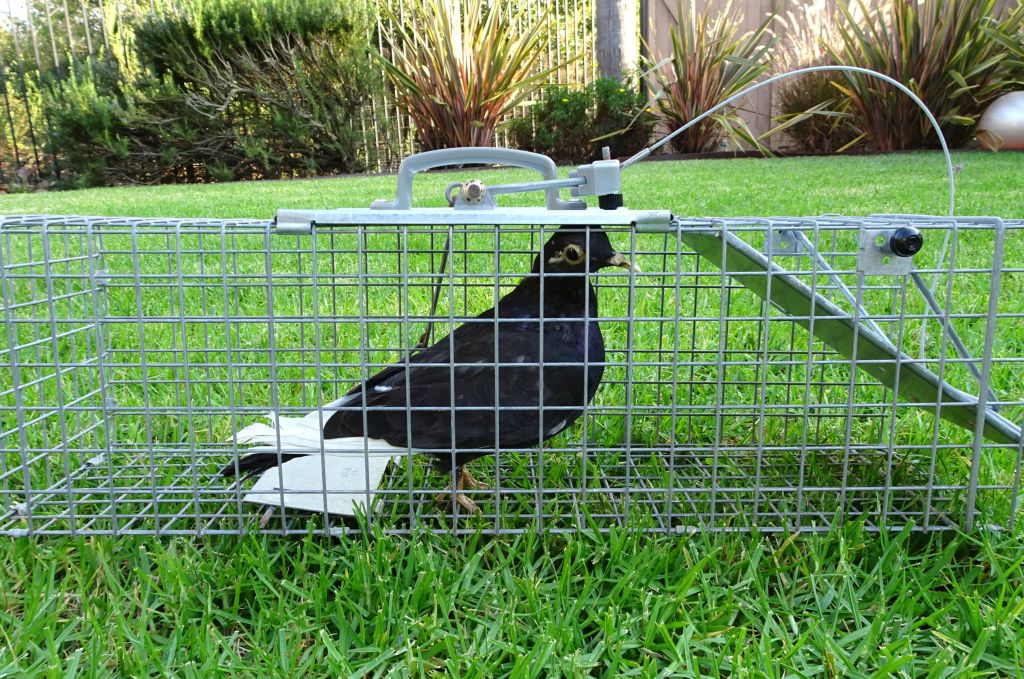
Many areas have rules about controlling bird populations, especially pigeons. Some cities protect certain bird species, while others have strict guidelines on removal methods. Before you take any action, check with your local wildlife or animal control office.
Ignoring these regulations can lead to fines or penalties. You might think a simple deterrent is harmless, but some devices or poisons are illegal. Have you looked up what’s allowed in your neighborhood yet?
Humane Treatment Methods
It’s important to keep your actions kind and safe for the birds. Lethal methods not only cause suffering but often backfire by attracting more pigeons. Gentle techniques like using pigeon spikes, reflective tape, or changing feeding habits work well without harm.
I once swapped out open seed with a feeder designed for smaller birds only. This simple change reduced pigeons without stress or injury. What small adjustment can you make to protect both your feeder and the birds?
Credit: allstaranimaltrapping.com
Frequently Asked Questions
How Can I Keep Pigeons Away From My Bird Feeder?
Use feeders designed for small birds only. Add baffles to block pigeon access. Place feeders away from ledges or flat surfaces where pigeons perch.
What Bird Feeder Types Discourage Pigeons Effectively?
Tube feeders with small perches and weight-sensitive feeders work well. Hopper feeders attract pigeons more, so avoid them if pigeons are a problem.
Are Natural Pigeon Repellents Safe For Bird Feeders?
Yes, natural repellents like chili powder or garlic sprays can deter pigeons. Use sparingly to avoid harming smaller birds.
Can Physical Barriers Stop Pigeons From Reaching Feeders?
Yes, installing wire mesh or netting around feeders prevents pigeons from landing. Regularly check and maintain barriers for effectiveness.
Conclusion
Keeping pigeons away from your bird feeder helps protect smaller birds. Use simple steps like changing feeder types or adding barriers. Regular cleaning and moving feeders can reduce pigeon visits. Patience and consistency will bring good results over time. Enjoy watching your favorite birds without pigeon trouble.
Small efforts make a big difference in your garden. Stay calm and keep trying different methods until it works. Your peaceful bird feeder space is within reach.