

Are you ready to bring more life and color to your backyard? Hanging a bird feeder is one of the simplest ways to invite beautiful birds right to your window.
But how you hang it can make all the difference. If you want to attract the most birds, keep them safe, and enjoy watching them without any hassle, you need to get it just right. You’ll discover easy tips and expert advice on how to hang your bird feeder perfectly.
Keep reading, and soon your outdoor space will be buzzing with feathered friends!
Credit: edis.ifas.ufl.edu
Choosing The Right Location
Choosing the right location to hang your bird feeder is crucial for attracting birds and keeping them safe. The spot you pick affects how often birds visit and how comfortable they feel. Consider factors like safety, visibility, and the presence of predators to make your feeder a favorite stop for local birds.
Consider Bird Safety
Pick a location where birds can quickly escape if threatened. Avoid placing feeders too close to windows to prevent birds from flying into glass. A distance of at least 3 feet away from windows or within 3 feet but very close to less than 18 inches can reduce collision risks.
Think about nearby plants or trees. Birds like to perch close by to watch for danger but not so close that predators can easily reach them. A good rule is to hang feeders 10 feet away from thick shrubs or dense branches.
Maximize Visibility
Make your feeder easy to spot by birds flying overhead. Open areas near tree lines or clearings work well because birds can see the feeder from a distance and land safely. If you placed it in dense foliage, birds might miss it or feel trapped.
Consider your own viewing pleasure too. Position the feeder where you can watch the bird activity from a window without disturbing them. This way, you enjoy your feathered visitors without scaring them away.
Avoid Predators
Predators like cats and squirrels can scare birds away or even harm them. To protect your feeder, avoid hanging it near places where these predators can easily hide or jump from, such as fences or low branches.
Using a baffle or placing the feeder on a pole away from trees and walls helps keep unwanted guests at bay. Have you ever noticed squirrels outsmarting your feeder? Positioning it strategically can save both your seed and the safety of your birds.
Credit: dengarden.com
Selecting The Best Feeder Type
Choosing the right bird feeder type is crucial to attract the kinds of birds you want and to keep your feeding area clean and safe. Different feeders suit different bird species and environments, so understanding the options helps you make the best choice. Think about the birds in your area and how you want to interact with them before deciding.
Tube Feeders
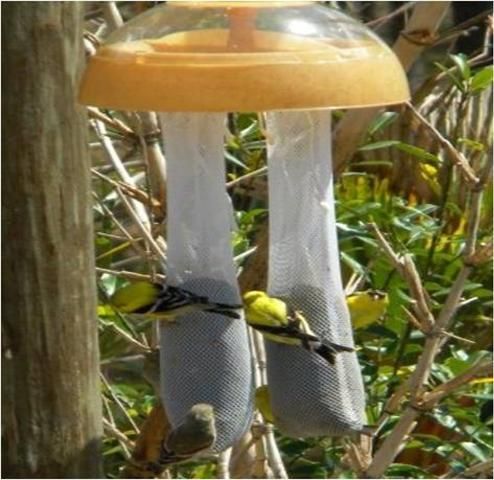
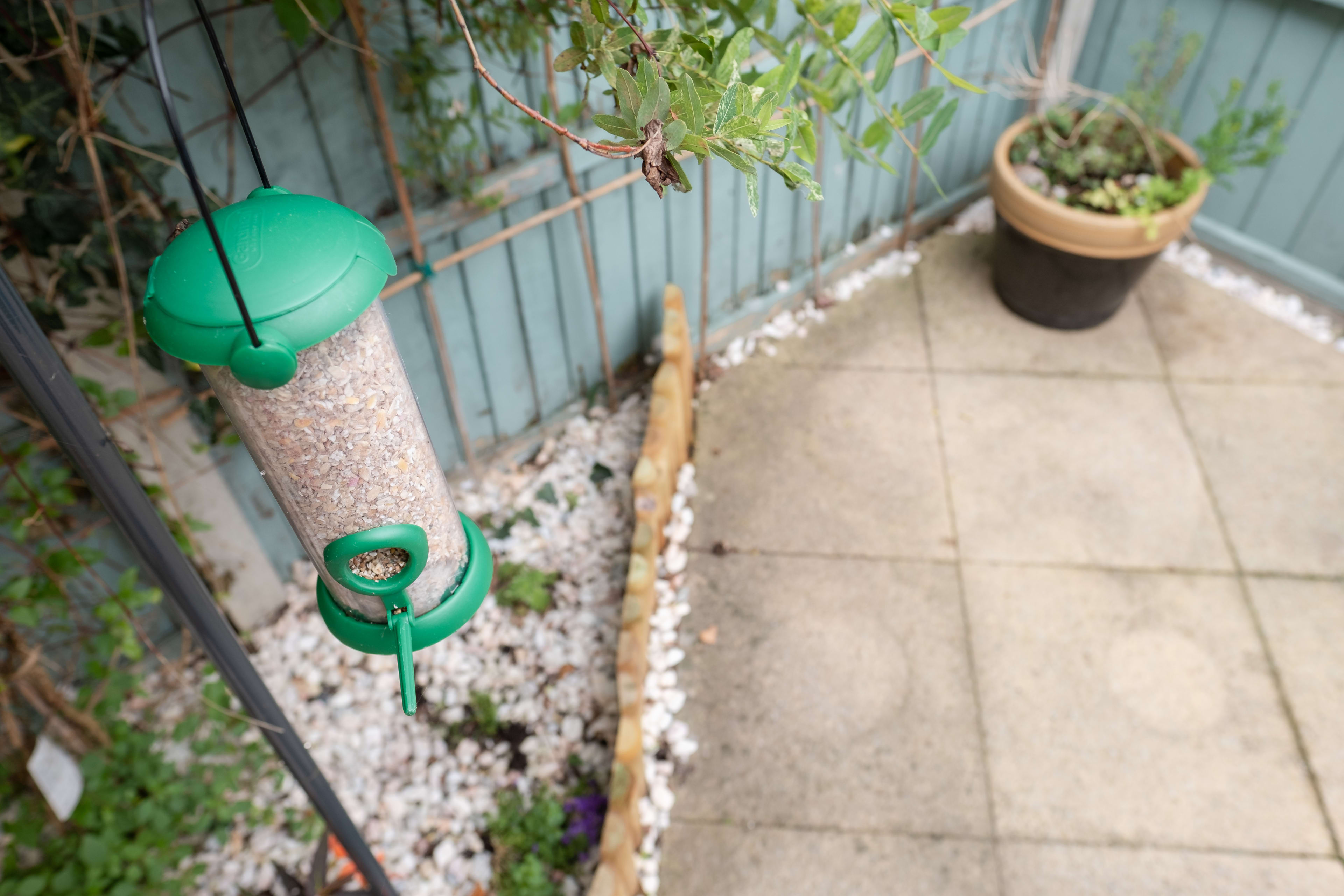
Tube feeders are long, cylindrical containers with multiple feeding ports. They work great for small birds like finches and chickadees who can cling to the perches. These feeders keep seeds relatively dry and are easy to refill, making them practical for everyday use.
Have you noticed that tube feeders often attract a steady stream of small birds? Their design limits bigger birds and squirrels, which can be a relief if you want to avoid messes and seed waste. Plus, they are usually easy to hang in tight spaces or near windows for close-up birdwatching.
Platform Feeders
Platform feeders offer an open, flat surface where you can spread seeds, nuts, or fruit. They attract a wide variety of birds, including larger species that prefer landing space. However, they tend to expose food to the elements and other animals like squirrels or raccoons.
If you want to see a diverse mix of birds, platform feeders give you that opportunity. But ask yourself—are you prepared for more maintenance and cleaning? I once placed a platform feeder in my backyard and quickly learned to keep it clean to avoid mold and unwanted visitors.
Hopper Feeders
Hopper feeders look like small houses and hold a large amount of seed in a central container that dispenses food as birds eat. This design protects seeds from rain and wind better than platform feeders. They attract medium to large birds and can be a centerpiece in your garden.
These feeders require a bit more effort to fill but reduce seed spillage. Have you ever seen a woodpecker or cardinal enjoying a hopper feeder? Their sturdiness and seed capacity make them ideal if you want a long-lasting feeder that handles heavy use.
Proper Hanging Techniques
Hanging a bird feeder correctly helps attract birds safely and keeps the feeder in good shape. Choosing the right tools and placement makes feeding time easier and more enjoyable. Proper hanging also protects birds from predators and harsh weather.
Use Sturdy Hooks And Hangers
Choose hooks or hangers made of strong materials like metal or heavy-duty plastic. They must hold the feeder’s weight, even when full. Avoid thin wires or weak strings that may break. Secure hooks tightly to support the feeder firmly.
Secure Against Wind And Weather
Place the feeder in a spot shielded from strong winds. Use extra ties or cables to prevent swinging or falling. Choose a location that gets some shade to protect food from heat and rain. This keeps seeds fresh and birds comfortable.
Maintain Easy Access For Cleaning
Hang the feeder where you can reach it without trouble. Clean the feeder often to stop mold and bacteria growth. Make sure it is easy to take down and put back up. Clean feeders keep birds healthy and coming back.
Attracting Different Bird Species
Drawing a variety of birds to your feeder is all about understanding their preferences. Different species have unique tastes and habits, so tailoring your setup can make a big difference. You might be surprised how small changes invite a broader range of feathered visitors.
Choose Appropriate Birdseed
Each bird species favors certain types of seeds. Black oil sunflower seeds attract finches, chickadees, and cardinals with their thin shells and high oil content. Nyjer seeds are perfect for small finches like goldfinches and siskins, while millet appeals to sparrows and doves.
If you want to attract woodpeckers or nuthatches, try suet or peanuts. Offering a mix of seeds can bring in a more diverse crowd. Have you noticed which seeds your local birds prefer? Adjust based on what you observe for best results.
Adjust Feeder Height
Birds feel safer feeding at different heights. Ground feeders like juncos and sparrows prefer low feeders or trays near the ground. Songbirds such as chickadees and titmice often visit feeders hung 5 to 6 feet high.
Try varying the height of your feeders to see which birds show up. Keep in mind that placing feeders too high or too exposed may deter some species. What heights have you found attract more birds in your area?
Incorporate Water Sources
Birds need water for drinking and bathing, which can increase their visits to your feeding station. Adding a birdbath nearby makes your yard more inviting and supports bird health. Moving water, like a small fountain, can catch attention better than still water.
Make sure the water is clean and fresh, and place it where birds can easily spot it but still feel safe. Have you tried adding water to your setup? It might just be the key to attracting those shy or rare species you want to see.
Maintaining Your Bird Feeder
Maintaining your bird feeder ensures it stays safe and inviting for birds. Cleanliness and proper care keep birds healthy and coming back. Regular upkeep also extends the feeder’s life and prevents common problems.
Regular Cleaning Tips
Clean the feeder every two weeks or more often in wet weather. Use warm water and mild soap to scrub all parts. Rinse thoroughly to remove soap residue. Dry completely before refilling to avoid clumping seeds.
- Disassemble feeder parts for better cleaning.
- Use a brush to reach small crevices.
- Wear gloves to keep hands safe.
Preventing Mold And Spoilage
Mold grows quickly in damp seed. Check the feeder daily for wet or moldy seeds. Remove spoiled seeds immediately. Keep seeds dry by using feeders with good ventilation. Avoid overfilling to reduce waste and spoilage.
- Store seeds in a cool, dry place.
- Use fresh seeds to attract more birds.
- Consider seed trays to catch spilled seed.
Seasonal Adjustments
Change your feeding routine with the seasons. In winter, offer high-energy seeds like sunflower or peanuts. In summer, reduce feeding to prevent attracting pests. Clean more often in warm months to stop mold. Protect the feeder from rain and snow by hanging it in sheltered spots.
- Use suet or fruit in colder months.
- Switch to lighter seeds in hot weather.
- Bring feeders indoors during storms.
Credit: dengarden.com
Frequently Asked Questions
How High Should You Hang A Bird Feeder?
Hang your bird feeder at a height of 5 to 6 feet. This height keeps it away from predators like cats and allows easy access for birds. Ensure it’s also easily accessible for cleaning and refilling.
What Is The Best Location For A Bird Feeder?
Choose a quiet, sheltered spot with some cover like trees or bushes nearby. This provides protection from predators and harsh weather. Ensure it’s visible from your home for easy viewing and enjoyment.
How Far Should Bird Feeders Be From Windows?
Place bird feeders at least 10 feet away from windows. This reduces the risk of birds flying into the glass. Alternatively, position them within 3 feet to minimize impact force if collisions occur.
Can Bird Feeders Be Hung In Direct Sunlight?
Avoid hanging bird feeders in direct sunlight to prevent seed spoilage. Instead, choose a partially shaded area. This helps keep seeds fresh and attracts more birds seeking a cooler spot.
Conclusion
Hanging a bird feeder is simple and rewarding. Choose a safe spot, away from predators and harsh weather. Use a sturdy hook or branch to hold the feeder steady. Keep it clean and refill regularly to attract birds. Watch different birds visit and enjoy their beauty.
Small steps make a big difference for bird lovers. Start today and bring nature closer to your home.