
Do you want to bring more life and color to your garden? Attracting birds to your birdhouse is easier than you think, and it can turn your outdoor space into a lively sanctuary.
Imagine watching cheerful birds visit daily, chirping and feeding right outside your window. In this guide, you’ll learn simple tips to make your birdhouse irresistible to feathered friends and how to feed them the right way. Keep reading, and you’ll discover how to create a welcoming haven that birds won’t want to leave.
Credit: www.kingsyard.com
Choosing The Right Birdhouse
Choosing the right birdhouse is key to attracting birds to your yard. A suitable birdhouse offers shelter, safety, and comfort for nesting birds. It should match the needs of local bird species. The right choice encourages birds to stay and raise their young.
Materials That Last
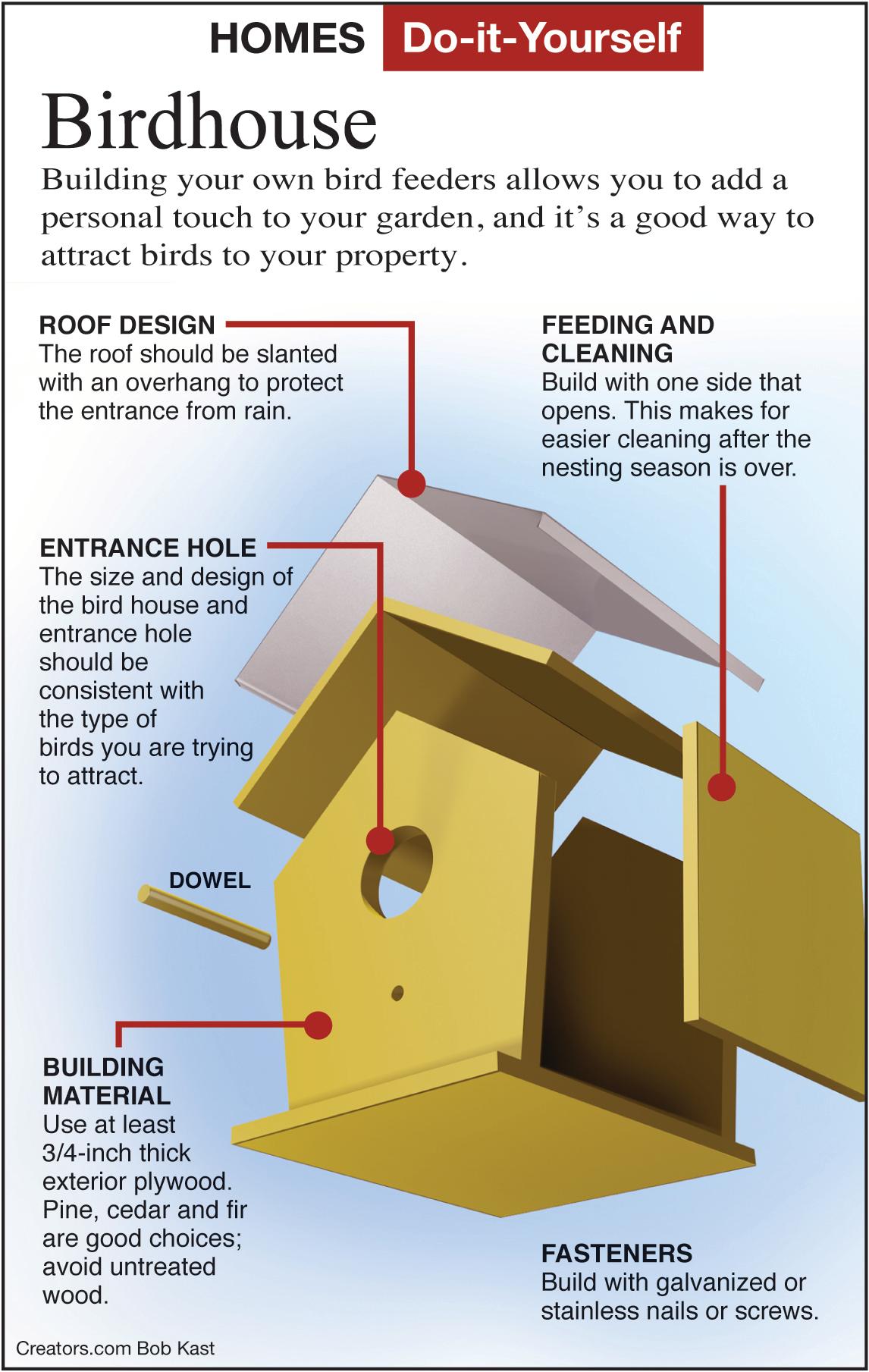
Wood is the best material for birdhouses. It breathes well and keeps the inside dry. Cedar and pine are strong and resist rot. Avoid metal and plastic because they get too hot or cold. Good materials protect birds from weather and predators.
Size And Design Matters
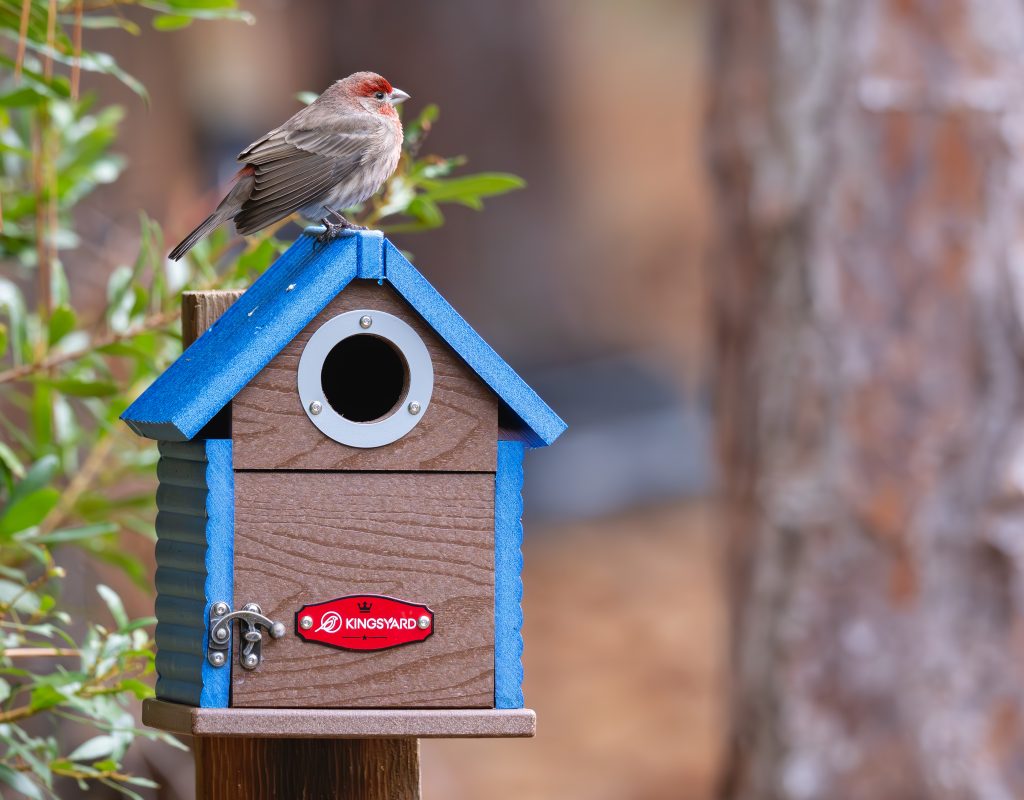
Pick a birdhouse size that fits the bird species. Small birds need smaller entrances to keep out larger birds. The entrance hole size controls which birds can enter. The inside should be roomy enough for nests but not too big. A simple design with a sloped roof helps rainwater run off.
Safe Placement Tips
- Place the birdhouse 5 to 10 feet above the ground.
- Mount it on a tree or pole away from predators.
- Avoid spots with strong wind or direct sunlight all day.
- Face the entrance away from prevailing winds.
- Keep the area around clear for easy bird flight.
Credit: www.theepochtimes.com
Selecting Bird Feeders
Selecting the right bird feeders is key to attracting a variety of birds to your birdhouse. The feeder you choose affects which birds visit and how often. Choosing wisely can turn your backyard into a lively bird sanctuary that you enjoy watching every day.
Types Of Feeders
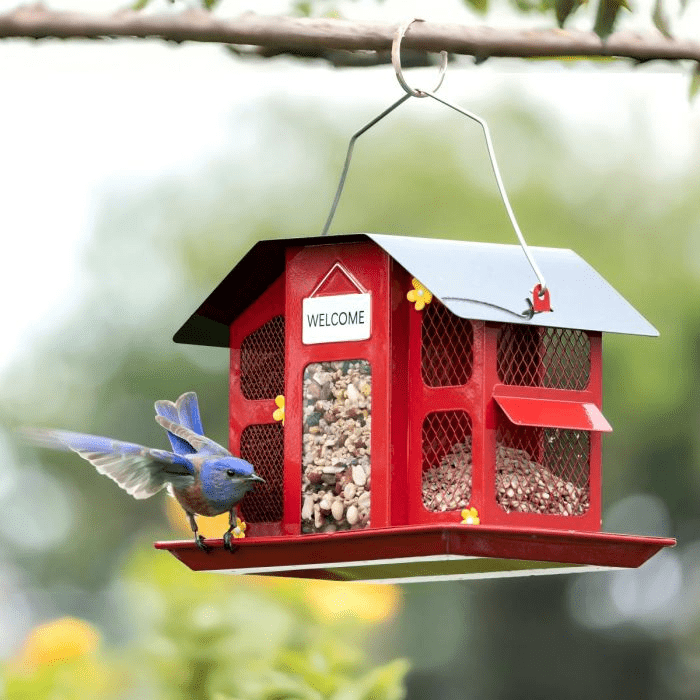
Different feeders suit different bird species and feeding habits. Tube feeders are great for small songbirds like finches and chickadees. Platform feeders offer space for larger birds such as cardinals and doves.
Hopper feeders combine a container with a platform, holding a good amount of seed while protecting it from rain. Suet feeders attract woodpeckers and nuthatches with high-energy fat treats. Think about the birds you want to attract and pick feeders that match their feeding style.
Best Seeds For Different Birds
Birds have favorite seeds that draw them in more than others. Black oil sunflower seeds are a top choice because they appeal to many species and have a thin shell that’s easy to crack. Nyjer (thistle) seed is perfect for finches, especially goldfinches.
Peanuts and safflower seeds attract jays, woodpeckers, and cardinals. Mixed seed blends can attract a variety but may waste seed on birds you don’t want. Have you noticed which seeds your local birds prefer? Adjusting what you offer can increase visits.
Avoiding Pest Problems
Bird feeders can sometimes attract unwanted pests like squirrels and rats. Using squirrel-proof feeders with weight-activated mechanisms can keep these visitors at bay. Placing feeders away from trees and fences reduces easy access for pests.
Clean your feeders regularly to prevent mold and disease, which can discourage birds. Spilling seed can also attract pests, so consider feeders with trays or seed catchers. How much time are you willing to spend on maintenance? That often determines how pest-free your feeder stays.
Creating A Bird-friendly Yard
Creating a bird-friendly yard invites more feathered visitors to your space. Birds need food, water, and shelter to feel safe and comfortable. Crafting an environment with these essentials encourages birds to stay and thrive. It also supports local wildlife and adds natural beauty to your garden.
Plants That Attract Birds
Choose native plants with berries, seeds, and nectar. These provide natural food sources for birds. Trees like oak and pine offer shelter and nesting spots. Shrubs such as elderberry and serviceberry attract many bird species. Flowers like coneflowers and sunflowers draw insects, a favorite bird snack.
Water Sources For Birds
Fresh water is essential for drinking and bathing. A shallow birdbath with clean water invites birds daily. Place water sources near plants to offer cover. Keep water fresh by changing it often. Small fountains or drippers add movement, attracting more birds.
Shelters And Hiding Spots
Birds seek safety from predators and harsh weather. Dense bushes and trees provide natural cover. Install birdhouses suitable for local species. Leave leaf piles or brush piles for ground dwellers. Avoid using pesticides to keep the area safe for birds and insects.
Maintaining Birdhouses And Feeders
Keeping your birdhouses and feeders in good shape is key to attracting healthy, happy birds. Neglect can lead to dirt buildup, damage, or even harm to the birds you want to welcome. Regular attention ensures your outdoor space remains a safe haven for feathered friends year-round.
Cleaning Routine
Dirty birdhouses and feeders can spread diseases among birds. Clean them at least once a month using a solution of one part bleach to nine parts water. Rinse thoroughly and let them dry completely before refilling or rehanging.
Pay close attention to corners and small crevices where mold and bacteria hide. Don’t forget to scrub perches and feeding trays. Have you noticed how much more birds visit after a fresh clean?
Repair And Replacement
Check your birdhouses and feeders regularly for cracks, loose parts, or rust. Fix minor damages promptly with wood glue or weatherproof paint to extend their life. Broken feeders should be replaced to avoid injury to birds or spillage of food.
Remember, a sturdy structure invites more birds to nest and feed safely. Have you ever seen a bird hesitate at a shaky feeder? Stability matters more than you might think.
Seasonal Care
Seasonal changes demand special care. In winter, add insulation or move feeders to sheltered spots to protect birds from harsh weather. During summer, ensure feeders and houses are shaded to prevent overheating.
Remove birdhouses and feeders during heavy storms or extreme weather to avoid damage. Planning your maintenance around the seasons keeps your bird-friendly space inviting no matter the weather. What changes have you made to your bird setup as the seasons shift?
Encouraging Nesting And Feeding
Encouraging nesting and feeding in your birdhouse creates a lively backyard. Birds need a safe space to build nests and easy access to food. Providing these helps attract different species and supports their natural habits. A few simple steps can make your birdhouse a favorite spot.
Timing And Patience
Birds choose nesting sites during early spring. Place your birdhouse before this season starts. Patience is key. Birds may take days or weeks to settle in. Avoid moving the birdhouse often. Let nature guide the process. Quiet surroundings help birds feel safe.
Avoiding Common Mistakes
- Do not place birdhouses too close to windows or busy areas.
- Keep the birdhouse clean but avoid disturbing nests.
- Use natural materials inside, no plastic or harmful items.
- Avoid feeding birds bread; offer seeds and nuts instead.
- Protect the birdhouse from predators like cats and squirrels.
Watching And Enjoying Birds
Observe quietly from a distance. Use binoculars for a closer look. Note the types of birds visiting your birdhouse. Keep a journal of your sightings. Enjoy bird songs and behaviors. Sharing this experience brings joy and connection to nature.
Credit: www.kingsyard.com
Frequently Asked Questions
How Do I Attract Birds To My Birdhouse?
Place the birdhouse in a quiet, shaded area near trees or shrubs. Use bird feeders with seeds to lure birds. Keep the area clean and provide fresh water to encourage visits.
What Types Of Food Should I Feed Wild Birds?
Offer a variety of seeds like sunflower, millet, and nyjer. Include fruits, suet, and mealworms for different bird species. Avoid processed or salty foods to keep birds healthy.
How Do I Maintain A Birdhouse For Safety?
Clean the birdhouse regularly to prevent disease and parasites. Ensure proper ventilation and drainage holes. Check for damage and repair promptly to protect nesting birds.
When Is The Best Time To Attract Birds To A Birdhouse?
Early spring is ideal for attracting nesting birds. Offer fresh food and water during migration seasons. Consistency helps birds trust your birdhouse throughout the year.
Conclusion
Attracting birds to your birdhouse brings joy and nature close. Choose the right food and keep the birdhouse clean. Place it in a quiet, safe spot outside. Watch birds visit, sing, and build nests. Small efforts create a lively, peaceful garden space.
Enjoy the beauty and calm that birds bring. Keep learning and caring for your feathered friends. Nature rewards patience and kindness. Your birdhouse can become a happy home.