
If you’ve ever found a baby bird fledgling and wondered how to help it survive, you’re not alone. Feeding a young bird can be tricky, but with the right steps, you can make a real difference.
Imagine the relief of knowing you’re giving that tiny creature the care it needs to grow strong and healthy. In this guide, you’ll discover simple, effective ways to feed a fledgling and ensure it thrives. Keep reading—you’ll learn exactly what to do, so your efforts count and your new little friend gets the best start possible.
Recognizing A Fledgling
Recognizing a fledgling is the first step in helping a baby bird. Fledglings are young birds that have left the nest but still need care. They look different from adult birds and show unique behaviors. Understanding these signs helps in deciding the right way to feed and protect them.
Physical Traits
- Fledglings have soft, fluffy feathers mixed with growing adult feathers.
- Their wings appear short and not fully developed.
- They often have a wide, yellow gape at the base of their beak.
- Their eyes look large compared to their head size.
- Legs might seem longer and more prominent.
- They look smaller and less sleek than adult birds.
Behavioral Signs
- Fledglings often hop or flutter on the ground or low branches.
- They call loudly to attract attention from adult birds.
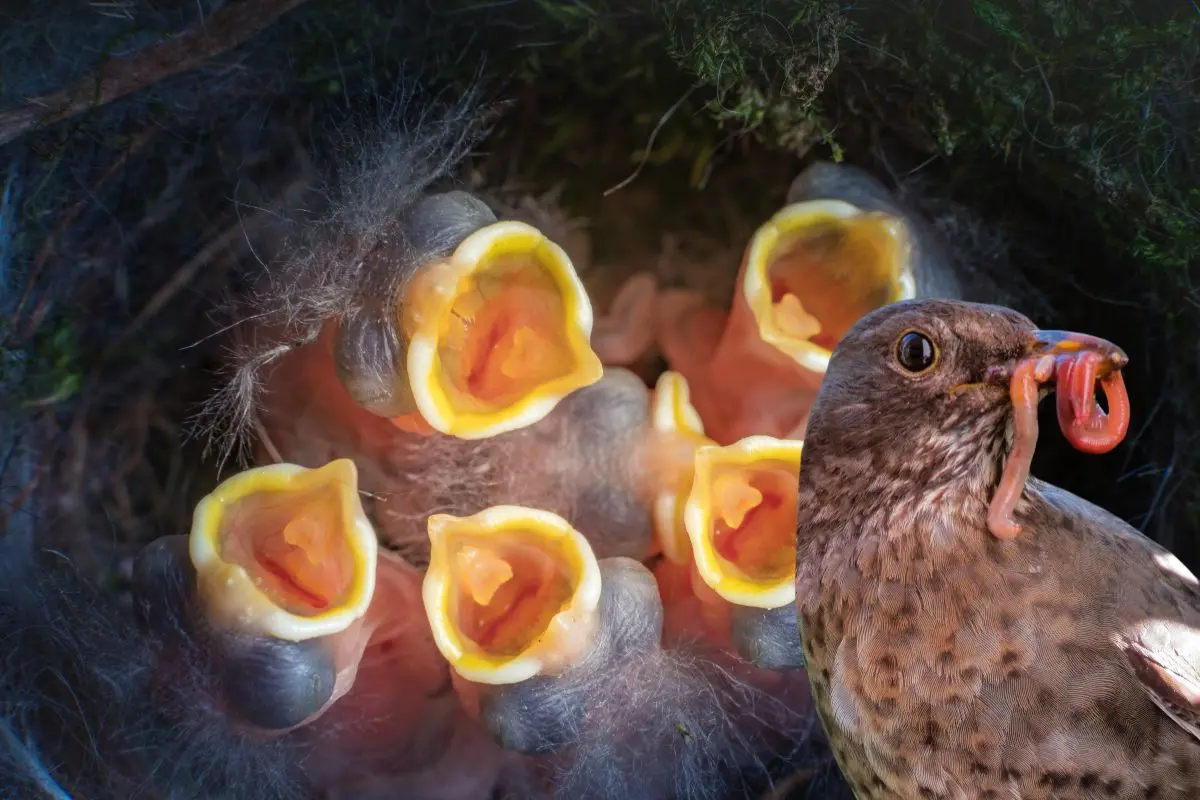
- They may beg for food by opening their beak wide.
- Movement can be clumsy and uncoordinated.
- They stay in one area and do not fly far.
- Sometimes they appear curious but still cautious of danger.
Credit: www.kwikpets.com
Safe Handling Practices
Handling a baby bird fledgling requires extra care to keep the little creature safe and comfortable. Your approach can make a big difference in the bird’s recovery and growth. Knowing how to minimize stress and hold the bird properly will help you support its health without causing harm.
Minimizing Stress
Stress can weaken a fledgling’s immune system quickly. Keep noise low and movements slow around the bird to create a calm environment. Avoid bright lights or sudden changes in temperature, as these can startle the bird.
Have you noticed how animals react to your mood? Staying calm yourself can help the bird feel more secure. Limit handling time to brief sessions—too much can overwhelm the fledgling and delay its healing.
Proper Holding Techniques
Hold the fledgling gently but firmly to prevent injury. Support its body with your palm, allowing the bird to rest comfortably without squeezing. Your fingers should cradle the bird’s chest and back, giving it a natural posture.
Use soft cloth or gloves if you are worried about your scent or the bird’s tiny claws. Avoid grabbing wings or legs—they are fragile and easy to hurt. If you’re feeding, make sure the bird’s head is slightly elevated to prevent choking.
Choosing The Right Food
Choosing the right food is essential for feeding a baby bird fledgling. Their growth depends on nutrients found in suitable food. Birds need a balanced diet to stay healthy and develop strong feathers. Feeding the wrong food can cause harm or slow their growth. Understanding natural diet options and commercial bird foods helps provide proper care.
Natural Diet Options
Natural foods closely mimic what baby birds eat in the wild. These include:
- Insects like mealworms, crickets, and small caterpillars
- Soft fruits such as mashed berries, apples, and bananas
- Boiled eggs finely chopped for protein
- Small amounts of cooked rice or oatmeal for energy
Natural foods are easy to digest and rich in nutrients. Always offer fresh and clean food. Avoid feeding wild-caught insects as they may carry parasites. Prepare food in small, soft pieces for easy swallowing.
Commercial Bird Foods
Commercial bird foods provide a convenient and balanced option. These include:
- Specially formulated hand-feeding formulas for baby birds
- Soft pellets made for young birds
- Powdered mixes to create a smooth, paste-like texture
Follow package instructions carefully for proper preparation. Use clean water to mix formulas. Store unused food in a cool, dry place. Commercial foods ensure baby birds get vitamins and minerals needed for growth.
Feeding Frequency And Amount
Feeding a baby bird fledgling requires careful attention to how often and how much you feed them. The right feeding frequency and amount ensure the bird grows healthy and gains strength for its first flights. Too much or too little food can cause problems, so understanding their needs is key.
Daily Feeding Schedule
Fledglings need frequent feedings because they have high energy demands. Typically, you should feed them every 20 to 30 minutes during daylight hours. This can mean 10 to 12 feedings a day, depending on how active the bird is.
As the bird grows, the interval between feedings can stretch to 45 minutes or an hour. Pay close attention to the bird’s behavior—if it seems restless or vocal, it may be hungry. Have you noticed how some fledglings will open their mouths eagerly? That’s their signal.
Portion Sizes
Each feeding should provide enough food to fill the bird’s crop but not overfill it. A general guideline is about 5-10% of the fledgling’s body weight per feeding. For instance, if the bird weighs 20 grams, offer around 1 to 2 grams of food each time.
Start with small amounts and watch how quickly the bird eats. If it finishes in seconds and still looks hungry, you can increase the portion slightly. Remember, overfeeding can lead to crop issues, so it’s better to be cautious and adjust based on the bird’s reactions.
Feeding Techniques
Feeding a baby bird fledgling requires gentle care and the right techniques. Proper feeding helps the young bird grow strong and healthy. Use careful methods to avoid harm and ensure the bird gets enough food.
Using Feeding Tools
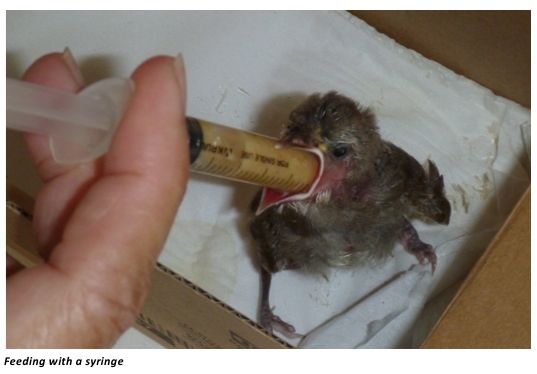
Choose small, soft tools made for feeding birds. A syringe or a small spoon works well. Avoid sharp or large tools that can hurt the bird’s mouth. Warm the food before feeding, but not too hot.
Hold the feeding tool gently near the bird’s beak. Let the bird open its mouth on its own. Slowly offer the food drop by drop. Watch the bird swallow before giving more. Clean the tools after each feeding to keep germs away.
Hand-feeding Tips
- Wash your hands well before feeding the bird.
- Keep the bird warm and calm during feeding time.
- Feed small amounts often, about every 15 to 20 minutes.
- Support the bird’s body with your hand to keep it steady.
- Be patient and gentle; sudden moves can scare the bird.
- Never force the food into the bird’s throat.
Observe the bird’s signals to know when it is full. Stop feeding if the bird turns away or closes its mouth. Proper hand-feeding helps the fledgling learn to eat safely and grow well.
Monitoring Health And Growth
Monitoring the health and growth of a baby bird fledgling is crucial for its survival and development. You need to keep a close eye on their behavior and physical condition every day. Small changes can signal how well your feeding and care routines are working.
Signs Of Good Health
Healthy fledglings are usually active and responsive. They will open their mouths eagerly when it’s feeding time and make soft chirping sounds.
- Bright, clear eyes:Dull or sunken eyes can indicate illness.
- Steady weight gain:You can weigh the bird daily using a small scale to track growth.
- Clean feathers:The feathers should look smooth and well-kept, not ruffled or dirty.
- Regular swallowing:Watch for swallowing after feeding; it shows the bird is digesting well.
When I cared for a fledgling, I noticed it stopped opening its mouth eagerly one day. That was my first clue something was wrong. Catching these signs early can make a huge difference.
When To Seek Help
If you see any signs of weakness or distress, don’t wait. A baby bird that is lethargic, not eating, or has labored breathing needs immediate attention.
- Refusal to eat or weak swallowing
- Fluffed up or patchy feathers
- Visible injuries or bleeding
- Unusual droppings—too watery, discolored, or excessive
Ask yourself: is the bird acting like a healthy fledgling or does it seem off? If you’re unsure, contacting a wildlife rehabilitator or vet is the best choice. They can provide expert care that goes beyond basic feeding.
Preparing For Release
Preparing a baby bird fledgling for release is a delicate process that requires patience and careful observation. This phase is about helping your young bird gain confidence and skills needed to survive on its own. You want to strike a balance between providing support and encouraging self-reliance.
Encouraging Independence
Start reducing hand-feeding gradually. Offer food in a way that encourages the fledgling to peck and feed itself. This could mean placing small pieces of food near the bird rather than directly in its mouth.
Introduce natural food items similar to what the bird will find outdoors. This helps develop its foraging skills. Watching your bird try and succeed at feeding itself is incredibly rewarding and a clear sign of progress.
Let the fledgling spend more time out of the nest or enclosure. Supervised outdoor exposure helps build strength and familiarizes the bird with its future environment. You’ll notice the bird practicing wing flaps and hopping, which are all part of growing independence.
Timing The Release
Choosing the right moment to release your fledgling can be tricky. Look for signs like strong wing muscles, consistent self-feeding, and alertness to surroundings. These are key indicators that the bird is ready.
Weather conditions matter too. A calm, mild day with no heavy rain or strong winds gives your fledgling the best chance to get accustomed to the wild. Releasing during harsh weather can put unnecessary stress on the bird.
Have you considered the presence of natural predators in the release area? Picking a safe and familiar spot can significantly improve survival odds. Your goal is to make the transition as smooth as possible, giving the bird a real shot at thriving.

Credit: www.reddit.com
Credit: wildbloo.com
Frequently Asked Questions
How Often Should I Feed A Baby Bird Fledgling?
Feed a baby bird fledgling every 20 to 30 minutes during daylight. Frequent feedings are crucial for their growth and survival. Avoid overfeeding to prevent health issues. Monitor the bird’s hunger cues to adjust feeding frequency naturally.
What Food Is Best For Feeding A Baby Bird Fledgling?
Offer soft, protein-rich foods like soaked dog kibble, mealworms, or mashed fruits. Avoid milk and bread as they harm birds. A balanced diet supports healthy development and energy. Always provide fresh, clean water alongside the food.
How Do I Safely Feed A Baby Bird Fledgling?
Use tweezers or a syringe to gently place food near the bird’s beak. Avoid forcing food to prevent choking. Feed small amounts slowly. Keep the bird warm and calm during feeding to reduce stress and ensure successful feeding.
Can I Feed A Baby Bird Fledgling With Human Food?
Some human foods like cooked eggs and plain rice are safe, but avoid seasoning and dairy. Never feed processed or sugary foods. Always prioritize natural, bird-appropriate diets to support health and growth effectively.
Conclusion
Feeding a baby bird fledgling takes patience and care. Use soft, small food pieces that the bird can swallow easily. Feed often but avoid overfeeding to keep the bird healthy. Watch the bird’s behavior to know when it feels full.
Always keep the feeding area clean to prevent sickness. Helping a fledgling grow strong is rewarding. With time, the bird will learn to eat on its own. Your gentle support makes a big difference in its life. Keep learning and stay patient throughout the process.