

Have you ever wanted to watch a bird enjoy a fresh worm right from your hand? Feeding a bird a worm might sound tricky, but with the right tips, you can make it a simple and rewarding experience.
Imagine the close connection you’ll build as the bird trusts you enough to eat directly from your palm. In this guide, you’ll learn exactly how to do it safely and easily, so you can enjoy this unique moment with nature.
Ready to discover the secrets to feeding a bird a worm? Keep reading—you’re about to unlock a special way to connect with wildlife.

Credit: www.shutterstock.com
Choosing The Right Worms
Choosing the right worms is crucial when feeding birds, as not all worms are safe or nutritious for them. The type of worm you select affects the bird’s health and willingness to eat. Understanding which worms are suitable and where to find them helps you provide the best care for your feathered friends.
Types Of Worms Suitable For Birds
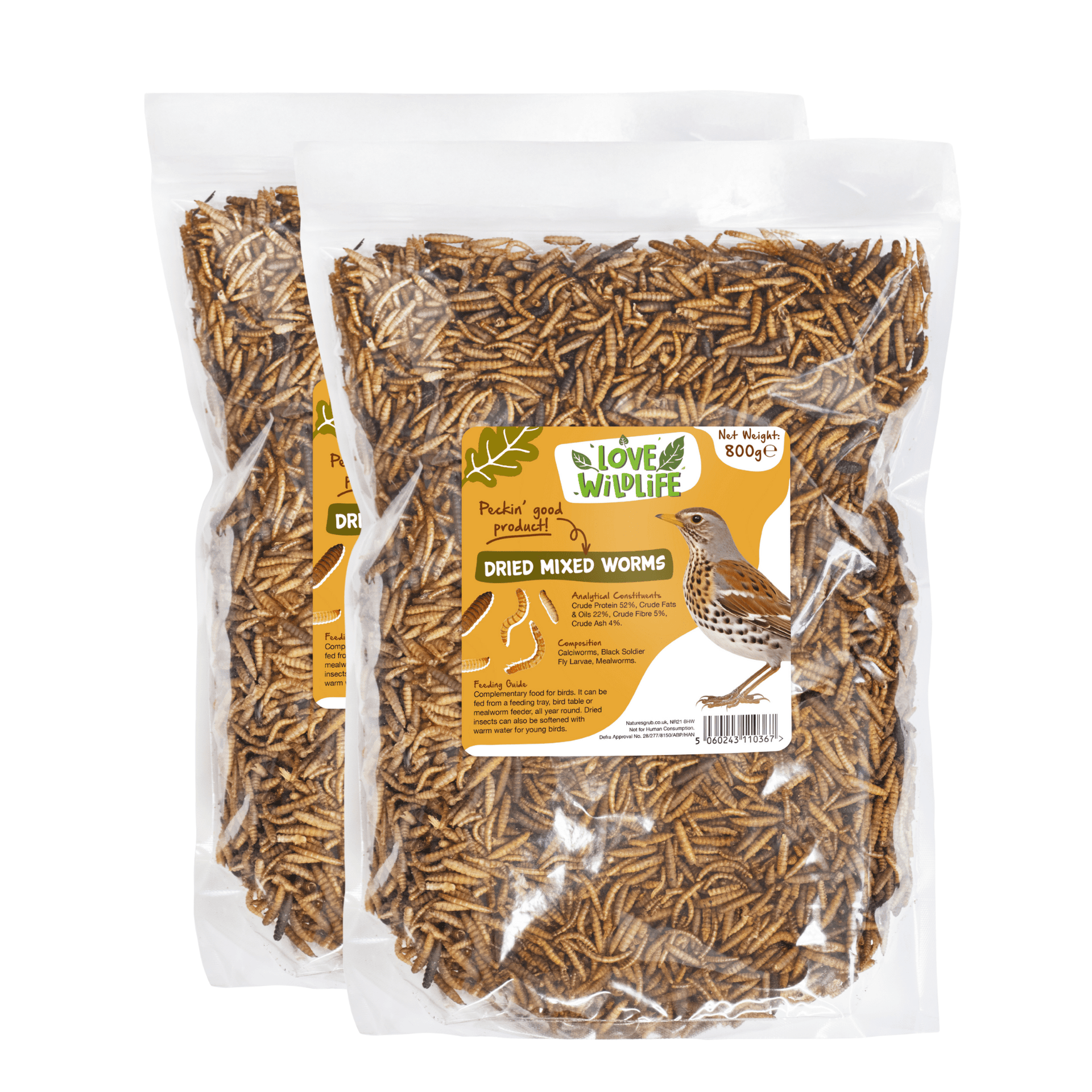
Mealworms and earthworms are among the best choices for feeding birds. Mealworms are high in protein and widely accepted by many bird species. Earthworms, often found in moist soil, offer a natural and nutritious option.
Avoid worms that might carry parasites or toxins, such as nightcrawlers from unknown sources. If you want to keep it simple, stick to mealworms from reputable suppliers or earthworms collected from pesticide-free areas. This ensures your birds get safe, healthy food.
Where To Source Healthy Worms
Finding healthy worms can be easier than you think. Local garden centers or pet stores often sell mealworms in clean containers. These are usually raised specifically for feeding pets and birds, ensuring they are safe and nutritious.
If you prefer earthworms, look for them in your backyard or nearby gardens, but only from areas free of chemicals. You can also order worms online from trusted breeders who provide guaranteed parasite-free stock. Always check that the worms come from natural, pesticide-free environments to protect your birds.

Credit: www.youtube.com
Preparing Worms For Feeding
Preparing worms for feeding birds is an important step that ensures the health and safety of both you and the bird. Proper preparation helps prevent the spread of bacteria and makes the feeding process easier and more enjoyable. Taking a few moments to clean and size the worms can make a big difference in how well the bird accepts its meal.
Cleaning And Handling Worms Safely
Before feeding worms to birds, always clean them thoroughly. Rinse the worms in cool, clean water to remove any dirt or debris. Handling worms with clean hands or gloves helps avoid transferring germs to the bird.
It’s a good idea to keep worms in a separate container away from other pet foods. This reduces the risk of cross-contamination. Have you ever noticed how quickly birds react to fresh, clean food? Clean worms encourage birds to eat more eagerly.
Cutting Worms To Appropriate Sizes
Not all birds can handle whole worms, especially smaller species. Cut the worms into bite-sized pieces that fit comfortably in the bird’s beak. This makes feeding easier and prevents choking hazards.
Use sharp scissors or a small knife for a clean cut. If you’re feeding very small birds like finches or wrens, consider cutting worms into tiny segments. Have you tried adjusting the size of the worm based on the bird’s size? It can improve feeding success significantly.
Feeding Techniques
Feeding a bird a worm requires gentle and patient techniques. Birds can be shy or nervous around humans. Choosing the right feeding method helps build trust and makes feeding easier. There are ways to feed birds directly by hand or using tools. Each approach suits different types of birds and environments.
Hand-feeding Methods
Hand-feeding helps create a close bond between you and the bird. Hold the worm gently but firmly between your fingers. Offer the worm slowly near the bird’s beak. Stay calm and move your hand steadily to avoid scaring the bird.
Use soft, small movements to encourage the bird to take the worm. Speak softly or remain silent to keep the bird comfortable. Repeat the process until the bird trusts your hand. Avoid sudden jerks or fast movements during feeding.
Using Feeding Tools And Trays
Feeding tools and trays work well for feeding multiple birds or for shy species. Small tweezers or forceps can hold the worm safely. Present the worm using the tool close to the bird’s mouth.
Bird feeding trays provide a clean and stable place for worms. Use shallow trays to prevent worms from hiding. Place the trays in quiet areas where birds feel safe. Check trays regularly to keep the worms fresh and clean.
This method reduces direct contact and lowers stress for some birds. Tools and trays make feeding easier in group settings or outdoors. They also help keep your hands clean during feeding time.
Timing And Frequency
Timing and frequency play a crucial role in successfully feeding a bird a worm. Feeding at the right time ensures the bird is receptive and active, while the right frequency helps maintain their interest without overfeeding. Paying attention to these details can improve your experience and the bird’s health.
Best Times To Feed Worms
Birds are most active during the early morning and late afternoon. Offering worms during these periods increases the chance that the bird will accept the food quickly.
Try feeding worms right after sunrise when birds start their daily search for food. Another good time is an hour or two before sunset, when they prepare for the night.
Have you noticed how birds seem more alert and eager around these times? Matching their natural feeding rhythm can make your efforts more successful.
How Often To Offer Worms
Offering worms too often can lead to birds relying solely on you, which might reduce their natural foraging skills. On the other hand, feeding too rarely might make the birds ignore you.
Start with feeding worms once or twice a day, then observe how the bird responds. If it eagerly accepts the food, keep this frequency consistent.
Adjust based on the bird’s behavior. Are they coming back for more, or losing interest? This feedback helps you find the perfect balance.
Encouraging Birds To Eat Worms
Encouraging birds to eat worms takes patience and care. Birds may hesitate to try new foods. Creating the right setting helps them feel safe and curious. Gentle training builds trust and interest in worms as food. Understanding bird behavior improves success in feeding them worms.
Creating A Comfortable Feeding Environment
Choose a quiet spot for feeding. Noise can scare birds away. Place the worms in a shallow dish or tray. Keep the area clean and free of predators. Provide natural cover like bushes or trees nearby. This offers birds a sense of safety. Avoid sudden movements during feeding time. Consistency in feeding times helps birds get used to the routine.
Training Birds To Accept Worms
Start by offering small pieces of worms. Mix worms with familiar foods to ease acceptance. Use calm and slow movements to avoid frightening birds. Offer worms during times when birds are hungry. Praise or softly talk to birds to build comfort. Repeat feeding sessions regularly to build habit. Observe birds’ reactions and adjust your approach accordingly.
Safety Tips
Feeding a bird a worm can be a rewarding experience, but it’s important to keep safety in mind to protect both you and the bird. Birds have delicate systems, and their health can be easily affected by what and how much they eat. Taking simple safety steps ensures that feeding time is enjoyable and safe.
Avoiding Overfeeding
Overfeeding birds can lead to digestive problems and obesity. Start with small portions of worms and observe how much the bird eats in one sitting.
Offer food only when the bird shows interest. If it ignores the worm, don’t force it to eat more. You want to mimic the bird’s natural eating habits rather than feeding it out of routine.
Keep feeding sessions short and spaced out. Birds in the wild don’t eat constantly, so giving them breaks between feedings helps maintain their natural rhythm.
Monitoring Bird Health After Feeding
After feeding, watch the bird closely for any signs of distress or illness. Look for changes in behavior, such as lethargy or unusual quietness, which could indicate a problem.
Check if the bird is eating and drinking normally after the feeding. A sudden drop in appetite or refusal to drink water may mean the worm didn’t agree with its system.
If you notice anything unusual, contact a wildlife expert or veterinarian experienced with birds. Early action can prevent serious health issues.
Credit: thebirdfoodwarehouse.co.uk
Frequently Asked Questions
How Do I Safely Feed A Bird A Worm?
Use live or thawed worms; avoid pesticides or chemicals. Offer worms on your palm or a small dish. Ensure the bird is comfortable and not stressed during feeding.
What Type Of Worm Is Best For Feeding Birds?
Mealworms are ideal as they are nutritious and easily digestible. Avoid wild worms that may carry parasites or harmful substances.
Can Feeding Birds Worms Improve Their Health?
Yes, worms provide essential proteins and nutrients that support bird growth, energy, and feather development. Regular feeding can boost their overall health.
How Often Should I Feed Worms To Wild Birds?
Feed worms occasionally to supplement their natural diet. Overfeeding can disrupt their natural foraging habits and diet balance.
Conclusion
Feeding a bird a worm can be simple and fun. Use gentle hands and stay patient. Birds trust those who move slowly and speak softly. Choose fresh worms and offer them carefully. Watch the bird’s reaction and learn from it.
Practice often to build a good bond. Enjoy the small moments of connection. Nature teaches us patience and care. Try feeding birds often to see them thrive. It’s a quiet way to enjoy wildlife up close.