
If you love watching birds visit your garden, feeding them thistle is one of the best ways to attract beautiful, colorful species like goldfinches. But do you know the right way to offer thistle seeds so your feathered friends can easily enjoy them?
Getting this right can make a huge difference in how often birds come by and how happy they stay. You’ll discover simple tips and tricks to feed birds thistle effectively, helping you create a lively, cheerful space full of nature’s beauty.
Keep reading to learn how to make your garden a favorite spot for birds!
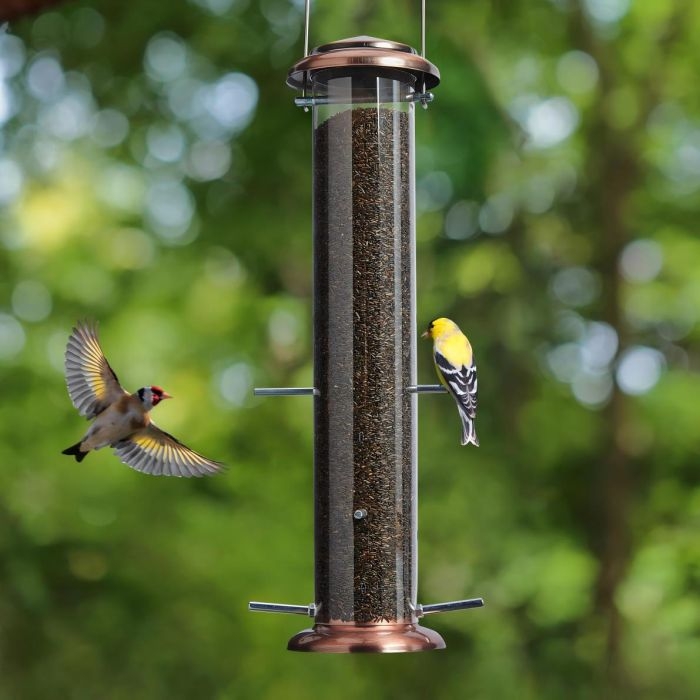
Credit: www.kingsyard.com
Benefits Of Feeding Thistle
Feeding birds thistle brings many benefits to your backyard and local wildlife. Thistle seeds offer essential nutrients and attract a wide range of bird species. These seeds also help support a healthy garden ecosystem. Providing thistle can create a natural, vibrant environment for birds and plants alike.
Nutritional Value For Birds
Thistle seeds are rich in fats and oils. These nutrients give birds energy, especially during cold months. The seeds also contain protein and fiber, which support bird health. Many finches and small birds prefer thistle seeds for their diet. Feeding thistle helps birds stay strong and active.
Attracting Diverse Bird Species
Thistle attracts many types of birds. Goldfinches, siskins, and redpolls love these seeds. Offering thistle can bring more bird species to your yard. This variety makes birdwatching more enjoyable. A diverse bird population also helps balance the local environment.
Supporting Garden Ecosystem
Thistle plants support more than birds. They provide nectar for pollinators like bees and butterflies. Birds feeding on thistle can help spread seeds of other plants. This natural cycle promotes plant growth and biodiversity. Feeding thistle helps keep your garden lively and healthy.
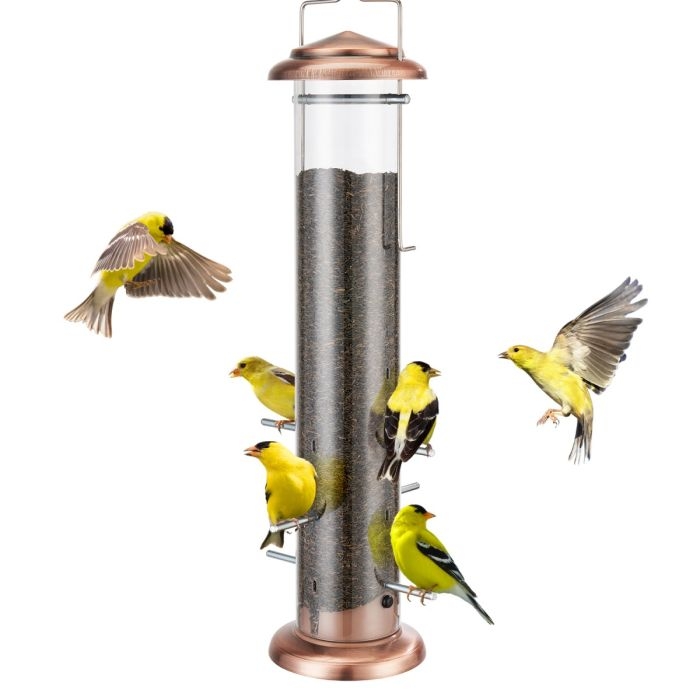
Credit: www.kingsyard.com
Choosing The Right Thistle Seed
Choosing the right thistle seed is key to attracting healthy, happy birds to your feeder. Not all thistle seeds are the same. Picking the best type supports local birds and keeps them coming back. Pay attention to seed quality and avoid harmful additives. This helps protect bird health and ensures a clean feeding experience.
Types Of Thistle Seeds
Nyjer seed is the most popular thistle seed for bird feeders. It is small, black, and rich in oil. Many finches love it. Other thistle seeds come from native plants but may be harder to find. Choose seeds labeled as “Nyjer” or “thistle seed” for best results. These seeds attract goldfinches, siskins, and redpolls.
Quality And Freshness Tips
Fresh seeds have a strong, nutty smell. They look clean, dry, and free of dust. Avoid seeds that are clumped or smell musty. Store seeds in a cool, dry place in a sealed container. Buying from trusted brands ensures better freshness. Using fresh seeds helps birds get proper nutrition and prevents mold growth.
Avoiding Harmful Additives
Some seeds contain fillers like wheat, millet, or oats. Birds may not like these or they can cause health issues. Avoid seeds with added colors or preservatives. Check the ingredients list carefully. Pure thistle seed without additives is safest. It keeps birds healthy and feeders clean.
Best Feeders For Thistle
Choosing the right feeder is key to feeding birds thistle effectively. Thistle seeds are tiny and lightweight, so not all feeders work well for them. The best feeders keep the seeds clean and prevent waste. They also attract finches and other small birds that love thistle.
Specialized Thistle Feeders
Specialized feeders designed for thistle have fine mesh or small holes. These features hold the tiny seeds securely. Birds perch easily on these feeders to eat. The mesh allows air to flow, keeping seeds dry and fresh.
- Tube feeders with mesh sides
- Sock-style feeders made from nylon mesh
- Hopper feeders with seed trays and small openings
These feeders reduce seed spillage and attract more finches. They also make it easy for birds to access the thistle.
Diy Feeder Ideas
DIY feeders can be simple and affordable. Use household items to create feeders that hold thistle seeds well. For example, old pantyhose or mesh produce bags work perfectly.
- Fill pantyhose with thistle seeds and tie the ends
- Hang mesh bags from tree branches or hooks
- Use small plastic containers with holes punched for seed access
DIY feeders let you customize size and style. They also help recycle materials and save money.
Placement Tips For Feeders
Place feeders where birds feel safe and comfortable. Choose quiet spots away from busy areas. Trees or shrubs nearby offer shelter and perches.
- Mount feeders 5 to 6 feet above ground
- Keep feeders visible but protected from strong winds
- Avoid areas with heavy foot traffic or predators
Clean feeders regularly to keep birds healthy. Proper placement helps attract more visitors and ensures they return often.
Feeding Tips For Happy Birds
Feeding birds thistle is a wonderful way to attract colorful and lively visitors to your garden. Proper feeding helps birds stay healthy and energetic. It also encourages them to return often. Below are some simple tips to keep your feathered friends happy and well-fed.
How Much And How Often To Feed
Offer a moderate amount of thistle seed daily. Birds eat small amounts throughout the day. Fill feeders enough to avoid waste but keep them regularly stocked. Too much food can spoil and attract pests. Observe bird activity to adjust the amount you provide.
Maintaining Clean Feeding Areas
Clean feeders and surrounding areas often. Remove old seeds and husks daily. Wet or moldy seeds can harm birds. Use mild soap and water to wash feeders weekly. Dry thoroughly before refilling. Clean spaces prevent diseases and keep birds safe.
Seasonal Feeding Adjustments
Change feeding habits with the seasons. In winter, birds need more energy-rich seeds like thistle. Offer extra food during cold snaps and snow. In spring and summer, reduce feeding as natural food sources grow. Watch local bird patterns to time your feeding well.
Common Mistakes To Avoid
Feeding birds thistle seed can be incredibly rewarding, but it’s easy to make mistakes that reduce the benefits or even harm the birds. Being aware of common pitfalls helps you create a safe and inviting environment for your feathered visitors. Let’s look at some key errors to avoid so you can enjoy the best birdwatching experience.
Using Unsuitable Feeders
Thistle seeds are tiny and light, so the feeders you choose must be designed to hold them securely. Avoid open trays or large mesh feeders where seeds can spill out easily, wasting food and attracting unwanted pests.
I once used a wide-mesh feeder and noticed very little bird activity. Switching to a tube feeder with smaller openings made all the difference—birds could access the seed without it scattering everywhere. Your feeder should also protect seeds from rain to keep them dry and fresh.
Overfeeding Risks
It’s tempting to fill feeders to the brim, but overfeeding can lead to spoiled seeds and encourage dependency. Birds may stop foraging naturally if they rely too much on your feeder.
Try to offer just enough thistle seed to be consumed within a few days. This ensures freshness and keeps the birds healthy. Have you noticed if your local birds seem to visit less when you leave feeders full for weeks?
Ignoring Bird Safety
Your feeding setup must prioritize the safety of birds above all. Avoid placing feeders too close to windows to prevent collisions, and keep feeders clean to stop disease spread.
Also, watch out for predators like cats lurking nearby. Position feeders in open areas where birds can spot threats easily. Have you checked your feeder’s location recently to make sure it offers a safe haven for your visitors?
Encouraging Birds To Visit
Encouraging birds to visit your garden creates a lively and beautiful space. Birds love places that feel safe and offer food, water, and shelter. By making simple changes, you can invite more birds to enjoy thistle seeds and other treats.
Creating A Bird-friendly Garden
Provide shelter with shrubs and trees for birds to hide and rest. Use native plants that produce seeds and berries birds like. Avoid using chemicals that can harm birds or their food sources. Place bird feeders in quiet spots, away from busy areas and predators.
Adding Water Sources
Birds need fresh water for drinking and bathing. Use shallow birdbaths with clean water and change it often. Add small stones or sticks for birds to perch on. Position water sources near feeders to make it easier for birds to find both.
Planting Native Flora
Native plants attract local birds because they provide familiar food and shelter. Choose plants that bloom at different times to offer year-round resources. Include plants that produce seeds, nectar, and berries. Avoid invasive plants that can harm the local ecosystem.

Credit: www.amazon.com
Frequently Asked Questions
What Types Of Birds Eat Thistle Seeds?
Goldfinches, siskins, and redpolls commonly eat thistle seeds. These birds are attracted to the high oil content and nutritional value of the seeds. Offering thistle seeds can help attract these colorful species to your garden or feeder.
How Do I Properly Offer Thistle To Birds?
Use a specialized thistle feeder with small mesh or sock design. Avoid mixing thistle with other seeds to prevent clogging. Keep the feeder clean and refill it regularly for the best results and bird health.
When Is The Best Time To Feed Birds Thistle?
Feed thistle seeds year-round, but especially in late fall and winter. During colder months, natural seed sources are scarce, making thistle an essential food. Consistent feeding supports bird survival and encourages regular visits to your feeder.
Can I Grow My Own Thistle For Birds?
Yes, growing native thistle plants is eco-friendly and cost-effective. They provide fresh seeds and natural habitat for birds. Ensure to choose non-invasive species and plant in sunny, well-drained areas to thrive.
Conclusion
Feeding birds thistle is simple and rewarding. These tiny seeds attract colorful finches. Choose quality thistle seed for the best results. Use a specialized feeder to avoid waste. Clean feeders regularly to prevent mold. Keep the feeding area tidy. Watch for pests and discourage them.
Enjoy the lively presence of birds in your garden. Their songs and colors brighten any day. Feeding birds helps them thrive, especially in colder months. Birdwatching can also be a fun, relaxing hobby. Embrace the joy of nurturing local wildlife.
Your efforts make a difference in their world.