
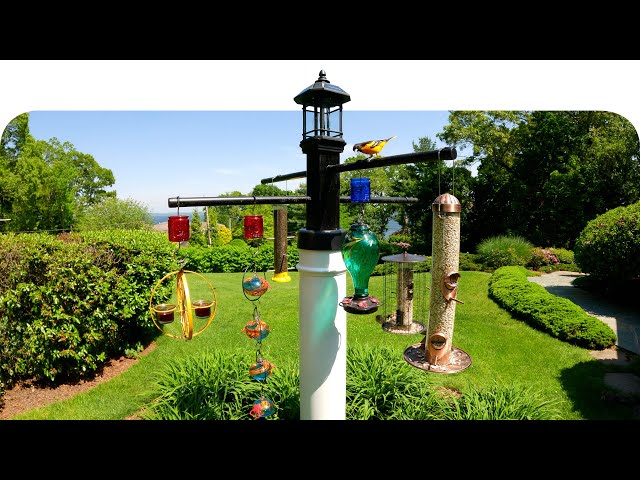
Are you tired of raccoons raiding your bird feeder and scaring away your feathered friends? You’re not alone.
Raccoons are clever and persistent, making it hard to keep your bird feeder safe. But don’t worry—there’s a simple way to protect your feeder and enjoy watching birds without unwanted visitors. You’ll learn easy steps to make a raccoon proof bird feeder pole that really works.
Keep reading, and you’ll soon have a peaceful, raccoon-free bird feeding spot right in your yard.

Credit: www.reddit.com
Choosing The Right Pole
Choosing the right pole is key to building a raccoon proof bird feeder. The pole must be sturdy and smooth to stop raccoons from climbing. It should also fit well with your bird feeder and the area where you place it. The right pole makes your feeder safe for birds and hard for pests to reach.
Material Options
Select a pole made from materials that resist chewing and climbing. Metal poles work well because raccoons cannot grip or chew them easily. Galvanized steel or aluminum poles last longer outside and stay smooth. Wooden poles may look natural but can be climbed or chewed by raccoons. Plastic poles might be slippery but often lack strength and durability.
Pole Height Considerations
The pole height should keep the feeder out of raccoons’ reach. A height of at least 5 feet is good to start. Taller poles give more protection but must be stable. Remember, raccoons can jump or climb nearby objects, so place the pole away from trees or walls. This stops raccoons from leaping onto the feeder.
Pole Diameter Tips
Choose a pole diameter that is hard for raccoons to grip. Thin poles are easier to climb. Poles with a diameter between 1.5 to 2 inches work well. Smooth poles without grooves or rough textures help prevent climbing. Consider adding a metal baffle or cone on the pole to block raccoon access further.
Selecting Raccoon Deterrents
Choosing the right raccoon deterrents is key to protecting your bird feeder pole. Raccoons are clever climbers and problem solvers, so your deterrent needs to be tough and smart. Let’s look at some effective options that can help keep your feathered friends safe and your feeder intact.
Baffles And Guards
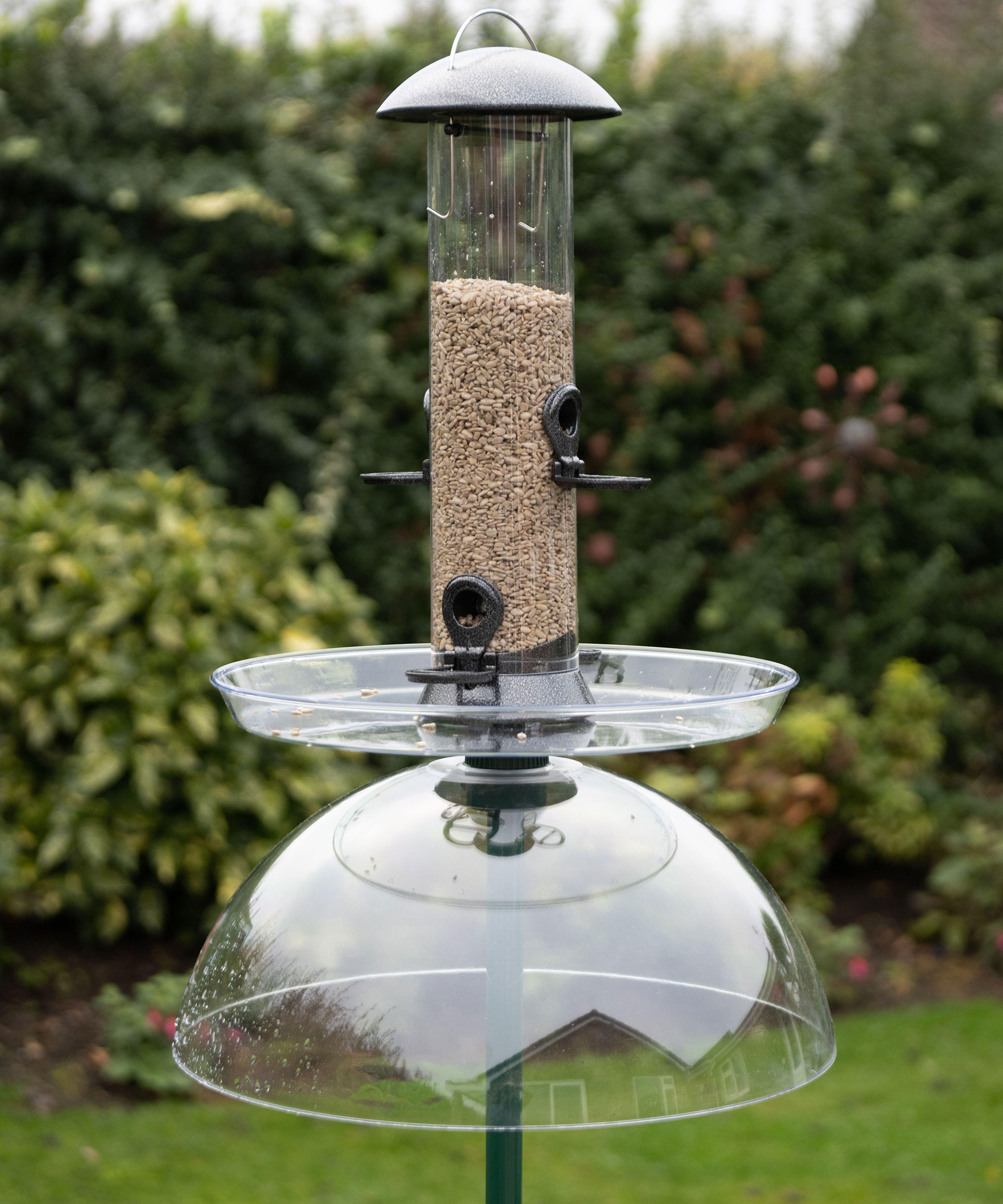
Baffles and guards are physical barriers that block raccoons from climbing up the pole. They come in many shapes, like cone-shaped or cylindrical shields, and are usually made of metal or heavy plastic. Installing a baffle just below the feeder creates a slippery, angled surface that raccoons can’t get around.
Think about placing a dome-shaped baffle about 3 feet off the ground. This simple addition can stop most raccoons from reaching the feeder above. Have you noticed how squirrels often get stopped by similar barriers? Raccoons face the same challenge.
Slippery Coatings
Applying slippery coatings to the pole makes climbing impossible for raccoons. Products like Teflon or specialized pole paints reduce friction, causing their paws to slip. This is a less bulky option that doesn’t change the look of your feeder setup much.
One thing to remember: slippery coatings may need regular reapplication, especially after rain. It’s a low-maintenance way to deter raccoons, but it requires consistency. Would you prefer this invisible defense over a visible guard?
Electric Shock Options
For a more high-tech solution, electric shock deterrents deliver a mild, safe shock to raccoons trying to climb the pole. These systems are designed to discourage without causing harm. They often run on batteries and are easy to install around the pole.
Electric shock options may seem extreme, but they work well in areas with persistent raccoon problems. Just be sure to select a model that is safe for birds and children. Would investing in this kind of protection give you peace of mind?
Building A Sturdy Base
Building a sturdy base is key to keeping your bird feeder pole safe from raccoons. A strong base prevents wobbling and tipping. It also stops raccoons from shaking the pole loose. Focus on creating a solid foundation that can hold the pole firm in the ground. This makes your bird feeder less inviting to curious raccoons.
Anchoring Techniques
Drive a metal or wooden stake deep into the ground. Attach the bird feeder pole to this stake for extra support. Use concrete to secure the base if the soil is soft. Pour concrete into a hole, place the pole inside, and let it set. This method holds the pole tightly and resists pulling or shaking.
Consider using ground anchors designed for outdoor poles. These screw into the earth and provide a firm grip. Secure the pole to these anchors with heavy-duty straps or metal brackets. This setup creates a strong hold that raccoons cannot easily break.
Stability Enhancements
Widen the base by adding a crossbar or platform near the bottom. This spreads the weight and reduces tipping risks. Attach the platform securely with screws or bolts. Place heavy stones or bricks on the platform to add weight.
Use a thick pole or double poles for better strength. Wrap the base with rough materials like metal flashing. This makes climbing difficult for raccoons. Check the base regularly for loose parts and tighten them as needed.
Installing The Bird Feeder
Installing your bird feeder correctly is key to keeping those clever raccoons at bay. A well-installed feeder pole can make all the difference between peaceful birdwatching and a nightly raccoon raid. Let’s look at how you can mount your feeder and where to place it for the best results.
Mounting Methods
Choose a sturdy pole made of metal or thick wood to support your feeder securely. You want something tough enough to hold the feeder and resist raccoon tampering.
One effective mounting option is to use a ground sleeve. This allows you to insert the pole deep into the soil, providing stability and reducing wobble. You can also anchor the pole with concrete for extra strength if your soil is loose.
Another option is attaching the pole to a wall or fence using heavy-duty brackets. This keeps the feeder elevated and harder for raccoons to reach from the ground. Just make sure the brackets are tight and the mounting surface is solid.
Placement Strategies
Where you put your feeder matters as much as how you mount it. Raccoons are great climbers, so placing the feeder at least 6 feet high is essential.
Keep the pole away from trees, fences, or other structures raccoons can jump from. A good rule is to leave at least 10 feet of clear space around the feeder.
Consider installing a baffle below the feeder—a smooth, cone-shaped barrier that slides down when raccoons try to climb. This physical block is a proven deterrent.
Ask yourself: Is this spot easy for me to refill but hard for raccoons to access? Your convenience matters too, so pick a location that balances safety and accessibility.
Maintaining The Feeder Pole
Maintaining your raccoon proof bird feeder pole is crucial to keep it functional and effective. A well-maintained pole not only lasts longer but also continues to deter raccoons, ensuring your feathered friends enjoy their meals undisturbed. Taking time to care for your feeder pole can save you from frequent replacements and frustrations.
Regular Inspections
Check your feeder pole at least once a week. Look for signs of damage or wear, especially where raccoons might try to grab or climb. Pay close attention to the baffle and mounting areas, as these spots tend to weaken over time.
Ask yourself: Are there any scratches, cracks, or loose parts? Early detection helps you fix small issues before they become bigger problems.
Cleaning Tips
Clean your feeder pole regularly to prevent dirt buildup that can attract unwanted pests. Use a mild soap solution and a soft brush to scrub the pole and baffle gently. Avoid harsh chemicals that could harm birds or damage the pole’s finish.
Rinse thoroughly with water and let it dry completely. Clean poles not only look better but also function more effectively to keep raccoons away.
Replacing Worn Parts
Over time, some parts of your feeder pole will wear out or break. Keep spare parts like screws, baffles, and mounting brackets on hand. Replacing these promptly keeps your setup sturdy and reliable.
Don’t ignore small issues like loose screws or cracked baffles—they invite raccoons to test your defenses. Maintaining a ready supply of replacement parts means you can act fast and keep your bird feeder safe.
Credit: store.bromebirdcare.com
Additional Raccoon Prevention Tips
Even after building a sturdy raccoon-proof bird feeder pole, adding extra layers of protection can make a big difference. These additional tips help keep raccoons at bay without disturbing the birds you want to attract. Let’s look at some practical ways to reinforce your efforts.
Feeding Schedule Adjustments
Raccoons are mostly active at night, so adjusting your feeding schedule can reduce unwanted visits. Try to fill your feeder early in the morning and take it down or cover it by dusk. This limits the time raccoons have to find and raid your feeder.
Have you noticed raccoons showing up more often after dark? Changing your routine might just make them lose interest. It also encourages birds to rely on your feeder during daylight, which is safer and more enjoyable for birdwatching.
Alternative Feeding Stations
Setting up separate feeding areas for different animals can reduce conflict. Place a raccoon-friendly feeding station away from your main bird feeder. This distracts raccoons by offering them an easier food source.
Try using a heavy-duty container with nuts or fruits in a spot raccoons prefer. This keeps your bird feeder peaceful and focused on attracting birds. Have you ever tried feeding raccoons separately? It may surprise you how well it works to keep them off your bird feeder.
Using Scent Repellents
Scent repellents can be a subtle but effective tool against raccoons. Products containing natural ingredients like peppermint oil or predator urine can discourage raccoons from approaching. Apply these around the base of your feeder pole and nearby areas.
Keep in mind, scents fade with rain and wind, so regular reapplication is necessary. Have you experimented with natural repellents before? Sometimes a simple spray of peppermint oil can make your garden less inviting to these clever visitors.
Credit: www.inkl.com
Frequently Asked Questions
How Do Raccoons Climb Bird Feeder Poles?
Raccoons climb poles using sharp claws and strong limbs. They grip the pole tightly to reach the feeder. Smooth, slippery surfaces can help prevent their climbing attempts.
What Materials Make Bird Feeder Poles Raccoon-proof?
Metal or PVC poles with smooth surfaces are best. Adding a baffle or guard around the pole stops raccoons. Avoid rough, wooden poles that raccoons can easily climb.
How To Install A Raccoon Baffle On A Feeder Pole?
Place the baffle 3-4 feet above the ground on the pole. Secure it tightly to prevent raccoons from moving it. The baffle should be wide and slippery to block climbing.
Can Squirrel-proof Feeders Also Stop Raccoons?
Some squirrel-proof feeders can deter raccoons, but not all. Raccoons are stronger and smarter, requiring additional protection like baffles. Combining multiple methods ensures better raccoon-proofing.
Conclusion
Creating a raccoon-proof bird feeder pole is simple and rewarding. Follow the steps to protect your bird feeders. Use sturdy materials and smart placement. Keep raccoons away by maintaining a clean area. Experiment with different methods to find what works best.
Enjoy watching the birds visit without raccoon interference. These tips ensure your bird feeders stay safe. Your feathered friends will thank you. Happy bird watching!