
Feeding birds can bring you closer to nature and brighten your day with their songs and colors. But did you know that the way you feed them might sometimes do more harm than good?
If you want to enjoy watching birds without causing problems for their health or the environment, you need to be careful. You’ll discover simple and effective ways to feed birds that protect them and your surroundings. Keep reading to learn how you can make a positive difference every time you fill your feeder.
Choosing Safe Bird Food
Choosing safe bird food is key to helping wild birds stay healthy. Birds need natural and clean food to thrive. Avoiding harmful or processed items keeps them safe from illness. The right food supports their energy and growth all year round.
Best Seeds And Nuts
Sunflower seeds are a top choice for many birds. Black oil sunflower seeds have thin shells and high oil content. Peanuts offer good protein but should be unsalted and shelled. Millet is great for smaller birds like sparrows. Nyjer seeds attract finches and are rich in nutrients. Always buy fresh, clean seeds without fillers or dust.
Avoiding Harmful Ingredients
Steer clear of salted or flavored seeds and nuts. Processed foods or bread can cause health problems. Avoid foods with mold or dust, which harm bird digestion. Stay away from foods with preservatives or artificial colors. Keep bird food dry and store it properly to prevent spoilage.
Seasonal Food Choices
Offer suet in winter to help birds stay warm. Fresh fruits like apples and berries suit summer feeding. During spring, protein-rich foods support breeding and growth. Adjust food types by season to meet birds’ changing needs. Always remove leftover food to avoid attracting pests.

Credit: www.allaboutbirds.org
Setting Up Clean Feeding Stations
Setting up clean feeding stations plays a key role in helping birds stay healthy. Clean feeders reduce the spread of diseases among birds. They also keep your garden neat and inviting. Simple steps can make a big difference in keeping feeders safe and hygienic.
Ideal Feeder Types
Choose feeders that prevent seed waste and moisture buildup. Tube feeders and hopper feeders work well for many bird species. Avoid open trays, as they collect water and droppings. Look for feeders made with easy-to-clean materials like metal or hard plastic. Designs with small perches limit overcrowding and reduce contamination.
Placement For Safety
Place feeders in spots safe from predators. Keep them away from windows to prevent bird collisions. Position feeders near shrubs or trees for quick bird cover. Ensure feeders are high enough to avoid cats or other animals. Avoid placing feeders too close to each other to reduce disease spread.
Regular Cleaning Tips
- Clean feeders every two weeks or more often in wet weather.
- Use a mild soap and warm water to scrub all parts.
- Rinse feeders thoroughly to remove soap residue.
- Disinfect with a solution of one part bleach to nine parts water.
- Let feeders dry completely before refilling them.
- Remove moldy or wet seeds to prevent bird illness.
Preventing Overfeeding
Feeding birds can bring joy and help wildlife thrive. Yet, overfeeding can harm birds and disrupt their natural habits. Preventing overfeeding keeps birds healthy and supports a balanced environment. It also reduces waste and keeps feeding areas clean. Simple steps help maintain the right balance.
Portion Control
Offer small amounts of food at each feeding time. Birds eat only what they need and leave the rest. Use feeders with limited capacity to avoid large piles of food. Refill only after the previous portion is gone. This prevents spoilage and attracts fewer pests.
Monitoring Bird Visits
Watch how many birds visit your feeding spot. Note their eating patterns and adjust food quantity accordingly. Stop feeding temporarily if birds seem full or stay too long. Record observations daily for better understanding. This helps you avoid feeding too much or too little.
Avoiding Dependency
Feed birds only during tough seasons like winter. Let them find natural food sources the rest of the year. This keeps their survival skills strong. Avoid feeding near nests to prevent reliance. Encourage a healthy balance between wild foraging and supplemental feeding.
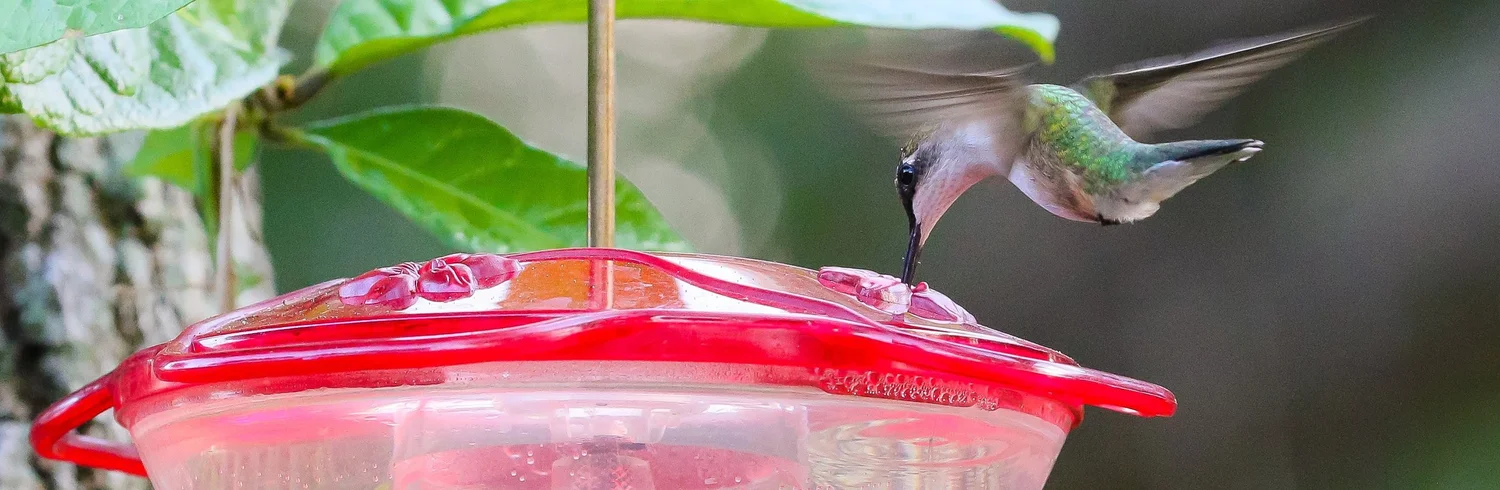
Credit: tropicalaudubon.org
Protecting Birds From Predators
Feeding birds is a rewarding experience, but it comes with responsibility. Protecting your feathered visitors from predators is crucial to ensure their safety and keep your feeding station a sanctuary. You can make simple changes around your feeders that create a safer environment for birds without much effort.
Safe Feeder Locations
Place your feeders at least 10 feet away from places where predators can hide, such as bushes or fences. This distance gives birds enough space to spot danger early and escape.
Also, position feeders near trees or shrubs that provide quick cover, but not so close that predators can launch surprise attacks. Think about where you’ve seen birds perch safely in your yard and try to mimic those spots.
Using Protective Barriers
Adding baffles or guards around your feeders can block predators like squirrels and larger birds. These barriers make it harder for unwanted visitors to reach the food or sneak up on smaller birds.
Consider mounting feeders on poles with smooth surfaces or adding metal collars to stop climbing predators. These simple additions can drastically reduce risks without disturbing your birdwatching.
Deterring Cats And Other Threats
Outdoor cats are a major threat to feeding birds. You can discourage them by keeping your feeder area clear of ground debris where cats can hide.
Using motion-activated sprinklers or lights can startle cats and other animals like raccoons. Have you noticed how sudden movement or noise can quickly send predators away? This tactic protects birds while keeping your yard peaceful.
Maintaining Natural Foraging Habits
Maintaining natural foraging habits helps birds stay healthy and strong. It lets birds find their own food and keeps their survival skills sharp. Feeding birds the right way supports their natural behavior without making them dependent on humans. This balance protects wild bird populations and their ecosystems.
Encouraging Native Plants
Plant native flowers, shrubs, and trees in your garden. These plants provide natural food sources like seeds, berries, and insects. Native plants attract local birds and help them find food year-round. They also support insects that birds eat. This creates a healthy environment for birds to forage naturally.
Limiting Feeding Frequency
Feed birds only a few times a week. Avoid constant feeding to prevent birds from relying on humans. Birds need to search for food daily to stay fit. Offering food occasionally encourages birds to keep their natural hunting and gathering skills. It also reduces overcrowding at feeders and the spread of disease.
Supporting Habitat Diversity
Provide different types of habitats around your home. Include trees, bushes, and open spaces. Diverse habitats give birds more food choices and places to hide from predators. This variety helps birds practice natural foraging and survive tough seasons. It also supports many bird species with different food needs and behaviors.

Credit: www.allaboutbirds.org
Handling Waste And Leftovers
Handling waste and leftovers is key to feeding birds safely. Leftover food and spills can attract pests and cause health issues for birds. Cleaning and proper disposal keep your feeding area healthy and inviting. Follow these simple tips to manage waste and protect your feathered friends.
Cleaning Up Spilled Food
Spilled seeds and crumbs attract rodents and insects. Clean the area daily with a broom or brush. Use a dustpan to collect leftover food. Avoid leaving piles of food on the ground. Regular cleanup stops mold and bacteria growth.
Preventing Mold And Disease
Mold grows quickly on damp food and feeders. Check feeders often for wet or old seeds. Remove moldy food immediately. Rinse feeders with hot water and mild soap. Let feeders dry before refilling. This prevents bird sickness and keeps feeders safe.
Disposing Of Old Feed
Old bird feed loses nutrients and can spoil. Store feed in a cool, dry place to extend freshness. Throw away any feed that smells bad or looks clumpy. Use sealed containers to avoid moisture and pests. Proper disposal stops harmful bacteria from spreading.
Seasonal Feeding Adjustments
Bird feeding needs change with the seasons. Different weather brings different challenges. Adjusting feeding habits helps birds stay healthy all year. It also keeps your garden safe and clean. Seasonal feeding adjustments make a big difference.
Winter Feeding Tips
Winter is tough for birds. Food is scarce and energy needs are high. Offer high-fat seeds like sunflower and peanuts. Keep feeders clean to prevent disease. Use fresh water and prevent it from freezing. Place feeders near shrubs for shelter and safety.
Summer Feeding Considerations
Summer brings heat and natural food abundance. Cut back on seed feeding to avoid overdependence. Offer fresh fruits like berries and chopped apples. Provide clean, shallow water for drinking and bathing. Clean feeders often to stop mold and bacteria growth.
Migratory Bird Support
Migrating birds need extra help during travel. Provide energy-rich foods like suet and mealworms. Keep feeders steady during migration seasons. Offer water and safe resting spots. Avoid sudden changes to feeding routines to prevent stress.
Frequently Asked Questions
How Can I Feed Birds Safely In My Backyard?
Provide clean, fresh food away from predators. Use feeders that prevent mold and contamination. Clean feeders regularly to avoid disease spread.
What Foods Should I Avoid Feeding Wild Birds?
Avoid bread, salty snacks, and processed foods. These can harm birds’ digestion and health. Stick to seeds, nuts, fruits, and suet instead.
How Often Should Bird Feeders Be Cleaned?
Clean feeders every two weeks or more often in wet weather. Use hot soapy water and rinse well to prevent bacteria growth.
Can Feeding Birds Affect Their Natural Behavior?
Feeding birds can alter their foraging habits. Offer food moderately to encourage natural food seeking and avoid dependency on feeders.
Conclusion
Feeding birds responsibly benefits both wildlife and your surroundings. Choose natural foods like seeds and fruits. Use bird feeders that prevent waste. Clean them regularly. Avoid processed foods, as they harm birds. Consider planting native trees and shrubs. These provide safe habitats.
Enjoy watching birds thrive around you. Every small effort counts. Protect nature while enjoying its beauty. With mindful choices, you create a safe space for birds. Your backyard becomes a haven for them. Nature thanks you with vibrant sights and sounds.
Keep learning and adapting. Happy birdwatching!