
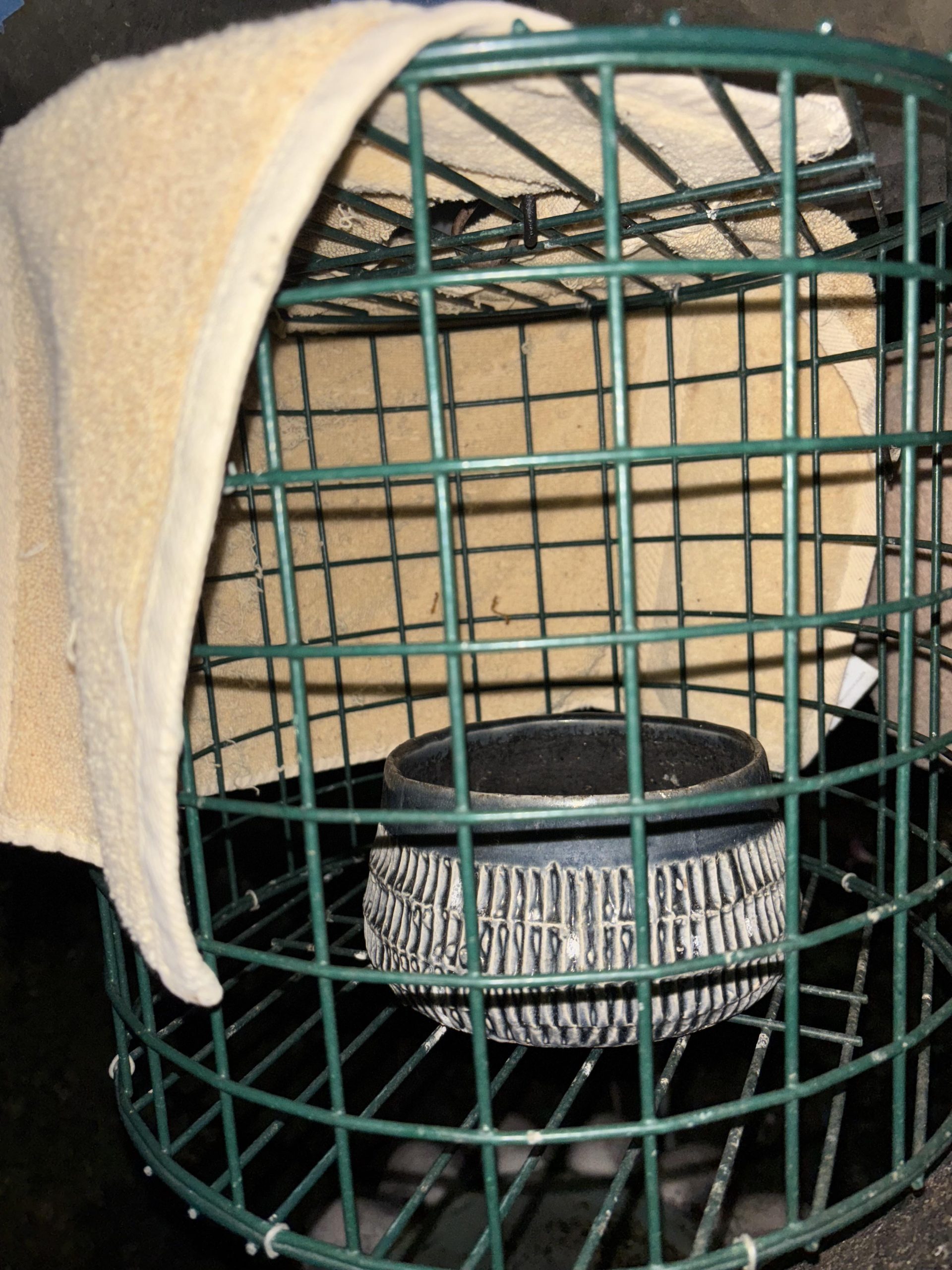
Are you wondering why your bird feeder stays empty while your neighbors’ feeders are full of lively birds? It can be frustrating to set up a feeder and wait, only to see no feathered visitors.
You might feel like you’re doing something wrong or that birds simply don’t like your yard. But don’t worry—there are simple reasons behind this, and small changes can make a big difference. Keep reading to discover why birds aren’t coming to your feeder and how you can turn your outdoor space into a bird paradise.

Credit: www.reddit.com
Common Reasons Birds Avoid Feeders
If your bird feeder is sitting empty, it’s natural to wonder why birds aren’t stopping by. Several common issues can turn birds away without you even realizing it. Understanding these problems can help you create a welcoming spot that attracts more feathered visitors.
Location Issues
Where you place your feeder matters a lot. Birds prefer feeders that feel safe and are close to natural cover like trees or shrubs. If your feeder is too exposed or near busy areas, birds might avoid it.
Have you noticed fewer birds when the feeder is in the open? Try moving it closer to bushes or away from windows to reduce reflections that scare birds away.
Feeder Cleanliness
Dirty feeders can repel birds quickly. Old seeds, mold, or droppings build up and make the feeder unsafe for birds. I once ignored cleaning my feeder for weeks and saw almost no visitors until I gave it a thorough wash.
Make it a habit to clean your feeder regularly with warm water and mild soap. This keeps birds healthy and willing to return.
Wrong Food Choices
Not all bird food attracts the same species. If you want finches, black oil sunflower seeds work well. For attracting a variety, mix seeds with suet or nuts.
Think about the birds in your area and what they prefer. Using the wrong food is like inviting guests but not serving what they like—will they come back?
Predator Presence
Birds avoid feeders if predators like cats or hawks are nearby. Even the sight of a predator can make birds wary. I once saw a hawk lurking near my feeder, and the birds stayed away for days.
Consider placing feeders in spots that offer quick escape routes or adding protective covers to keep predators at bay.
Weather Conditions
Extreme weather can affect bird activity at feeders. During heavy rain, strong winds, or very hot days, birds may seek shelter instead of feeding openly. However, in cold weather, a well-stocked feeder can be a lifesaver for birds.
Have you noticed changes in bird visits after a storm? Try adjusting feeder placement or offering fresh water to encourage visits during tough weather.
Choosing The Right Feeder
Choosing the right bird feeder can make all the difference in attracting birds to your yard. Not every feeder suits every type of bird or environment. Paying attention to the feeder’s design and functionality helps create a welcoming spot for your feathered visitors.
Types Of Feeders
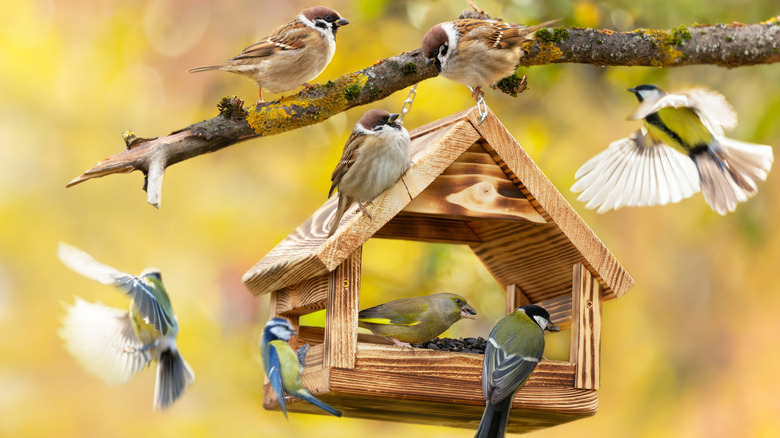
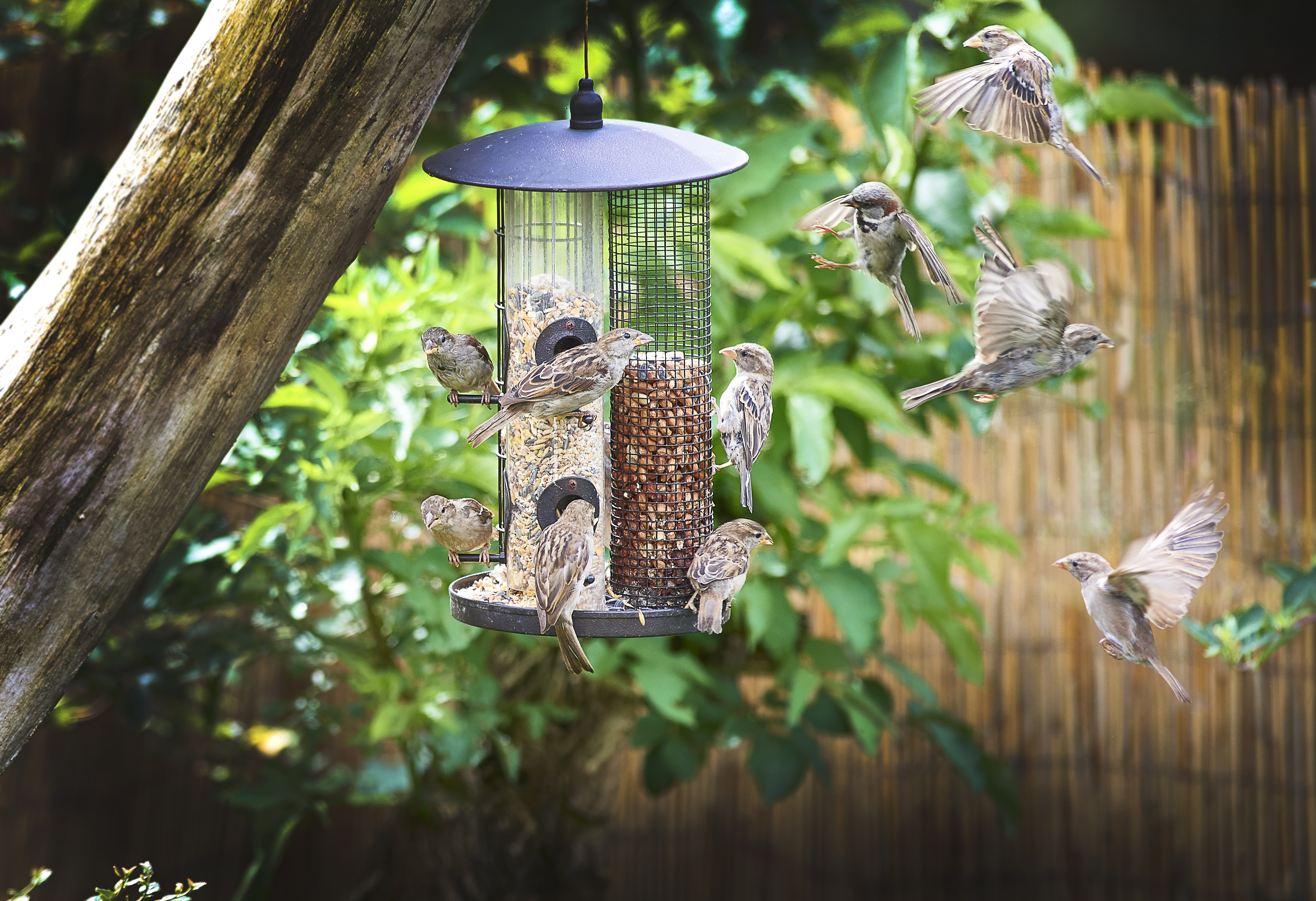
Different birds prefer different feeders. Tube feeders are great for small songbirds like finches and chickadees. Platform feeders work well for larger birds such as cardinals and doves, offering an open space to land and feed.
If you want to attract woodpeckers or nuthatches, consider a suet feeder. Hanging feeders with perches are perfect for sparrows and jays. Ask yourself what kinds of birds you want to see and choose a feeder that matches their feeding habits.
Materials And Durability
Material affects how long your feeder lasts and how well it withstands weather. Plastic feeders are lightweight and often less expensive, but they can crack or fade in strong sun. Metal feeders, especially those made of stainless steel, resist rust and last longer.
Wood feeders look natural but require regular maintenance to prevent rot. Think about your climate and how much time you can spend maintaining your feeder before picking the right material. Could a sturdier feeder save you time and keep birds coming back?
Size And Capacity
A feeder’s size impacts how often you need to refill it and how many birds it can serve at once. Small feeders might suit casual bird watchers but might empty quickly if many birds visit. Larger feeders hold more seed, reducing refill frequency and supporting bigger flocks.
However, oversized feeders can attract unwanted pests like squirrels or create waste if seed spills. Finding the right balance depends on your feeding goals and how many birds your yard typically attracts. Have you noticed if your feeder empties too fast or stays full for days?
Best Food For Different Birds
Choosing the right food is key to attracting birds to your feeder. Different birds prefer different types of seeds and treats. Understanding these preferences can turn your feeder into a bustling bird hotspot.
Seeds That Attract Most Birds
Black oil sunflower seeds are a top choice for many bird species. Their thin shells make them easy to eat, attracting finches, chickadees, and cardinals alike.
Another popular option is millet, often favored by ground-feeding birds like sparrows and doves. Offering a mix of these seeds covers a wide range of birds, increasing your chances of visits.
Specialty Foods For Specific Species
If you want to attract hummingbirds, try offering nectar made from sugar and water. They rarely go for seeds, so this sweet treat will draw them in.
Woodpeckers and nuthatches enjoy suet cakes, which provide high energy especially in cold weather. Meanwhile, thistle seeds are a magnet for finches, so consider adding those if you want a colorful flock.
Avoiding Spoiled Or Moldy Food
Birds won’t come back if your feeder offers spoiled food. Moldy seeds can harm their health and repel them from visiting again.
Regularly clean your feeder and replace old seeds. Keeping food fresh shows you care about the birds’ wellbeing and keeps them returning to your yard.
Credit: www.housedigest.com
Ideal Feeder Placement
Choosing the right spot for your bird feeder is key to attracting birds. Birds look for places that feel safe and easy to reach. The feeder’s location affects how often birds visit and how comfortable they feel while feeding.
Safe And Visible Spots
Place the feeder where birds can see it clearly from a distance. Open areas near trees or bushes work well. Birds need quick shelter if danger appears. Avoid spots with heavy foot traffic or loud noises. Safety encourages birds to visit often.
Distance From Windows
Keep the feeder at least 3 feet away from windows to reduce bird collisions. If space is tight, use window decals to make glass visible. Birds often fly fast and may not see clear glass. Safe distance helps prevent accidents and keeps birds coming back.
Shade And Shelter Considerations
Choose a spot with some shade to protect birds from heat. Morning sun with afternoon shade is ideal. Shelter from wind and rain also helps birds feel secure. Nearby trees or shrubs provide natural cover and resting spots. This comfort invites birds to stay longer at your feeder.
Maintaining A Clean Feeder
Keeping your bird feeder clean is key to attracting birds. Dirt, mold, and old seeds turn birds away quickly. A clean feeder invites birds back regularly. It also protects them from sickness. Simple cleaning habits make a big difference.
Regular Cleaning Schedule
Clean your feeder every two weeks. More often in wet weather or heavy use. Remove old seeds and debris. Wash with warm, soapy water. Rinse well to remove all soap. Dry completely before refilling. This routine keeps the feeder fresh and safe.
Preventing Disease Spread
Dirty feeders spread germs between birds. Moldy seeds cause illness and death. Clean feeders stop bacteria and fungi growth. Use a mild bleach solution to kill germs. Rinse thoroughly to avoid chemical residue. Healthy birds visit more often and stay longer.
Tools And Techniques
- Soft brush or sponge for scrubbing.
- Warm water mixed with dish soap.
- Bleach diluted with water (1 part bleach to 9 parts water).
- Old toothbrush for tight spots.
- Dry cloth or paper towels.
Soak feeders in the bleach solution for 10 minutes. Scrub hard-to-reach areas carefully. Rinse well and dry in the sun if possible. Avoid harsh chemicals that can harm birds. Clean feeders make your yard a safe bird haven.
Minimizing Predator Threats
If birds aren’t visiting your feeder, predators might be scaring them away. Birds need to feel safe while they eat. Minimizing threats from predators can make your feeder a welcoming spot again.
Common Predators
Several animals can intimidate birds near your feeder. Cats are the most common, often lurking silently nearby. Hawks and other birds of prey can also cause birds to avoid your feeder.
Snakes and squirrels sometimes act as threats too, especially if they invade the feeder area. Even neighborhood dogs might frighten birds if they get too close. Recognizing which predators are around helps you protect your feeder better.
Protective Measures
Creating a safe environment is key. Place your feeder at least 5 feet away from bushes or trees where predators can hide. Open spaces give birds a clear view to spot danger early.
Keep cats indoors or use deterrents like motion-activated sprinklers. Avoid feeding pets outside near your bird feeder to reduce attraction. Regularly clean up spilled seeds to avoid attracting unwanted visitors.
Using Baffles And Guards
Baffles and guards are practical tools to keep predators at bay. Install a cone-shaped baffle below or above your feeder to block cats and squirrels from climbing up. Metal guards around poles can stop squirrels from reaching the feeder.
Make sure these devices are installed correctly and maintained. Have you checked if your feeder’s pole is climb-proof? Sometimes a simple addition like a baffle can make all the difference in attracting more birds.
Seasonal Tips For Attracting Birds
Bird feeding habits change throughout the year. Birds seek different foods and shelter in each season. Adjusting your feeder setup boosts your chances of attracting birds all year. Seasonal care helps birds find your feeder easily and stay longer. Small changes make a big difference in bird visits.
Winter Feeding Strategies
Cold weather makes food scarce. Offer high-energy seeds like sunflower and suet. Keep feeders clean and free of ice. Place feeders near shelter like evergreens. Change water often to prevent freezing. Bright colors on feeders catch bird attention.
Spring And Summer Adjustments
Offer fresh fruits and nectar for hummingbirds. Use platforms or ground feeders for new bird visitors. Clean feeders weekly to stop mold and bacteria. Provide water for bathing and drinking. Plant native flowers and shrubs to create natural food sources.
Fall Preparations
Offer seeds rich in fat for migration energy. Gradually reduce feeding as natural food returns. Clean feeders well before winter arrives. Keep feeders in safe spots from predators. Add nuts and berries to attract diverse bird species.
Credit: dengarden.com
Enhancing Your Backyard Habitat
Creating a welcoming space for birds goes beyond just hanging a feeder. Enhancing your backyard habitat can make a big difference in attracting feathered visitors. By offering natural elements, you invite birds to stay longer and visit more often.
Planting Native Flora
Native plants provide the food and shelter birds need to thrive. They attract local insects, which many birds rely on for protein. Adding native flowers, shrubs, and trees can turn your yard into a natural buffet and safe haven.
Try planting species like coneflowers, sunflowers, or serviceberry if you live in North America. These plants offer seeds, berries, and nectar. You’ll notice more birds stopping by when they find familiar and reliable food sources.
Providing Water Sources
Birds need fresh water for drinking and bathing every day. A simple birdbath or a small fountain can draw them in, especially during hot or dry periods. Moving water catches a bird’s attention more than still water.
Keep your water clean by changing it regularly and placing it near the feeder. This setup encourages birds to linger and return frequently. Have you checked if your backyard has enough water spots for birds?
Creating Shelter And Nesting Spots
Birds look for safe places to rest and raise their young. Dense shrubs, brush piles, or nesting boxes provide essential shelter and protection from predators. Adding these elements helps birds feel secure in your yard.
You can experiment with different types of nesting boxes designed for species common in your area. Watch how birds explore and choose their preferred spots. Offering shelter isn’t just about attracting birds; it’s about helping them build a home.
Frequently Asked Questions
Why Aren’t Birds Visiting My Feeder?
Birds may avoid feeders due to poor location, lack of food, or disturbances. Place feeders in quiet, sheltered spots with fresh, appealing seeds to attract birds.
What Feeder Types Attract More Birds?
Tube feeders and platform feeders attract many bird species. Choose feeders that suit local birds and keep them clean to encourage visits.
Could Weather Affect Bird Feeder Activity?
Yes, extreme weather can reduce bird visits. Birds seek natural food sources during harsh conditions and may avoid feeders temporarily.
How Often Should I Clean My Bird Feeder?
Clean feeders every two weeks to prevent mold and disease. Use mild soap and water, rinse well, and dry before refilling.
Conclusion
Birds avoiding your feeder can be frustrating. Check your feeder placement first. Ensure it’s safe from predators and harsh weather. Cleanliness matters too. Dirty feeders deter birds. Offer diverse seeds to attract more species. Fresh water nearby enhances appeal. Patience is key.
Sometimes, it just takes time. Watch and adjust as needed. Small changes can make a big difference. Soon, your yard will welcome chirping visitors. Enjoy your birdwatching adventure!