
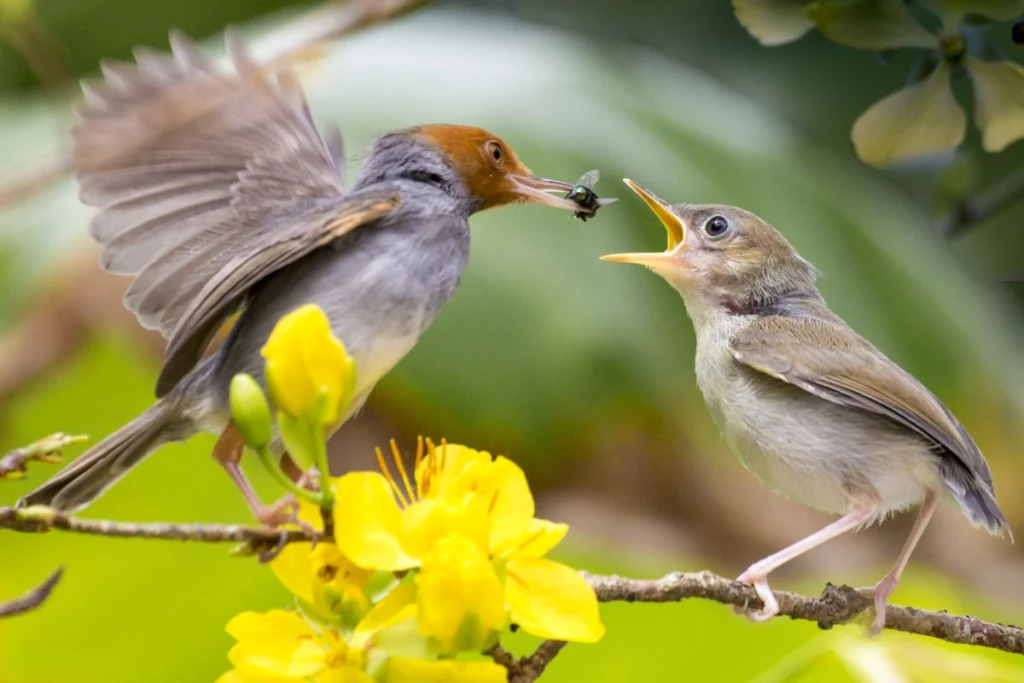
Finding a baby bird in need can be both exciting and worrying. You want to help, but you might wonder, “How do I safely feed water to a tiny, fragile bird?” Giving water the wrong way can be dangerous, but with the right steps, you can make sure the baby bird stays healthy and hydrated.
In this guide, you’ll learn simple, practical tips that anyone can follow. By the end, you’ll feel confident in providing the care these little creatures desperately need. Keep reading to discover how to give water safely and make a real difference.
Why Water Is Vital
Water is essential for the survival and growth of baby birds. Their small bodies need constant hydration to function properly. Without enough water, their health can quickly decline. Understanding why water is vital helps in caring for these fragile creatures.
Role Of Hydration In Baby Birds
Hydration supports every part of a baby bird’s body. Water helps regulate body temperature and aids digestion. It transports nutrients to cells and removes waste. Proper hydration keeps their organs working well. Baby birds lose water faster than adults due to their high metabolism. They need frequent water intake to stay healthy and active.
Signs Of Dehydration
Dehydration in baby birds can happen fast and be dangerous. Watch for these signs:
- Dry, shriveled skin or wrinkled eyes
- Weakness or lethargy
- Sunken eyes
- Less frequent begging for food
- Fluffed-up feathers
Spotting these signs early helps prevent serious problems. Always ensure baby birds have access to clean water or moist food. This keeps them hydrated and strong.

Credit: m.youtube.com
When To Offer Water
Knowing when to offer water to baby birds is very important. Giving water too soon or too late can harm their health. Baby birds get most of their water from the food their parents feed them. As they grow, their need for direct water increases.
Timing water introduction helps keep baby birds safe and healthy. Observe their growth and behavior carefully. The right moment varies by age and development stage.
Age And Development Stages
Newborn birds under 7 days old do not need direct water. They get enough hydration from their food. At around 7 to 10 days, you can start offering small amounts of water. Use a dropper or small syringe to avoid choking.
Once baby birds reach 2 weeks, they begin to explore solid foods and drink water more actively. By 3 weeks, most baby birds can drink water on their own. Always watch closely to ensure they handle water safely.
Avoiding Overhydration
Too much water can cause serious problems for baby birds. It may lead to drowning or upset stomachs. Offer water in small, controlled amounts. Check if the bird is swallowing properly.
Signs of overhydration include bloating and weakness. Stop giving water if these signs appear. Focus on balanced feeding with moist foods to keep hydration steady. Use fresh, clean water every time.
Safe Water Sources
Providing safe water is crucial when feeding baby birds. Their tiny bodies are sensitive to contaminants. Using clean, fresh water helps keep them healthy. Avoid water with chemicals or impurities. This section covers safe water sources for baby birds.
Choosing Clean Water
Use water that looks clear and smells fresh. Tap water is usually fine if it is safe for drinking. Let tap water sit for a few hours before use. This allows chlorine to evaporate. Rainwater is good but only if collected from clean surfaces. Avoid stagnant water from ponds or puddles. These may carry bacteria and parasites.
Avoiding Harmful Additives
Do not use water with added flavors or sweeteners. Avoid distilled or purified water without minerals. Baby birds need natural minerals for growth. Avoid soaps, detergents, or chemicals near water sources. Even small amounts can harm baby birds. Use plain water only for feeding and cleaning.
Methods To Feed Water
Feeding water to baby birds requires gentle care and the right tools. Different methods suit different situations and bird species. Choose the safest and most comfortable way to provide water to the little ones.
Using Syringes Or Droppers
Syringes and droppers allow precise control of water amount. Use a small syringe or dropper to avoid choking. Hold the bird gently and place the tip near its beak. Slowly squeeze a few drops into the mouth. Stop if the bird shows distress. Clean the tool after each use to prevent infection.
Feeding With Cotton Swabs
Moisten a cotton swab with clean water. Gently touch the bird’s beak with the wet tip. The bird will lick or sip the water naturally. This method works well for very small or weak birds. Replace the swab often to keep it clean and soft. Avoid pushing the swab too far into the mouth.
Natural Feeding Techniques
Imitate how parent birds feed their chicks. Offer water on a leaf or small dish close to the bird. Allow the baby bird to drink by itself at its own pace. Some birds may lap water directly from your fingers. Always keep the water shallow and fresh. Observe the bird’s reaction to ensure it is drinking safely.
Frequency And Quantity
Feeding water to baby birds requires careful attention to both how often you provide it and how much they receive. Too little water can lead to dehydration, while too much might cause discomfort or health issues. Finding the right balance is essential to keep these fragile creatures healthy and thriving.
Daily Water Needs
Baby birds need water several times a day, especially in their early stages. Typically, offering small amounts every 2 to 3 hours works well. Keep in mind that their water intake depends on their age and size—smaller birds drink less but more frequently.
Watch for signs of thirst like open-mouth breathing or dry skin around the beak. Don’t force them to drink too much at once; instead, give just enough to moisten their throat and keep them hydrated. You might find it helpful to use a dropper or syringe for precise control.
Adjusting Based On Weather And Activity
On hot days, baby birds often need more water to stay hydrated. When temperatures rise, increase the frequency of water feedings to prevent dehydration. Conversely, during cooler weather, they may require slightly less water but still need regular hydration.
Active baby birds also burn more energy and lose fluids faster. If your baby bird is moving around a lot or vocalizing frequently, consider upping the water quantity and frequency. Have you noticed how a restless baby bird drinks more eagerly? That’s a good cue to adjust your feeding schedule.
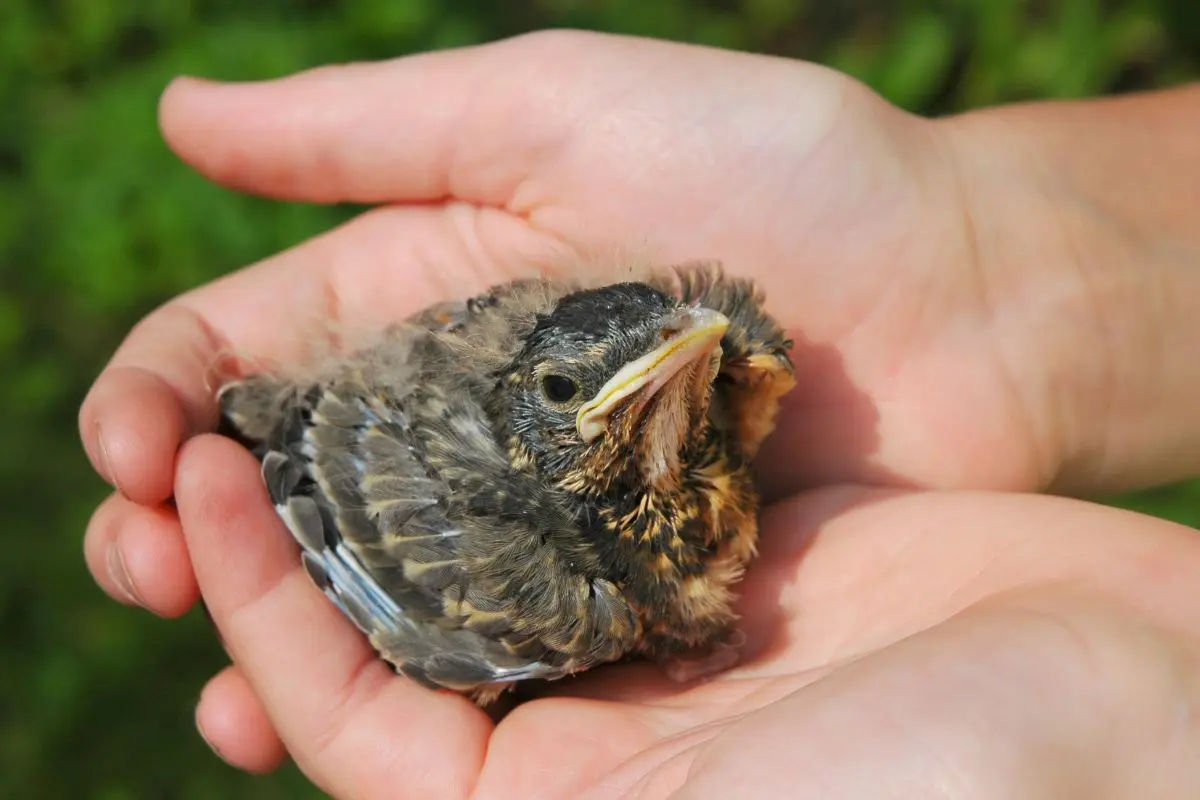
Credit: wildbloo.com
Common Mistakes To Avoid
Feeding water to baby birds needs care and attention. Many people make mistakes that harm the birds. Avoiding these errors helps keep the baby birds healthy and safe. Learn about common mistakes to avoid for proper feeding.
Overfeeding Water
Giving too much water can cause choking. Baby birds have small stomachs that fill quickly. Offer small amounts of water to prevent discomfort. Watch the bird’s reaction to know when to stop. Overfeeding may also lead to diarrhea and weakness.
Using Improper Tools
Using the wrong tools can hurt the birds. Avoid big or sharp objects that may injure the baby’s mouth. Use small droppers or syringes made for feeding birds. Tools should deliver water gently and safely. Dirty or broken tools can spread infections.
Ignoring Hygiene
Cleanliness is key to avoid illness. Always wash hands before feeding baby birds. Sterilize feeding tools before and after use. Dirty water or tools can cause harmful bacteria growth. Keep the feeding area clean and dry to protect the birds.
Signs Of Health Improvement
Recognizing signs of health improvement in baby birds is essential during feeding and care. Healthy changes show that the bird is growing strong and adapting well. These signs help you know if your feeding efforts are effective. Watch closely for changes in behavior and physical growth. Both give clear hints about the bird’s well-being.
Behavioral Changes
Active baby birds indicate good health. They start to move more and respond to sounds and touch. The bird may open its mouth eagerly at feeding times. Alertness and curiosity grow as they improve. A healthy baby bird will also show less distress and crying. These changes show the bird feels stronger and more comfortable.
Physical Development
Look for steady weight gain in the baby bird. Feathers begin to grow and look smoother. The skin becomes less wrinkled and more colorful. The bird’s eyes open wide and shine brighter. Stronger legs and neck muscles help the bird hold its head up. These physical signs prove the bird is developing well and ready for the next care steps.

Credit: www.youtube.com
Frequently Asked Questions
How Often Should I Give Water To Baby Birds?
Baby birds usually get enough moisture from their food. Only offer water if they seem dehydrated, sparingly, to avoid choking.
What Is The Best Way To Feed Water To Baby Birds?
Use a small dropper or syringe without a needle. Gently place drops near their beak to encourage sipping.
Can I Use Tap Water For Baby Birds?
It’s best to use clean, filtered, or boiled water cooled to room temperature. Avoid untreated tap water to prevent illness.
When Should I Stop Giving Water To Baby Birds?
Once baby birds start eating solid foods, they get enough hydration naturally. Gradually reduce water feeding as they grow.
Conclusion
Feeding water to baby birds helps them stay healthy and strong. Use a small dropper or syringe to give water gently. Always be careful not to drown or harm the bird. Fresh, clean water is best for their needs. Watch the baby bird closely during feeding times.
With patience and care, you can support their growth well. Every little effort makes a big difference for their survival. Keep learning and practicing safe feeding techniques. Helping baby birds thrive feels rewarding and important.