

Are you thinking about adding a feathered friend to your home? Getting a bird pet can bring joy, color, and lively sounds to your daily life.
But before you bring one home, it’s important to know what steps to take to choose the right bird and care for it properly. You’ll discover simple, clear advice that helps you make the best choice for your new companion.
Keep reading, and you’ll feel confident about welcoming a bird into your life.
Choosing The Right Bird
Choosing the right bird is the first step to a happy pet experience. Each bird species has unique needs and personalities. Picking a bird that fits your lifestyle helps build a strong bond. Understanding which bird suits your home, time, and care abilities is important.
Popular Bird Species For Beginners
- Budgerigar (Budgie):Small, colorful, and easy to train.
- Canary:Known for beautiful singing and calm nature.
- Lovebird:Small, social, and very affectionate.
- Cockatiel:Friendly, playful, and easy to handle.
- Parrotlet:Tiny parrots with big personalities.
Factors To Consider Before Choosing
- Space:Larger birds need bigger cages and room to fly.
- Time:Some birds require daily interaction and playtime.
- Noise Level:Consider if the bird’s sounds fit your home.
- Lifespan:Birds can live many years; plan for long-term care.
- Allergies:Check for allergies to feathers or bird dust.
- Budget:Factor in food, toys, cage, and vet visits.
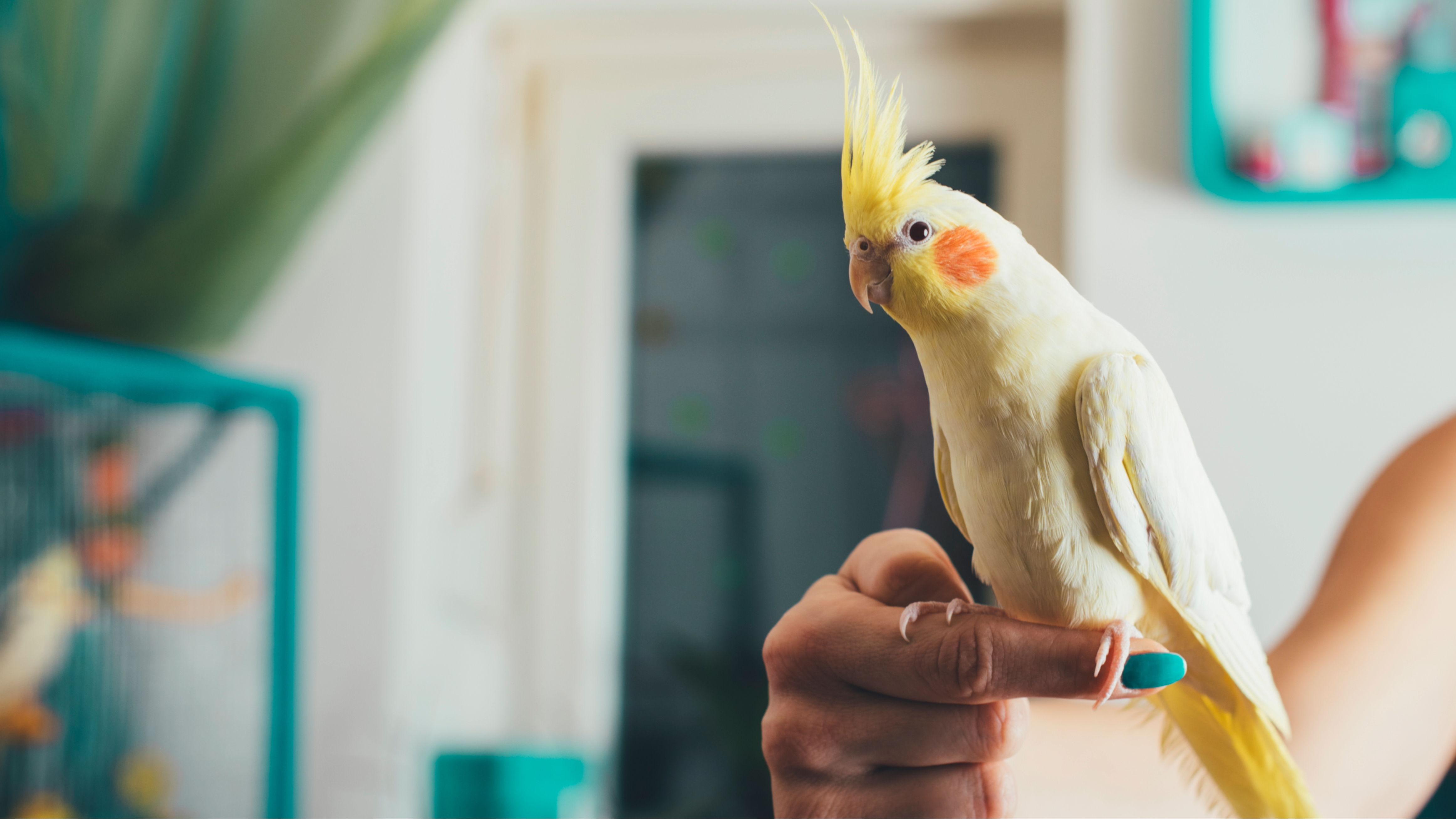
Credit: www.petsradar.com
Creating A Comfortable Habitat
Creating a comfortable habitat is key to a happy pet bird. Birds need space, safety, and stimulation to thrive. A well-set home reduces stress and keeps your bird healthy. This section helps you build the perfect environment for your new feathered friend.
Selecting The Appropriate Cage
Choose a cage large enough for your bird’s size and activity. Bigger cages allow more movement and flying space. Look for strong bars with safe gaps to prevent escape or injury. Avoid cages with sharp edges or toxic materials. Place the cage in a quiet spot away from drafts and direct sunlight.
Essential Cage Accessories
Include the right accessories to keep your bird active and comfortable. Provide perches of different sizes and textures to exercise their feet. Add food and water dishes that are easy to clean and refill. Toys like bells, mirrors, and swings keep birds entertained. Use a bird-safe cage liner or paper for easy cleaning and hygiene.
Proper Nutrition For Birds
Providing your bird with proper nutrition is one of the most important steps to ensure its health and happiness. Birds have unique dietary needs that vary by species, but the foundation of good nutrition always includes a variety of essential nutrients. Feeding your feathered friend the right foods will support their energy, feather quality, and immune system.
Balanced Diet Essentials
A balanced diet for birds should include a mix of seeds, pellets, fresh fruits, and vegetables. Pellets are designed to offer complete nutrition and can serve as the main diet. Seeds alone might seem tempting, but they often lack vital vitamins and minerals.
Fresh foods add variety and important nutrients. You can feed your bird:
- Leafy greens like spinach and kale
- Fruits such as apples, berries, and melons
- Vegetables like carrots, peas, and bell peppers
Remember to wash all fresh foods thoroughly and remove any pits or seeds that may be harmful. Water should always be fresh and available.
Foods To Avoid
Not all human foods are safe for birds. Some common items can be toxic and even fatal. Chocolate, caffeine, and alcohol must never be given to your pet bird.
Additionally, avoid feeding:
- Avocado, which can cause heart problems
- Onions and garlic, which may lead to digestive issues
- Salt and sugary snacks, as they harm your bird’s organs
Have you ever wondered why some seeds are sold as ‘bird treats’ but are not recommended as daily meals? It’s because these treats lack balanced nutrition and can cause obesity if overfed.
Feeding your bird the right foods every day shows how much you care. What small changes will you make to improve your bird’s diet today?

Credit: www.nzherald.co.nz
Understanding Bird Behavior
Understanding bird behavior is essential for anyone planning to have a bird as a pet. Birds communicate mostly through their actions and sounds. Learning these behaviors helps create a strong bond. It also ensures the bird stays healthy and happy.
Common Bird Behaviors
Birds use body language to show their feelings. They may bob their heads, fluff feathers, or sing. These actions can mean different things:
- Head bobbing:Often a sign of excitement or attention.
- Feather fluffing:Shows comfort or relaxation, but can also mean cold.
- Chirping and singing:Birds use sounds to communicate and express joy.
- Preening:Cleaning their feathers, a sign of good health.
- Wing stretching:Indicates the bird feels safe and relaxed.
Signs Of Stress Or Illness
Birds hide their pain well. Watch carefully for changes in behavior. These signs may show stress or illness:
- Lack of appetite or sudden weight loss.
- Fluffed feathers for a long time.
- Unusual quietness or changes in vocalization.
- Repeated pacing or feather plucking.
- Labored breathing or discharge from eyes or nose.
Early detection can prevent serious health problems. Always observe your bird daily. Learn its normal habits to spot changes fast.
Training And Socialization
Training and socialization are key to building a strong bond with your bird. Birds are intelligent and can learn many behaviors. Training helps your bird feel safe and happy. Socialization prevents fear and aggression. It also makes your bird more enjoyable to be around. Patience and consistency create the best results. Start training and socialization early for a well-behaved pet.
Basic Commands And Tricks
Teaching basic commands helps your bird understand expectations. Use simple words like “step up” to get on your hand. Reward with treats and praise for good behavior. Keep training sessions short, about 5 to 10 minutes. Repeat commands often to help your bird remember.
- Step up on your finger or perch
- Turn around or wave
- Talk or mimic sounds
- Stay calm during handling
Tricks add fun and mental exercise. Start with easy actions and build slowly. Always use positive reinforcement to encourage learning.
Encouraging Positive Interaction
Make your bird feel safe and loved. Spend time near the cage talking softly. Offer treats by hand to build trust. Allow your bird to explore outside the cage in a safe space.
- Use gentle touch and avoid sudden moves
- Introduce new people and pets slowly
- Provide toys that encourage play and curiosity
- Respect your bird’s mood and give space when needed
Positive interaction helps your bird become friendly and calm. It creates a happy and healthy environment for your pet.
Health And Veterinary Care
Keeping your pet bird healthy requires more than just a clean cage and good food. Regular health checks and knowing the signs of illness can make a huge difference in your bird’s happiness and lifespan. Your bird can’t tell you when something feels wrong, so it’s up to you to watch closely and act quickly.
Regular Check-ups And Vaccinations
Birds need routine visits to an avian vet to stay in top shape. These check-ups help catch problems early—sometimes before you even notice symptoms. Discuss vaccination options with your vet; some birds benefit from vaccines against common diseases like avian influenza or polyomavirus.
During visits, vets will:
- Examine your bird’s feathers, beak, and eyes
- Check weight and overall body condition
- Review diet and cage environment
Don’t wait for your bird to look sick. Scheduling regular visits every 6 to 12 months keeps you ahead of potential health issues.
Identifying Health Issues
Birds hide illness well, so you need to be alert for subtle changes. Watch for signs like:
- Fluffed-up feathers or constant sleeping
- Loss of appetite or changes in droppings
- Unusual breathing sounds or sneezing
- Changes in behavior, such as aggression or lethargy
Once, I noticed my parakeet was quieter than usual and slightly fluffed up. A quick vet visit revealed an early respiratory infection, which was treated successfully. Catching symptoms early can prevent serious illness.
Ask yourself: How well do you really know your bird’s normal behavior? Spending time observing helps you spot when something isn’t right.
Maintaining A Clean Environment
Keeping your bird’s living space clean is essential not just for their health but also for your comfort. A tidy environment reduces the risk of diseases and keeps your feathered friend happy and active. Let’s look at how you can maintain a clean space that works for both you and your bird.
Cleaning Schedule And Tips
Set a daily routine to remove food scraps, droppings, and any scattered feathers. Quick spot cleaning helps avoid buildup, making deep cleaning less overwhelming.
Once a week, wash the cage thoroughly with warm water and bird-safe disinfectant. Make sure to rinse well and dry completely before putting your bird back inside.
- Use newspaper or cage liners that you can replace daily for easy cleanup.
- Clean food and water dishes every day to prevent bacterial growth.
- Place a small hand broom or vacuum nearby to manage feathers and debris regularly.
Importance Of Hygiene
Good hygiene protects your bird from infections and parasites. Birds are sensitive creatures, and even small amounts of mold or bacteria can cause serious health problems.
Think about your own living space—would you want to eat or sleep in a dirty room? Your bird feels the same way. Cleanliness directly impacts their behavior and lifespan.
Have you noticed how your bird acts on days when the cage is spotless versus when it’s a bit messy? Many owners report their birds being more playful and vocal in a clean environment.
Providing Mental And Physical Stimulation
Providing mental and physical stimulation is key to a happy bird pet. Birds are intelligent and active creatures. Without enough activity, they can become bored or stressed. This can lead to unhealthy behaviors like feather plucking or excessive noise. Keeping birds engaged helps their mind stay sharp and their body strong. Creating a fun and stimulating environment is a must for pet bird owners.
Toys And Enrichment Activities
Toys are essential for a bird’s mental health. They offer challenges and fun. Choose toys that encourage problem-solving and play. For example, puzzle toys hide treats inside. This keeps birds busy and curious. Rotate toys regularly to keep interest high.
- Chew toys to satisfy natural chewing instincts
- Swings and ladders to climb and explore
- Foraging toys that mimic natural food searching
Enrichment activities also include training sessions. Teaching simple tricks stimulates the brain. It builds trust and strengthens your bond. A busy bird is a happy bird.
Benefits Of Flight And Exercise
Flight is a natural behavior for birds. Exercise keeps their muscles strong and bones healthy. Allow birds to fly safely outside their cage daily. This can be in a bird-proofed room or outdoor aviary.
- Improves cardiovascular health
- Prevents obesity and related health problems
- Reduces stress and anxiety
Exercise also helps birds sleep better. Active birds tend to rest well at night. Limited flying can lead to frustration and aggression. Providing space and time for flight is vital. It supports a bird’s overall well-being.
Traveling With Your Bird
Traveling with your bird can be a rewarding experience, but it also requires careful planning to ensure your feathered friend stays safe and comfortable. Birds are sensitive to changes in their environment, so your approach to travel can make a big difference in how well they adjust. Understanding how to transport your bird safely and help them adapt to new surroundings will make your journey smoother and more enjoyable for both of you.
Safe Transportation Tips
Choose a sturdy travel cage that provides enough room for your bird to move but is secure enough to prevent escape. Line the bottom with absorbent material to keep the space clean during the trip.
Keep the cage covered with a light cloth to reduce stress from outside stimuli. Avoid placing the cage in direct sunlight or drafty areas while traveling.
- Bring familiar toys or perches to comfort your bird.
- Maintain a consistent feeding schedule and offer fresh water frequently.
- Secure the cage in a stable position, such as the car floor behind the front seat.
Have you ever noticed how sudden noises or bumps upset your bird? Driving smoothly and avoiding abrupt stops helps keep your bird calm during the ride.
Adapting To New Environments
Once you arrive, place the cage in a quiet, sheltered spot away from drafts and loud noises. Allow your bird time to explore and get used to the new setting at their own pace.
Keep daily routines consistent—feeding, playtime, and interaction help your bird feel secure. Introducing new surroundings gradually minimizes stress and encourages a positive experience.
- Use familiar scents or items from home to create a sense of comfort.
- Observe your bird’s behavior closely for signs of stress like feather plucking or excessive vocalization.
- Spend extra time talking and interacting to reassure your bird.
Have you thought about how small changes in your bird’s environment affect their mood? Patience and attention to detail make all the difference when helping your pet adjust to travel and new places.

Credit: www.youtube.com
Frequently Asked Questions
What Are The Best Beginner Birds For Pets?
Beginner birds like budgerigars, cockatiels, and lovebirds are friendly and easy to care for. They adapt well to new owners and require basic care, making them perfect for first-time bird pet owners.
How Do I Prepare My Home For A Pet Bird?
Create a safe, quiet space with a spacious cage. Provide perches, toys, fresh water, and bird-safe food. Remove hazards like toxic plants and fumes before bringing your bird home.
Where Can I Buy Or Adopt A Pet Bird?
You can buy birds from reputable breeders or pet stores. Adoption is also an option through bird rescues and shelters. Always choose healthy birds and verify the seller’s credibility.
What Should I Feed My Pet Bird Daily?
Feed a balanced diet of high-quality bird pellets, fresh fruits, and vegetables. Avoid avocado, chocolate, caffeine, and salty foods. Provide clean water daily to keep your bird healthy and hydrated.
Conclusion
Getting a bird as a pet brings joy and companionship. Choose the right bird that fits your lifestyle. Prepare a safe and comfortable home for your new friend. Learn about its diet and daily care needs. Spend time bonding and training your bird gently.
Patience and love help build trust between you. Birds can brighten your days with their songs and colors. Enjoy every moment with your feathered companion. Taking care of a bird is rewarding and fun. Start your journey to a happy pet bird today.