
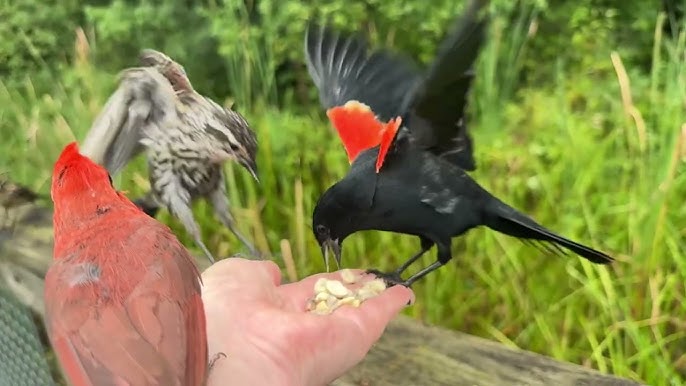
Have you ever wanted to get closer to wild birds and share a special moment with them? Hand feeding wild birds is a simple way to connect with nature right in your backyard.
Imagine the thrill of tiny birds landing gently on your hand, trusting you enough to take food directly from your palm. It’s not only a peaceful experience but also a chance to learn about these beautiful creatures up close. You’ll discover easy steps and important tips to safely hand feed wild birds, making your outdoor time more rewarding and unforgettable.
Ready to make new feathered friends? Let’s get started!

Credit: www.youtube.com
Choosing The Right Birds
Choosing the right birds is key to a successful hand feeding experience. Not all wild birds are comfortable around humans. Some species are shy and avoid close contact. Others are more curious and may accept food from your hand. Understanding which birds to approach helps create a safe and enjoyable moment for both you and the birds.
Different birds have unique habits and needs. This affects how they respond to hand feeding. Picking common local birds is a good start. They are often used to human presence and easier to feed. Knowing bird behavior and temperament helps you avoid stress or harm to the birds.
Common Wild Birds To Feed
- Robins – Friendly and often seen in gardens
- Blue Jays – Bold birds with bright colors
- Chickadees – Small, curious, and quick learners
- Finches – Gentle and social in groups
- Sparrows – Common and easy to spot
These birds usually accept food from hands after some patience. Seeds, nuts, and berries attract them easily. Feeding them helps build trust over time.
Bird Behavior And Temperament
Wild birds have different temperaments. Some are naturally cautious. They watch carefully before approaching. Others are more playful and bold. Respect their space and move slowly.
Observe their body language. Relaxed birds may hop closer or tilt their heads. Nervous birds stay still or fly away. Avoid sudden moves or loud noises. Patience is key to gaining their trust.

Credit: www.livingwithbirds.com
Safe Feeding Locations
Finding the right spot to hand feed wild birds is key to a successful and safe experience. Safe feeding locations encourage birds to come closer while keeping them protected from stress and danger. Choosing the right place also makes your time more enjoyable and increases the chances of forming a trusting connection with the birds.
Quiet And Comfortable Spots
Birds are naturally cautious and prefer calm surroundings. Look for places away from busy paths, loud noises, and heavy foot traffic. A quiet garden corner, a shaded park bench, or a calm backyard area often works well.
Think about where birds already like to gather. If you notice a peaceful area where birds rest or forage, that’s a great sign. Your presence there will feel less threatening, making birds more likely to accept food from your hand.
Avoiding Predators And Hazards
Safety is crucial—not just for you but for the birds too. Avoid locations near roads, places with many cats or dogs, or areas where birds could easily be caught by predators. Feeding birds in open spaces without cover can expose them to hawks and other threats.
Choose spots with nearby trees or shrubs where birds can quickly escape if they feel unsafe. This gives them a sense of security and reduces their stress. Have you ever noticed how birds quickly dart to bushes when startled? That instinct is key to their survival and should guide where you feed them.
Preparing Bird-friendly Food
Preparing bird-friendly food is key to safely hand feeding wild birds. The right food keeps birds healthy and encourages them to visit often. Choose foods that match the natural diet of local birds. Avoid anything that could harm their digestion or overall well-being.
Suitable Seeds And Treats
Offer seeds and treats that wild birds enjoy and can digest easily. Here are some good options:
- Sunflower seeds, especially black oil sunflower seeds
- Millet and cracked corn
- Peanuts without salt or shells
- Suet cakes, especially in cold weather
- Chopped fruits like apples and berries
- Mealworms for insect-eating birds
These foods provide energy and nutrients needed for birds to stay active. Keep treats fresh and avoid moldy or stale items.
Foods To Avoid
Some foods can harm birds or cause illness. Never feed these:
- Bread or baked goods – low nutrition and may cause hunger
- Salted or seasoned nuts and seeds
- Chocolate, caffeine, or any sugary foods
- Avocado – toxic to many bird species
- Raw beans or dried beans
- Onions and garlic
Always choose natural and plain foods to keep birds safe. Avoid anything processed or artificial.

Credit: www.youtube.com
Steps To Hand Feed Birds
Hand feeding wild birds is a rewarding experience that requires patience and care. It’s not just about offering food; it’s about building a connection and understanding bird behavior. These steps will guide you through earning their trust and feeding them safely and effectively.
Gaining Trust Gradually
Start by spending quiet time near the birds without any food. Let them notice your presence without feeling threatened. Move slowly and avoid sudden gestures that could scare them away.
Try sitting in one spot for several days, allowing the birds to get used to you. Once they seem comfortable, offer food from a distance on the ground or a platform. This shows you’re not a danger and makes them curious.
Have you noticed how some birds approach more quickly after a few sessions? That’s a sign your patience is working. Keep your movements calm and consistent to strengthen this trust over time.
Proper Feeding Techniques
Use small portions of bird-friendly food like seeds, nuts, or mealworms. Hold the food in your open palm or between your fingers to make it easy for birds to pick up. Avoid sudden hand movements to prevent startling them.
Offer food at eye level or slightly below to keep birds comfortable. If a bird is hesitant, try placing the food on a flat surface nearby and gradually move it closer to your hand over multiple visits.
- Keep your hands clean and dry to avoid harming the birds.
- Never force a bird to eat from your hand; let them decide when they’re ready.
- Limit feeding sessions to short periods to prevent dependency.
Have you ever felt the thrill when a wild bird lands on your hand? That moment comes only when you respect their space and follow safe feeding practices. This approach keeps both you and the birds happy and healthy.
Maintaining Hygiene And Safety
Maintaining hygiene and safety is crucial when hand feeding wild birds. It protects their health and keeps you safe from potential risks. Paying attention to cleanliness also encourages birds to return, making your experience more rewarding.
Cleaning Feeding Areas
Regularly clean the spots where you feed birds to stop the spread of germs. Remove leftover food and wash any containers with warm soapy water. This prevents mold and bacteria that can harm birds.
Outdoor feeding stations can attract pests, so sweep away fallen seeds and droppings often. If you notice buildup, use a mild bleach solution (one part bleach to nine parts water) to disinfect the area. Rinse well and let it dry before adding new food.
Protecting Both You And The Birds
Always wash your hands before and after feeding birds to avoid passing diseases. Avoid touching your face while feeding and use gloves if possible. Birds can carry germs that may affect humans, so take care.
Watch your body language. Sudden movements can stress birds, leading to aggressive pecking or flight. Move slowly and calmly to keep both you and the birds safe.
Have you noticed any changes in the birds’ behavior when hygiene is neglected? Keeping safety in mind helps build trust and creates a positive experience for you and your feathered visitors.
Enhancing The Feeding Experience
Enhancing the feeding experience with wild birds creates a deeper connection with nature. It makes feeding more enjoyable for both you and the birds. Small actions can build trust and encourage birds to visit often. Understanding their behavior and signals helps you feed them safely and respectfully.
Using Bird Calls And Movements
Birds respond well to familiar sounds and gentle movements. Mimicking bird calls can catch their attention and invite them closer. Soft, slow movements reduce fear and show you mean no harm. Avoid sudden gestures that might scare them away.
- Learn simple bird calls from local species.
- Repeat calls softly to attract birds nearby.
- Move calmly and avoid quick hand motions.
- Hold your hand steady when offering food.
Patience And Consistency Tips
Wild birds take time to trust humans. Be patient and consistent in your feeding routine. Feeding at the same time and place helps birds feel safe. Over time, they will recognize you as a friend.
- Feed birds at regular times daily.
- Use the same spot to create familiarity.
- Stay quiet and avoid sudden noises.
- Keep your hand steady and open.
Common Challenges And Solutions
Hand feeding wild birds can be a rewarding experience, but it comes with its own set of challenges. Understanding these challenges and knowing how to address them will make your interactions smoother and more enjoyable. Let’s look at some common difficulties you might face and practical ways to overcome them.
Dealing With Shy Birds
Shy birds are often hesitant to approach humans, especially if they’re not used to close contact. Patience is key here. Start by sitting quietly near their feeding area without making sudden movements or loud noises.
Offer food from a distance and gradually decrease the space between you and the birds over several days. You might want to use small, familiar treats like sunflower seeds or mealworms to catch their attention. Remember, building trust takes time—don’t rush the process.
Ask yourself: how can you make your presence less intimidating? Wearing neutral colors and avoiding direct eye contact can help. Consistency is your best tool for winning over these shy visitors.
Handling Aggressive Behavior
Sometimes, birds can get aggressive when food is involved, especially if they feel threatened or are competing for resources. If you notice any pecking or loud squawking, it’s important to stay calm and avoid sudden movements that might escalate the situation.
One effective solution is to offer food in smaller amounts and spread it out to reduce competition. Using multiple feeding spots can also prevent one bird from dominating the area. If aggression persists, try feeding at different times of the day to avoid peak competition.
Have you considered how your body language might affect the birds? Standing or sitting still and speaking softly can reduce tension. Remember, your goal is to create a safe and peaceful environment where birds feel comfortable feeding near you.
Frequently Asked Questions
How Do I Safely Hand Feed Wild Birds?
Approach birds slowly and calmly to avoid scaring them. Use clean, bird-friendly food like seeds or nuts. Hold food flat on your palm and stay still. Avoid sudden movements and loud noises. Always wash hands before and after feeding to prevent disease.
What Foods Are Best For Hand Feeding Wild Birds?
Offer natural bird foods such as sunflower seeds, millet, peanuts, and mealworms. Avoid bread, processed foods, or anything salty. Fresh, clean water should also be available. Different birds prefer different foods, so observe which ones they like best for hand feeding.
When Is The Best Time To Hand Feed Wild Birds?
Early mornings and late afternoons are ideal for feeding wild birds. During these times, birds are most active and more likely to approach. Consistent feeding at the same time helps build trust and encourages birds to return for hand feeding.
How Can I Build Trust With Wild Birds?
Patience is key to building trust with wild birds. Start by sitting quietly near them without offering food. Gradually offer food from your hand over days or weeks. Avoid sudden movements and maintain a calm environment to encourage approach.
Conclusion
Hand feeding wild birds is a rewarding and calming activity. It builds trust between you and nature. Start with small steps. Be patient and gentle. Birds will come when they feel safe. Offer the right seeds in your hand. Stay quiet and still.
Observe their beauty up close. Remember, respect their space. Enjoy the experience of nature’s wonders. Keep practicing and soon, birds may visit you often. Hand feeding connects us with the world around us. A simple yet fulfilling journey with nature.