
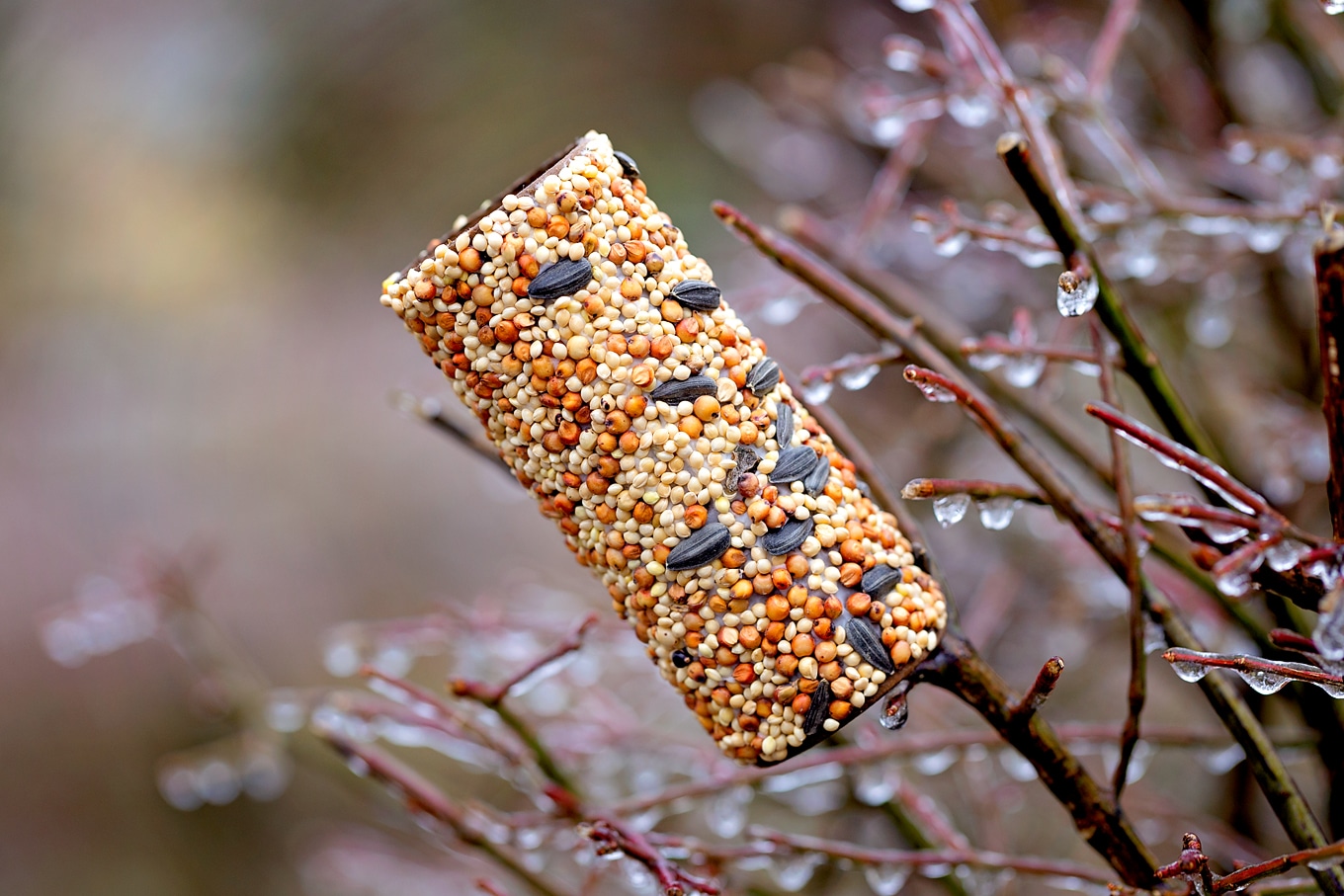
Do you want to bring more birds to your backyard without spending a lot of money or time? Making an easy homemade bird feeder is the perfect way to do just that.
Not only will you enjoy watching colorful birds up close, but you’ll also create a simple project that anyone can do. In this guide, you’ll discover step-by-step instructions to craft your own bird feeder using materials you probably already have at home.
Ready to attract feathered friends and add life to your outdoor space? Let’s get started!
Materials Needed
Gathering the right materials makes building a bird feeder simple and fun. Most items are easy to find around the house or at local stores. Using basic supplies keeps this project budget-friendly.
Choose materials that are safe for birds and can handle outdoor weather. Durable items ensure your feeder lasts through many seasons. Preparing everything first speeds up the building process.
Wooden Board Or Pallet
A small wooden board or pallet forms the base. It should be smooth with no sharp edges to protect birds. Wood offers sturdy support and a natural look.
Bird Seed
Select a mix suitable for local birds. Popular seeds include sunflower, millet, and cracked corn. Avoid salted or flavored seeds as they can harm birds.
String Or Twine
Use strong string or twine to hang the feeder. Natural fibers work best as they are safe and weather-resistant. Measure a length that fits your chosen location.
Plastic Bottle Or Container
A clean plastic bottle or container can hold seeds. It needs to be lightweight and easy to cut. Recycling these items helps reduce waste.
Scissors Or Craft Knife
Scissors or a craft knife will help cut materials precisely. Handle tools carefully and keep them away from children. Sharp edges make clean cuts.
Glue Or Nails
Choose strong glue or small nails to join pieces. Wood glue or hot glue works well for bonding wood. Nails add extra strength if needed.
Paint Or Sealant (optional)
Non-toxic paint or sealant protects the feeder from weather. Bright colors attract birds but avoid toxic chemicals. Let it dry fully before use.

Credit: www.youtube.com
Choosing The Right Location
Choosing the right location for your homemade bird feeder is key to attracting birds and keeping them safe. Birds prefer spots that offer shelter and easy access to food. Picking a good location helps birds feel secure and encourages them to visit often.
Consider the surroundings carefully. A place near trees or bushes gives birds a quick hiding spot from predators. It also offers shade from the sun and protection from strong winds. The feeder should be visible but not too close to heavy foot traffic or loud noises.
Place The Feeder Near Natural Cover
Birds like to stay close to trees, shrubs, or tall plants. These spots provide safety and resting places. Position the feeder within 10 to 20 feet of natural cover. This distance lets birds fly quickly to shelter if danger appears.
Avoid Busy Areas And Noisy Spots
Keep the feeder away from busy walkways or noisy machines. Loud sounds scare birds and stop them from feeding. A quiet, calm area invites more birds to visit and stay longer.
Choose A Spot With Good Visibility
Birds need to see the feeder clearly to find food easily. Open areas with clear sightlines work best. Avoid placing the feeder too close to windows to prevent bird collisions.
Consider Sunlight And Weather Protection
Place the feeder in a spot that gets morning sun. Morning warmth helps birds stay active. Also, choose a location protected from strong winds and heavy rain. Shelter keeps food dry and fresh longer.
Simple Bird Feeder Designs
Simple bird feeder designs bring nature closer to your home. They use everyday items and require little effort. These feeders attract birds, offering them food and shelter. Everyone can make these feeders with basic materials. They are perfect for beginners and kids. Try these easy designs to enjoy birdwatching in your garden.
Bottle Feeder
A bottle feeder uses an empty plastic bottle. Cut small holes near the base to let seeds out. Attach a stick below the holes for birds to perch on. Fill the bottle with birdseed. Hang it from a tree branch using string or wire. This feeder keeps seeds dry and protected from rain.
Pinecone Feeder
A pinecone feeder is simple and natural. Find a large pinecone and cover it with peanut butter. Roll the pinecone in birdseed until fully coated. Tie a string to the top and hang it outside. Birds will peck at the seeds and enjoy the sticky treat. This feeder is great for small birds.
Milk Carton Feeder
Use an empty milk carton to create a sturdy feeder. Cut two openings on opposite sides for birds to enter. Make small perches below each opening with wooden sticks. Paint or decorate the carton if desired. Fill the bottom with birdseed. Hang the carton in a tree for easy bird access.

Credit: www.youtube.com
Step-by-step Assembly
Building your own bird feeder can be a rewarding and fun project. The process is straightforward, and you don’t need fancy tools or materials. Let’s break down the assembly into simple, clear actions that anyone can follow.
Gather Your Materials
Start by collecting everything you need in one place. You’ll want a clean plastic bottle or a small wooden box, some sturdy string or wire for hanging, and birdseed.
- Plastic bottle or wooden box
- Strong string or wire
- Scissors or a small knife
- Birdseed mix
- Optional: a small stick or dowel for perching
Having all materials ready helps you stay organized and speeds up your assembly.
Prepare The Feeder Base
If you’re using a plastic bottle, carefully cut small holes near the bottom on opposite sides. These holes will allow birds to access the seeds. Make sure the holes are smooth and not too big to prevent seeds from spilling out.
For wooden boxes, drill or cut small openings on the sides. You can add a small perch below each opening for the birds to sit on.
Attach The Hanging Mechanism
Use your string or wire to create a secure loop around the top of your feeder. Tie it tightly so it can support the feeder’s weight once filled with seeds.
Check the knot by gently pulling on it. If it feels loose, retie it to avoid any accidents when hanging outdoors.
Fill And Hang Your Feeder
Fill the feeder with birdseed, but avoid packing it too tightly. Birds need easy access to the seeds without struggling to pull them out.
Choose a visible but safe spot to hang your feeder. Near a window or in a quiet garden corner works well to attract birds and enjoy watching them up close.
Maintain And Refill Regularly
Keep your feeder clean by rinsing it every couple of weeks. Wet or moldy seeds can harm birds, so regular maintenance is key.
Refill your feeder before it runs completely empty to keep your feathered visitors happy and coming back.
Selecting Bird Food
Choosing the right bird food helps attract many birds to your feeder. Different birds prefer different foods. Providing a variety creates a welcoming spot for many species. Here are some common types of bird food to consider.
Seeds And Grains
Seeds and grains are popular with many birds. Black oil sunflower seeds attract finches, cardinals, and chickadees. Millet is good for ground-feeders like sparrows and doves. Mixed birdseed blends offer variety to draw more birds.
- Black oil sunflower seeds
- Millet
- Safflower seeds
- Mixed birdseed blends
Suet And Nuts
Suet provides energy, especially in cold weather. Woodpeckers, nuthatches, and wrens enjoy suet cakes. Nuts like peanuts and almonds attract jays and titmice. Offer these in special feeders or wrapped in mesh bags.
- Suet cakes
- Peanuts (unsalted)
- Almonds (chopped)
Fruit Options
Fruits attract fruit-eating birds like orioles and robins. Offer apple slices, orange halves, or berries. Place fruit on platform feeders or skewer on branches. Avoid overripe fruit to prevent mold and insects.
- Apple slices
- Orange halves
- Fresh berries
Maintenance Tips
Keeping your homemade bird feeder clean and well-maintained helps birds stay healthy. Regular care stops mold and dirt from building up. A clean feeder invites more birds to visit and feed safely. Simple maintenance steps protect the feeder and make it last longer.
Cleaning The Feeder Regularly
Wash the feeder every two weeks with warm, soapy water. Use a brush to remove old seeds and dirt. Rinse it well to avoid soap residue. Dry the feeder completely before refilling it. This prevents mold and keeps birds safe.
Checking For Damage
Look for cracks or broken parts often. Fix small damages quickly to stop them from worsening. Replace parts that cannot be repaired. A sturdy feeder protects birds from injury and keeps seeds dry.
Refilling With Fresh Seeds
Use fresh seeds to attract birds. Remove old or damp seeds before adding new ones. Store seeds in a dry place to keep them fresh longer. Fresh seeds are more appealing and healthy for birds.
Placing The Feeder Properly
Hang the feeder in a safe spot away from predators. Choose a shaded area to keep seeds from spoiling. Ensure easy access for cleaning and refilling. A good location encourages more bird visits.
Attracting Different Bird Species
Creating a bird feeder is fun, but attracting different bird species makes it even better. Different birds prefer different foods and feeder styles. Understanding these preferences helps you design a feeder that welcomes many birds. This brings more life and color to your garden or balcony.
Choosing Seeds For Various Birds
Sunflower seeds attract many common birds like finches and chickadees. Nyjer seeds are loved by goldfinches and siskins. Peanuts are favorites for jays and woodpeckers. Mixing seeds increases the chances of diverse visitors.
Selecting Feeder Types
Tube feeders suit small birds such as finches. Platform feeders attract larger birds like doves and cardinals. Suet feeders bring woodpeckers and nuthatches. Offering multiple feeder types invites a wider range of birds.
Adding Natural Elements
Include branches or perches near the feeder. Birds feel safer when they can rest close by. Plant native flowers or shrubs to provide shelter. Water sources like birdbaths also encourage visits.

Credit: www.firefliesandmudpies.com
Frequently Asked Questions
What Materials Are Needed For A Bird Feeder?
To make a homemade bird feeder, you’ll need a plastic bottle, twine, and wooden spoons. Additionally, you’ll need birdseed and a cutter. These materials are affordable and easy to find. They help create a simple bird feeder that attracts birds to your garden.
How Do You Hang A Homemade Bird Feeder?
To hang your bird feeder, tie twine around the bottle’s neck. Ensure it’s secure and loop the twine over a tree branch. Choose a stable location to prevent the feeder from swinging. Hanging it properly will make it easier for birds to access the seeds.
Can Kids Help Make Bird Feeders?
Yes, kids can easily help make bird feeders. It’s a fun and educational activity that teaches about nature. Ensure adult supervision, especially when using cutters. Involving kids promotes creativity and allows them to learn about bird species and their habitats.
How Often Should I Refill The Bird Feeder?
Refill your bird feeder every few days or as needed. Keep an eye on the seed level and top up when it’s low. Regular refilling ensures birds have a consistent food source, attracting them to your garden frequently.
Conclusion
Making a homemade bird feeder brings joy and nature close to home. It uses simple materials anyone can find. Birds will visit and brighten your garden or balcony. Watching them can relax and teach patience. This project also helps protect birds by giving them food.
Try different seeds to see which birds come. Enjoy the sounds and colors of your feathered friends daily. Simple steps lead to great rewards. Start your bird feeder today and welcome nature’s beauty.