
Have you ever wondered if the bird feed in your backyard could be harmful to your dog? You might think it’s harmless, but some common ingredients in bird feed can actually pose serious risks to your furry friend.
If you want to keep your dog safe and avoid unexpected vet visits, it’s important to know what to watch out for. Keep reading to find out which types of bird feed could be toxic and how you can protect your dog from accidental exposure.
Common Ingredients In Bird Feed
Bird feed contains a mix of ingredients designed to attract and nourish wild birds. These ingredients vary depending on the type of bird feed and the birds it targets. Understanding these common components helps to know if bird feed is safe or risky for dogs.
Some ingredients are natural and harmless, while others may pose health risks to pets. Knowing what is inside bird feed can help dog owners protect their pets from accidental ingestion.
Seeds And Grains
Seeds and grains form the main part of most bird feeds. Common seeds include sunflower, millet, safflower, and cracked corn. These seeds provide energy and nutrients for birds.
For dogs, most seeds are not toxic, but large amounts can cause stomach upset or blockages. Grains like cracked corn or wheat may also cause digestive issues if eaten in excess.
Additives And Preservatives
Many commercial bird feeds contain additives to keep the seeds fresh and prevent mold. These include preservatives and sometimes flavor enhancers. Some additives are safe for birds but may irritate a dog’s stomach.
Preservatives such as BHT and BHA are common in bird feed. Although generally recognized as safe in small amounts, dogs may react negatively to these chemicals.
Potentially Harmful Components
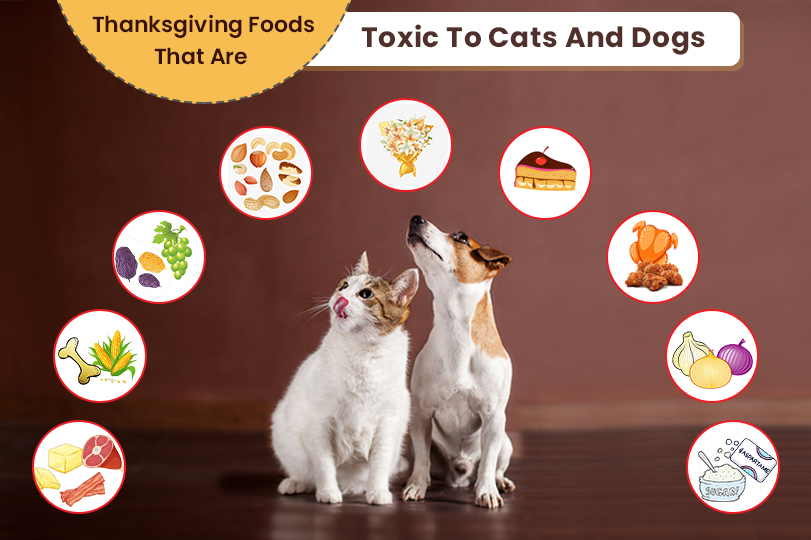
Some bird feeds may contain ingredients harmful to dogs. These include moldy seeds, which produce toxins called mycotoxins. Moldy bird seed can cause vomiting, diarrhea, or worse.
Other harmful parts can be small sharp seed shells or husks. These can cause choking or internal injury in dogs. Also, some bird feeds contain nuts or dried fruit, which may be toxic or cause allergies.
Credit: www.canadapetcare.com
How Bird Feed Affects Dogs
Bird feed might seem harmless, but it can have surprising effects on your dog’s health. Understanding how different ingredients in bird feed interact with your dog’s body can help you keep them safe. Let’s look closely at the main ways bird feed can affect dogs.
Toxicity Risks
Some bird feeds contain ingredients that are toxic to dogs. For example, certain seeds like black oil sunflower seeds may be treated with pesticides or chemicals harmful to pets. If your dog eats these, it could lead to poisoning, causing symptoms like vomiting, diarrhea, or even seizures.
Have you ever caught your dog sneaking a handful of bird feed? It’s easy to overlook, but even small amounts can be risky. Always check the label for additives or preservatives before letting your dog anywhere near bird feed.
Allergic Reactions
Dogs can develop allergies to components found in bird feed. Common allergens include nuts, grains, and specific seeds. If your dog starts scratching, sneezing, or showing skin irritation after eating bird feed, an allergy might be the cause.
Not every dog reacts the same way. Some may tolerate a bit of bird seed while others suffer strong reactions. Monitoring your dog’s behavior after exposure is essential to catch any allergic signs early.
Digestive Issues
Bird feed is not designed for canine digestion. Eating it can cause upset stomach, gas, or diarrhea in dogs. Certain seeds and fillers are hard to digest and can irritate their digestive tract.
I once had a dog that got into bird feed and ended up with a bad stomach ache lasting all night. It was a clear reminder that what’s safe for birds isn’t safe for dogs. If your dog shows signs of digestive distress, consult your vet promptly.
Symptoms Of Bird Feed Poisoning In Dogs
Bird feed can contain ingredients harmful to dogs. Recognizing symptoms early helps protect your pet. Symptoms vary from mild to severe. Watch closely for any unusual signs.
Behavioral Changes
Your dog may act restless or anxious. Sudden aggression or hiding is common. Loss of appetite also signals trouble. Dogs might pace or whine without cause. These changes often appear before physical symptoms.
Physical Signs
- Vomiting or diarrhea
- Excessive drooling
- Weakness or unsteady walking
- Excessive thirst or urination
- Shaking or trembling
- Breathing difficulties
Physical signs can worsen quickly. Some dogs show swelling or skin irritation too.
When To Seek Veterinary Help
Contact a vet immediately if symptoms appear. Rapid action can save your dog’s life. Do not wait for symptoms to get worse. Keep bird feed out of reach to prevent poisoning.

Credit: pupford.com
Common Misconceptions About Bird Feed And Dogs
Many dog owners worry about their pets accidentally eating bird feed. You might have heard different opinions on whether bird feed is harmful or safe for dogs. It’s important to clear up some common misconceptions so you can protect your furry friend without unnecessary stress.
Bird Feed As Safe Treats
Some people think bird feed can be a harmless snack for dogs. After all, it’s just seeds and grains, right? But not all bird feeds are created equal—some contain ingredients like salt, nuts, or dried fruits that might upset your dog’s stomach or cause allergies.
Think about your dog’s sensitivity. Even small amounts of certain seeds, like sunflower seeds with shells, can cause digestive problems. Instead of offering bird feed, it’s safer to stick with treats made specifically for dogs.
Natural Ingredients Are Always Safe
Natural doesn’t always mean safe for dogs. Many bird feeds use natural ingredients, but some plants and seeds that are fine for birds could be toxic to dogs. For instance, certain berries or nuts in bird mixes can lead to vomiting or more serious issues.
Have you checked the ingredient list on your bird feed lately? If you haven’t, it’s worth doing. Knowing exactly what’s in the mix helps you decide if it’s safe to keep around your dog or if it needs to be stored out of reach.
Preventing Dog Exposure To Bird Feed
Keeping your dog safe from bird feed is more important than many pet owners realize. Bird feed can contain ingredients harmful to dogs, such as certain seeds, additives, or even mold. Preventing your dog from accessing bird feed requires thoughtful steps that fit into your daily routine without adding stress.
Safe Storage Tips
Store bird feed in containers with secure lids to keep your dog out. Plastic bins with snap-tight lids or metal containers work well. Avoid leaving bags of feed on the floor or in open areas where your dog can easily reach them.
Place feeders and feed supplies in high cabinets or locked storage spaces. If you feed birds outside, position feeders where your dog cannot jump or reach, such as hanging them from a tall pole or tree branch. Have you checked recently whether your bird feed storage is dog-proof?
Training Your Dog
Teach your dog basic commands like “leave it” or “no” to prevent unwanted snacking on bird feed. Consistency is key—practice these commands daily with treats and rewards. If your dog understands that bird feed is off-limits, you reduce the risk of accidental ingestion significantly.
Use positive reinforcement to reward your dog when they ignore bird feeders or spilled seeds on the ground. This training also helps your dog focus on safer treats and prevents behavioral issues. How confident are you that your dog will ignore bird feed if left unsupervised?
Alternatives For Treats
If your dog is tempted by bird feed, offer healthy alternatives to keep them occupied and satisfied. Chew toys, puzzle feeders, or dog-safe treats redirect their attention. These options provide mental stimulation and satisfy their chewing instincts without risking health problems.
Keep a variety of treats handy during bird feeding times to distract your dog. This simple switch can make a big difference in preventing exposure to harmful bird feed ingredients. What treats does your dog love that could replace their interest in bird feed?
Credit: www.dogster.com
What To Do If Your Dog Eats Bird Feed
Discovering your dog has eaten bird feed can cause worry. Bird feed may contain ingredients harmful to dogs. Acting quickly helps reduce health risks. Knowing what to do right away is important. Follow clear steps to keep your dog safe.
Immediate Actions
- Remove any remaining bird feed from your dog’s reach.
- Check the package for toxic ingredients like mold or additives.
- Observe your dog for unusual behavior or symptoms.
- Try to find out how much your dog ate.
- Do not induce vomiting without veterinary advice.
Veterinary Treatments
- Call your veterinarian and explain the situation clearly.
- Bring the bird feed packaging for ingredient reference.
- Vet may perform blood tests or stomach examination.
- Treatment could include activated charcoal to absorb toxins.
- Fluids may be given to prevent dehydration.
- Medications may help control symptoms like vomiting or diarrhea.
Home Care Tips
- Keep your dog calm and comfortable after the vet visit.
- Provide fresh water to keep your dog hydrated.
- Feed a light, bland diet as recommended by the vet.
- Watch for signs of worsening health or new symptoms.
- Keep bird feed and other harmful items out of reach.
Frequently Asked Questions
Can Bird Feed Harm My Dog?
Bird feed can be harmful to dogs if ingested in large quantities. Some seeds contain additives or preservatives that may upset a dog’s stomach. Always monitor your dog around bird feeders and consult a vet if they consume any unusual substances.
Why Do Dogs Eat Bird Seed?
Dogs may be attracted to bird seed due to its smell or taste. They might also eat it out of curiosity or boredom. Ensure your pet has a balanced diet and plenty of stimulation to prevent them from seeking out non-food items.
What Symptoms Indicate Bird Feed Poisoning In Dogs?
Symptoms of bird feed poisoning include vomiting, diarrhea, and lethargy. Your dog may also show signs of abdominal pain or bloating. If you notice any of these symptoms, contact your veterinarian immediately for advice and possible treatment.
How Can I Prevent My Dog From Eating Bird Feed?
To prevent your dog from eating bird feed, place feeders out of their reach. Clean up any spilled seeds promptly. Training your dog to ignore bird feeders and providing them with engaging toys can also help in reducing interest.
Conclusion
Bird feed can harm dogs if eaten in large amounts. Some ingredients may cause stomach upset or choking. Always keep bird food out of your pet’s reach. Watch your dog closely during outdoor time. Choose safe snacks designed specifically for dogs.
Protect your furry friend by staying informed and careful. Safe habits make happy pets and worry-free owners.