
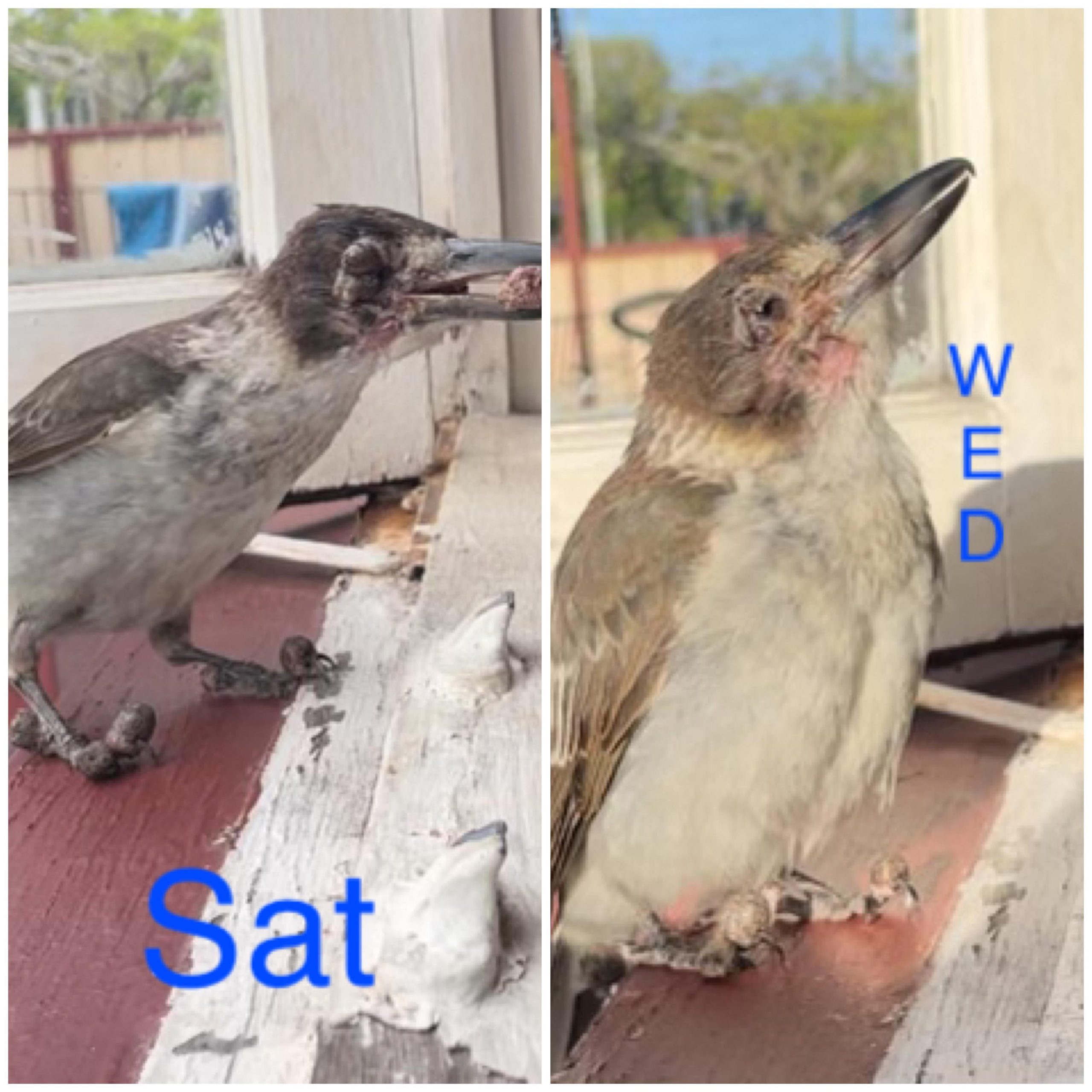
Are you wondering what to feed a baby butcher bird to help it grow strong and healthy? Feeding a young bird can feel tricky, especially when you want to give it the right nutrients.
You might be asking yourself, “What exactly does a baby butcher bird eat? ” This guide will clear up your doubts and give you simple, practical advice. By the end, you’ll feel confident in providing the best care for your feathered friend.
Keep reading to discover the key foods that will keep your baby butcher bird thriving.
Baby Butcher Bird Basics
Feeding a baby butcher bird requires understanding its early needs. These birds are unique with specific habits. Knowing their basics helps provide the right care and nutrition. This section covers essential facts about baby butcher birds, including their species and growth stages.
Species Overview
Butcher birds belong to the family Cracticidae. They have sharp beaks and strong claws. These birds are known for their hunting skills. They catch insects, small birds, and reptiles. The most common species is the Grey Butcherbird. It lives in Australia and nearby islands. Baby butcher birds depend on their parents for food. Their diet mainly consists of protein-rich prey. This diet supports fast growth and development.
Growth Stages
Baby butcher birds grow quickly in the first few weeks. Their eyes open around one week old. Parents feed them soft, chopped meat. They need frequent feeding every few hours. At two weeks, feathers start to grow. By three weeks, they begin to explore the nest. Parents teach them to hunt after fledging. At this stage, their diet shifts to whole prey. Growth requires high protein and vitamins. Proper feeding helps build strong muscles and feathers.
Natural Diet In The Wild
Baby butcher birds rely on a natural diet in the wild that keeps them healthy and strong. Their parents carefully select food that fits their nutritional needs. Understanding this natural diet helps in providing proper care if you ever need to feed a baby butcher bird.
Common Prey Types
Butcher birds mainly eat small animals and insects. Their natural prey includes:
- Grasshoppers
- Beetles
- Small lizards
- Spiders
- Small birds and their chicks
These foods are rich in protein and easy for the baby to digest. Parents catch prey and tear it into small pieces for the chicks.
Feeding Behavior
Parent butcher birds feed their young frequently. They bring fresh prey multiple times a day. The parents tear food into bite-sized portions. This helps the baby swallow easily.
Feeding is fast and efficient. The baby bird learns to recognize food by watching its parents. This natural process builds strong eating habits.
Feeding Needs For Baby Butcher Birds
Feeding a baby butcher bird requires careful attention to its unique dietary needs. These young birds rely on a diet that supports rapid growth and strong development. Understanding what nutrients they need and how often to feed them can make a big difference in their health and survival.
Nutritional Requirements
Baby butcher birds need a high-protein diet to build muscle and develop feathers. Their natural diet mainly includes insects, small lizards, and occasionally small birds, which provide essential amino acids and fats. You can replicate this by offering chopped insects like crickets, mealworms, and finely minced lean meat.
Don’t forget to add small amounts of calcium, which is vital for bone strength. Crushing eggshells or providing a calcium supplement can help. Also, ensure the food is soft enough for the baby to swallow easily but still contains enough texture to encourage chewing.
Feeding Frequency
Baby butcher birds have fast metabolisms and need frequent feeding throughout the day. In the first week, feeding every 20 to 30 minutes during daylight hours is necessary. As they grow, you can gradually reduce feeding to every hour or two.
Pay close attention to their hunger signals. If they are begging persistently, it’s a sign they need more food. Overfeeding can be harmful too, so balancing the amount and timing is key to their wellbeing.

Credit: www.youtube.com
Suitable Foods For Baby Butcher Birds
Feeding a baby butcher bird requires careful choice of foods to ensure healthy growth. Their diet needs to be rich in nutrients and easy to digest. Proper nutrition supports strong bones and sharp beak development. Baby butcher birds thrive on a mix of protein and supplemental foods that mimic their natural diet.
Protein Sources
Protein is vital for muscle and feather development. Baby butcher birds mainly eat insects and small animals. Suitable protein options include:
- Small live insects like crickets and mealworms
- Soft pieces of cooked chicken or lean meat
- Hard-boiled eggs mashed finely
- Commercially available insectivore bird food
These options provide essential amino acids and energy. Avoid feeding hard or large pieces that may choke the baby bird.
Supplemental Foods
Supplemental foods add vitamins and minerals. They help balance the diet and aid digestion. Include:
- Mashed fruits like banana, apple, or pear
- Soft vegetables such as peas or carrots, finely chopped
- Bird-specific vitamin supplements, if recommended by a vet
- Soaked dog kibble, softened for easy eating
These foods should be fresh and free from pesticides. Avoid sugary or salty human snacks. A balanced diet leads to a strong and healthy baby butcher bird.
Feeding Techniques
Feeding a baby butcher bird requires patience and the right techniques to ensure they grow strong and healthy. The way you feed them affects their development and bonding with you. Using proper feeding methods can prevent health issues and build trust between you and your feathered friend.
Hand-feeding Tips
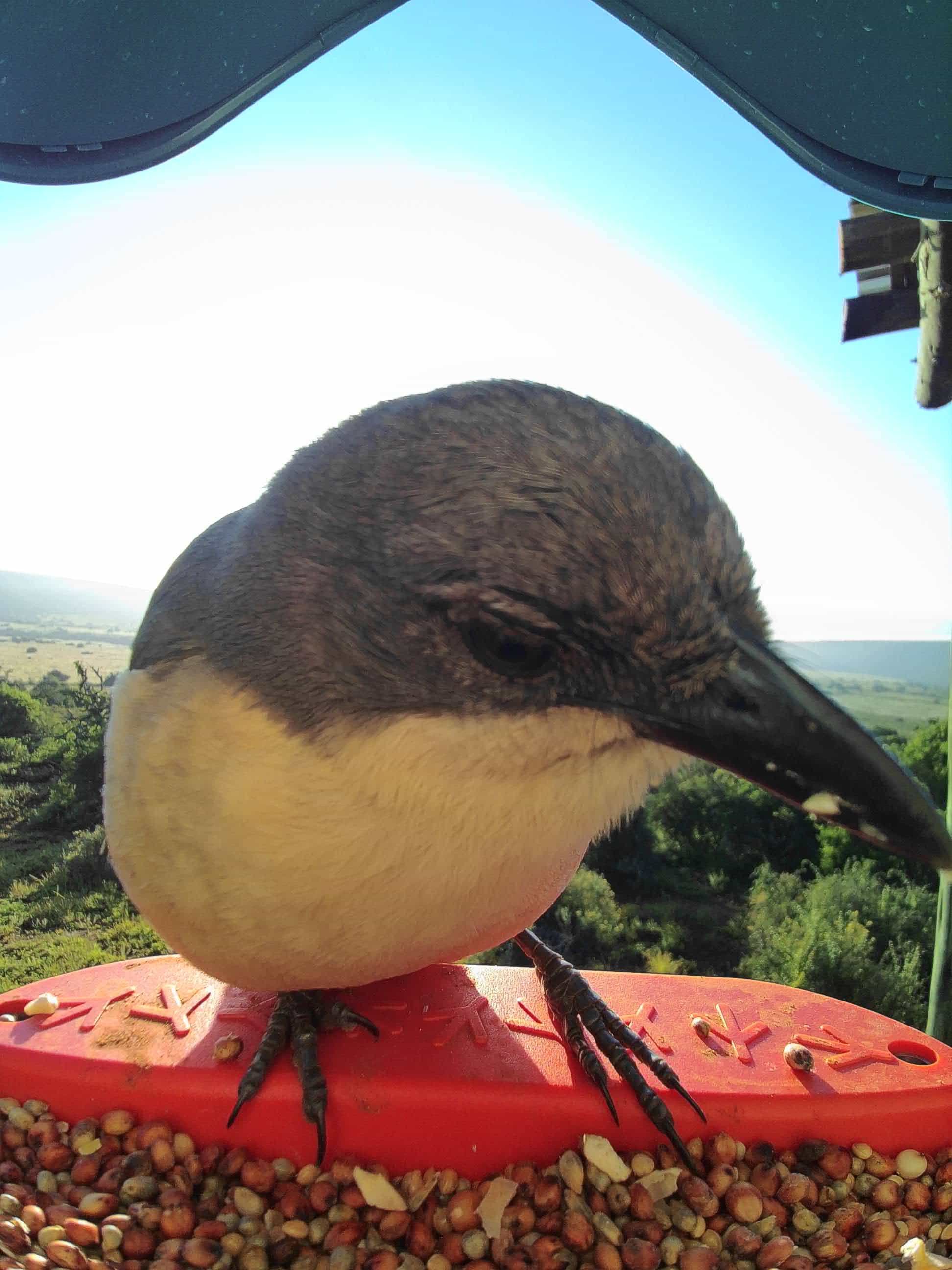
Start by warming the food to about body temperature. Cold food can upset the baby bird’s sensitive digestive system.
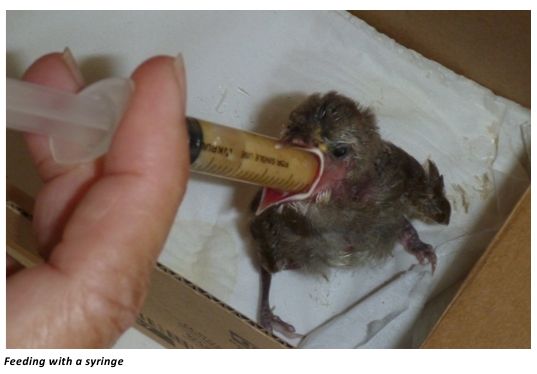
Use a small, soft syringe or a spoon to offer the food gently. Avoid forcing the food too quickly—let the bird open its mouth naturally.
Keep the feeding sessions calm and quiet. Sudden movements or loud noises can stress the baby butcher bird.
Hold the bird securely but gently to prevent injury. Your hand should support its body without squeezing.
Watch for signs that the bird is full, like closing its mouth or turning away. Overfeeding can cause choking or digestive problems.
Avoiding Feeding Mistakes
Don’t feed the baby butcher bird food that’s too thick or chunky. It needs soft, easily digestible meals.
Avoid giving water directly through a syringe as it can cause aspiration. Instead, provide moisture through the food itself.
Never feed your bird human food with salt, sugar, or spices. These can be harmful and disrupt their nutrition.
Be cautious with the feeding frequency—too often or too little can affect growth. Stick to a consistent schedule based on age and appetite.
Have you ever noticed how a slight change in feeding routine impacts your bird’s behavior? Paying attention to these details helps you adjust and improve care.
Credit: app.mybirdbuddy.com
Common Feeding Challenges
Feeding a baby butcher bird can be rewarding, but it often comes with its own set of challenges. Understanding these common issues helps you respond effectively and keep your young bird healthy and happy. Let’s look at some typical hurdles you might face while feeding your baby butcher bird.
Refusal To Eat
Sometimes, baby butcher birds may refuse to eat, which can be worrying. This could happen if the food is the wrong temperature or texture. Have you tried warming the food slightly or offering smaller, more frequent meals?
Another reason for refusal might be stress or fear, especially if the bird is new to your care. Speaking softly and gentle handling can encourage your bird to accept food. Observing its behavior closely can give you clues about what it prefers.
Health Concerns
Feeding problems can also signal underlying health issues. If your baby butcher bird is lethargic, has unusual droppings, or shows signs of injury, its appetite may drop. In such cases, a visit to an avian vet is crucial.
Parasites, infections, or digestive problems often affect feeding habits. You might notice your bird struggling to swallow or spitting out food. Monitoring these signs early can prevent serious complications and support a quicker recovery.
Transitioning To Adult Diet
Transitioning a baby butcher bird to an adult diet is a crucial stage in its growth. This phase helps build strength and prepares the bird for life outside the nest. The process requires patience and care to ensure the bird adapts well to new foods and textures.
Weaning Process
The weaning process involves reducing the amount of hand-feeding gradually. Start by offering less liquid food and more solid food. This encourages the bird to eat on its own. Watch the bird closely to ensure it is eating enough. Never rush the process; each bird adapts at its own pace.
Keep the feeding environment calm and quiet. This reduces stress and helps the bird focus on eating. If the bird refuses food, try offering small, frequent meals. Patience is key during weaning to avoid health problems.
Introducing Solid Foods
Introducing solid foods is the next step after initial weaning. Offer soft foods like small insects, finely chopped fruits, and vegetables. These foods mimic the bird’s natural diet. Gradually add harder items like seeds and nuts as the bird grows stronger.
Use shallow dishes to make food easy to reach. Change food daily to keep it fresh and appealing. Avoid foods that are toxic to birds, such as avocado and chocolate. Monitor the bird’s response to new foods and adjust accordingly.
Safety And Hygiene Practices
Keeping your baby butcher bird safe and healthy starts with strict safety and hygiene practices. Handling food and feeding tools carefully prevents infections and illnesses that could harm your bird. Let’s look at how you can prepare food and clean feeding tools to protect your little feathered friend.
Food Preparation
Always wash your hands before preparing food for your baby butcher bird. This simple habit stops germs from transferring to the food. Use fresh ingredients and avoid leftovers that have been sitting out too long.
Cut food into small, manageable pieces to avoid choking. Mixing proteins like finely chopped lean meats with soft fruits can provide balanced nutrition. Are you checking the temperature of the food? Feeding your bird food that’s too hot or cold can cause discomfort.
Sanitizing Feeding Tools
Feeding tools like bottles, syringes, and bowls need daily cleaning. Use hot soapy water and rinse thoroughly to remove all soap residues. After washing, soak these tools in a mild bleach solution (one part bleach to ten parts water) for a few minutes to kill bacteria.
Allow feeding tools to air dry completely before reuse. Avoid sharing feeding tools between birds without proper sanitation to prevent cross-contamination. Do you have a dedicated space to clean and store these tools? Keeping this area clean is just as important as cleaning the tools themselves.
Credit: besgroup.org
Frequently Asked Questions
What Do Baby Butcher Birds Eat In The Wild?
Baby butcher birds primarily eat insects, small vertebrates, and occasionally fruits. Their diet consists of beetles, caterpillars, and small reptiles. Parents provide food by catching prey and feeding it to their chicks. This diverse diet ensures they receive essential nutrients for growth and development.
Can You Feed A Baby Butcher Bird Meat?
Yes, you can feed baby butcher birds small pieces of fresh meat. Ensure it’s unseasoned and cut into manageable sizes. Meat provides essential proteins and nutrients for their development. Always avoid processed meats or those containing additives, as they can harm the bird.
Are Seeds Suitable For Baby Butcher Birds?
Seeds are not suitable for baby butcher birds. Their diet relies heavily on proteins from insects and meat. Seeds lack the essential nutrients required for their growth. It’s important to mimic their natural diet to ensure they thrive and develop properly.
How Often Should You Feed A Baby Butcher Bird?
Feed a baby butcher bird every few hours during daylight. Their fast metabolism requires frequent feeding to sustain growth. As they mature, reduce feeding frequency gradually. Always ensure they have access to clean, fresh water alongside their meals.
Conclusion
Feeding a baby butcher bird needs care and the right food. Offer small insects, soft fruits, and protein-rich treats. Avoid giving anything too hard or large. Keep meals frequent and fresh to help growth. Watch the bird’s reaction and adjust food as needed.
Helping a baby butcher bird eat well supports its health. Patience and attention make feeding easier and successful. Enjoy watching the young bird grow strong and healthy.