
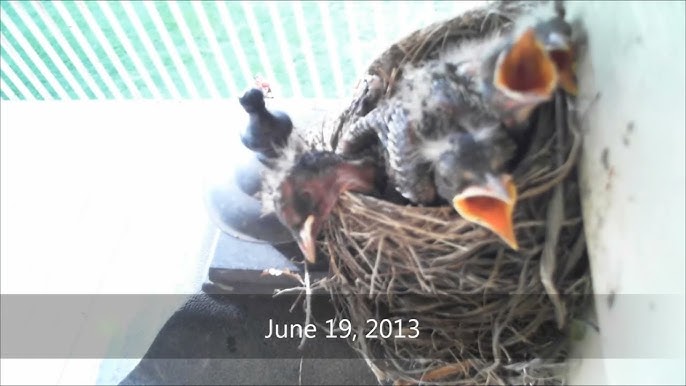
Finding an abandoned baby bird can be both heartbreaking and confusing. You want to help, but you might not know where to start or what the bird needs to survive.
Feeding a tiny, fragile creature takes careful steps—and your actions can make a huge difference between life and death. If you want to learn exactly how to feed an abandoned baby bird safely and effectively, keep reading. This guide will give you clear, simple instructions to give that little bird the best chance at survival.
Identifying An Abandoned Baby Bird
Finding a baby bird alone can be heart-wrenching, but before rushing to help, you need to know if it’s truly abandoned. Identifying an abandoned baby bird is crucial because many young birds appear alone but are still being cared for by their parents. Understanding the difference between a bird that needs help and one that doesn’t can save you time and prevent unnecessary stress for the bird.
Signs Of Abandonment
Look carefully for signs that a baby bird has been left without care. A truly abandoned bird often shows these signs:
- Silent and still:If the bird is quiet and not calling for its parents, it might be weak or abandoned.
- Visible injuries or dehydration:Dry skin, sunken eyes, or lack of movement can indicate neglect.
- Cold to the touch:Healthy nestlings are usually warm because their parents keep them cozy.
- No nest nearby:If the bird is far from any nest and the surrounding area lacks signs of parental activity, help may be needed.
Have you ever found a bird and wondered if the parents were just out hunting? Patience is key — sometimes parents are nearby but cautious. Watch quietly for a while before intervening.
Differences Between Nestlings And Fledglings
Knowing if the baby bird is a nestling or fledgling helps you decide how to assist. Nestlings are very young, usually featherless or with sparse feathers, and completely dependent on their parents. Fledglings have more feathers and may be learning to fly, often hopping around on the ground.
| Characteristic | Nestling | Fledgling |
|---|---|---|
| Feather Coverage | Little to none, mostly bare skin | Mostly feathered, can fly short distances |
| Mobility | Cannot walk or hop well | Can hop and flutter, exploring ground |
| Dependence | Fully dependent on parents for feeding | Partially independent but still fed by parents |
| Location | Usually found in or near the nest | Often on the ground or low branches |
Have you noticed how fledglings might look awkward but are actually practicing flying? Often, they don’t need rescuing but just some space. Understanding these differences ensures your help is appropriate and timely.
Immediate Steps To Take
Finding an abandoned baby bird can be stressful. Acting quickly helps improve its chances of survival. Start by taking some immediate steps to ensure the bird stays safe and healthy. These actions prepare the bird for proper care and feeding.
Ensuring Safety
First, move the bird to a quiet and warm place. Avoid loud noises and bright lights. Use a small box lined with soft cloth or paper towels to keep it comfortable. Keep pets and children away to prevent stress or injury. Handle the bird gently to avoid causing harm.
Checking For Injuries
Look closely for any signs of wounds or bleeding. Check if the bird can move its wings and legs normally. Notice if it is breathing smoothly without gasping. If the bird has visible injuries, contact a wildlife rehabilitator or vet right away. Avoid feeding or giving water to an injured bird without expert advice.
Creating A Temporary Nest
Creating a temporary nest is a crucial step when you find an abandoned baby bird. It offers the little one a safe place to rest and stay warm while you figure out the next steps. A well-made nest can reduce stress for the bird and increase its chances of survival.
Materials To Use
Choose soft and natural materials that mimic the comfort of a real nest. Cotton balls, shredded paper towels, or clean tissue paper work well. Avoid anything that can unravel or get tangled around the bird’s legs, like yarn or string.
You can also line the nest with dry grass or small leaves if you have access to them. These provide a natural feel and help with insulation. Make sure everything is clean to prevent infections.
Nest Placement Tips
Place the nest in a quiet, sheltered spot away from direct sunlight and strong winds. A cardboard box or a small container with ventilation holes can serve as a good base. Keep it off the ground to protect the bird from pets or other animals.
Think about warmth and safety. If it’s chilly, you might add a warm water bottle wrapped in a cloth nearby—but never place the bird directly on it. Ask yourself, “Would I feel safe resting here if I were this tiny bird?” This perspective helps you make better choices for the nest location.
Credit: besgroup.org
Feeding Essentials
Feeding an abandoned baby bird requires careful attention to what and how you feed it. Proper nutrition supports its growth and survival. The feeding essentials cover the right food choices and what to avoid. This knowledge helps prevent harm and promotes healthy development.
Choosing The Right Food
Baby birds need food rich in protein and moisture. Most wild baby birds eat insects or worms. Soft foods are easier to swallow and digest. Suitable options include:
- Moistened dog or cat kibble (ground fine)
- Boiled eggs mashed into a paste
- Insects like mealworms or crickets
- Specialized hand-feeding formula for birds
Always offer food at room temperature. Cold food can upset their stomach. Avoid large chunks that may cause choking.
Avoiding Harmful Foods
Certain foods can harm baby birds. Do not feed bread, milk, or seeds not suited for their species. These can cause malnutrition or illness.
- No bread or crackers – low nutrition, hard to digest
- No cow’s milk – birds lack enzymes to digest it
- No processed human foods – contain salt and additives
- No citrus or spicy foods – can irritate their digestive system
Feeding wrong foods can lead to dehydration or death. Stick to natural, safe options. When in doubt, consult a wildlife expert or rehabilitator.
Feeding Techniques
Feeding an abandoned baby bird requires patience and careful attention. The right feeding techniques can make the difference between life and death for these tiny creatures. Knowing how often and how to feed them safely ensures they get the nutrients they need without harm.
Proper Feeding Frequency
Newborn birds need feeding every 15 to 20 minutes from dawn until dusk. As they grow, this interval extends to about every 30 minutes, then every hour. Watch the bird’s behavior closely—if it opens its mouth eagerly, it’s hungry and ready for more.
Are you prepared to commit to this demanding schedule? Missing feedings can cause serious health problems. Keep a detailed log to track feeding times and avoid mistakes.
Safe Feeding Methods
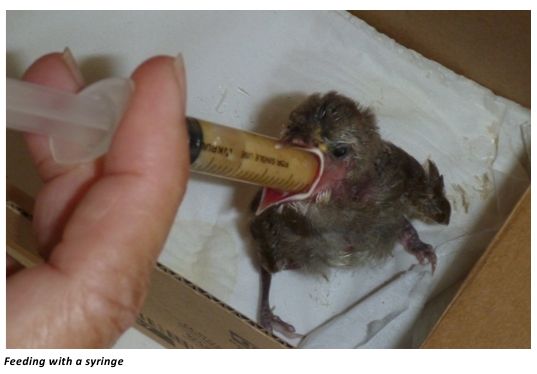
Use a small, soft tool like a syringe or a dropper to feed the bird gently. Never force the food; allow the bird to swallow at its own pace. Feeding too fast or using a large utensil can cause choking or aspiration.
Always hold the bird upright to prevent food from entering its lungs. Warm the food to about body temperature—too hot or too cold can be dangerous. Avoid giving water directly, as baby birds get moisture from their food.
- Prepare a smooth, easy-to-swallow formula tailored for baby birds.
- Feed small amounts gradually, watching for signs of fullness.
- Keep feeding tools clean to avoid infections.
Have you checked the temperature and texture of the food before feeding? A small adjustment here can save the bird from distress.

Credit: tracyaviary.org
Hydration Needs
Hydration is vital for the survival of an abandoned baby bird. Without enough water, their tiny bodies can quickly weaken, making feeding and recovery much harder. Understanding how to safely provide water and recognize signs of dehydration can make a huge difference in your care efforts.
Providing Water Safely
Never force water directly into the bird’s mouth with a syringe or dropper—it can cause choking or aspiration. Instead, offer small amounts of water using a shallow dish or a dampened cotton ball. Let the bird sip or lick at its own pace.
If the bird is too weak to drink, gently moisten its beak with a drop of water to encourage swallowing. Avoid giving cold water; room temperature water is best to prevent shocking the bird’s system. Remember, hydration is just as important as food, but it must be done carefully to avoid harm.
Signs Of Dehydration
Watch for these signs to know if your baby bird needs more fluids:
- Dry or wrinkled skin
- Sunken eyes
- Lethargy or weakness
- Sticky or dry mouth
If you notice any of these, it’s time to increase hydration efforts immediately. Dehydration can worsen quickly, so acting early can save the bird’s life. Have you ever noticed how subtle these signs can be? Staying alert is key.
When To Seek Professional Help
Knowing when to seek professional help is vital for the survival of an abandoned baby bird. Some situations require expert care beyond basic feeding. Recognizing these moments ensures the bird gets the right treatment quickly. Early intervention often makes the difference between life and death.
If the bird shows signs of injury, illness, or extreme weakness, avoid handling it too much. Professionals have the tools and knowledge to care for fragile birds properly. They can provide medical attention and specialized feeding techniques that a layperson cannot.
Wildlife Rehabilitators
Wildlife rehabilitators are trained in caring for wild birds and animals. They understand the specific needs of different bird species. These experts provide a safe environment for the bird to heal and grow.
Rehabilitators also prepare birds for release back into the wild. They have permits to care for protected species legally. Contacting a local wildlife rehab center is the best step for an abandoned bird needing help.
Veterinary Care
Veterinarians with wildlife experience offer medical care for injured or sick baby birds. They can diagnose infections, parasites, or other health problems. Vets can also treat wounds and provide fluids or medications.
Visiting a vet is critical if the bird is not eating, breathing poorly, or has visible injuries. Proper medical care improves the chances of recovery. A vet can advise on ongoing care or refer you to a rehabilitator.
Preparing For Release
Preparing an abandoned baby bird for release is a delicate process that requires careful attention and patience. You want to ensure the bird is ready to survive on its own without sudden exposure to the wild. This phase is about balancing care with independence, helping the bird grow strong and confident enough to thrive outside your help.
Monitoring Growth
Keep a daily record of the bird’s weight and feather development. This helps you spot if it’s gaining strength or if there are any health issues early on. For example, if the bird’s weight plateaus or drops, it might need more nutrition or a vet check.
Watch how the bird eats and moves. Is it becoming more active? Are its feathers filling in evenly? These small signs tell you if it’s ready for the next steps.
Encouraging Natural Behaviors
Start introducing the bird to its natural environment gradually. Place it in a safe outdoor space where it can experience fresh air and natural sounds without predators nearby. This exposure teaches the bird about its surroundings and reduces shock when fully released.
Encourage the bird to practice flying and foraging. You can toss small bits of food nearby to stimulate its hunting instincts. Have you noticed how shy the bird is about pecking at new objects? Patience here builds confidence.
- Provide twigs or leaves for the bird to explore.
- Limit hand-feeding to promote self-feeding skills.
- Observe how it interacts with natural elements like water or dirt.
Preparing a baby bird for release means stepping back just enough to let nature take over, but not so much that the bird feels abandoned too soon. How will you know the perfect moment to let it go?

Credit: www.youtube.com
Frequently Asked Questions
How Do I Identify An Abandoned Baby Bird?
To identify an abandoned baby bird, observe for a few hours. Parents may be nearby gathering food. Check for any visible injuries or distress signs. If the bird seems healthy and the parents do not return, it might be abandoned.
What Should I Feed An Abandoned Baby Bird?
Feed an abandoned baby bird with a soft, moist diet. Use a mixture of pet food, boiled egg, and moistened bread. Avoid giving milk or bread alone. Offer small, frequent feedings using a dropper or a soft spoon.
How Often Should I Feed A Baby Bird?
Feed a baby bird every 15-30 minutes from sunrise to sunset. Baby birds require frequent meals due to their high metabolism. As they grow, gradually increase the time between feedings.
Can I Give Water To A Baby Bird?
Avoid giving water directly to a baby bird. They can inhale it and choke. Instead, provide moisture through their food. As they mature, introduce a shallow dish of water for them to explore.
Conclusion
Feeding an abandoned baby bird takes care and patience. Use the right food and feed small amounts often. Keep the bird warm and safe during feeding times. Watch for signs of illness or weakness. Help from a wildlife expert is best when possible.
Your gentle care gives the bird a better chance to grow strong. Every small effort matters in saving a tiny life. Keep learning and stay calm throughout the process. You can make a real difference for these fragile creatures.