
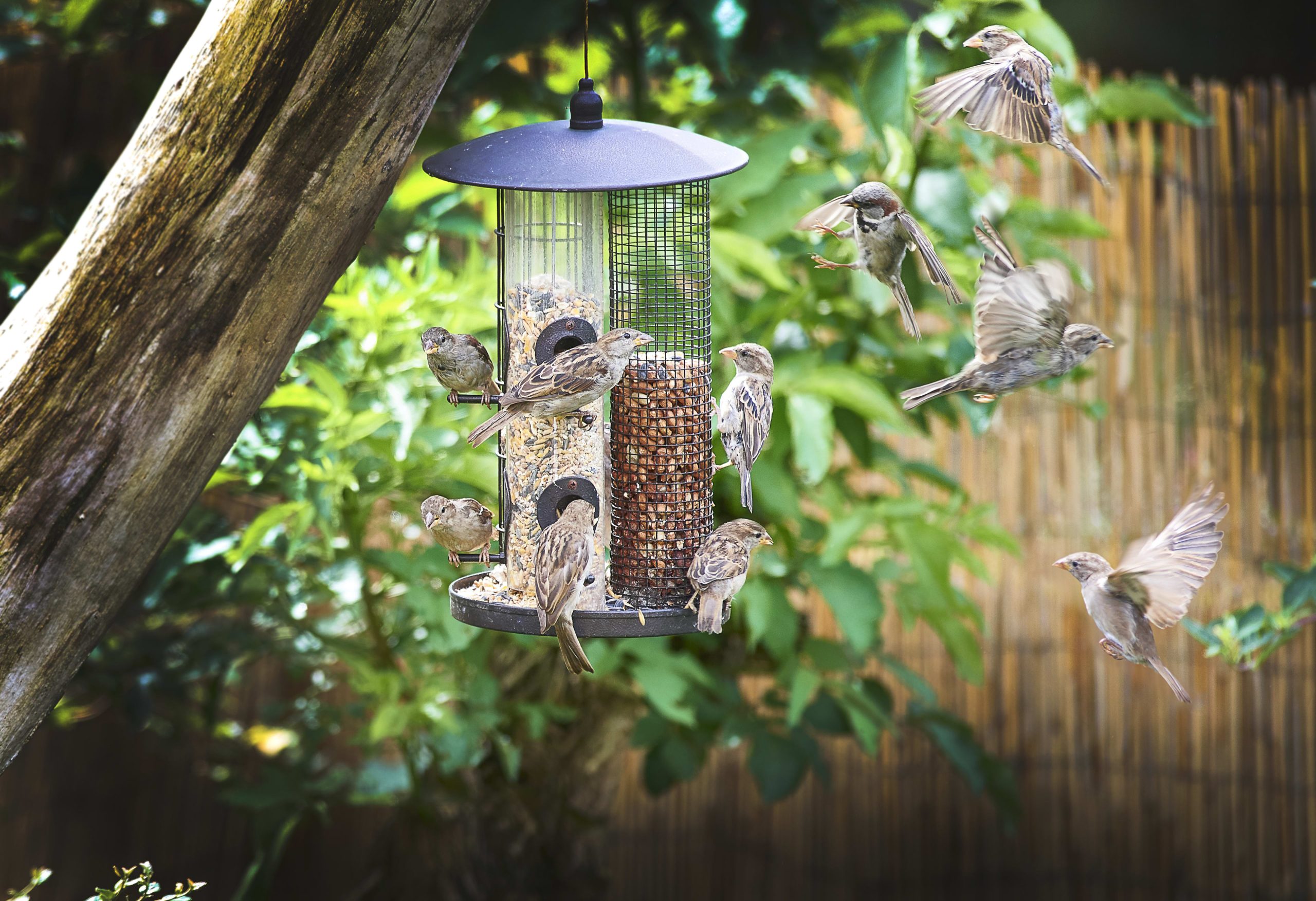
If you love watching birds in your backyard, you probably want to know the best foods to attract them. Feeding birds isn’t just about tossing out any seeds; it’s about giving them the right nutrition to keep them healthy and happy.
Imagine your yard filled with colorful birds chirping and fluttering around, all because you chose the perfect snacks for them. You’ll discover exactly what to feed your backyard visitors so they keep coming back—and you won’t want to miss these simple tips that make a big difference.
Ready to turn your backyard into a bird paradise? Let’s dive in!
Best Seeds For Backyard Birds
Choosing the best seeds attracts a variety of birds to your backyard. Different birds prefer different seeds, so offering a mix ensures more visitors. Seeds provide essential nutrients and energy for birds, especially in colder months. Here are some popular seed options that backyard birds love.
Sunflower Seeds
Sunflower seeds are a favorite among many birds. Their high oil content gives birds plenty of energy. Black oil sunflower seeds are easier for small birds to crack open. These seeds attract cardinals, chickadees, finches, and woodpeckers. Sunflower seeds also do not spoil quickly, making them ideal for feeders.
Millet And Sorghum
Millet is a small, round seed loved by ground-feeding birds. Sparrows, doves, and juncos enjoy millet the most. White proso millet is common in birdseed mixes. Sorghum, also called milo, is a larger seed often eaten by doves and pigeons. Both seeds are affordable and good for attracting many bird species.
Nyjer And Thistle
Nyjer seeds are tiny and rich in oil, perfect for finches. Goldfinches, redpolls, and siskins prefer nyjer. These seeds require special feeders with small holes to prevent spillage. Thistle seed is another name for nyjer, often sold in finch mixes. Offering nyjer attracts beautiful and colorful birds to your yard.
Fruits And Vegetables Birds Love
Fruits and vegetables are natural treats that many backyard birds enjoy. Offering these fresh foods can attract a variety of species and add color and life to your outdoor space. You might be surprised how quickly birds find and flock to these healthy snacks.
Berries And Grapes
Berries like blueberries, raspberries, and blackberries are favorites for many birds. They are easy to offer—just scatter them on a platform feeder or directly on the ground. Grapes, especially cut in halves, are also popular; their juicy sweetness draws in robins, cardinals, and even woodpeckers.
Have you noticed how birds seem to prefer berries over seeds? It’s because berries provide natural sugars and hydration, making them a perfect energy source during migration or cold weather.
Apples And Pears
Apples and pears are excellent fruits to feed birds, especially in cooler months when insects are scarce. Cut them into slices or small chunks to make it easier for birds to eat. Orioles, grosbeaks, and waxwings often visit feeders with these fruits.
Try placing apple or pear pieces on a suet feeder or hang them from a tree branch. This setup mimics how birds find fruits in nature and encourages natural foraging behavior. How might your backyard change if you offered these fruits regularly?
Leafy Greens
Leafy greens such as spinach, kale, and lettuce provide essential vitamins and minerals. Many birds, like doves and pigeons, enjoy pecking at fresh greens. You can lay out chopped greens on a flat surface or mix them into your feeding area.
Be sure to rinse greens thoroughly and avoid any wilted or spoiled leaves. Fresh greens not only nourish birds but also diversify their diet beyond seeds and insects. What fresh greens could you introduce to your bird feeding routine today?
Nuts And Suet Options
Nuts and suet are top choices for feeding birds in your backyard, especially when you want to attract a variety of species. These foods provide essential fats and proteins that many birds need, particularly during colder months. Offering these options can keep your feathered visitors energetic and healthy.
Peanuts And Almonds
Peanuts and almonds are favorites among many birds like jays, woodpeckers, and chickadees. Make sure to offer unsalted and shelled nuts to avoid harming the birds. You can scatter them on a platform feeder or hang them in mesh bags.
Have you noticed how quickly squirrels find peanuts? To keep nuts safe for birds, try using squirrel-proof feeders. This way, your nuts reach the birds, not the local squirrel squad.
Suet Cakes And Mixes
Suet cakes are a fantastic energy source, especially during winter when birds burn more calories to stay warm. These cakes often contain seeds, nuts, and dried fruits mixed into animal fat, making them irresistible. You can buy ready-made suet or make your own at home with simple ingredients.
Place suet cakes in a specialized feeder to keep them secure and clean. Have you ever seen woodpeckers cling upside down to suet feeders? It’s a treat that brings lively action to your backyard.
Credit: dengarden.com
Foods To Avoid For Birds
Feeding birds in your backyard is a wonderful way to enjoy nature. But some foods can harm them. Knowing what to avoid keeps birds safe and healthy. Avoid feeding anything that can cause illness or injury. This helps birds thrive and visit often.
Toxic Foods
Some common foods are poisonous to birds. Avoid these at all costs:
- Avocado:Contains substances toxic to many bird species.
- Chocolate:Harmful chemicals can cause serious illness.
- Caffeine:Found in coffee and tea, it can be deadly.
- Onions and garlic:These can damage bird blood cells.
- Alcohol:Even small amounts are very dangerous.
Keep these foods away from bird feeders and your yard.
Processed And Salty Items
Processed foods often contain salt and additives harmful to birds. Avoid feeding:
- Chips, crackers, and pretzels
- Salty nuts and seeds
- Fast food leftovers
- Candy and sugary snacks
- Processed meats like sausage or hot dogs
Salt causes dehydration and kidney problems in birds. Sugary foods disrupt their natural diet. Stick to natural, fresh, and unseasoned foods.
Seasonal Feeding Tips
Feeding birds in your backyard changes with the seasons, and adjusting their diet can make a huge difference in their health and happiness. Different times of the year bring different challenges and opportunities for feeding. Understanding what to offer during each season keeps your feathered friends coming back and thriving.
Winter Nourishment
Cold weather means birds need more energy to stay warm. High-fat foods like suet and peanuts provide the calories they need. You can also offer sunflower seeds and dried fruits, which are easy to store and attract a variety of species.
Have you noticed how birds fluff up their feathers in winter? This helps trap heat, but they still need extra fuel. Try adding a heated birdbath to your setup; it keeps water from freezing and encourages regular visits.
Summer Snacks
In summer, birds focus more on hydration and protein. Fresh fruit slices like watermelon or berries can provide moisture and natural sugars. Mealworms are an excellent protein source that many birds love during breeding season.
Think about the insects your local birds eat naturally. You can supplement this by planting native flowers that attract bugs or offering protein-rich snacks directly. This approach supports their natural diet and helps young birds grow strong.

Credit: www.birdfeederco.com
Choosing The Right Feeders
Choosing the right feeders helps attract different bird species to your backyard. Each feeder style suits specific seed types and bird behaviors. This choice improves bird watching and keeps seeds fresh longer. It also reduces waste and mess around your feeding area.
Tube And Hopper Feeders
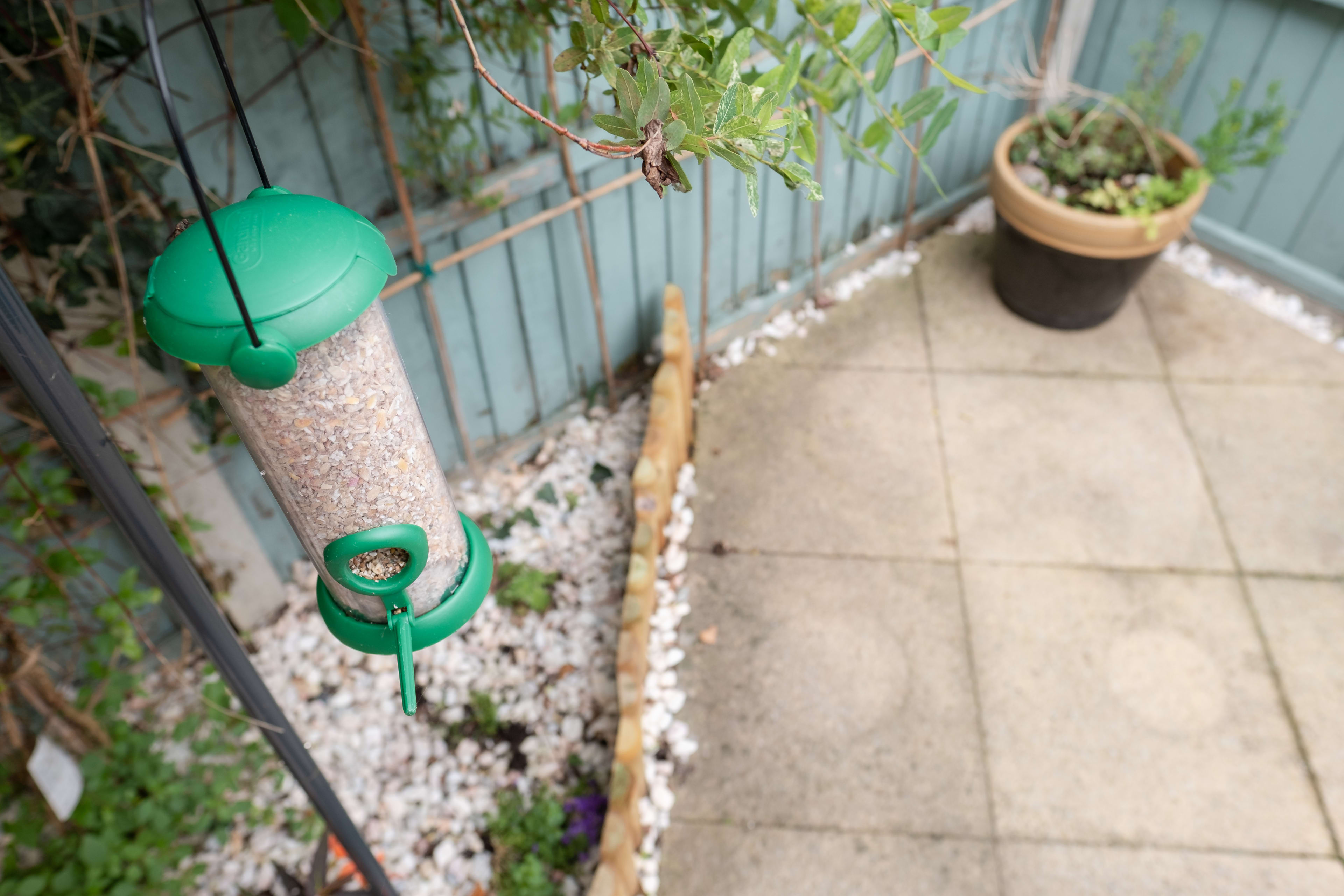
Tube feeders are long and narrow with small feeding ports. They work well for small seeds like sunflower and millet. Hopper feeders hold more seed and have a roof to protect from rain. Birds can perch easily on hopper feeders to eat comfortably. Both types keep seeds dry and safe from squirrels.
Platform And Suet Feeders
Platform feeders are flat and open, allowing many birds to feed at once. They attract ground-feeders and larger birds. Suet feeders hold blocks of fat mixed with seeds. These feeders are great in winter for energy-rich food. Woodpeckers, nuthatches, and chickadees love suet feeders.
Ground Feeding
Some birds prefer to eat on the ground. Scatter seeds like cracked corn and millet on bare soil or grass. Keep the area clean and dry to avoid mold. Ground feeding attracts sparrows, doves, and juncos. It also allows shy birds to feed without competition.
Attracting Specific Bird Species
Attracting specific bird species to your backyard requires knowing their favorite foods and feeding habits. Each bird has unique tastes and preferences, so offering the right food can make your garden a popular spot. This approach not only helps you enjoy watching particular birds but also supports their health and local ecosystem.
Attracting Finches
Finches love small seeds that are easy to handle. Nyjer (thistle) seeds are their absolute favorite and will bring them flocking to your feeders.
Try using a special finch feeder with tiny holes to keep seeds from spilling. You can also offer sunflower seeds and millet to keep their visits frequent.
Have you noticed finches enjoy hanging feeders? Adding one can increase your chances of seeing these lively birds in action.
Welcoming Cardinals
Cardinals prefer larger seeds like sunflower seeds and safflower seeds. These provide the energy they need and attract them to your yard.
Use a platform feeder or a hopper feeder, as cardinals often feed from flat surfaces. They appreciate a quiet, sheltered spot near trees or shrubs for cover.
Have you tried offering fresh fruit like orange slices? Cardinals sometimes enjoy fruit, adding variety to their diet and encouraging longer visits.
Inviting Woodpeckers
Woodpeckers are drawn to suet, nuts, and sunflower seeds. Suet feeders attract them especially in colder months when insects are scarce.
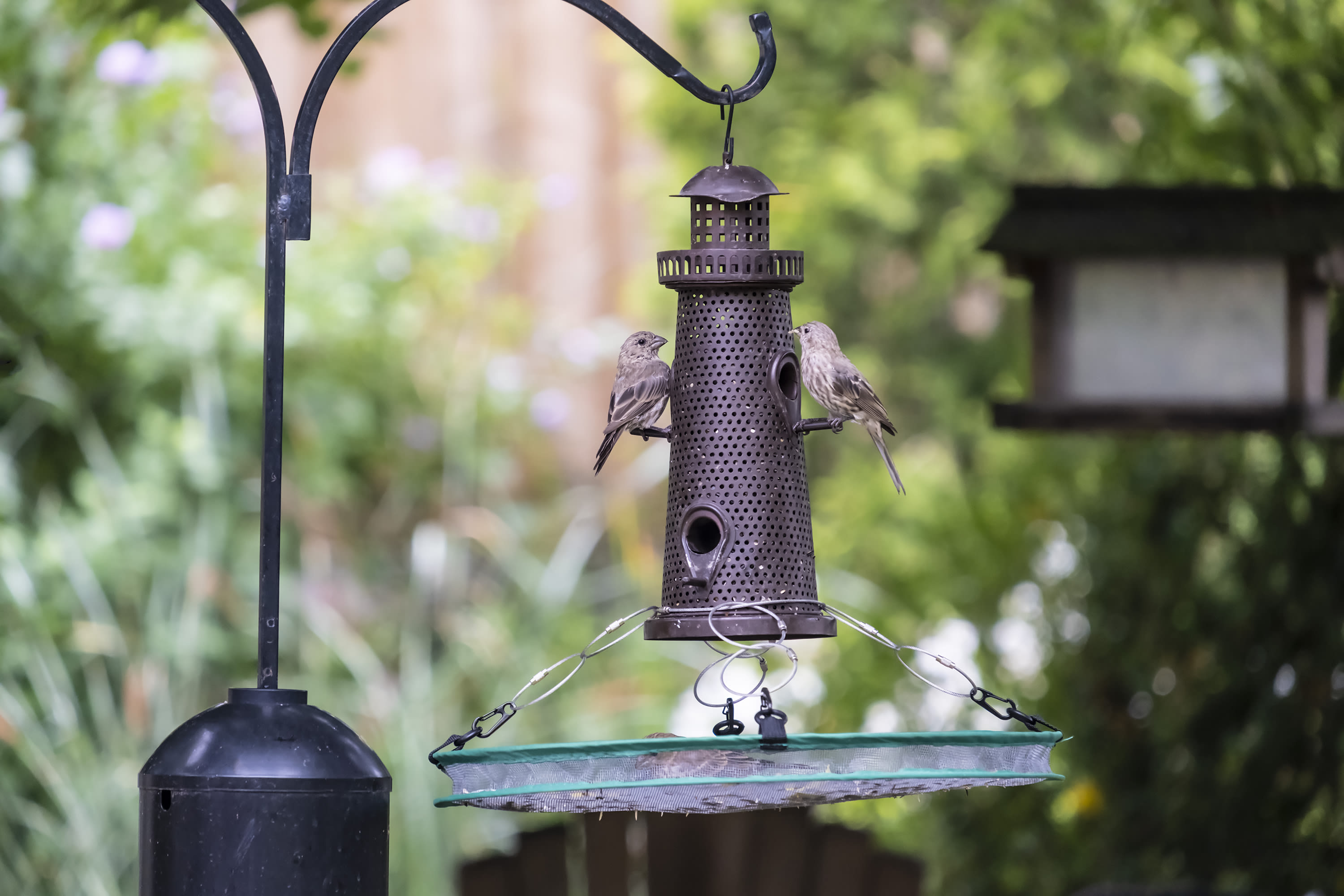
Hang suet cages on tree trunks or sturdy poles to mimic their natural feeding habits. Peanuts and sunflower seeds in mesh feeders can also keep them coming back.
Consider planting native trees near your feeding stations. This creates a natural habitat that supports woodpeckers beyond just food.
Credit: dengarden.com
Maintaining A Safe Feeding Area
Creating a safe feeding area is key to attracting birds without causing harm. Your backyard can become a sanctuary where birds not only find food but also feel secure. Focusing on cleanliness and protection keeps your feathered visitors happy and healthy.
Keeping Feeders Clean
Dirty feeders can spread diseases quickly among birds. Clean your feeders at least once every two weeks, and more often during wet weather.
- Use a solution of one part bleach to nine parts water to disinfect.
- Rinse thoroughly to remove any chemical residue.
- Allow feeders to dry completely before refilling.
Have you noticed a drop in bird visits after neglecting feeder cleaning? That’s a sign to act. Regular cleaning prevents mold, bacteria, and harmful parasites.
Protecting From Predators
Birds are vulnerable at feeders, especially to cats and squirrels. Position your feeders at least 10 feet away from launching points like trees or fences.
- Use baffles on poles to keep squirrels from climbing.
- Consider hanging feeders on thin wires stretched between poles where predators can’t reach.
- Keep the area around feeders clear of dense shrubs that can hide cats.
Think about your own safety zone. Would you feel relaxed eating if danger lurked nearby? Creating a safe feeding space makes birds more likely to return often.
Frequently Asked Questions
What Are The Best Seeds For Backyard Birds?
Sunflower seeds are a top choice for many backyard birds. They are nutritious and attract a wide variety of species. Black-oil sunflower seeds are particularly popular due to their high fat content. Other great options include safflower seeds and millet.
Always ensure seeds are fresh and free from mold.
Can I Feed Birds Bread In My Backyard?
Feeding birds bread is not recommended. Bread lacks essential nutrients birds need to thrive. While birds might eat it, it can lead to poor nutrition and health issues. Instead, opt for seeds, nuts, and fruits. These provide the necessary nutrients for strong and healthy birds.
How Can I Attract Hummingbirds To My Backyard?
To attract hummingbirds, provide a nectar feeder filled with a sugar-water mix. The ideal mixture is one part sugar to four parts water. Avoid using red dye in the solution. Planting tubular flowers like trumpet vine and bee balm also attracts hummingbirds.
Ensure feeders are clean and refilled regularly.
What Fruits Are Safe For Backyard Birds?
Birds enjoy a variety of fruits such as apples, oranges, and berries. Chop them into small, manageable pieces. Ensure fruits are fresh and free from pesticides. Avoid offering fruits that are overly ripe or moldy. Fresh fruits provide birds with essential vitamins and hydration.
Conclusion
Feeding birds in your backyard brings nature close to home. Choose seeds and foods that suit local birds well. Keep feeders clean to help birds stay healthy. Watch as different birds visit and enjoy your garden. Simple steps make your backyard a bird-friendly spot.
Enjoy the beauty and sounds of wild birds daily. Small efforts create big joy for both you and birds. Keep feeding with care and see your bird friends thrive.