
Have you ever wondered what to feed stray birds when you see them searching for food? You want to help, but giving the wrong food could harm them.
Feeding stray birds the right way not only supports their health but also makes your environment more lively and beautiful. You’ll discover simple, safe, and effective tips to nourish these feathered visitors. Keep reading to learn exactly what you can offer to make a real difference in their lives.
Credit: www.amazon.ca
Safe Seeds For Stray Birds
Feeding stray birds helps them survive and stay healthy. Choosing safe seeds is important. Some seeds are nutritious and easy for birds to eat. Others might harm them or cause illness. Here are some safe seed options to offer stray birds.
Sunflower Seeds
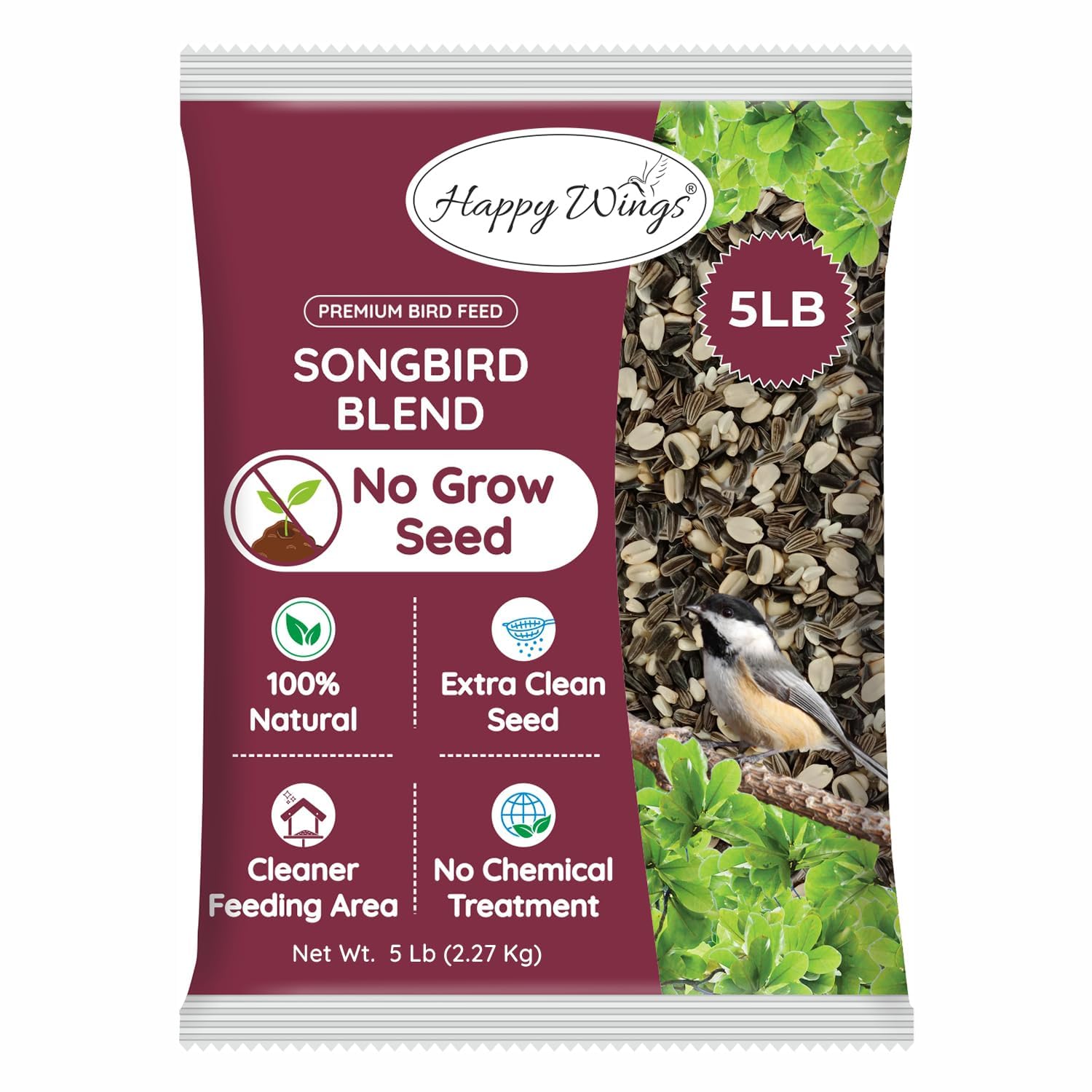
Sunflower seeds are a favorite among many bird species. They are rich in fat and protein, giving birds the energy they need. Stray birds like sparrows, finches, and chickadees enjoy them. Offering black oil sunflower seeds is best, as their shells are thinner. This makes it easier for birds to crack and eat the seeds.
Millet And Sorghum
Millet and sorghum are small, round seeds. Many ground-feeding birds prefer these. They provide a good source of carbohydrates and nutrients. White proso millet is especially popular with sparrows and doves. These seeds are safe and easy to digest for stray birds. Scatter them on the ground or in shallow feeders.
Thistle And Nyjer Seeds
Thistle and nyjer seeds are tiny but packed with nutrition. They attract finches and small songbirds. These seeds require special feeders with small holes. Nyjer seeds are high in oil content, giving birds energy. These seeds do not spoil quickly and are safe for stray birds to eat.
Fruits To Attract Birds
Fruits offer a natural and tasty treat for stray birds. They provide essential nutrients and attract many bird species. Offering fruits helps birds stay healthy and energized. Choose fresh, ripe fruits to get the best response.
Berries And Grapes
Berries and grapes are favorites among many birds. Small birds like robins and thrushes enjoy berries. Grapes are soft and easy to eat, perfect for larger birds. Serve these fruits whole or cut into small pieces. Avoid grapes with seeds to keep birds safe.
Apple And Pear Slices
Apple and pear slices attract a variety of birds. These fruits offer a good mix of water and vitamins. Remove seeds before feeding to prevent harm. Slice the fruit thinly so birds can peck easily. Birds like woodpeckers and finches often visit for these treats.
Banana Pieces
Banana pieces are soft and sweet, ideal for many birds. The fruit’s texture makes it easy to eat quickly. Cut bananas into small chunks to avoid choking. Birds such as orioles and tanagers are drawn to bananas. Ripe bananas give energy and hydration to stray birds.
Vegetables And Greens
Vegetables and greens provide essential nutrients to stray birds, helping them stay healthy and active. Offering fresh, natural foods can attract a variety of bird species and support their diet beyond just seeds and bread. You might be surprised how much birds enjoy and benefit from simple garden veggies.
Leafy Greens
Leafy greens like spinach, kale, and lettuce are gentle on birds’ digestive systems and full of vitamins. You can tear these into small pieces to make them easy to eat. Avoid wilted or treated greens, and always rinse them well before placing them outside.
Have you noticed birds eagerly pecking at your garden leaves? That’s a good sign they appreciate these healthy treats.
Peas And Corn
Peas and corn are favorites for many birds. Fresh or thawed frozen peas provide protein and energy, while corn adds carbohydrates. You can serve peas still in their pods or shelled, but make sure the corn is unsalted and plain.
Offering these can attract different birds like sparrows, pigeons, and even larger species that enjoy a crunchy snack. How often do you see these birds in your neighborhood?
Carrot Shreds
Carrots are excellent for birds when shredded into thin strips. This form is easier for them to eat and digest. Raw carrot shreds add a splash of color and a sweet crunch to the feeding area.
Try mixing carrots with other veggies to create a variety that keeps birds coming back. Have you tried watching which colors or textures your local birds prefer?
Protein Sources For Birds
Protein is vital for birds to stay healthy and active. It helps them build strong muscles and feathers. Stray birds especially need good protein sources to survive tough conditions. Offering protein-rich food supports their growth and energy levels.
Mealworms And Insects
Mealworms are a favorite snack for many bird species. They offer high protein and are easy for birds to eat. Insects like crickets and beetles also provide essential nutrients. These natural foods mimic what birds find in the wild.
Boiled Eggs
Boiled eggs are a simple and nutritious protein source. Cut them into small pieces to avoid choking. Eggs contain proteins and fats that help birds recover strength. They are safe and easy to store for feeding stray birds.
Unsalted Nuts
Unsalted nuts are another good protein option. Peanuts, almonds, and walnuts work well for many bird types. Avoid salted or flavored nuts, as salt can harm birds. Nuts also give healthy fats and energy for daily activities.
Foods To Avoid Feeding
Feeding stray birds can be a kind act, but not all foods are safe for them. Some items can harm their health or cause illness. It is important to know which foods to avoid to keep birds healthy and safe.
Processed Human Foods
Processed foods often contain chemicals and additives. These can upset a bird’s digestive system. Foods like chips, bread with preservatives, and fast food are harmful. They lack the nutrients birds need to stay strong.
Salty Or Sugary Items
Salt is dangerous for birds. It can cause dehydration and kidney problems. Sugary foods like candy or sweets can lead to obesity and other health issues. Birds do not need these empty calories.
Avocado And Chocolate
Both avocado and chocolate are toxic to many birds. Avocado contains a substance that can cause heart damage. Chocolate has chemicals that affect their nervous system. These foods must never be given to stray birds.

Credit: www.ruralsprout.com
Tips For Feeding Stray Birds Safely
Feeding stray birds can be rewarding. Careful steps protect birds and people. Follow simple tips for safe feeding. These tips help keep birds healthy and happy.
Choosing The Right Feeding Spot
Pick a quiet place away from busy roads. Look for safe areas with natural cover. Trees and bushes offer shelter and protection. Avoid spots near places with many predators. Make sure feeding spots are easy to clean.
Maintaining Cleanliness
Clean feeding areas often to stop disease spread. Remove old food and droppings daily. Use shallow dishes that are easy to wash. Avoid feeding birds on the ground. Clean water should be fresh and changed daily.
Feeding Schedule
Feed birds at the same times each day. Morning and late afternoon work best. Avoid overfeeding to keep birds healthy. Small, frequent feedings suit most stray birds. Stick to a routine so birds know when to come.
Credit: www.petsradar.com
Frequently Asked Questions
What Foods Are Safe For Feeding Stray Birds?
Safe foods include seeds, grains, cracked corn, and unsalted nuts. Avoid processed, salty, or sugary foods. Fresh fruits like apples and berries are also good. These options provide nutrition without harming birds or attracting pests.
How Often Should I Feed Stray Birds?
Feed stray birds once or twice a day. Consistency helps birds rely on your feeding spot. Avoid overfeeding to prevent dependency and maintain natural foraging behaviors. Small, regular portions are best for their health and safety.
Can Feeding Stray Birds Harm Them?
Feeding can harm birds if done improperly. Avoid bread and junk food, which cause malnutrition. Dirty feeders spread diseases, so clean regularly. Feeding in moderation supports health without disrupting natural habits.
Where Is The Best Place To Feed Stray Birds?
Choose a quiet, safe spot away from predators and traffic. Place food on a flat surface or bird feeder. Ensure the area is clean and dry to prevent mold and contamination. This encourages birds to visit safely.
Conclusion
Feeding stray birds helps them survive and thrive. Always choose safe, healthy options. Seeds, fruits, and grains are great choices. Avoid bread and processed foods. These can harm birds. Fresh water is also essential. It keeps them hydrated. Observing these guidelines supports bird health.
Enjoy the joy and beauty birds bring. Your small acts make a big difference. Keep bird welfare in mind. Their well-being depends on our choices. Let’s care for our feathered friends. Every effort counts. Happy bird watching!