
Losing a mother bird can feel heartbreaking, especially when you’re left caring for helpless baby birds. If you’ve found yourself wondering how to feed baby birds when their mother is gone, you’re not alone—and your quick actions can make all the difference.
Feeding these tiny creatures isn’t as simple as it sounds, but with the right steps, you can give them the best chance to grow strong and healthy. Keep reading, and you’ll learn exactly what to do to save those fragile lives in your care.
Signs A Baby Bird Needs Help
Baby birds need urgent care if their mother is gone. Recognizing the signs helps you act fast. Early help increases their chance to survive and grow strong.
Identifying Orphaned Birds
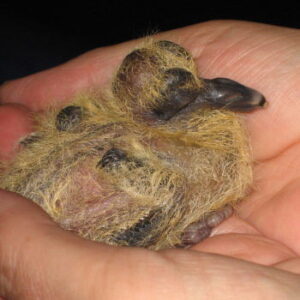
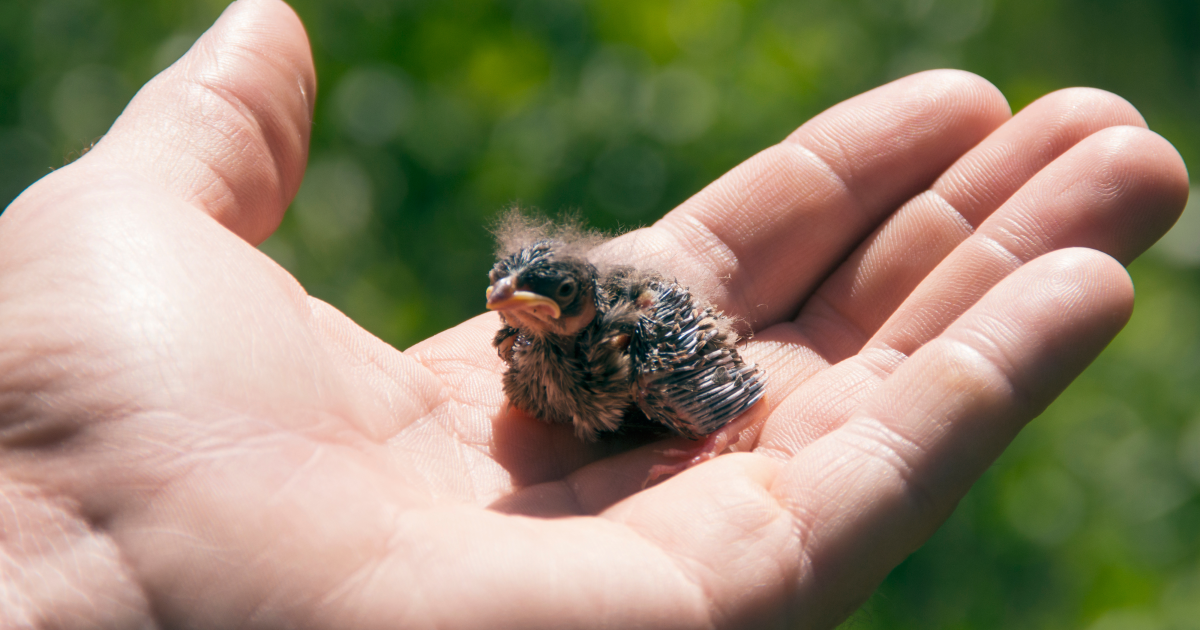
Orphaned baby birds often look alone and helpless. They might be found on the ground or in an empty nest. Watch for signs like:
- No adult birds nearby for a long time
- Weak or quiet chirping
- Feathers not fully grown or messy
- Cold body or shivering
These signs suggest the bird needs immediate help and care.
Assessing Bird Health
Check the bird’s health carefully. Look for clear eyes and smooth feathers. Healthy baby birds move and respond to touch.
- Check if the bird breathes easily
- Look for wounds or swelling
- Notice if the bird is very weak or limp
- Observe its posture—drooping wings or head means trouble
Strong signs of poor health need urgent attention or expert help.
Credit: irishwildlifematters.ie
Preparing For Feeding
Feeding baby birds after losing their mother requires careful preparation. Proper setup ensures the chicks stay healthy and grow strong. Attention to detail can make feeding easier and safer for the birds.
Gathering Suitable Supplies
Collect tools and food that fit the baby birds’ needs. Use soft feeding syringes or small spoons for gentle feeding. Prepare a warm, easy-to-digest formula made for baby birds.
- Feeding syringe or small spoon
- Bird formula or soft, moistened food
- Warm water for mixing formula
- Clean cloths or paper towels
- Small container for mixing food
Make sure all supplies are clean and ready before feeding time. Avoid items that could hurt the birds’ delicate beaks.
Setting Up A Safe Feeding Environment
Create a quiet, warm space for the chicks. Use a small box or container lined with soft cloth to mimic a nest. Keep the area free from drafts and loud noises.
| Environment Feature | Reason |
|---|---|
| Warm temperature (around 85°F) | Helps baby birds maintain body heat |
| Soft lining | Prevents injury and provides comfort |
| Quiet location | Reduces stress and distractions |
Check temperature regularly and adjust as needed. Keep the feeding space clean to prevent infections.
Choosing The Right Food
Choosing the right food for baby birds after their mother is gone is critical to their survival and growth. Their tiny bodies need specific nutrients that mimic what they would naturally receive. If you feed the wrong food, it can harm their development or even be fatal.
Natural Diet Of Baby Birds
Most baby birds rely on a diet rich in protein and moisture. This often comes from insects, worms, and regurgitated food provided by their mother. For example, songbird chicks usually eat soft-bodied insects, while some species may consume seeds or fruit pulp as they grow.
Understanding what the species naturally eats helps you choose or prepare the right meals. Have you observed what the mother bird was feeding them before she disappeared? That can guide your choices.
Safe Food Alternatives
If you can’t provide natural food, safe alternatives are available. Soft, high-protein options like soaked dog kibble, finely chopped hard-boiled eggs, or specialized commercial baby bird formulas work well.
Here’s a quick list of safe foods to consider:
- Soaked plain dog or cat kibble, softened with water
- Hard-boiled eggs mashed finely
- Mealworms or small insects (if available)
- Commercially available baby bird formula
Avoid bread, milk, or seeds that aren’t part of the species’ natural diet. These can cause digestive problems. Always ensure the food is soft enough to swallow easily to prevent choking.

Credit: m.youtube.com
Feeding Techniques
Feeding baby birds without their mother requires careful attention and gentle care. Feeding techniques play a key role in their survival and growth. Use the right schedule and tools to keep them healthy and strong. Feeding must mimic what the mother bird would do. This means frequent, small meals and soft, easy-to-swallow food.
Proper Feeding Frequency
Baby birds need feeding often because they have small stomachs. Newborns may require food every 15 to 20 minutes during daylight hours. As they grow, feedings can reduce to every 30 minutes or hourly. Watch the baby’s crop, a small pouch near the neck. It should feel soft and full after feeding. Avoid overfeeding, which can cause health issues. Feeding too little can lead to weakness. Keep a regular schedule for better care.
Feeding Methods And Tools
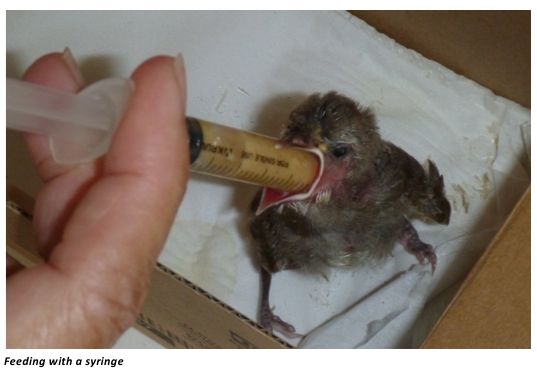
Use the right tools for safe and effective feeding. Soft-tipped syringes or small spoons work well. Avoid using sharp or large objects that can harm the bird. Warm the food to body temperature before feeding. Hold the baby bird gently but firmly. Place the food at the edge of the beak. Let the bird swallow naturally. Do not force the food into the throat. Clean the feeding tools after each use to prevent infections.
Maintaining Hygiene And Safety
Keeping baby birds safe and healthy after losing their mother means paying close attention to hygiene and safety. Dirty feeding tools can quickly spread germs, and unsafe handling might cause injuries. Your careful efforts can make a big difference in these vulnerable little lives.
Cleaning Feeding Equipment
Always clean bottles, syringes, and spoons thoroughly after each feeding. Use hot, soapy water and rinse well to remove any milk or food residue. This prevents bacteria growth that could harm the baby birds.
Disinfect feeding tools regularly with a mild bleach solution or a bird-safe disinfectant. Rinse them completely afterward to avoid any chemical residue. Have extra feeding equipment ready so you can swap out items while others are drying.
Preventing Illness And Injuries
Wash your hands before and after handling the birds to stop germs from spreading. Keep the feeding area clean and dry to avoid mold or bacteria buildup. Monitor the birds closely for signs of illness like lethargy or unusual droppings.
Be gentle and steady when feeding to avoid choking or stress. Use appropriately sized equipment to fit the baby bird’s mouth comfortably. Have you noticed how a calm feeding session helps the little birds relax and grow stronger?
When To Seek Professional Help
Knowing when to seek professional help is crucial for baby birds without a mother. Some situations require expert care beyond home feeding. Acting fast can save the bird’s life and improve its chance of survival. Understanding the signs of distress and where to find help is essential for anyone caring for orphaned baby birds.
Recognizing Emergency Situations
Some signs show a baby bird needs urgent help:
- Bird is cold and shivering.
- It has wounds or bleeding.
- Baby is very weak or unresponsive.
- It has trouble breathing or gasping.
- Feathers are missing or the skin looks damaged.
- Bird has been on the ground for a long time.
These signs mean the bird’s survival is at risk. Immediate action is needed to avoid serious harm.
Finding Wildlife Rehabilitation Centers
Wildlife rehabilitation centers have trained staff and proper equipment. They can give medical care and proper feeding. They also prepare birds for release back into nature.
Locate a nearby center by contacting local animal control or wildlife agencies. Many centers accept orphaned birds and provide safe care. Keep the bird warm and quiet while transporting it. Use a small box with soft cloth to prevent injury during travel.
Preparing For Release
Preparing baby birds for release takes patience and care. It is important to ensure they can survive on their own. The process involves watching for key signs and following safe release practices. This helps the birds adapt to the wild smoothly.
Signs Of Readiness
- The bird can fly short distances confidently.
- It shows strong balance on branches or perches.
- The bird eats on its own without help.
- It responds quickly to sounds and movement.
- Feathers look fully grown and healthy.
- The bird hides or escapes from potential threats.
Watching these signs helps know when the bird is ready to leave care.
Safe Release Practices
- Choose a quiet, natural area with food sources nearby.
- Release birds during daylight for better orientation.
- Place the bird gently on a low branch or bush.
- Stay nearby but out of sight to avoid stress.
- Allow the bird time to explore and fly away at its pace.
- Provide soft protection from predators during the first days.
- Monitor from a distance to ensure the bird adapts well.
Following these steps gives baby birds the best chance at survival.
Credit: pethelpful.com
Frequently Asked Questions
How To Identify Baby Bird Species?
Identifying baby bird species can be challenging. Observe their size, beak shape, and feather patterns. Use bird identification apps or guides for assistance. Consulting with local bird experts can also provide valuable insights.
What Do Baby Birds Eat?
Baby birds primarily eat regurgitated food from their parents. In the absence of parents, feed them a mix of soft, high-protein foods. Suitable options include small insects, moistened dog food, or specialized bird formula.
How Often Should You Feed Baby Birds?
Feed baby birds every 15-30 minutes from sunrise to sunset. Their rapid growth requires frequent nourishment. As they mature, the feeding frequency will decrease, and they will start eating more solid foods.
Can You Use A Syringe For Feeding?
Yes, using a syringe is effective for feeding baby birds. It allows precise control over the food quantity. Ensure the syringe is clean and feed gently to avoid injuring the bird.
Conclusion
Feeding baby birds after losing their mother needs quick care and patience. Use soft, warm food that matches what the mother bird would give. Feed them small amounts often to keep them healthy and growing. Keep the babies warm and safe in a quiet place.
Watch them closely for signs of illness or stress. With love and attention, these little birds can survive and thrive. Caring for them is hard but very important work. You can help give these birds a chance to live strong.