
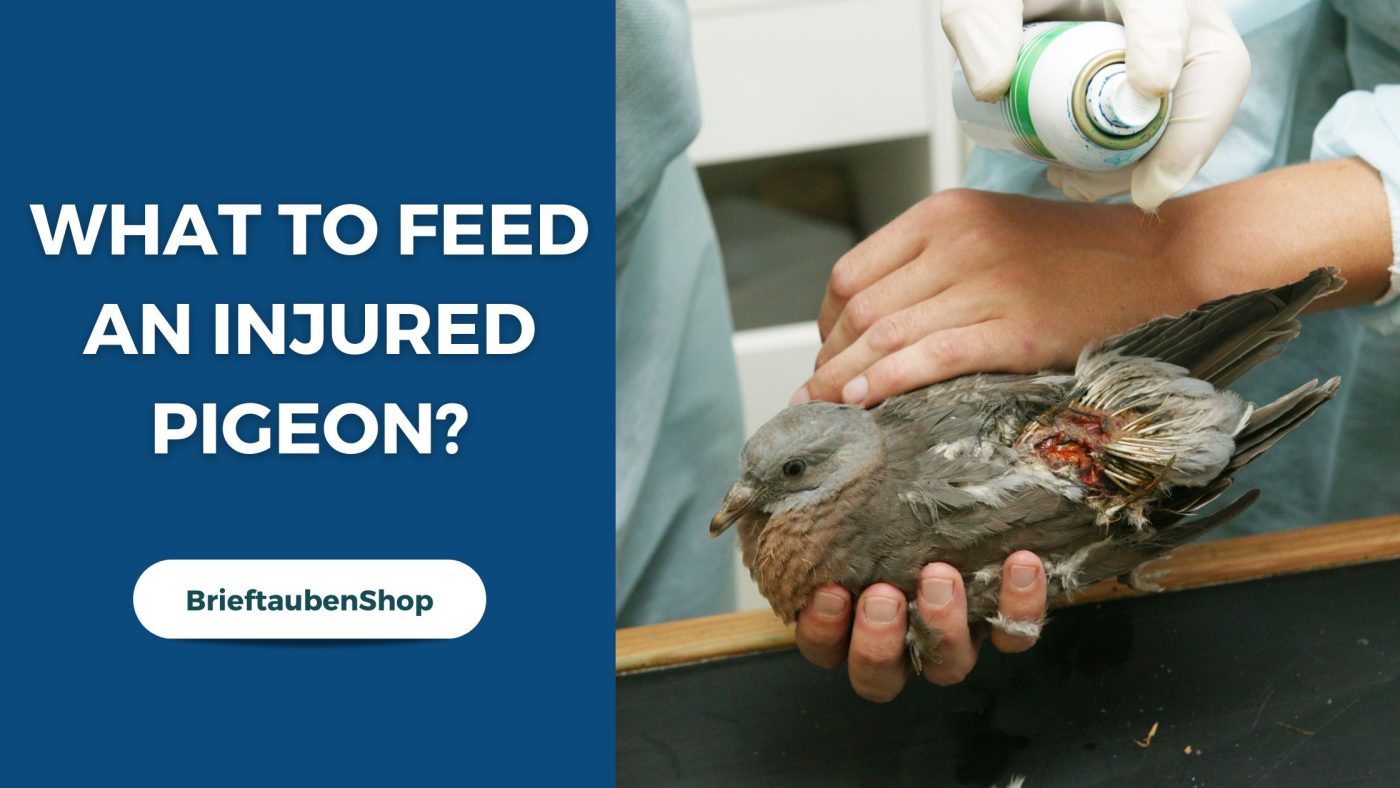
Have you ever found an injured bird and wondered what you should do? Your first instinct might be to feed it right away.
But is that really the best choice? What you do in these moments can make a big difference to the bird’s chances of survival. You’ll discover when feeding helps and when it might actually do more harm than good. By understanding the right steps, you’ll be better prepared to give the injured bird the care it truly needs.
Keep reading to learn how to make the best decision for your feathered friend.
Assessing The Bird’s Condition
Knowing how to assess an injured bird’s condition is crucial before offering food. Birds in distress need careful handling. Feeding without checking can cause more harm than good. Understanding the bird’s state helps decide the best way to help.
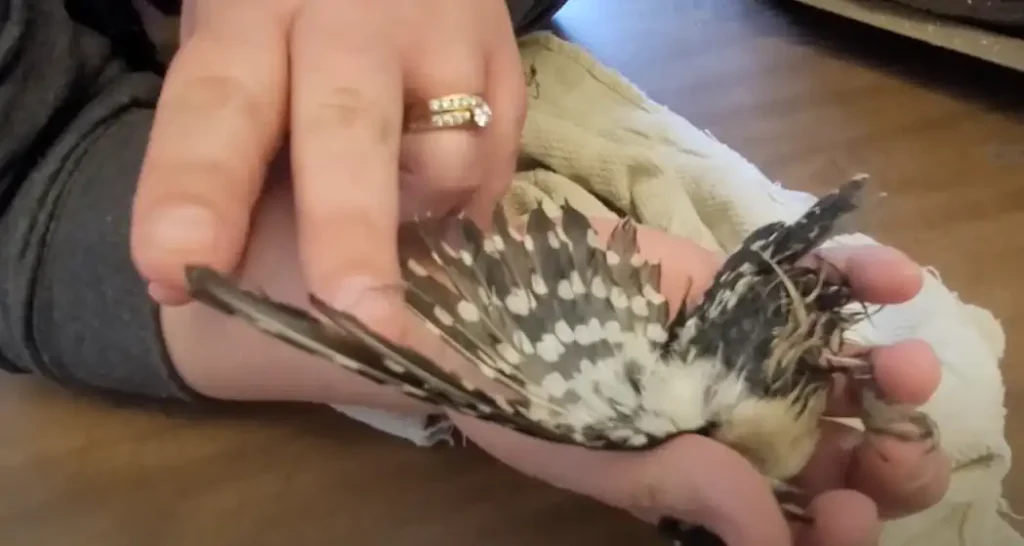
Signs Of Injury To Watch For
- Visible wounds or bleeding on wings, legs, or body
- Difficulty flying or inability to fly
- Swollen or drooping limbs
- Unusual posture or balance problems
- Closed or swollen eyes
- Labored or irregular breathing
- Weakness or unresponsiveness
- Feathers missing or ruffled badly
When To Avoid Feeding
- Bird is unconscious or barely responsive
- Severe bleeding or open deep wounds
- Signs of choking or difficulty swallowing
- Bird shows extreme stress or panic
- Unknown bird species or diet requirements
- Feeding could delay professional care
Credit: www.earthofbirds.com
Choosing The Right Food
Choosing the right food for an injured bird is crucial. The bird’s health depends on safe and suitable nourishment. Different birds need different types of food. Feeding the wrong food can cause harm or delay healing. Knowing what to offer helps support the bird’s recovery.
Safe Food Options For Different Birds
Bird diets vary by species. Offer foods that match the bird’s natural diet. Here are safe choices for common bird types:
- Songbirds:Small seeds, mealworms, and fresh fruits like berries.
- Waterfowl:Grains, lettuce, peas, and corn.
- Parrots:Pellets, nuts, fresh vegetables, and fruits.
- Raptors:Small pieces of meat or insects.
Provide fresh water alongside food. Avoid overfeeding to prevent choking or stress.
Foods To Avoid
Certain foods can hurt injured birds. Avoid these to keep the bird safe:
- Processed human snacks like bread, chips, or crackers.
- Chocolate, caffeine, and alcohol.
- Avocado, onion, and garlic, which are toxic to many birds.
- Salty or sugary foods that disrupt digestion.
- Raw beans and uncooked rice, which can be harmful.
Sticking to safe foods helps the bird heal faster and stay strong.
Feeding Techniques For Safety
Feeding an injured bird requires more than just offering food. Your approach can either help the bird recover or cause more harm. Using safe feeding techniques ensures you support the bird’s healing without adding stress or injury.
Proper Feeding Methods
Start by identifying what kind of food the bird needs. Birds have specific diets, so offering bread or milk can do more harm than good. Instead, provide small pieces of appropriate food, like soaked birdseed or finely chopped insects.
Use a shallow dish or a small syringe without the needle to feed the bird gently. Avoid forcing food down its throat. Let the bird eat at its own pace to prevent choking or aspiration.
Keep the feeding area quiet and calm. Sudden movements or loud noises can scare the bird, making it refuse food. Your patience and gentle touch can make a big difference in encouraging the bird to eat.
How To Prevent Further Injury
Handling an injured bird requires care to avoid worsening its condition. Use a soft cloth or towel to gently hold the bird when feeding. This helps prevent panic and reduces the risk of flapping wings or struggling that might cause new injuries.
Never try to feed a bird that is unconscious or unable to swallow. This can cause choking or internal damage. Instead, seek professional help immediately.
Keep the bird in a small, secure container with soft padding. This limits movement and protects fragile wings or legs during feeding times. Have you thought about how your actions right now could impact the bird’s chance at recovery?

Credit: www.youtube.com
When To Contact Wildlife Professionals
Knowing when to contact wildlife professionals is key to helping an injured bird safely. Birds often hide their pain, so signs of serious injury can be subtle. Acting quickly can make a big difference in the bird’s recovery and survival. Here are clear signals and ways to find the right help.
Recognizing Critical Situations
Some injuries need expert care right away. Look for these signs:
- Bird is bleeding heavily or has a visible wound
- Wing or leg is broken or hanging oddly
- Bird is unconscious or unresponsive
- Breathing is labored or noisy
- Bird is caught or trapped
- Signs of poisoning, like vomiting or twitching
In these cases, do not try to feed or treat the bird yourself. Contact professionals immediately for the best chance of help.
Finding Local Rescue Resources
Wildlife rehabilitators and animal rescue centers have the skills and tools to care for injured birds. Here’s how to find them:
- Search online for local wildlife rehabilitation centers
- Call animal control or local animal shelters
- Ask veterinarians for wildlife care referrals
- Check national or regional wildlife protection websites
Keep a list of contacts handy before you encounter an injured bird. Quick access to help improves outcomes for the bird.
Caring For The Bird Until Help Arrives
Caring for an injured bird until professional help arrives is crucial for its recovery. The right care can reduce stress and prevent further harm. Your goal is to keep the bird safe and comfortable. This helps the bird stay calm and conserve energy.
Creating A Comfortable Environment
Choose a quiet, warm, and safe place for the bird. Avoid loud noises and bright lights. Use a small box or container with soft cloth or paper towels at the bottom. Ensure the container has air holes for breathing. Keep the bird away from pets and children. The temperature should be stable, not too hot or cold.
Monitoring The Bird’s Behavior
Watch the bird closely without touching it too much. Look for signs like breathing rate and movement. If the bird is shaking or struggling, it may be very scared or weak. Note if the bird is eating or drinking, but do not force food or water. Observe if there is bleeding or worsening injuries. Report these details to the wildlife expert or vet for better care.

Credit: www.youtube.com
Frequently Asked Questions
Can I Feed An Injured Bird At Home?
It’s best to avoid feeding injured birds at home. Improper feeding can cause harm. Instead, contact a local wildlife rehabilitator. They have the expertise to care for injured birds properly. If you must feed, research the bird’s species-specific diet first.
Always prioritize professional help for the bird’s safety.
What Should I Do If I Find An Injured Bird?
If you find an injured bird, remain calm. Gently place it in a ventilated box. Avoid feeding or giving water. Contact a wildlife rehabilitator or local animal rescue. They have the skills to provide appropriate care. Handling the bird minimally reduces stress and increases its chance of recovery.
Is Bread Safe For Injured Birds?
Bread is not safe for injured birds. It lacks essential nutrients and can cause digestive issues. Instead, provide species-specific food if necessary. It’s better to seek professional guidance. Wildlife rehabilitators can offer the right diet and care. Always prioritize the bird’s health by consulting experts.
How Can I Help An Injured Bird?
To help an injured bird, minimize handling. Place it gently in a ventilated container. Keep it warm and dark. Contact a wildlife rehabilitator immediately. Avoid feeding or giving water. Quick professional intervention ensures the best chance for recovery. Your primary role is to facilitate expert care.
Conclusion
Feeding an injured bird needs care and knowledge. Giving the wrong food may harm the bird. Always try to contact a wildlife expert first. They know the best way to help safely. Sometimes, it is best to let nature heal.
Your kindness can make a big difference. Stay calm and act with care. Helping injured birds shows respect for life. Remember, patience and caution are key to success.