

Are you looking for a simple and creative way to invite birds to your garden? Making a glass plate bird feeder is easier than you think, and it’s a fun project you can do yourself.
Imagine watching colorful birds enjoy their meal right outside your window, all thanks to your own handiwork. In this guide, you’ll discover step-by-step how to turn an ordinary glass plate into a beautiful bird feeder that attracts your feathered friends.
Ready to bring more life and joy to your outdoor space? Let’s get started!
Materials Needed
Gathering the right materials is key to creating a bird feeder that lasts and attracts your feathered friends. The materials you choose affect both the feeder’s durability and how safe it is for birds. Let’s break down what you’ll need to get started on your glass plate bird feeder.
Choosing The Right Glass Plate
Pick a plate that is sturdy and weather-resistant. Tempered glass plates work best because they are less likely to break under outdoor conditions.
Consider the size and shape. A shallow plate with a wide surface gives birds enough space to perch and eat comfortably.
Clear or lightly tinted glass lets you watch the birds clearly, which makes feeding time more enjoyable. Have you checked if your plate has any chips or cracks? Even small damage can cause problems later.
Additional Supplies
- Strong adhesive:Use waterproof, non-toxic glue to attach hanging parts. This ensures safety and durability.
- Hanging hardware:Eye screws, sturdy wire, or chains help suspend the feeder securely from a tree or hook.
- Rubber stoppers or silicone pads:These protect the glass from scratching when placed on a flat surface.
- Birdseed:Choose seed mixes that attract your local birds. This keeps your feeder busy and lively.
- Cleaning supplies:A soft cloth and mild soap keep your feeder clean and inviting.
Have you thought about where your feeder will hang? The materials you choose can depend on the placement—some spots need stronger hanging hardware due to wind or height.
Preparing The Glass Plate
Preparing the glass plate is a key part of making a bird feeder. This step ensures the plate is safe, clean, and ready to hold bird food. Proper preparation helps the feeder last longer and keeps birds safe.
Cleaning And Safety Tips
Start by washing the glass plate with warm, soapy water. Use a soft sponge to remove dirt and dust. Rinse the plate well to remove all soap. Dry it with a clean towel or let it air dry.
Check the plate for any cracks or chips. Do not use plates with damage. Broken glass can hurt birds and people. Wear thick gloves to protect your hands during cleaning and drilling. Always work on a stable surface to avoid accidents.
Marking And Drilling Holes
Decide where to place holes for hanging and drainage. Use a marker to make small dots on the glass. Place holes near the edge to hang the feeder easily.
Use a diamond drill bit for glass to create clean holes. Keep the drill slow and steady to avoid cracking. Cool the glass by spraying water while drilling. This reduces heat and protects the glass.
After drilling, wipe off any dust and sharp edges. Smooth the hole edges with fine sandpaper or a glass file. This step prevents injuries to birds and helps hang the feeder securely.
Assembling The Feeder
Assembling the glass plate bird feeder requires care and attention. It involves connecting the hanging parts and securing the feeding area. These steps ensure the feeder is sturdy and safe for birds.
Attaching Hanging Components
Start by choosing strong wire or chain for hanging. Attach it firmly to the glass plate. Use small hooks or eye screws at the plate edges. Make sure these are tight and will hold weight.
Test the hanging by gently lifting the plate. It should stay balanced and not tilt. Adjust the wire length if needed. The goal is a stable feeder that hangs flat.
Securing The Feeding Area
Next, create a safe feeding space on the plate. Use a shallow dish or small tray if desired. Fix it with waterproof glue or wire around the plate center.
Check the edges for sharp glass pieces. Smooth these with sandpaper to protect birds. Keep the feeding area clean and easy to access.
Choosing The Right Location
Choosing the right location for your glass plate bird feeder is key to attracting more birds and keeping them safe. Where you place the feeder affects how often birds visit and how comfortable they feel while feeding. Think about visibility, protection from predators, and convenience for you to refill and clean the feeder.
Best Spots To Hang
Look for spots where birds naturally gather, such as near trees or shrubs. These provide shelter and quick escape routes, making birds more likely to visit. Hanging the feeder near a window lets you enjoy birdwatching, but be sure to place it at least 3 feet away to prevent collisions.
Consider these places:
- From a sturdy tree branch in your garden
- On a hook attached to a porch or balcony
- Near flower beds or bushes that attract insects
Have you noticed where birds flock in your yard? Placing the feeder there can increase visits significantly.
Safety For Birds
Safety is crucial when choosing a location. Avoid placing the feeder too close to areas where cats or other predators can hide. A distance of at least 10 feet from dense shrubs or fences reduces risk.
Also, ensure the feeder is not in direct strong sunlight all day; glass can heat up quickly and harm the birds. Partial shade helps keep the feeder cool and comfortable.
Finally, keep the area around the feeder clean to prevent disease. Regularly check for moldy seeds or droppings to maintain a healthy feeding spot.
Filling And Maintaining
Filling and maintaining your glass plate bird feeder is key to attracting a variety of birds and keeping them safe. The right food will bring feathered friends right to your window, while regular upkeep ensures the feeder stays clean and inviting. How you manage these tasks can make all the difference in your bird-watching experience.
Selecting Bird Food
Choosing the right bird food depends on the types of birds you want to attract. Black oil sunflower seeds are a favorite for many species because they have a high oil content and thin shells. If you notice smaller birds visiting, try offering nyjer seeds—they’re tiny and perfect for finches.
Don’t overlook suet or mealworms if you want to attract insect-eating birds like woodpeckers or bluebirds. You might find that mixing several types of seeds attracts a wider variety of birds to your feeder. Have you thought about seasonal changes? Offering different foods in winter versus summer can keep your feeder busy year-round.
Cleaning And Upkeep
Maintaining your glass plate feeder is easier than you might think and prevents harmful mold or bacteria from building up. Clean the feeder at least once every two weeks, or more often if you notice damp seed or droppings. Use a solution of one part white vinegar to four parts water—it’s safe and effective.
Rinse thoroughly and let the feeder dry completely before refilling. Pay close attention to cracks or chips in the glass; these can trap dirt and pose a risk to birds. Have you ever skipped cleaning and noticed fewer birds? Keeping your feeder spotless helps keep your visitors healthy and coming back.
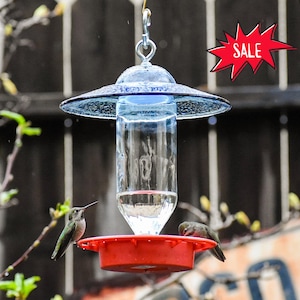
Credit: www.etsy.com
Troubleshooting Common Issues
Troubleshooting common issues helps keep your glass plate bird feeder safe and functional. Small problems can cause big damage or scare birds away. Being aware of common challenges saves time and effort. It ensures your feeder lasts longer and attracts more birds.
Preventing Breakage
Glass plate feeders can break easily without care. Choose tempered or thick glass for durability. Avoid placing the feeder where strong winds hit it. Use soft hooks or rubber-coated wires to hang the feeder securely. Cushion the hanging area with felt pads to reduce shaking. Check the feeder regularly for cracks or chips. Replace damaged parts quickly to avoid accidents.
Keeping Birds Safe
Safety is key for a bird feeder. Avoid sharp edges on the glass that can harm birds. Clean the feeder often to prevent mold and bacteria growth. Use bird-friendly seeds that do not cause choking. Place the feeder away from windows to reduce bird collisions. Keep cats and predators away from the feeding area. Provide fresh water nearby to support the birds’ health.
Creative Customizations
Adding creative customizations to your glass plate bird feeder transforms it from a simple project into a personal statement. These touches not only attract more birds but also reflect your style and creativity. Think about how you want your feeder to look and function in your outdoor space, then bring those ideas to life.
Painting And Decorating
Painting your glass plate allows you to add color and personality. Use weather-resistant glass paints to ensure your design lasts through seasons.
You can create patterns like polka dots, stripes, or even paint little birds and flowers. Try using stencils if you want sharp shapes or go freehand for a more organic look.
Adding a layer of clear sealant will protect your artwork and make cleaning easier. Have you thought about matching your feeder’s colors to your garden or patio theme?
Adding Accessories
Accessories can make your bird feeder more functional and appealing. Consider attaching small hooks or clips to hang additional treats like suet cakes or fruit slices.
You might also add decorative elements like tiny wind chimes or colorful beads around the edges. These can catch the light and add movement, catching birds’ attention.
Another idea is to attach a small roof or shade to protect the seeds from rain. What unique accessory could you add that reflects your outdoor style and helps the birds?
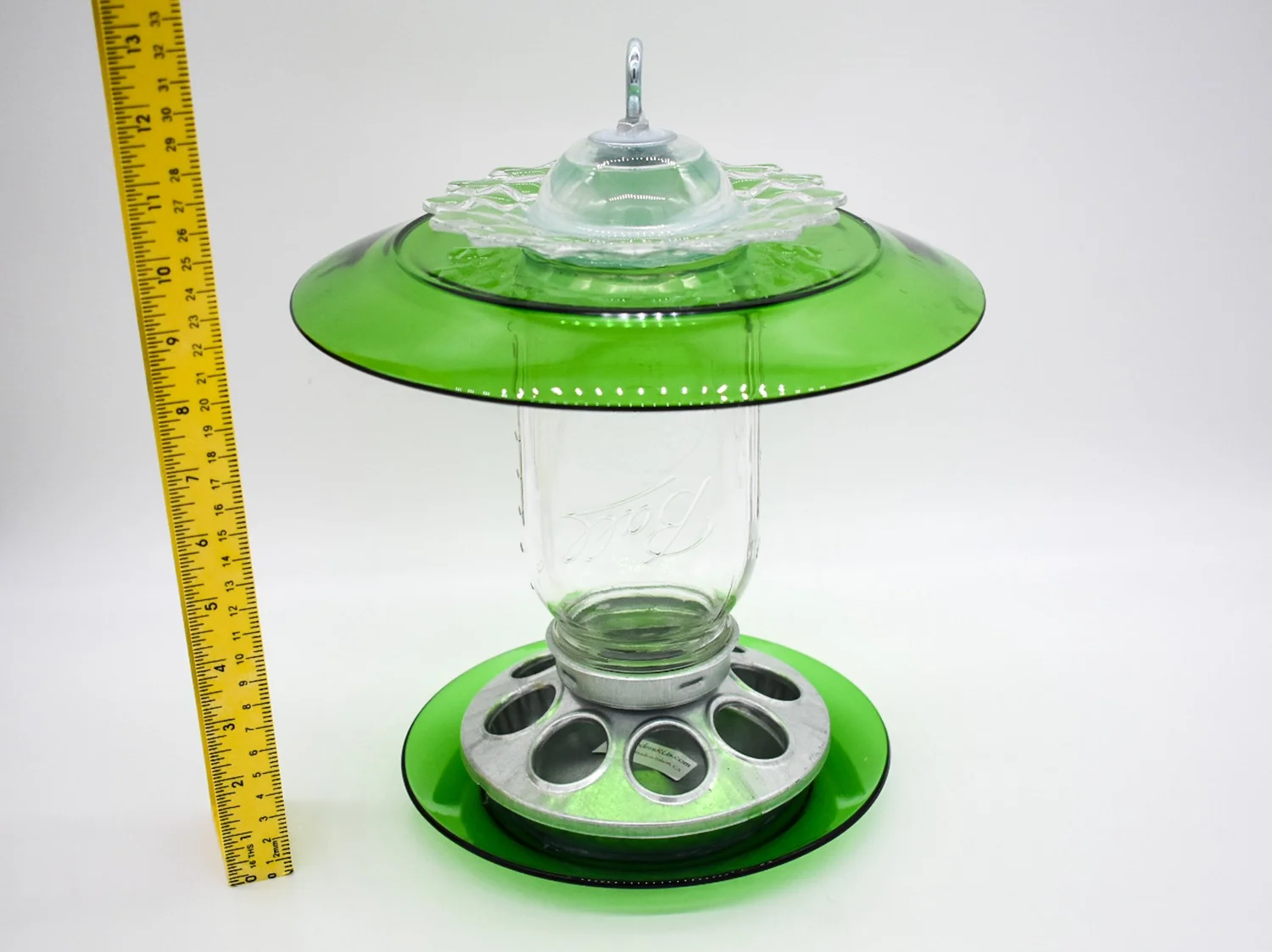
Credit: birdfeedersrus.com

Credit: www.yahoo.com
Frequently Asked Questions
What Materials Are Needed For A Glass Plate Bird Feeder?
You need a glass plate, strong adhesive or silicone, a sturdy base, and a hanging mechanism. Use weatherproof materials to ensure durability outdoors. Clean the glass thoroughly before assembly to ensure strong adhesion. Safety gloves are recommended when handling glass.
How Do You Safely Hang A Glass Plate Bird Feeder?
Use a strong wire or chain securely attached to the plate’s edges. Ensure the hanging point is sturdy, like a tree branch or hook. Check the feeder regularly to avoid accidents. Hanging it in a shaded area helps protect birds and feeder from extreme heat.
What Bird Food Is Best For Glass Plate Feeders?
Use mixed seeds, sunflower seeds, or peanuts to attract various birds. Avoid wet or moldy food to keep birds healthy. Clean the feeder regularly to prevent disease. Placing fresh water nearby can encourage more birds to visit your feeder.
How Do You Maintain A Glass Plate Bird Feeder?
Clean the feeder weekly with mild soap and water to prevent bacteria growth. Avoid harsh chemicals that can harm birds. Check for cracks or loose parts regularly. Replace or repair any damaged components promptly to ensure bird safety.
Conclusion
Making a glass plate bird feeder is simple and fun. It brings birds closer to your home. You can enjoy watching them every day. This project uses easy materials you may already have. It also helps nature by feeding birds safely.
Try making one yourself and see how birds visit. Small efforts like this make a big difference. Give it a try and enjoy the peaceful moments outside. Your garden will feel livelier and more welcoming too.