
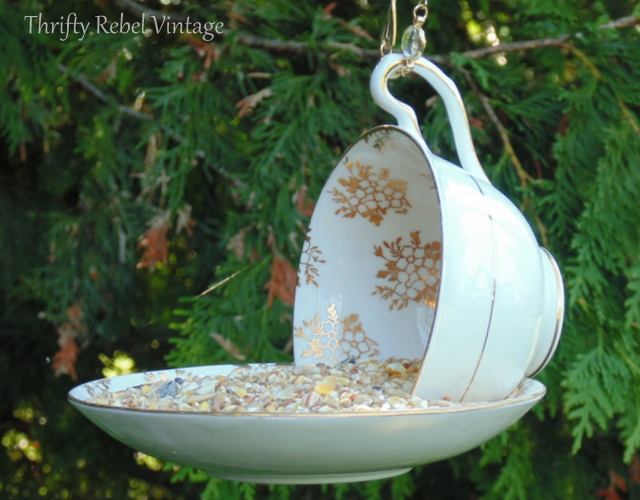
Do you love watching birds visit your garden? Imagine creating a charming spot that attracts them right to your window.
Making a hanging cup and saucer bird feeder is easier than you think. With just a few simple steps, you can turn everyday items into a beautiful, functional feeder. This project not only adds a touch of creativity to your outdoor space but also gives you a front-row seat to nature’s little visitors.
Ready to bring more life and color to your garden? Let’s dive into how you can make your own hanging cup and saucer bird feeder today.
Materials Needed
Gathering the right materials is key to crafting a beautiful hanging cup and saucer bird feeder. Each item plays a role in making the feeder sturdy and attractive. Prepare everything before starting to avoid delays and frustration.
Choosing The Right Cup And Saucer
Select a cup and saucer that fit well together. Use ceramic or porcelain for durability and weather resistance. Avoid plastic or thin glass, which can break easily. Vintage or mismatched sets add charm and uniqueness.
Essential Tools
- Drill with a ceramic drill bit
- Strong, thin wire or sturdy twine for hanging
- Super glue or waterproof adhesive
- Protective gloves for safety
- Sandpaper to smooth drilled edges
Additional Supplies
- Small metal eye screws to secure hanging wire
- Clear waterproof sealant to protect the feeder
- Optional paint or markers for decoration
- Birdseed suitable for local birds

Credit: www.daintydressdiaries.com
Preparing The Cup And Saucer
Preparing the cup and saucer is the first important task in making a hanging bird feeder. This step ensures the items are safe and ready to hold bird food. Careful preparation helps the feeder last longer and keeps the birds safe. Follow simple cleaning and drilling steps to get the cup and saucer ready.
Cleaning And Inspecting
Start by washing the cup and saucer with warm, soapy water. Remove all dirt, dust, and residues. Rinse them well to avoid any soap taste that might harm birds.
Check both pieces for cracks or chips. Small cracks can grow and break once the feeder hangs outside. Choose only strong and intact items to keep birds safe.
Drilling Holes Safely
Drill holes carefully to hang the feeder and let water drain. Use a drill bit made for ceramics or glass. This prevents cracking during drilling.
- Wear safety goggles to protect your eyes.
- Place a towel under the cup and saucer to avoid slipping.
- Drill slowly with steady pressure to avoid breaks.
- Make one hole in the cup’s bottom for drainage.
- Drill holes on the saucer’s sides for hanging wires.
Clean dust from the holes after drilling. This step prepares the pieces for safe and secure hanging.
Assembling The Feeder
Assembling the hanging cup and saucer bird feeder is a simple and fun task. It brings your project to life and makes it ready for the birds. Each part must be connected securely to hold the feeder safely in the air.
Attaching The Cup To The Saucer
Place the cup upside down in the center of the saucer. Use strong glue made for ceramics to fix the cup in place. Press the cup firmly and let the glue dry completely. This bond keeps the cup steady when birds land on it.
Securing With Wire Or Twine
Wrap wire or twine around the cup and saucer to add extra support. Make sure it is tight but not damaging the ceramics. Twist the wire ends or tie knots to secure the wrapping. This step prevents the cup from moving or falling off.
Adding Hanging Mechanism
Create a loop with wire or twine above the cup. Attach it firmly to the wrapped wire or twine on the feeder. Check the loop size so it fits on your hanging hook. This loop holds the feeder safely and allows easy hanging outdoors.

Credit: www.blog.bronners.com
Finishing Touches
Finishing touches bring your hanging cup and saucer bird feeder to life. These final steps protect your feeder and make it look inviting. Small details can make a big difference in durability and style.
Waterproofing And Sealing
Protect your bird feeder from rain and moisture. Use a clear, non-toxic waterproof sealant. Apply it evenly on all surfaces, inside and out. Let it dry fully between coats. Two or three coats work best for strong protection.
This sealant helps prevent wood or paint damage. It keeps the feeder safe for birds. Avoid toxic chemicals that could harm wildlife.
Decorating Ideas
Decorate to add charm and personality. Paint the cup and saucer with bright, weather-resistant colors. Use stencils or simple patterns for a neat look. You can also glue small, natural items like pine cones or twigs.
Add a small bird silhouette or flower shapes around the saucer edge. Use outdoor craft paint for lasting color. Keep decorations light so birds can land easily.
- Use waterproof markers for fine details.
- Attach miniature artificial flowers for a pop of color.
- Wrap natural twine around the handle for a rustic touch.
Choosing The Perfect Location
Choosing the perfect location for your hanging cup and saucer bird feeder is crucial to attract birds and keep them safe. The right spot will make your feeder a favorite stop for local birds while allowing you to enjoy their visits up close. Think about the environment, safety, and visibility before hanging your feeder.
Safe Spots For Birds
Birds need a place where they feel protected from predators like cats and hawks. Choose a location away from busy roads and areas with heavy foot traffic. Hanging your feeder near shrubs or trees provides birds with quick shelter if they sense danger.
Avoid placing the feeder too close to windows to prevent bird collisions. A distance of at least 3 feet or more than 10 feet from glass is ideal. You want your feathered friends to feel secure while feeding.
Visibility And Accessibility
Pick a spot where you can easily see the feeder from your favorite window or garden seat. This lets you enjoy watching birds without disturbing them. The feeder should also be easy for you to refill and clean regularly.
Keep the feeder away from places where squirrels or other pests can reach it easily. Using a simple baffle or hanging the feeder on a thin wire can help. Have you noticed how birds return more often when feeders are easy to spot and safe from interruptions?
Filling And Maintaining
Filling and maintaining your hanging cup and saucer bird feeder is key to attracting a variety of birds and keeping them coming back. Proper care ensures the feeder stays clean and safe, while the right seeds boost your chances of visits from colorful and lively feathered friends. Let’s look at how to choose the best seeds and keep your feeder in top shape.
Best Bird Seeds To Use
Choosing the right seeds can make a huge difference in which birds visit your feeder. Black oil sunflower seeds are a favorite for many species because they have a thin shell and high oil content, providing plenty of energy.
- Safflower seeds are great if you want to keep away squirrels and some aggressive birds.
- Nyjer (thistle) seeds attract finches and are best offered in a mesh feeder, but you can sprinkle a small amount in your cup feeder.
- Milo and cracked corn appeal to ground feeders like doves and sparrows.
Try mixing a few types to see which birds show up. Have you noticed certain birds prefer specific seeds in your neighborhood? This can help you tailor your feeding to local species.
Cleaning And Refilling Tips
Keeping your feeder clean is essential to prevent mold and disease. Wash your cup and saucer with warm soapy water every time you refill it—especially after rain or if seeds get wet.
Rinse thoroughly to remove all soap residue. Dry completely before adding new seeds to avoid clumping or spoilage.
- Refill your feeder regularly, ideally every 2-3 days, to keep seeds fresh and inviting.
- Check for leftover seeds and remove any that look damp or moldy.
- Place the feeder where it can dry quickly, such as a sunny spot with good airflow.
Have you tried scheduling your refills at the same time each day? Birds often learn feeding routines and may visit more consistently if they know when to expect fresh seeds.
Troubleshooting Common Issues
Creating a hanging cup and saucer bird feeder is fun and rewarding. Some common issues may arise during use. Troubleshooting helps keep the feeder safe and effective. Addressing these problems quickly improves the bird feeding experience.
Preventing Spills And Breakage
Spills happen when birds flap or jump too much. To reduce spills, choose a sturdy cup and saucer. Secure the cup tightly with strong glue or wire. Hang the feeder from a stable branch or hook.
Use waterproof glue to avoid weakening from rain. Place the feeder in a sheltered spot to protect from wind. Check the feeder regularly for cracks or loose parts. Replace or repair damaged pieces to avoid breakage.
Deterring Pests
Squirrels and insects often steal bird food. To deter pests, use spicy bird-safe spray on the feeder. Add a baffle above the feeder to block squirrels climbing down.
Keep the area clean by removing spilled seeds daily. Use seed types less attractive to unwanted animals. Hang the feeder away from fences and walls to stop easy access.
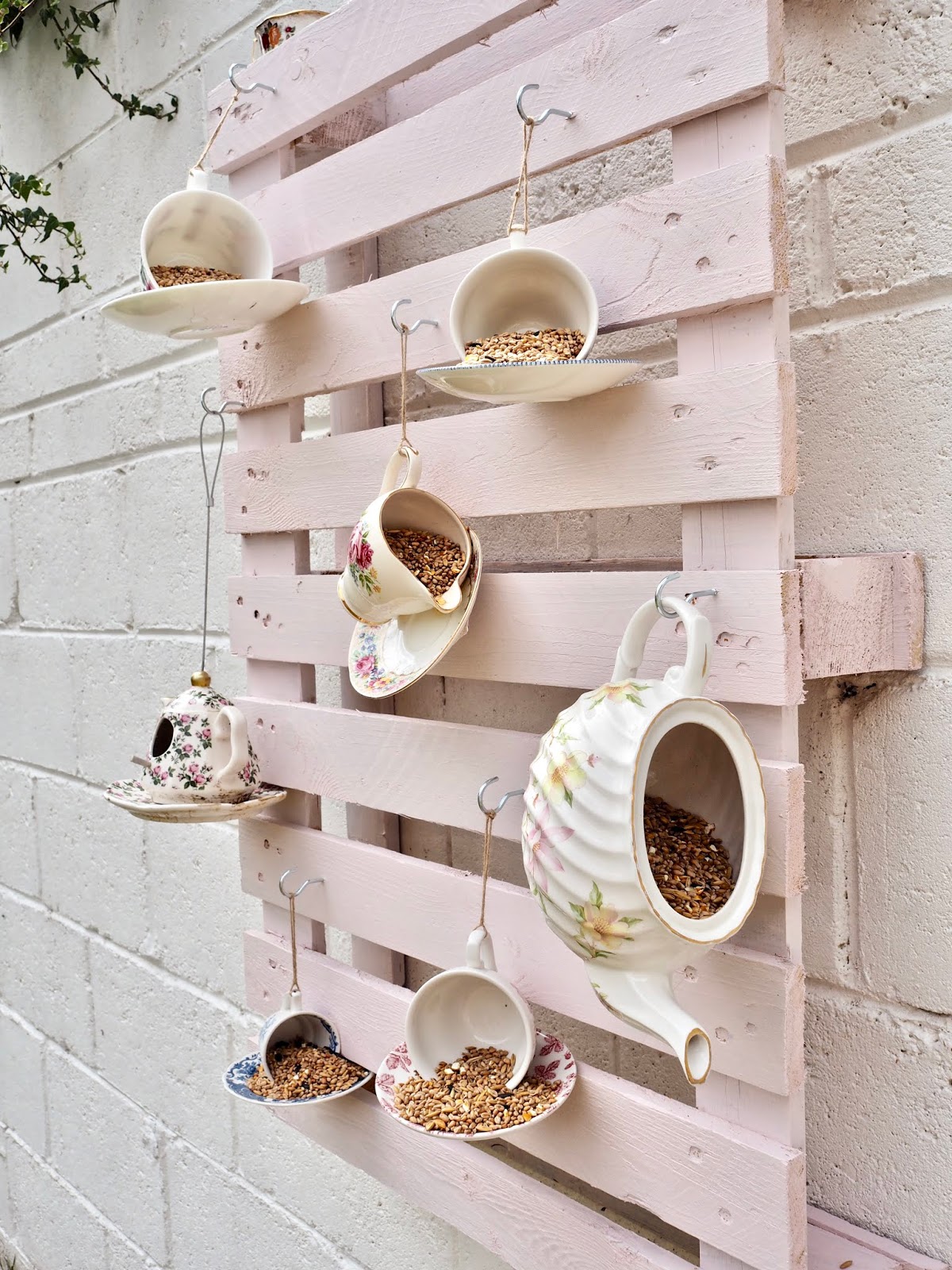
Credit: www.daintydressdiaries.com
Frequently Asked Questions
How Do You Hang A Cup And Saucer Feeder?
To hang a cup and saucer bird feeder, first, securely glue the cup to the saucer. Use a strong adhesive suitable for outdoor use. Next, attach a sturdy string or wire to the handle of the cup. Finally, hang it from a tree branch or hook.
What Materials Do I Need For A Bird Feeder?
For a hanging cup and saucer bird feeder, you’ll need a cup, saucer, strong adhesive, wire or string, and birdseed. Ensure materials are weather-resistant and safe for birds. Optional items include paint or decorations to personalize your feeder.
Can I Use Any Cup And Saucer?
Yes, you can use any cup and saucer, but ensure they are sturdy and weather-resistant. Ceramic or porcelain are common choices. Avoid delicate or antique pieces that may break easily. Choose a design that complements your garden or outdoor space for added aesthetic appeal.
How Do I Attract Birds To The Feeder?
To attract birds, fill the feeder with high-quality birdseed suitable for local species. Place the feeder in a quiet, safe area away from predators. Ensure it’s visible and accessible to birds. Regularly clean and refill the feeder to keep it inviting for avian visitors.
Conclusion
Creating a hanging cup and saucer bird feeder is simple and fun. It uses common items you may already have. Birds will enjoy visiting your garden or balcony. This project helps you connect with nature easily. You can watch birds up close every day.
Try different cups and saucers to add style. This feeder also makes a nice gift for friends. Enjoy making and sharing your bird feeder today. It brings life and joy to any outdoor space.