
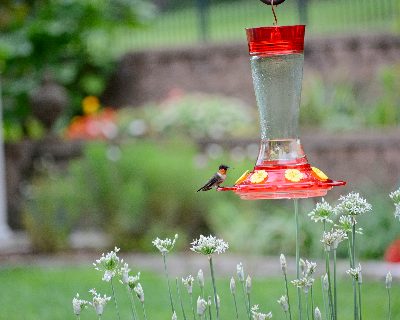
If you love watching hummingbirds dance around your garden, making your own homemade hummingbird feed is a simple way to attract these tiny wonders right to your backyard. You don’t need fancy ingredients or complicated recipes—just a few easy steps and natural ingredients you probably already have.
By creating the perfect nectar, you’ll give your hummingbirds the energy they need to keep fluttering and bring more life and color to your outdoor space. Ready to learn how to make hummingbird feed that works every time? Let’s dive in and discover the secret to keeping these beautiful birds coming back again and again.

Credit: www.youtube.com
Ingredients Needed
Gathering the right ingredients is the first step to making a homemade hummingbird feed that attracts these tiny visitors safely and effectively. You want a mixture that mimics the natural nectar hummingbirds crave, without any harmful additives.
Choosing simple, pure ingredients ensures your feeder stays fresh longer and keeps the birds healthy. Have you ever wondered what exactly goes into the nectar you buy at the store? Often, it’s just a basic mixture you can easily create at home.
Simple Supplies
- Granulated white sugar:This is the key ingredient. It provides the energy hummingbirds need through natural sugars.
- Water:Use clean, preferably filtered or boiled water to avoid impurities that can harm the birds.
That’s it. No red dye, no honey, no artificial sweeteners. Just sugar and water.
Boil the water first to dissolve the sugar completely and kill any bacteria. After cooling, your nectar is ready to fill the feeder.
Natural Alternatives
Sometimes you might want to try something different. Have you considered using natural flower nectars or homemade blends with fruit juices? Some bird lovers add small amounts of fruit juice like apple or grape to mimic wild nectar flavors.
Another option is using organic cane sugar instead of regular white sugar. It’s less processed but still safe for hummingbirds.
Avoid honey or artificial sweeteners—they can be harmful. Stick with nature-friendly choices to keep your hummingbirds coming back.
Credit: www.youtube.com
Step-by-step Preparation
Making your own hummingbird feed is simpler than you might think. The key is to prepare the nectar correctly so it’s safe and appealing to the birds. Let’s walk through the process carefully to ensure your feeder becomes a favorite spot for hummingbirds.
Mixing The Nectar
Start with plain white granulated sugar and fresh water. Use a ratio of 1 part sugar to 4 parts water for the perfect sweetness. Avoid using honey, artificial sweeteners, or red dye, as these can harm hummingbirds.
Stir the sugar into the water until it dissolves completely. You’ll notice the solution turning clear and smooth—this means it’s ready for the next step. Have you ever watched a hummingbird hover delicately? They’re attracted to the natural simplicity of this mixture.
Boiling And Cooling
Bring the sugar-water mixture to a boil. Boiling sterilizes the nectar, removing any bacteria or mold that could hurt the birds. Let it boil gently for about 1 to 2 minutes—no longer, or the sugar might caramelize.
After boiling, remove the nectar from heat and let it cool completely before filling your feeder. Pouring hot nectar can damage the feeder and may deter hummingbirds from visiting. This simple step protects your feathered guests and keeps your feeder fresh longer.
Feeder Setup Tips
Setting up your hummingbird feeder properly helps attract these tiny birds. A good setup keeps the nectar fresh and safe. It also makes watching hummingbirds more enjoyable. Follow these simple tips to create the best feeding spot.
Choosing The Right Feeder
Pick a feeder designed for hummingbirds. Look for features that suit your space and needs:
- Bright red parts to attract birds.
- Multiple feeding ports for several birds.
- Easy to fill and clean.
- Built-in ant and bee guards if possible.
A feeder with wide feeding holes helps hummingbirds feed comfortably. Avoid feeders with yellow parts; they may attract bees instead. Choose a size that holds enough nectar but not too much to spoil quickly.
Cleaning And Maintenance
Keep the feeder clean to stop mold and bacteria growth. Dirty feeders can harm birds. Clean your feeder every 2-3 days during warm weather. Use hot water and a mild soap. Rinse well to remove all soap.
For tough spots, use a small bottle brush. Avoid bleach or strong chemicals as they can be harmful. Let the feeder dry completely before refilling. Check nectar daily and replace if cloudy or fermented.
Safety And Storage
Ensuring the safety and proper storage of homemade hummingbird feed is crucial for attracting these delicate creatures without causing them harm. Neglecting these aspects can lead to spoiled nectar or exposure to substances that may be toxic. Let’s look at how you can keep your hummingbird feeders safe and fresh for your tiny visitors.
Avoiding Harmful Additives
Never add red dye or any artificial colorings to your hummingbird nectar. These additives offer no nutritional value and can be harmful to the birds’ health. Instead, stick to a simple mixture of sugar and water to mimic natural nectar.
Adding honey, molasses, or any other sweeteners can also be dangerous because they promote harmful bacteria growth. I once tried honey in my feeder, and it quickly led to mold, which kept the hummingbirds away for days. Have you noticed any changes in your feeder’s cleanliness when using additives?
Use plain white granulated sugar only, and avoid organic or raw sugars that might contain impurities. Your goal is to provide a clean, safe food source that supports the birds’ energy needs without risks.
Proper Storage Methods
Store your homemade nectar in a clean, airtight container in the refrigerator when not in use. This prevents fermentation and bacterial growth, keeping the nectar fresh for up to a week. Have you checked your nectar for cloudiness or sour smell? Those are signs it’s time to replace it.
Clean feeders thoroughly with hot water every few days, especially in warm weather. Avoid using soap since residues can be harmful to birds. Instead, scrub with a bottle brush and rinse well to maintain hygiene.
Consider making smaller batches of nectar to reduce waste. This way, you only prepare what your hummingbirds can consume quickly, avoiding spoiled food that could attract unwanted insects or harm the birds.
Attracting Hummingbirds
Attracting hummingbirds to your garden is a rewarding experience that brings vibrant color and lively activity right to your doorstep. These tiny birds are drawn to more than just sweet nectar; they respond to timing, environment, and even the types of flowers and feeders you provide. Understanding their habits will help you create an inviting space that keeps them coming back day after day.
Best Feeding Times
Hummingbirds are most active during the early morning and late afternoon. These times offer the best opportunity to observe their feeding behavior and ensure your feeders are fresh and ready.
Try to refill your feeders before sunrise or right after sunset to avoid disturbing their feeding. Have you noticed how a clean, fresh feeder attracts more visits? It’s not just about the food but also about presentation.
Offering nectar throughout these peak hours can support their high energy needs, especially during migration seasons when they travel long distances.
Enhancing Your Garden
Your garden can become a hummingbird hotspot by adding native flowering plants and shrubs that produce nectar. Plants like bee balm, trumpet vine, and salvia are favorites that naturally attract these birds.
Place feeders near these flowers to create a seamless feeding area. Hummingbirds tend to feel safer when feeders are close to cover, such as trees or bushes, which offer protection from predators.
Have you thought about using bright red feeders? The color mimics the flowers they love and can increase visits. Also, avoid using pesticides around your feeding area to keep the environment safe and healthy for hummingbirds.
Credit: www.youtube.com
Frequently Asked Questions
What Ingredients Are Needed For Hummingbird Feed?
To make homemade hummingbird feed, you’ll need just two ingredients: plain white granulated sugar and water. Use a 1:4 ratio, meaning one part sugar to four parts water. Avoid using honey, artificial sweeteners, or red dye, as they can harm the birds.
How Do You Mix Hummingbird Feed?
To mix hummingbird feed, dissolve one cup of sugar in four cups of boiling water. Stir until completely dissolved. Allow the mixture to cool before filling your feeder. Store any extra feed in the refrigerator for up to two weeks for future use.
How Often Should I Change Hummingbird Feed?
Change hummingbird feed every 3 to 5 days to keep it fresh and safe. In hotter weather, replace it more frequently to prevent fermentation. Regularly cleaning the feeder prevents mold and ensures a healthy feeding environment for the hummingbirds.
Can I Use Tap Water For Hummingbird Feed?
Yes, you can use tap water to make hummingbird feed. However, if your tap water is heavily chlorinated, consider using filtered or boiled water. Ensure the water is free from harmful chemicals to provide a safe nectar solution for hummingbirds.
Conclusion
Making homemade hummingbird feed is simple and safe. Just mix sugar and water in the right amounts. Avoid using honey or artificial sweeteners. Clean feeders often to keep birds healthy. Watching hummingbirds visit your garden is rewarding. This small effort brings nature closer to home.
Enjoy the beauty and joy these tiny birds bring. Try making your own feed today and see the difference.